Repair or Replacement in Worthing: Which Option Protects More Value Over the Next 10 Years?
Introduction When a roof starts showing signs of age, one of the biggest questions for a homeowner is whether to repair the existing covering or invest in a replacement. The cheapest option today is not always the option that offers the best value over the next decade. A small repair can be highly sensible when…

Why you can trust our content
We understand that the roofing industry can be confusing, with plenty of outdated or misleading information. That’s why we rely only on trusted, proven sources to guide our advice and installations:






At a glance
Introduction
When a roof starts showing signs of age, one of the biggest questions for a homeowner is whether to repair the existing covering or invest in a replacement. The cheapest option today is not always the option that offers the best value over the next decade.
A small repair can be highly sensible when the roof is generally sound. Equally, repeatedly paying for repairs on an ageing roof may become less economical if problems continue appearing in different areas.
The right decision depends on the roof’s condition, expected lifespan, previous repair history and the potential consequences of leaving wider defects unresolved.
What is the difference between repairing and replacing a roof?
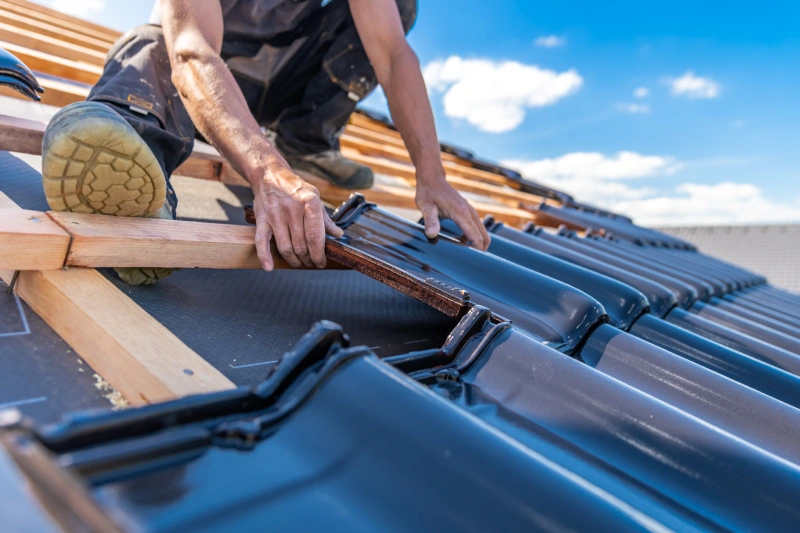
A repair addresses a specific defect while retaining most of the existing roof. Replacement involves removing some or all of the existing covering and installing a new roofing system.
Neither option is automatically better.
A repair may be appropriate when:
- Damage is limited to one or two areas
- The main roof structure remains sound
- The existing covering has useful life remaining
- Previous repairs have been successful
- There are no widespread signs of deterioration
Replacement may deserve consideration where:
- Problems are occurring across several areas
- The covering is significantly aged
- Repairs are becoming frequent
- Underlying materials are deteriorating
- The roof is no longer performing reliably
The decision should be based on evidence rather than simply the age of the roof.
How should homeowners compare the 10-year value of each option?
Looking only at today’s invoice can give an incomplete picture.
For example, a £1,000 repair may appear more attractive than a £10,000 replacement. But if the repair needs repeating several times over the next few years, the difference between the two options can become much smaller.
A useful comparison considers:
|
Factor |
Repair |
Replacement |
|
Initial cost |
Usually lower |
Usually higher |
|
Work required |
Localised |
More extensive |
|
Disruption |
Generally lower |
Usually greater |
|
Lifespan impact |
Depends on existing roof |
Provides a new roof covering |
|
Future repair risk |
May remain |
Often reduced initially |
|
Suitable for |
Isolated defects |
Widespread deterioration |
|
Long-term value |
Strong when roof is sound |
Strong when existing roof is near end of life |
The figures will vary significantly between properties, so the table should be viewed as a decision framework rather than a pricing guide.
When does roof repair provide better value?
A roof repair Worthing homeowners choose can offer excellent value when the underlying roof remains in good condition.
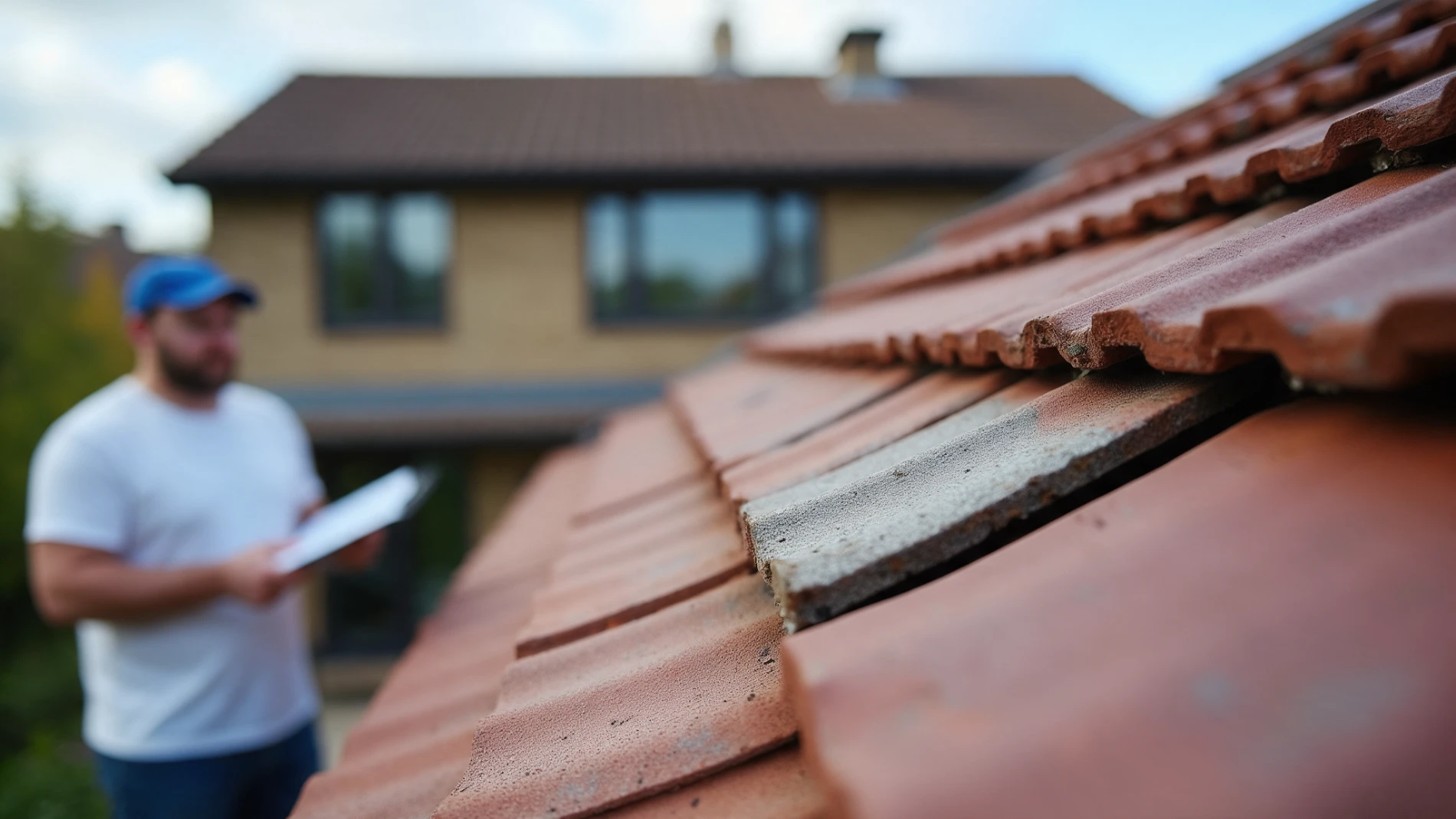
Consider a pitched roof where several tiles have been damaged by severe weather but the surrounding tiles, battens, flashing and structure are all performing well.
Replacing the damaged components could restore the roof without the cost and disruption associated with a full replacement.
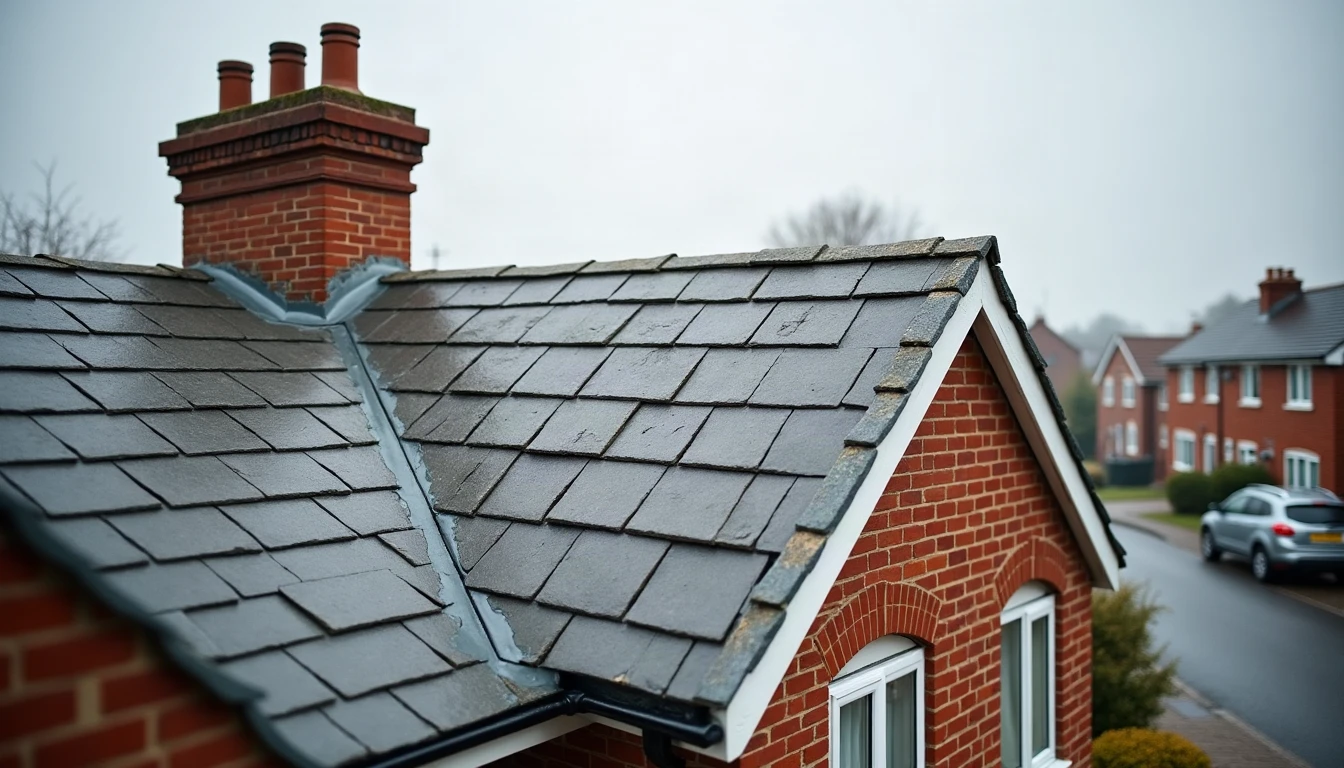
The same principle applies to isolated problems around chimneys, valleys, roof edges and other junctions.
A sensible repair extends the useful life of a roof without replacing materials that do not currently need replacing.
When can replacement become the better long-term option?
Replacement becomes more compelling when repair work is no longer addressing isolated defects.
A roof that has widespread deterioration may continue producing new problems even after individual leaks have been fixed. In that situation, the homeowner may gradually spend more on repairs without substantially improving the overall condition.
A roof replacement Worthing property owners consider should therefore be evaluated against the roof’s remaining useful life and likely future repair requirements.
Signs that replacement may deserve consideration include:
- Frequent leaks in different locations
- Extensive deterioration of the roof covering
- Repeated failure of previous repairs
- Widespread damaged or slipped materials
- Significant underlying deterioration
- A roof approaching the end of its expected service life
These signs do not automatically mean replacement is necessary. They indicate that a wider assessment is worthwhile.
Does the age of a roof determine whether it should be replaced?
Age is important, but it should not be used as the sole deciding factor.
Two roofs of the same age can be in very different condition because of differences in materials, installation, exposure, maintenance and previous repairs.
A well-maintained roof may continue performing effectively beyond the point at which another roof of the same age begins to deteriorate.
This is why a condition-based assessment is generally more useful than simply asking how old the roof is.
How do repeated repairs affect the financial decision?
Repeated repair costs can change the calculation.
Imagine a roof that requires several small repairs over a few years. Each individual repair may seem reasonable, but the combined expenditure can become significant.
There is also the indirect cost of repeated disruption. Homeowners may need to arrange inspections, manage internal dampness and deal with recurring uncertainty about whether the next rainfall will reveal another leak.
This does not mean every repeat repair should lead directly to replacement. Instead, repeated problems should prompt a review of whether the current strategy remains sensible.
What hidden costs should be considered?
The headline cost of roofing work is only one part of the decision.
Other considerations may include:
- Internal damage caused by leaks
- Replacement of damaged insulation
- Repairs to ceilings or walls
- Temporary measures during ongoing leaks
- Repeated inspection costs
- Disruption to occupants
- Maintenance requirements after the work
A roof that continues allowing water into the property can create additional costs that would not appear on the initial roofing estimate.
This is one reason long-term value should be considered alongside the immediate price.
Can a repair add 10 years to a roof?
Sometimes, but there is no universal guarantee.
The potential lifespan of a repair depends on the condition of the existing roof and the extent of the work carried out. A targeted repair to a generally healthy roof may extend its useful service considerably.
However, repairing one section cannot restore materials across the rest of an ageing roof.
A professional assessment should therefore consider the remaining condition of the entire system before making assumptions about how long a repair will last.
What should be assessed before choosing between the two?
A proper assessment should consider more than visible damage.
Important factors include:
- The condition of the roof covering
- The age and type of materials
- The state of flashing and junctions
- Signs of previous repairs
- Evidence of water ingress
- The condition of accessible underlying materials
- The frequency and location of defects
- The likely maintenance requirements going forward
This provides a more useful basis for comparing repair and replacement.
What Type of Roof Do You Have?
Please select the roof type of your property. This helps us determine the best installation method and equipment for your home.
Flat Roof
Pitched Roof
It just takes 60 Sec
And then you can book a free consultation
A typical Worthing example
Consider a homeowner with an older pitched roof that has developed three separate leaks over the last two years. Each problem was repaired individually, and the repairs initially worked.
During a wider inspection, however, several additional areas of deterioration are identified. The roof covering is approaching the end of its practical service life, and further defects are likely to develop.
In this case, replacement may provide better long-term value than continuing with isolated repairs.
By contrast, if the inspection found that the roof was generally sound and the three leaks had unrelated, localised causes, continued repair could remain the more sensible option.
The important difference is the overall condition, not simply the number of repairs.
Could a new roof improve property value?
A well-installed roof can contribute to a property’s condition, appearance and marketability. However, homeowners should be cautious about treating replacement as a guaranteed increase in sale price.
The value comes from having a reliable, properly maintained roof and reducing the likelihood of significant defects becoming a concern for future owners.
If a property is being prepared for sale, the roof’s condition can also affect buyer confidence. Clear documentation of recent work and maintenance may help demonstrate that the property has been looked after.
Conclusion
The best roofing investment over the next 10 years is not necessarily the cheapest option today. A targeted repair can be excellent value when the existing roof remains sound, while replacement can become more economical when deterioration is widespread and repairs are repeatedly required.
The most useful question is not simply, “How much will this work cost?” It is, “What is the most sensible way to keep this roof performing reliably over the coming years?”
All Roofing Works can assess the condition of your roof in Worthing and provide practical guidance on the options available, helping you make an informed decision without unnecessary work.
Related articles
What Type of Roof Do You Have?
Please select the roof type of your property. This helps us determine the best installation method and equipment for your home.
Flat Roof
Pitched Roof
Commercial Roof
At a glance
Introduction
When a roof starts showing signs of age, one of the biggest questions for a homeowner is whether to repair the existing covering or invest in a replacement. The cheapest option today is not always the option that offers the best value over the next decade.
A small repair can be highly sensible when the roof is generally sound. Equally, repeatedly paying for repairs on an ageing roof may become less economical if problems continue appearing in different areas.
The right decision depends on the roof’s condition, expected lifespan, previous repair history and the potential consequences of leaving wider defects unresolved.
What is the difference between repairing and replacing a roof?
A repair addresses a specific defect while retaining most of the existing roof. Replacement involves removing some or all of the existing covering and installing a new roofing system.
Neither option is automatically better.
A repair may be appropriate when:
- Damage is limited to one or two areas
- The main roof structure remains sound
- The existing covering has useful life remaining
- Previous repairs have been successful
- There are no widespread signs of deterioration
Replacement may deserve consideration where:
- Problems are occurring across several areas
- The covering is significantly aged
- Repairs are becoming frequent
- Underlying materials are deteriorating
- The roof is no longer performing reliably
The decision should be based on evidence rather than simply the age of the roof.
How should homeowners compare the 10-year value of each option?
Looking only at today’s invoice can give an incomplete picture.
For example, a £1,000 repair may appear more attractive than a £10,000 replacement. But if the repair needs repeating several times over the next few years, the difference between the two options can become much smaller.
A useful comparison considers:
|
Factor |
Repair |
Replacement |
|
Initial cost |
Usually lower |
Usually higher |
|
Work required |
Localised |
More extensive |
|
Disruption |
Generally lower |
Usually greater |
|
Lifespan impact |
Depends on existing roof |
Provides a new roof covering |
|
Future repair risk |
May remain |
Often reduced initially |
|
Suitable for |
Isolated defects |
Widespread deterioration |
|
Long-term value |
Strong when roof is sound |
Strong when existing roof is near end of life |
The figures will vary significantly between properties, so the table should be viewed as a decision framework rather than a pricing guide.
When does roof repair provide better value?
A roof repair Worthing homeowners choose can offer excellent value when the underlying roof remains in good condition.
Consider a pitched roof where several tiles have been damaged by severe weather but the surrounding tiles, battens, flashing and structure are all performing well.
Replacing the damaged components could restore the roof without the cost and disruption associated with a full replacement.
The same principle applies to isolated problems around chimneys, valleys, roof edges and other junctions.
A sensible repair extends the useful life of a roof without replacing materials that do not currently need replacing.
When can replacement become the better long-term option?
Replacement becomes more compelling when repair work is no longer addressing isolated defects.
A roof that has widespread deterioration may continue producing new problems even after individual leaks have been fixed. In that situation, the homeowner may gradually spend more on repairs without substantially improving the overall condition.
A roof replacement Worthing property owners consider should therefore be evaluated against the roof’s remaining useful life and likely future repair requirements.
Signs that replacement may deserve consideration include:
- Frequent leaks in different locations
- Extensive deterioration of the roof covering
- Repeated failure of previous repairs
- Widespread damaged or slipped materials
- Significant underlying deterioration
- A roof approaching the end of its expected service life
These signs do not automatically mean replacement is necessary. They indicate that a wider assessment is worthwhile.
Does the age of a roof determine whether it should be replaced?
Age is important, but it should not be used as the sole deciding factor.
Two roofs of the same age can be in very different condition because of differences in materials, installation, exposure, maintenance and previous repairs.
A well-maintained roof may continue performing effectively beyond the point at which another roof of the same age begins to deteriorate.
This is why a condition-based assessment is generally more useful than simply asking how old the roof is.
How do repeated repairs affect the financial decision?
Repeated repair costs can change the calculation.
Imagine a roof that requires several small repairs over a few years. Each individual repair may seem reasonable, but the combined expenditure can become significant.
There is also the indirect cost of repeated disruption. Homeowners may need to arrange inspections, manage internal dampness and deal with recurring uncertainty about whether the next rainfall will reveal another leak.
This does not mean every repeat repair should lead directly to replacement. Instead, repeated problems should prompt a review of whether the current strategy remains sensible.
What hidden costs should be considered?
The headline cost of roofing work is only one part of the decision.
Other considerations may include:
- Internal damage caused by leaks
- Replacement of damaged insulation
- Repairs to ceilings or walls
- Temporary measures during ongoing leaks
- Repeated inspection costs
- Disruption to occupants
- Maintenance requirements after the work
A roof that continues allowing water into the property can create additional costs that would not appear on the initial roofing estimate.
This is one reason long-term value should be considered alongside the immediate price.
Can a repair add 10 years to a roof?
Sometimes, but there is no universal guarantee.
The potential lifespan of a repair depends on the condition of the existing roof and the extent of the work carried out. A targeted repair to a generally healthy roof may extend its useful service considerably.
However, repairing one section cannot restore materials across the rest of an ageing roof.
A professional assessment should therefore consider the remaining condition of the entire system before making assumptions about how long a repair will last.
What should be assessed before choosing between the two?
A proper assessment should consider more than visible damage.
Important factors include:
- The condition of the roof covering
- The age and type of materials
- The state of flashing and junctions
- Signs of previous repairs
- Evidence of water ingress
- The condition of accessible underlying materials
- The frequency and location of defects
- The likely maintenance requirements going forward
This provides a more useful basis for comparing repair and replacement.
What Type of Roof Do You Have?
Please select the roof type of your property. This helps us determine the best installation method and equipment for your home.
Flat Roof
Pitched Roof
It just takes 60 Sec
And then you can book a free consultation
A typical Worthing example
Consider a homeowner with an older pitched roof that has developed three separate leaks over the last two years. Each problem was repaired individually, and the repairs initially worked.
During a wider inspection, however, several additional areas of deterioration are identified. The roof covering is approaching the end of its practical service life, and further defects are likely to develop.
In this case, replacement may provide better long-term value than continuing with isolated repairs.
By contrast, if the inspection found that the roof was generally sound and the three leaks had unrelated, localised causes, continued repair could remain the more sensible option.
The important difference is the overall condition, not simply the number of repairs.
Could a new roof improve property value?
A well-installed roof can contribute to a property’s condition, appearance and marketability. However, homeowners should be cautious about treating replacement as a guaranteed increase in sale price.
The value comes from having a reliable, properly maintained roof and reducing the likelihood of significant defects becoming a concern for future owners.
If a property is being prepared for sale, the roof’s condition can also affect buyer confidence. Clear documentation of recent work and maintenance may help demonstrate that the property has been looked after.
Conclusion
The best roofing investment over the next 10 years is not necessarily the cheapest option today. A targeted repair can be excellent value when the existing roof remains sound, while replacement can become more economical when deterioration is widespread and repairs are repeatedly required.
The most useful question is not simply, “How much will this work cost?” It is, “What is the most sensible way to keep this roof performing reliably over the coming years?”
All Roofing Works can assess the condition of your roof in Worthing and provide practical guidance on the options available, helping you make an informed decision without unnecessary work.
Related articles
What Type of Roof Do You Have?
Please select the roof type of your property. This helps us determine the best installation method and equipment for your home.
Flat Roof
Pitched Roof
Commercial Roof