After Urgent Roof Damage, Why a Specialist Inspection Matters Before Further Work in Worthing
Find out why a specialist roof inspection matters after urgent damage and how it can help Worthing homeowners choose the right repair.

Why you can trust our content
We understand that the roofing industry can be confusing, with plenty of outdated or misleading information. That’s why we rely only on trusted, proven sources to guide our advice and installations:






At a glance
Introduction
When a roof is damaged suddenly, the natural reaction is to get the problem fixed as quickly as possible. That is understandable, particularly when rain is entering the property or part of the roof covering has been displaced.
However, speed should not mean skipping the investigation. A temporary measure may protect the property from further weather exposure, but before permanent work begins, it is important to understand what actually happened and whether there is damage beyond what can be seen from ground level.
For homeowners in Worthing, a specialist assessment can help separate immediate protection from permanent repair and provide a clearer picture of what needs to happen next.
If your roof has suffered sudden damage, All Roofing Works can assess the affected area and explain the appropriate next steps. Contact our team if you need practical advice following an urgent roofing problem.
Why is an inspection important after urgent roof damage?
An inspection helps establish the extent and cause of the damage.
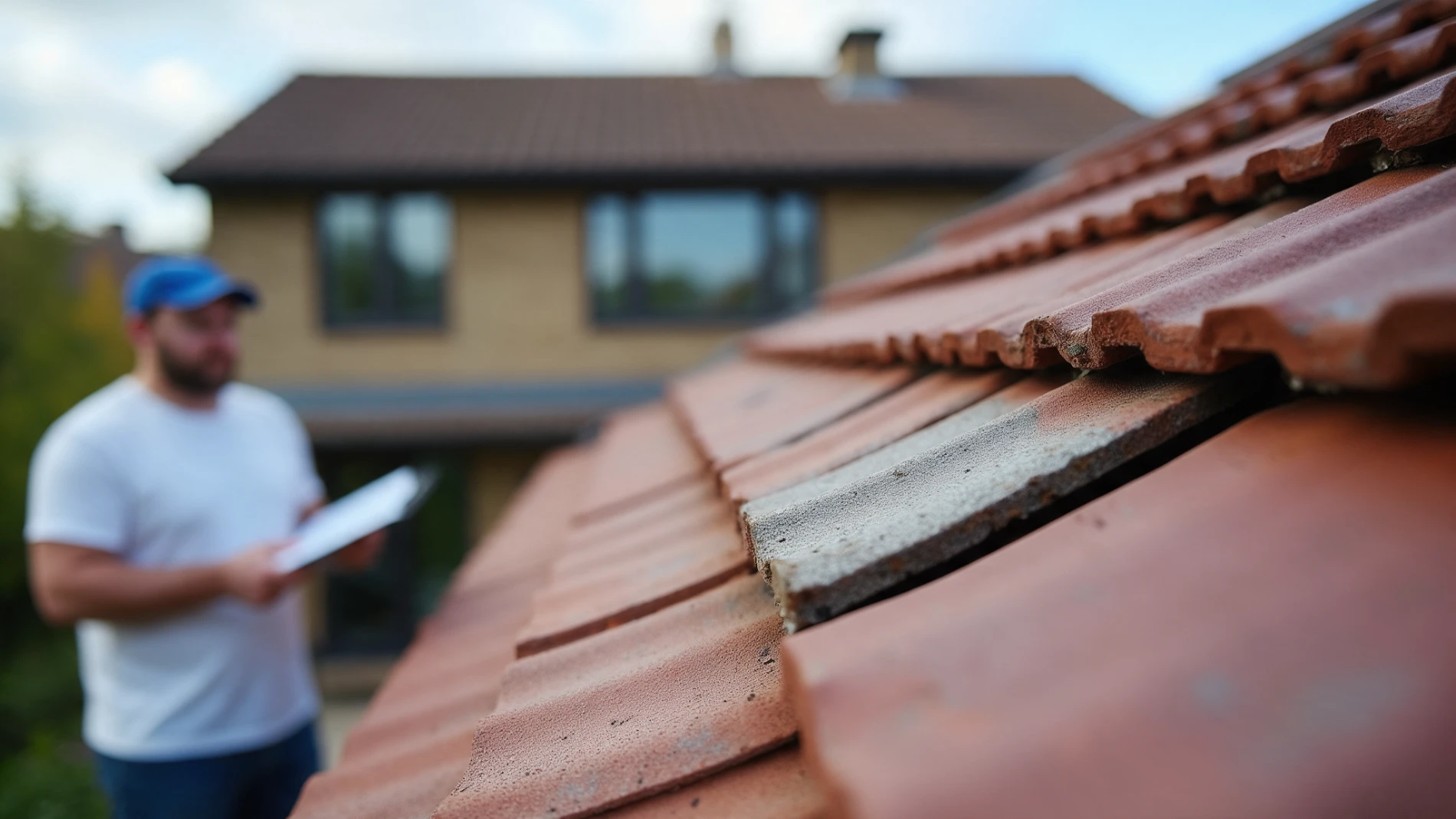
A storm may have visibly displaced several tiles, for example, but the same event could also have affected flashing, underlay, battens or roof junctions. A damaged section may therefore be more extensive than it initially appears.
An assessment can also help determine whether the problem is genuinely new or whether the incident has exposed an existing weakness.
This distinction matters because repairing only the most obvious defect may leave another route for water to enter.
What can happen when a roof is damaged suddenly?
Roof damage can take several forms, depending on the cause.
Strong winds may:
- Lift or displace tiles
- Damage roof edges
- Affect flashing
- Move loose materials
- Dislodge ridge or verge components
Heavy rain can expose weaknesses around:
- Chimneys
- Valleys
- Roof penetrations
- Flat roof edges
- Joints and junctions
Impact from branches or other debris may puncture or crack roof coverings.
The visible result is only one part of the assessment. A good emergency roof repair process should also consider what happened beneath or around the damaged area.
Should temporary protection come before a full inspection?
In some circumstances, yes. If water is actively entering, immediate measures may be necessary to reduce further exposure to rain.
Temporary protection is different from a permanent repair. Its purpose is to make the situation safer and limit additional damage while the roof can be properly assessed.
Once the immediate risk has been controlled, the condition of the roof should be reviewed before permanent work is planned.
This approach avoids rushing into a repair without understanding the wider problem.
What should a specialist inspect after roof damage?
A detailed assessment should look beyond the obvious break or missing material.
| Area | What the inspection can establish |
|---|---|
| Roof covering | Whether tiles, slates or membranes have been damaged |
| Flashing | Whether junctions remain weatherproof |
| Edges and ridges | Whether wind has affected vulnerable details |
| Underlay | Whether water may have travelled beneath the covering |
| Battens and timbers | Whether structural components show signs of damage |
| Loft space | Whether water has entered internally |
| Drainage | Whether debris or damage is affecting water flow |
| Previous repairs | Whether an existing weakness contributed to the incident |
Not every roof will require every part of this assessment. The inspection should be appropriate to the roof type and circumstances.
The objective is to establish what has happened and what needs attention, rather than automatically recommending extensive work.
Why can the visible damage be misleading?
Water can travel, materials can move and damage can occur underneath the surface.
For example, a slipped tile may be the first thing a homeowner notices after a storm. Yet the underlying issue could involve damaged fixings or a wider area of movement.
Likewise, a ceiling stain may not be directly below the point where water entered. Moisture can travel along underlay, insulation or structural materials before becoming visible.
This is why a roof inspection Worthing homeowners arrange after significant damage can provide useful information that a quick visual check from outside cannot.
What does a roof repair specialist look for?
A roof repair specialist should consider both the immediate defect and the condition of the surrounding roof.
Important questions include:
- What caused the damage?
- Is the affected area stable?
- Has water entered the roof structure?
- Are neighbouring materials also damaged?
- Has an earlier repair failed?
- Is the existing roof otherwise in reasonable condition?
- Would a local repair provide a durable result?
These questions help determine whether the next step should involve a small repair, several connected repairs or a broader programme of work.
The purpose is not to make a problem sound more serious than it is. It is to avoid making assumptions before the evidence has been considered.
Can emergency damage reveal older roof problems?
Yes. A sudden incident can expose weaknesses that were already present.
A period of strong wind may dislodge a tile that was already poorly secured. Heavy rainfall may reveal a deteriorated flashing junction. Debris can damage an area that was already weakened by age.
In these situations, fixing the immediate defect may be necessary, but the underlying condition should also be considered.
A professional emergency roof repair assessment can help distinguish between damage caused by the incident itself and pre-existing deterioration.
If your roof has suffered damage but you are unsure how extensive it is, speak to All Roofing Works before committing to further work. Our team can help identify the practical repair priorities.
When is emergency repair work genuinely urgent?
Urgency depends on the severity and consequences of the damage.
Immediate attention may be appropriate where:
- Rainwater is actively entering the property
- A large section of roof covering has been displaced
- Structural movement is suspected
- Debris has created a dangerous situation
- Water is approaching electrical installations
- A roof edge or other component appears unstable
Less serious defects may still need prompt attention but could potentially be dealt with through planned repair.
The important point is to assess the actual risk rather than assuming every roofing issue requires the same response.
Why should homeowners avoid inspecting damaged roofs themselves?
A damaged roof can contain unstable tiles, loose materials or weakened sections that are not safe to walk across.
There is also a risk of making the damage worse by moving materials or attempting an improvised repair.
From ground level, it can be useful to photograph visible damage where this can be done safely. However, a physical roof assessment should be left to someone with the appropriate experience and equipment.
How does an inspection help with repair decisions?
An inspection gives homeowners a more informed basis for deciding what work is necessary.
Rather than simply asking how much it costs to replace a damaged section, the assessment can consider whether:
- The defect is isolated
- Surrounding materials remain sound
- Water has entered beneath the roof
- Previous repairs have contributed to the problem
- The roof is approaching the end of its useful life
- A local repair is likely to last
This can help prevent two common mistakes: underestimating a problem or carrying out more work than the roof actually requires.
A typical Worthing example
Imagine a homeowner discovers several slipped tiles after a period of high winds. There is also a small damp patch in the loft, but no obvious opening can be seen from the ground.
A roof repair specialist inspects the affected area and finds that the wind has displaced several tiles, while an older section of underlay has also been affected. The damp patch is linked to water that has travelled beneath the roof covering.
Instead of simply replacing the visible tiles, the repair can address the affected components together. The rest of the roof is also checked to establish whether the movement is isolated or part of a wider issue.
This type of assessment can provide a much clearer basis for permanent work.
What should you ask after an emergency roof assessment?
Homeowners do not need to understand every technical detail of roofing to make an informed decision.
Useful questions include:
- What caused the damage?
- Which areas require repair?
- Is there evidence of hidden water ingress?
- Has the roof structure been affected?
- Is the damage isolated?
- Is temporary protection still required?
- What work is recommended and why?
- Are there any areas that should be monitored?
Clear answers can help you understand the difference between urgent protection and longer-term repair.
If you need emergency roof repair following sudden damage, All Roofing Works can inspect the affected area and explain the most appropriate solution. Contact our team for practical, property-specific advice in Worthing.
Related articles

What Type of Roof Do You Have?
Please select the roof type of your property. This helps us determine the best installation method and equipment for your home.
Flat Roof
Pitched Roof
Commercial Roof
At a glance
Introduction
When a roof is damaged suddenly, the natural reaction is to get the problem fixed as quickly as possible. That is understandable, particularly when rain is entering the property or part of the roof covering has been displaced.
However, speed should not mean skipping the investigation. A temporary measure may protect the property from further weather exposure, but before permanent work begins, it is important to understand what actually happened and whether there is damage beyond what can be seen from ground level.
For homeowners in Worthing, a specialist assessment can help separate immediate protection from permanent repair and provide a clearer picture of what needs to happen next.
If your roof has suffered sudden damage, All Roofing Works can assess the affected area and explain the appropriate next steps. Contact our team if you need practical advice following an urgent roofing problem.
Why is an inspection important after urgent roof damage?
An inspection helps establish the extent and cause of the damage.
A storm may have visibly displaced several tiles, for example, but the same event could also have affected flashing, underlay, battens or roof junctions. A damaged section may therefore be more extensive than it initially appears.
An assessment can also help determine whether the problem is genuinely new or whether the incident has exposed an existing weakness.
This distinction matters because repairing only the most obvious defect may leave another route for water to enter.
What can happen when a roof is damaged suddenly?
Roof damage can take several forms, depending on the cause.
Strong winds may:
- Lift or displace tiles
- Damage roof edges
- Affect flashing
- Move loose materials
- Dislodge ridge or verge components
Heavy rain can expose weaknesses around:
- Chimneys
- Valleys
- Roof penetrations
- Flat roof edges
- Joints and junctions
Impact from branches or other debris may puncture or crack roof coverings.
The visible result is only one part of the assessment. A good emergency roof repair process should also consider what happened beneath or around the damaged area.
Should temporary protection come before a full inspection?
In some circumstances, yes. If water is actively entering, immediate measures may be necessary to reduce further exposure to rain.
Temporary protection is different from a permanent repair. Its purpose is to make the situation safer and limit additional damage while the roof can be properly assessed.
Once the immediate risk has been controlled, the condition of the roof should be reviewed before permanent work is planned.
This approach avoids rushing into a repair without understanding the wider problem.
What should a specialist inspect after roof damage?
A detailed assessment should look beyond the obvious break or missing material.
| Area | What the inspection can establish |
|---|---|
| Roof covering | Whether tiles, slates or membranes have been damaged |
| Flashing | Whether junctions remain weatherproof |
| Edges and ridges | Whether wind has affected vulnerable details |
| Underlay | Whether water may have travelled beneath the covering |
| Battens and timbers | Whether structural components show signs of damage |
| Loft space | Whether water has entered internally |
| Drainage | Whether debris or damage is affecting water flow |
| Previous repairs | Whether an existing weakness contributed to the incident |
Not every roof will require every part of this assessment. The inspection should be appropriate to the roof type and circumstances.
The objective is to establish what has happened and what needs attention, rather than automatically recommending extensive work.
Why can the visible damage be misleading?
Water can travel, materials can move and damage can occur underneath the surface.
For example, a slipped tile may be the first thing a homeowner notices after a storm. Yet the underlying issue could involve damaged fixings or a wider area of movement.
Likewise, a ceiling stain may not be directly below the point where water entered. Moisture can travel along underlay, insulation or structural materials before becoming visible.
This is why a roof inspection Worthing homeowners arrange after significant damage can provide useful information that a quick visual check from outside cannot.
What does a roof repair specialist look for?
A roof repair specialist should consider both the immediate defect and the condition of the surrounding roof.
Important questions include:
- What caused the damage?
- Is the affected area stable?
- Has water entered the roof structure?
- Are neighbouring materials also damaged?
- Has an earlier repair failed?
- Is the existing roof otherwise in reasonable condition?
- Would a local repair provide a durable result?
These questions help determine whether the next step should involve a small repair, several connected repairs or a broader programme of work.
The purpose is not to make a problem sound more serious than it is. It is to avoid making assumptions before the evidence has been considered.
Can emergency damage reveal older roof problems?
Yes. A sudden incident can expose weaknesses that were already present.
A period of strong wind may dislodge a tile that was already poorly secured. Heavy rainfall may reveal a deteriorated flashing junction. Debris can damage an area that was already weakened by age.
In these situations, fixing the immediate defect may be necessary, but the underlying condition should also be considered.
A professional emergency roof repair assessment can help distinguish between damage caused by the incident itself and pre-existing deterioration.
If your roof has suffered damage but you are unsure how extensive it is, speak to All Roofing Works before committing to further work. Our team can help identify the practical repair priorities.
When is emergency repair work genuinely urgent?
Urgency depends on the severity and consequences of the damage.
Immediate attention may be appropriate where:
- Rainwater is actively entering the property
- A large section of roof covering has been displaced
- Structural movement is suspected
- Debris has created a dangerous situation
- Water is approaching electrical installations
- A roof edge or other component appears unstable
Less serious defects may still need prompt attention but could potentially be dealt with through planned repair.
The important point is to assess the actual risk rather than assuming every roofing issue requires the same response.
Why should homeowners avoid inspecting damaged roofs themselves?
A damaged roof can contain unstable tiles, loose materials or weakened sections that are not safe to walk across.
There is also a risk of making the damage worse by moving materials or attempting an improvised repair.
From ground level, it can be useful to photograph visible damage where this can be done safely. However, a physical roof assessment should be left to someone with the appropriate experience and equipment.
How does an inspection help with repair decisions?
An inspection gives homeowners a more informed basis for deciding what work is necessary.
Rather than simply asking how much it costs to replace a damaged section, the assessment can consider whether:
- The defect is isolated
- Surrounding materials remain sound
- Water has entered beneath the roof
- Previous repairs have contributed to the problem
- The roof is approaching the end of its useful life
- A local repair is likely to last
This can help prevent two common mistakes: underestimating a problem or carrying out more work than the roof actually requires.
A typical Worthing example
Imagine a homeowner discovers several slipped tiles after a period of high winds. There is also a small damp patch in the loft, but no obvious opening can be seen from the ground.
A roof repair specialist inspects the affected area and finds that the wind has displaced several tiles, while an older section of underlay has also been affected. The damp patch is linked to water that has travelled beneath the roof covering.
Instead of simply replacing the visible tiles, the repair can address the affected components together. The rest of the roof is also checked to establish whether the movement is isolated or part of a wider issue.
This type of assessment can provide a much clearer basis for permanent work.
What should you ask after an emergency roof assessment?
Homeowners do not need to understand every technical detail of roofing to make an informed decision.
Useful questions include:
- What caused the damage?
- Which areas require repair?
- Is there evidence of hidden water ingress?
- Has the roof structure been affected?
- Is the damage isolated?
- Is temporary protection still required?
- What work is recommended and why?
- Are there any areas that should be monitored?
Clear answers can help you understand the difference between urgent protection and longer-term repair.
If you need emergency roof repair following sudden damage, All Roofing Works can inspect the affected area and explain the most appropriate solution. Contact our team for practical, property-specific advice in Worthing.
Related articles
What Type of Roof Do You Have?
Please select the roof type of your property. This helps us determine the best installation method and equipment for your home.
Flat Roof
Pitched Roof
Commercial Roof