How Repeated Leak Repair Costs Can Change the Case for Full Roof Replacement
Repeated roof leaks can make ongoing repairs expensive. Learn when repair costs may justify replacement and what Worthing homeowners should compare.

Why you can trust our content
We understand that the roofing industry can be confusing, with plenty of outdated or misleading information. That’s why we rely only on trusted, proven sources to guide our advice and installations:






At a glance
Introduction
A roof leak that can be fixed quickly is rarely a major concern. The situation becomes different when leaks keep returning, particularly when each repair seems to solve one problem only for another to appear later.
At that point, homeowners often face a difficult question: should they continue repairing individual defects, or would replacing the roof provide better long-term value?
There is no automatic answer. A roof can sometimes have several unrelated, repairable problems. In other cases, repeated leaks are a sign that the roof covering or underlying materials are approaching the end of their useful life.
The key is to compare the accumulated cost of repairs with the condition, expected lifespan and future maintenance requirements of the existing roof.
If your roof has needed several repairs recently, All Roofing Works can assess its overall condition and help you understand whether continued repairs or replacement is likely to be the more sensible route.
Why can repeated roof leaks become expensive?
The cost of a leak is not always limited to the repair itself.
Each incident may involve:
- Inspection and diagnosis
- Roofing materials
- Labour
- Access equipment
- Internal damage
- Ceiling or wall repairs
- Damaged insulation
- Temporary measures
- Additional work if moisture has spread
A single repair may therefore be entirely reasonable. But if several repairs are needed within a short period, the combined expenditure can become significant.
The homeowner may also be dealing with repeated disruption and uncertainty whenever heavy rain is forecast.
How should homeowners calculate the true cost of repeated repairs?
The most useful approach is to look at the roof’s repair history rather than considering each invoice in isolation.
Create a simple record showing:
| Information | Why it matters |
|---|---|
| Date of each repair | Shows how frequently problems occur |
| Location | Reveals whether failures are concentrated or widespread |
| Type of defect | Helps identify recurring causes |
| Cost | Shows cumulative expenditure |
| Internal damage | Captures secondary costs |
| Outcome | Shows whether previous repairs lasted |
| Current condition | Helps assess future risk |
This can reveal a pattern that is difficult to notice when looking at individual repairs.
For example, three modest repairs over five years may be perfectly normal for an older roof. Three repairs in twelve months, followed by another leak in a different area, could suggest a wider deterioration issue.
When does roof leak repair cost become a concern?
There is no fixed amount at which repair becomes uneconomical.
Instead, roof leak repair cost Worthing homeowners face should be considered alongside the condition of the roof and how often problems are occurring.
Warning signs include:
- Repairs becoming increasingly frequent
- Leaks appearing in different areas
- The same repair failing repeatedly
- Widespread deterioration
- Ageing roof materials
- Water reaching underlying structures
- Increasing internal damage
The important question is not simply how much the latest repair costs. It is whether the roof is likely to require further expenditure soon.
Does repeated leaking mean the whole roof has failed?
No. A roof can have several localised defects without requiring complete replacement.
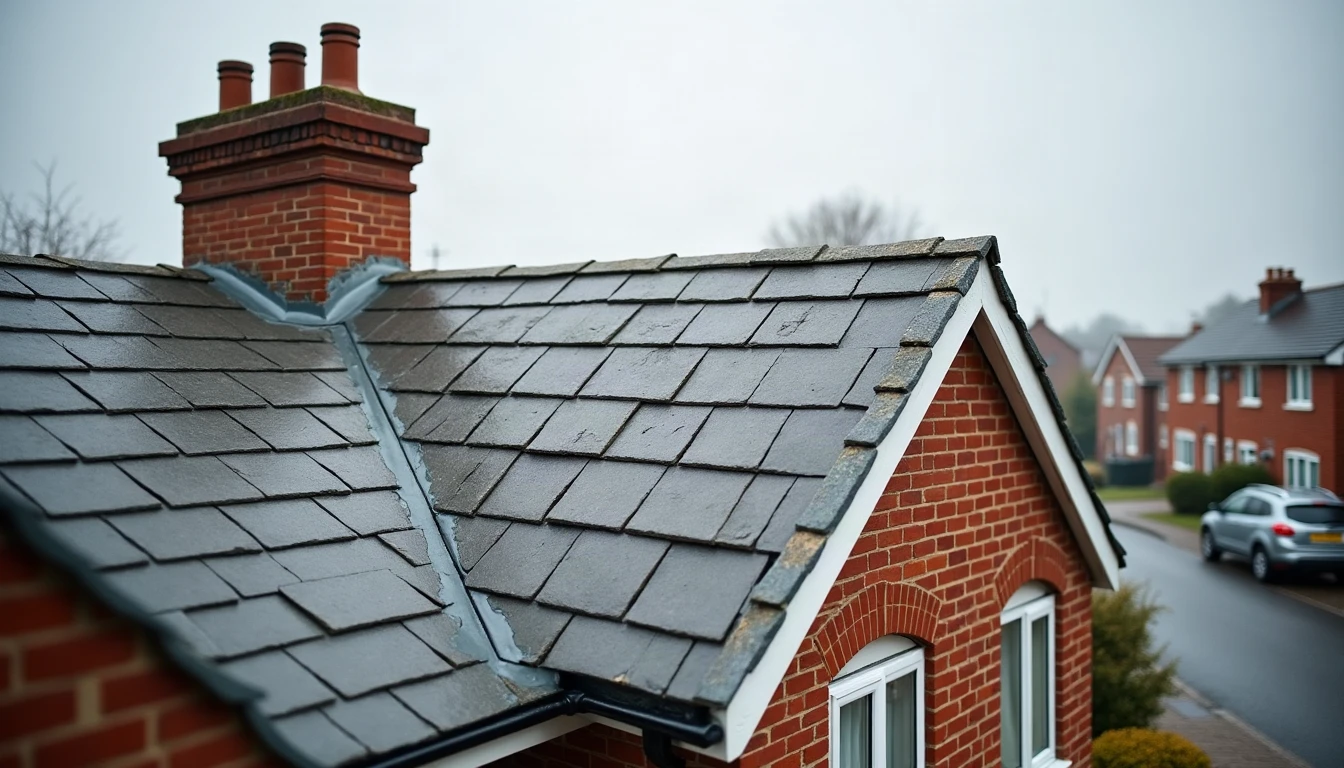
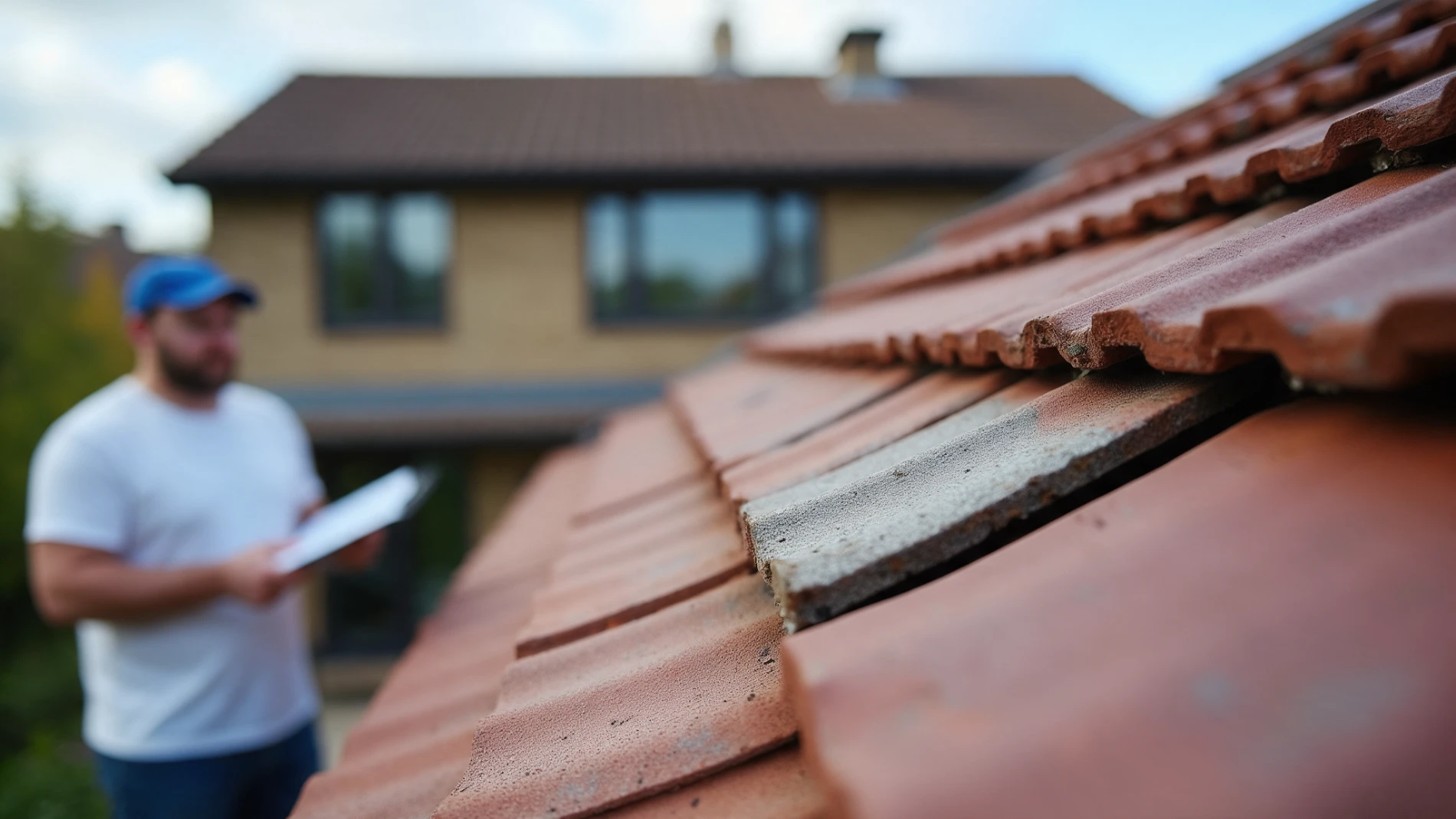
For example, a pitched roof may have isolated problems around a chimney, valley or roof edge while most of its covering remains sound.
A professional assessment should determine whether the failures are connected or simply individual defects.
If the roof remains structurally sound and most materials are performing well, continued targeted repair may still be appropriate.
When can replacement become financially sensible?
Replacement may become worth considering when repair requirements are no longer isolated.
A roof that has widespread deterioration may continue developing new leaks even after individual defects have been addressed.
The comparison should consider:
- Current repair expenditure
- Likely future repair frequency
- Remaining useful life
- Condition of the roof covering
- Condition of underlying materials
- Potential internal damage
- Cost of replacement
- Expected maintenance after replacement
This provides a more realistic long-term comparison.
How should roof replacement cost be compared with repair costs?
The roof replacement cost should not be viewed in isolation.
A replacement involves a larger initial investment, but it can provide a new roof covering and reduce the likelihood of recurring defects associated with an ageing system.
By contrast, continuing with repairs generally involves lower individual payments but may result in cumulative expenditure over time.
A useful comparison might look like this:
| Option | Short-term impact | Long-term consideration |
|---|---|---|
| Local repair | Lower immediate cost | May need repeating |
| Multiple repairs | Costs build gradually | Can become difficult to predict |
| Partial renewal | Moderate investment | Addresses a larger problem area |
| Full replacement | Higher initial cost | Provides a new roofing system |
The right option depends on the actual condition of the property.
What hidden costs can repeated leaks create?
Water ingress can affect more than the roof covering.
Persistent moisture may contribute to damage involving:
- Roof timbers
- Battens
- Insulation
- Plasterboard
- Ceilings
- Internal decorations
- Stored belongings
The longer a leak continues, the more opportunity there is for moisture to spread.
This is particularly relevant when a leak appears to have stopped. A dry period does not necessarily mean the underlying roof problem has disappeared.
Could several small repairs still be the best option?
Yes.
Suppose an otherwise healthy roof has experienced isolated storm damage on several occasions. Each problem is clearly identifiable and repairs remain effective.
In that situation, replacing the entire roof purely because several repairs have occurred may not provide good value.
The key distinction is whether the repairs are solving separate, limited problems or repeatedly treating symptoms of a wider failing system.
A roof leak repair cost Worthing assessment should therefore include the condition of the surrounding roof rather than focusing only on the latest leak.
If you are unsure whether your recent repairs represent normal maintenance or a pattern of deterioration, contact All Roofing Works. A wider roof assessment can provide a clearer picture before you commit to replacement.
What signs suggest a roof may be approaching replacement?
There are several indicators worth taking seriously.
These can include:
- Frequent leaks across different roof areas
- Widespread cracked, slipped or deteriorated coverings
- Repeated repair failures
- Significant water damage beneath the roof
- Ageing materials with limited remaining service life
- Persistent problems despite previous maintenance
- Structural deterioration where accessible
No single sign proves that replacement is necessary. Several together can make a wider assessment particularly worthwhile.
Does the roof’s age matter when comparing options?
Yes, but it should be considered alongside condition.
A relatively old roof that has been well maintained may still perform reliably. Conversely, a younger roof with installation problems or significant deterioration may require substantial work.
Age becomes more useful when combined with repair history. If an older roof has needed increasingly frequent intervention, the likelihood of future expenditure may be greater.
A typical Worthing example
Consider a homeowner with an ageing tiled roof. Over the last eighteen months, they have paid for repairs to a valley, several slipped tiles and a leaking chimney junction.
Each repair was initially successful. A new leak then appears near another section of the roof.
An inspection finds that the individual repairs are not the main issue. The wider roof covering is showing signs of deterioration, and several areas are likely to need attention.
Rather than automatically carrying out another isolated repair, the homeowner can compare the latest repair cost and likely future expenditure against the roof replacement cost for the property.
This gives a much clearer basis for making a long-term decision.
Should you replace a roof after a certain number of repairs?
Not necessarily.
There is no universal number of repairs that means replacement is required. The quality, frequency and nature of the repairs matter more than the simple count.
Five small repairs spread over many years may be less significant than two major failures within a few months.
What matters is the trend and the condition of the roof as a whole.
How can homeowners avoid unnecessary replacement?
The best protection against unnecessary expenditure is a proper condition assessment.
Ask for a clear explanation of:
- What is failing
- Why it is failing
- Whether the problem is isolated
- How much useful life may remain
- What future repairs could reasonably be expected
- Why repair or replacement is being recommended
A transparent assessment allows homeowners to make a decision based on the actual condition of the roof rather than pressure or assumptions.
If recurring leaks are making you question the future of your roof, All Roofing Works can assess the condition and discuss the available options. Contact our team for tailored advice in Worthing before deciding on further work.
Related articles
What Type of Roof Do You Have?
Please select the roof type of your property. This helps us determine the best installation method and equipment for your home.
Flat Roof
Pitched Roof
Commercial Roof
At a glance
Introduction
A roof leak that can be fixed quickly is rarely a major concern. The situation becomes different when leaks keep returning, particularly when each repair seems to solve one problem only for another to appear later.
At that point, homeowners often face a difficult question: should they continue repairing individual defects, or would replacing the roof provide better long-term value?
There is no automatic answer. A roof can sometimes have several unrelated, repairable problems. In other cases, repeated leaks are a sign that the roof covering or underlying materials are approaching the end of their useful life.
The key is to compare the accumulated cost of repairs with the condition, expected lifespan and future maintenance requirements of the existing roof.
If your roof has needed several repairs recently, All Roofing Works can assess its overall condition and help you understand whether continued repairs or replacement is likely to be the more sensible route.
Why can repeated roof leaks become expensive?
The cost of a leak is not always limited to the repair itself.
Each incident may involve:
- Inspection and diagnosis
- Roofing materials
- Labour
- Access equipment
- Internal damage
- Ceiling or wall repairs
- Damaged insulation
- Temporary measures
- Additional work if moisture has spread
A single repair may therefore be entirely reasonable. But if several repairs are needed within a short period, the combined expenditure can become significant.
The homeowner may also be dealing with repeated disruption and uncertainty whenever heavy rain is forecast.
How should homeowners calculate the true cost of repeated repairs?
The most useful approach is to look at the roof’s repair history rather than considering each invoice in isolation.
Create a simple record showing:
| Information | Why it matters |
|---|---|
| Date of each repair | Shows how frequently problems occur |
| Location | Reveals whether failures are concentrated or widespread |
| Type of defect | Helps identify recurring causes |
| Cost | Shows cumulative expenditure |
| Internal damage | Captures secondary costs |
| Outcome | Shows whether previous repairs lasted |
| Current condition | Helps assess future risk |
This can reveal a pattern that is difficult to notice when looking at individual repairs.
For example, three modest repairs over five years may be perfectly normal for an older roof. Three repairs in twelve months, followed by another leak in a different area, could suggest a wider deterioration issue.
When does roof leak repair cost become a concern?
There is no fixed amount at which repair becomes uneconomical.
Instead, roof leak repair cost Worthing homeowners face should be considered alongside the condition of the roof and how often problems are occurring.
Warning signs include:
- Repairs becoming increasingly frequent
- Leaks appearing in different areas
- The same repair failing repeatedly
- Widespread deterioration
- Ageing roof materials
- Water reaching underlying structures
- Increasing internal damage
The important question is not simply how much the latest repair costs. It is whether the roof is likely to require further expenditure soon.
Does repeated leaking mean the whole roof has failed?
No. A roof can have several localised defects without requiring complete replacement.
For example, a pitched roof may have isolated problems around a chimney, valley or roof edge while most of its covering remains sound.
A professional assessment should determine whether the failures are connected or simply individual defects.
If the roof remains structurally sound and most materials are performing well, continued targeted repair may still be appropriate.
When can replacement become financially sensible?
Replacement may become worth considering when repair requirements are no longer isolated.
A roof that has widespread deterioration may continue developing new leaks even after individual defects have been addressed.
The comparison should consider:
- Current repair expenditure
- Likely future repair frequency
- Remaining useful life
- Condition of the roof covering
- Condition of underlying materials
- Potential internal damage
- Cost of replacement
- Expected maintenance after replacement
This provides a more realistic long-term comparison.
How should roof replacement cost be compared with repair costs?
The roof replacement cost should not be viewed in isolation.
A replacement involves a larger initial investment, but it can provide a new roof covering and reduce the likelihood of recurring defects associated with an ageing system.
By contrast, continuing with repairs generally involves lower individual payments but may result in cumulative expenditure over time.
A useful comparison might look like this:
| Option | Short-term impact | Long-term consideration |
|---|---|---|
| Local repair | Lower immediate cost | May need repeating |
| Multiple repairs | Costs build gradually | Can become difficult to predict |
| Partial renewal | Moderate investment | Addresses a larger problem area |
| Full replacement | Higher initial cost | Provides a new roofing system |
The right option depends on the actual condition of the property.
What hidden costs can repeated leaks create?
Water ingress can affect more than the roof covering.
Persistent moisture may contribute to damage involving:
- Roof timbers
- Battens
- Insulation
- Plasterboard
- Ceilings
- Internal decorations
- Stored belongings
The longer a leak continues, the more opportunity there is for moisture to spread.
This is particularly relevant when a leak appears to have stopped. A dry period does not necessarily mean the underlying roof problem has disappeared.
Could several small repairs still be the best option?
Yes.
Suppose an otherwise healthy roof has experienced isolated storm damage on several occasions. Each problem is clearly identifiable and repairs remain effective.
In that situation, replacing the entire roof purely because several repairs have occurred may not provide good value.
The key distinction is whether the repairs are solving separate, limited problems or repeatedly treating symptoms of a wider failing system.
A roof leak repair cost Worthing assessment should therefore include the condition of the surrounding roof rather than focusing only on the latest leak.
If you are unsure whether your recent repairs represent normal maintenance or a pattern of deterioration, contact All Roofing Works. A wider roof assessment can provide a clearer picture before you commit to replacement.
What signs suggest a roof may be approaching replacement?
There are several indicators worth taking seriously.
These can include:
- Frequent leaks across different roof areas
- Widespread cracked, slipped or deteriorated coverings
- Repeated repair failures
- Significant water damage beneath the roof
- Ageing materials with limited remaining service life
- Persistent problems despite previous maintenance
- Structural deterioration where accessible
No single sign proves that replacement is necessary. Several together can make a wider assessment particularly worthwhile.
Does the roof’s age matter when comparing options?
Yes, but it should be considered alongside condition.
A relatively old roof that has been well maintained may still perform reliably. Conversely, a younger roof with installation problems or significant deterioration may require substantial work.
Age becomes more useful when combined with repair history. If an older roof has needed increasingly frequent intervention, the likelihood of future expenditure may be greater.
A typical Worthing example
Consider a homeowner with an ageing tiled roof. Over the last eighteen months, they have paid for repairs to a valley, several slipped tiles and a leaking chimney junction.
Each repair was initially successful. A new leak then appears near another section of the roof.
An inspection finds that the individual repairs are not the main issue. The wider roof covering is showing signs of deterioration, and several areas are likely to need attention.
Rather than automatically carrying out another isolated repair, the homeowner can compare the latest repair cost and likely future expenditure against the roof replacement cost for the property.
This gives a much clearer basis for making a long-term decision.
Should you replace a roof after a certain number of repairs?
Not necessarily.
There is no universal number of repairs that means replacement is required. The quality, frequency and nature of the repairs matter more than the simple count.
Five small repairs spread over many years may be less significant than two major failures within a few months.
What matters is the trend and the condition of the roof as a whole.
How can homeowners avoid unnecessary replacement?
The best protection against unnecessary expenditure is a proper condition assessment.
Ask for a clear explanation of:
- What is failing
- Why it is failing
- Whether the problem is isolated
- How much useful life may remain
- What future repairs could reasonably be expected
- Why repair or replacement is being recommended
A transparent assessment allows homeowners to make a decision based on the actual condition of the roof rather than pressure or assumptions.
If recurring leaks are making you question the future of your roof, All Roofing Works can assess the condition and discuss the available options. Contact our team for tailored advice in Worthing before deciding on further work.
Related articles
What Type of Roof Do You Have?
Please select the roof type of your property. This helps us determine the best installation method and equipment for your home.
Flat Roof
Pitched Roof
Commercial Roof