How Repair Priorities Differ Between Slate Main Roofs and Garage Roofs
Slate main roofs and garage roofs don’t share the same repair priorities.

Why you can trust our content
We understand that the roofing industry can be confusing, with plenty of outdated or misleading information. That’s why we rely only on trusted, proven sources to guide our advice and installations:






At a glance
This guide explains how water risk, severity and recurring defects should shape what gets fixed first, helping Worthing homeowners tell the difference between problems that need prompt attention and those that can wait for planned maintenance.
Introduction
Not every roof on a property needs to be assessed in exactly the same way. A slate-covered main roof protects the primary living space, while a garage roof may cover a smaller, less frequently occupied part of the property. Both matter, but the consequences of defects can be quite different.
The type of roof, its age, construction and the condition of the materials should all influence repair priorities. Treating every roofing problem as though it requires the same response can lead to either unnecessary work or delays that allow damage to spread.
For homeowners in Worthing, understanding these differences can make it easier to decide which problems require immediate attention and which may be suitable for planned maintenance.
Why does the type of roof affect repair priorities?
The construction and covering of a roof influence how it responds to damage.
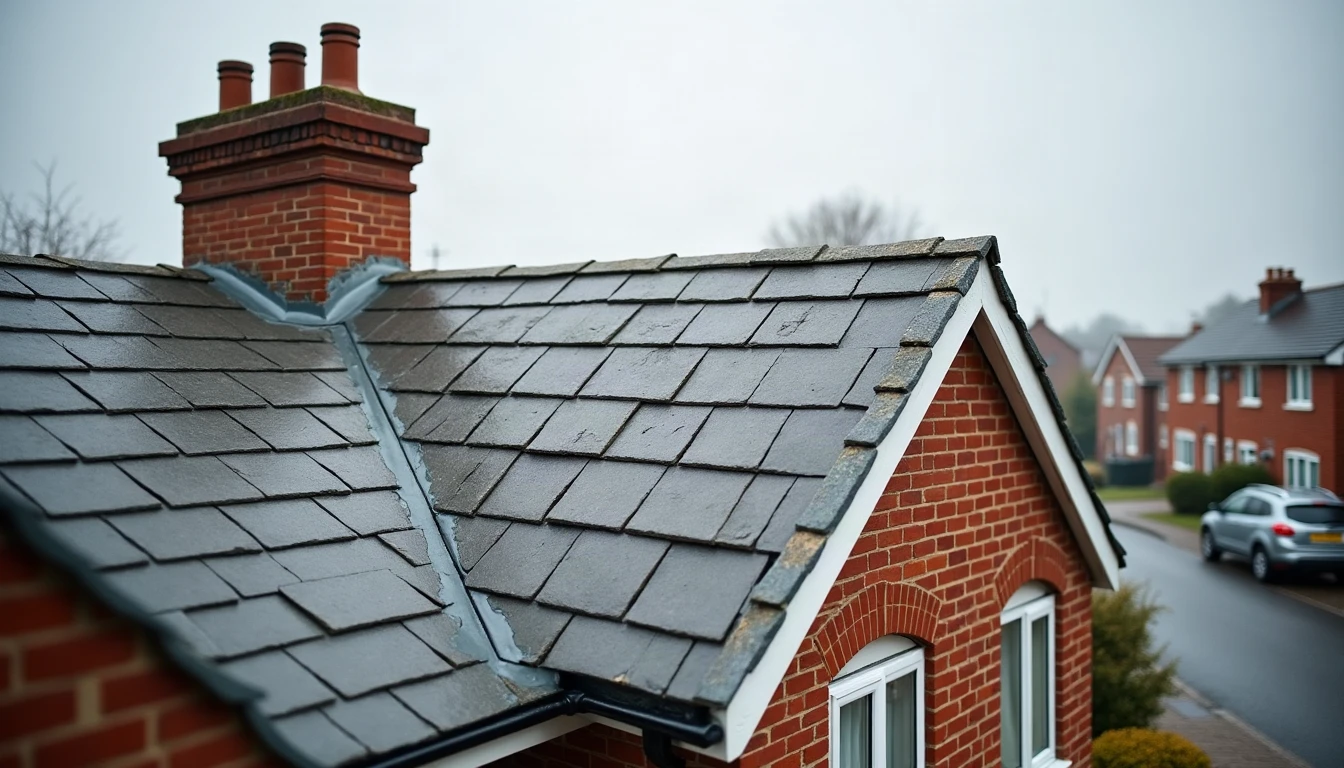
A slate main roof typically has individual natural or manufactured slates fixed across a pitched structure. Its condition can depend on the slates, fixings, battens, underlay, flashing and supporting timbers.
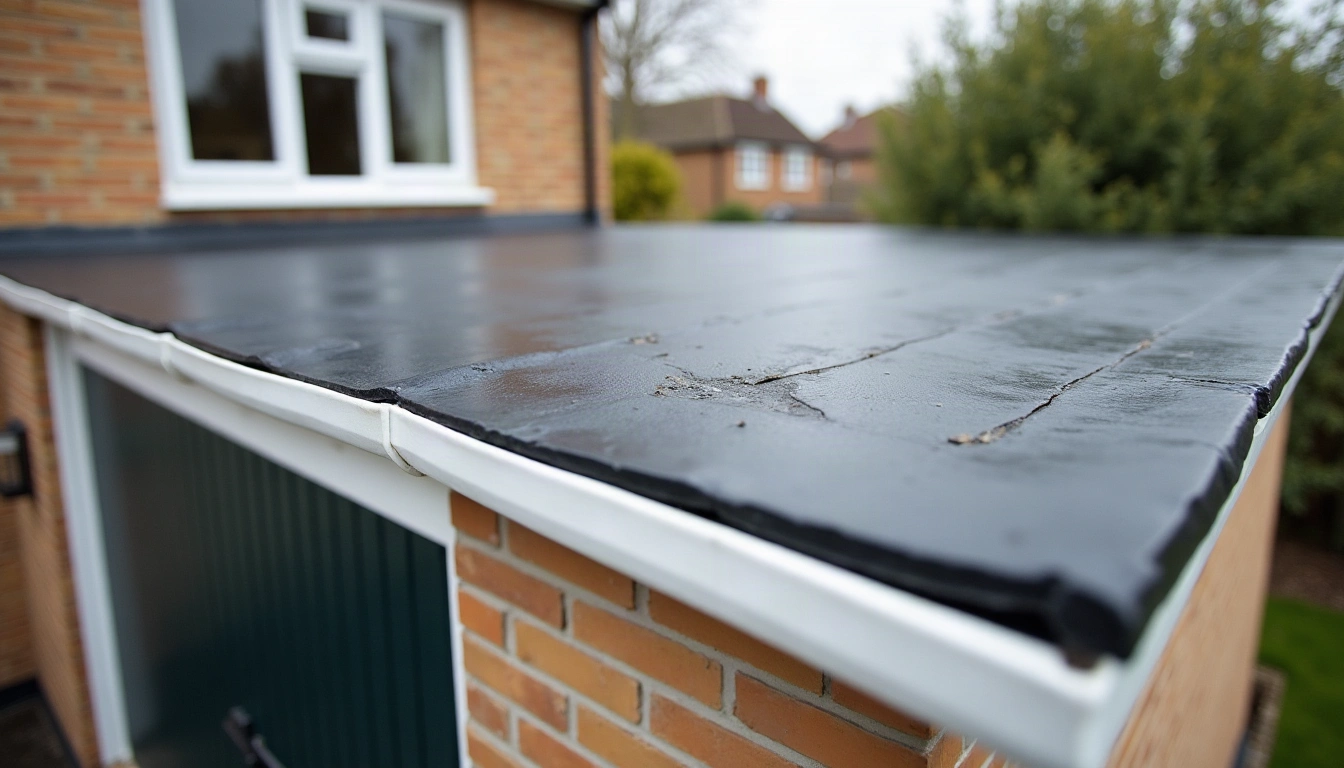
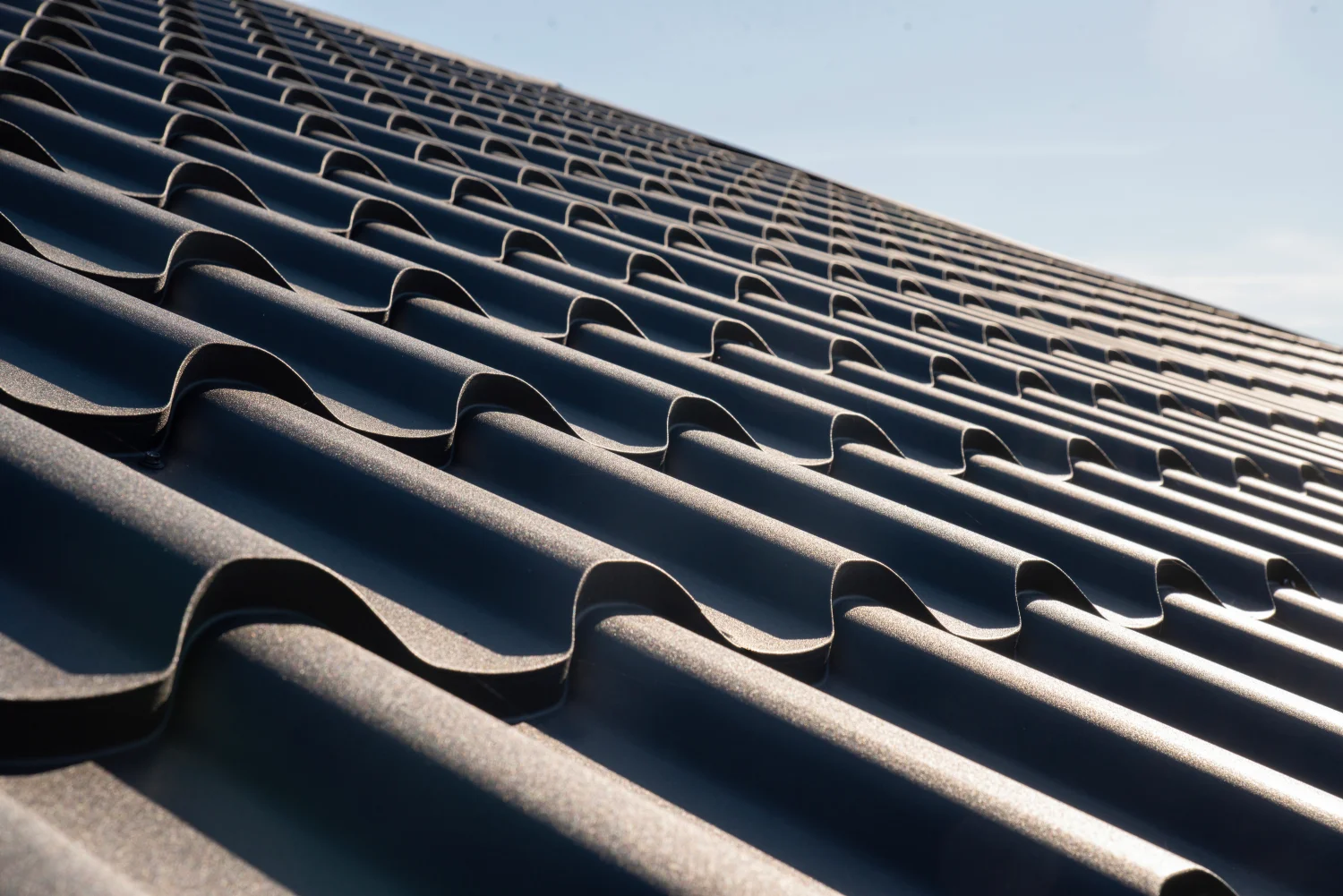
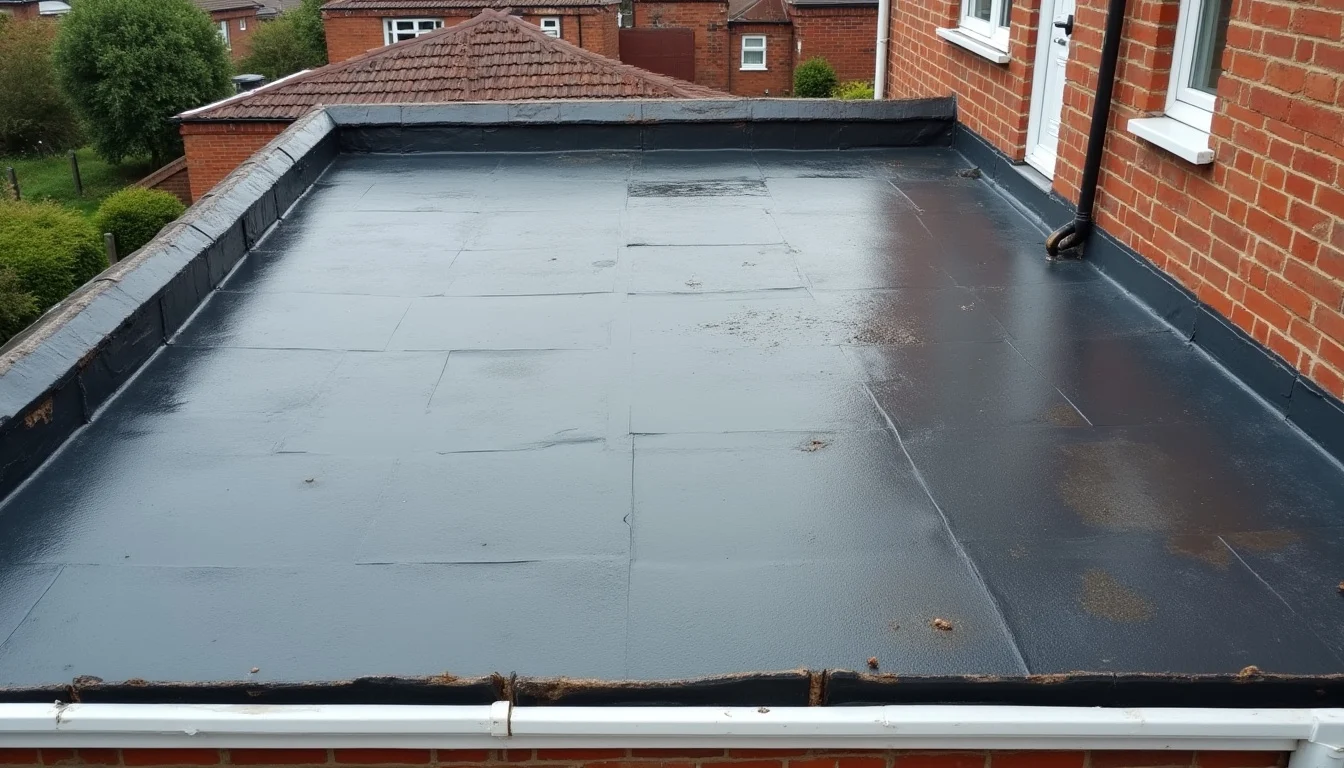
A garage roof may have a very different construction. Depending on the property, it could be a flat roof using felt or another membrane, or a pitched roof covered with tiles or another material.
This means the same visible symptom, such as a leak, can have very different causes and implications.
What should be prioritised on a slate main roof?
A main roof should generally receive prompt attention where damage could allow water into the occupied part of the property.
Important areas to assess include:
- Missing or slipped slates
- Cracked slates
- Defective fixings
- Damaged flashing
- Deteriorated underlay
- Defective roof junctions
- Signs of dampness in the loft
- Deterioration of supporting timber
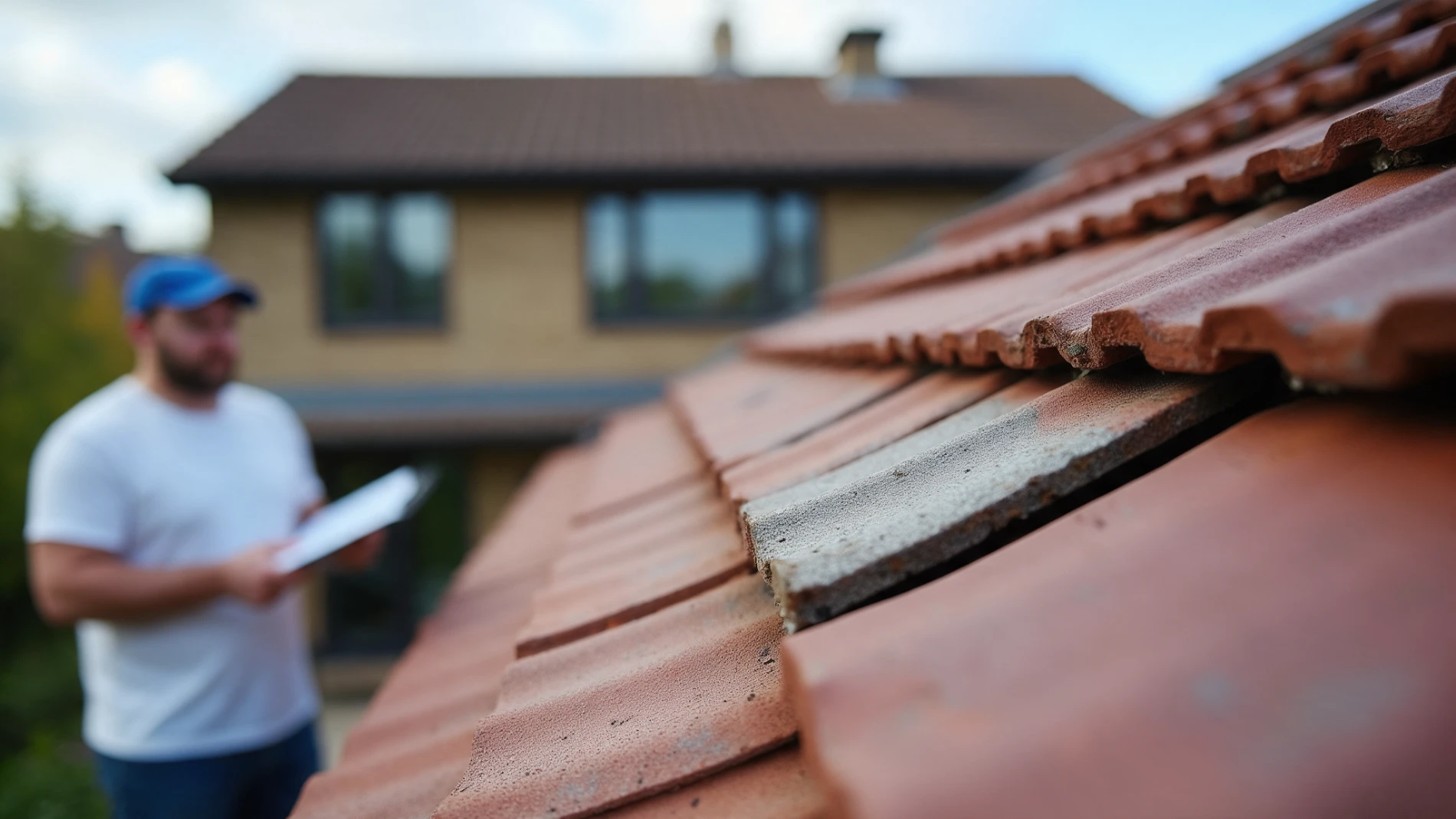
A slate roof repair may be relatively localised if only a few slates are damaged and the surrounding roof remains sound.
However, repeated failures in the same area can indicate a wider issue. For example, if several slates continue slipping because their fixings have deteriorated, simply replacing individual slates may not provide the most reliable long-term solution.
Does a garage roof need the same level of urgency?
Not necessarily, but that does not mean garage roof problems should be ignored.
A detached garage may not affect the main living area immediately, but water entering through its roof can damage stored belongings, electrical equipment, timber structures and internal finishes.
If the garage is attached to the house, the situation can be more important because a defect may also affect the adjoining structure.
The priority should therefore be based on the consequences of the defect rather than simply the fact that it is a garage.
What are the main differences between slate and garage roof repairs?
The priorities can be summarised as follows:
|
Consideration |
Slate main roof |
Garage roof |
|
Main purpose |
Protects occupied living space |
Protects garage and stored items |
|
Typical concern |
Water ingress into the home |
Damp, leaks and damage to stored property |
|
Common materials |
Slate, battens, underlay and flashing |
Felt, membrane, tiles or other coverings |
|
Urgency |
Often higher where living areas are affected |
Depends on use and extent of damage |
|
Repair approach |
Individual slate replacement or wider work |
Local repair or replacement depending on roof type |
|
Long-term factor |
Condition of the overall pitched roof |
Age and condition of the garage covering |
This is only a general guide. A garage roof that sits directly alongside the home may be more important than an isolated main-roof defect that is purely cosmetic.
When is a slate roof repair usually appropriate?
A targeted repair can make sense where the damage is clearly confined to a small area and the rest of the roof remains in good condition.
For example, a few broken slates following strong winds may be replaced without disturbing large sections of the roof.
A professional assessment should still consider why the damage occurred. If slates are breaking because of age, defective fixings or movement in the roof structure, replacing individual pieces may only address the immediate symptom.
A slate roof repair should therefore take account of both the visible damage and the condition of the surrounding roof.
When might garage roof repair require more investigation?
Flat garage roofs can be particularly prone to recurring problems because water may remain on the surface if drainage is poor.
Warning signs can include:
- Persistent pooling
- Blistering or bubbling
- Cracked or split coverings
- Damaged edges
- Loose trims
- Damp internal surfaces
- Sagging sections
- Repeated leaks following rainfall
If a garage roof has already been repaired several times, it may be worth assessing whether the existing covering has reached the end of its practical service life.
A garage roof repair may still be appropriate, but the wider condition should be considered before committing to another local patch.
What Type of Roof Do You Have?
Please select the roof type of your property. This helps us determine the best installation method and equipment for your home.
Flat Roof
Pitched Roof
It just takes 60 Sec
And then you can book a free consultation
How should homeowners decide which roof problem comes first?
A useful approach is to consider four factors: risk, location, severity and recurrence.
1. Risk of water entering the property
Active water ingress into a bedroom, living area or electrical space may require faster attention than a minor external defect on a detached garage.
2. Severity of the damage
A missing slate may be straightforward to replace, while widespread damage across a roof covering could indicate a more substantial issue.
3. Location of the affected area
Roof junctions, valleys, edges and penetrations often deserve closer attention because they can be more vulnerable to water ingress.
4. Whether the problem keeps returning
Recurring repairs may indicate that the underlying cause has not been resolved.
[Internal Link Placeholder: Link to related blog – How to Tell Whether a Roof Repair Is Likely to Last]
Should the oldest roof always be repaired first?
No. Age is relevant, but it should not be the only deciding factor.
A relatively old slate roof may still perform well if it has been maintained properly. Meanwhile, a newer garage roof could have a significant drainage defect or installation problem that requires attention.
The condition and consequences of the problem should therefore be considered alongside age.
What happens when a main roof and garage roof share a structure?
This situation needs particular care.
Some properties have garages connected directly to the main house, with adjoining roof structures or shared walls. A defect may therefore have implications beyond the garage itself.
Water entering near the junction between the two structures can travel into areas that are difficult to identify from inside the garage.
In these circumstances, an inspection should consider both roof areas and the point where they meet.
A typical Worthing property example
Imagine a semi-detached home with an older slate main roof and a flat-roofed garage attached to the side of the property.
After heavy rain, the homeowner notices a small damp mark in the garage but also discovers a slipped slate on the main roof. It may be tempting to deal with the more obvious slate first.
However, an inspection finds that the garage roof has a blocked outlet and deteriorated covering, while the slipped slate is isolated and has not caused water ingress.
In this situation, the garage defect may deserve earlier attention because it presents the more immediate water risk.
The example highlights why repair priorities should be based on evidence rather than assumptions about which roof is more important.
Can delaying a smaller roof repair create bigger problems?
Yes, particularly where water is actively entering.
A minor defect can expose underlying materials to repeated moisture. Over time, this can affect timber, insulation, boards or internal finishes.
However, not every small defect needs an emergency response. The appropriate timescale depends on whether the problem is active, worsening or likely to create further damage.
This is why a professional assessment can help distinguish between a defect that should be dealt with quickly and one that can reasonably be incorporated into planned maintenance.
How can homeowners manage roof repairs more effectively?
Rather than treating every roof problem as a separate emergency, consider keeping a simple record of defects and inspections.
Useful information includes:
- Date the issue was first noticed
- Weather conditions when the problem appeared
- Location of visible damage
- Any internal staining
- Previous repairs
- Whether the same problem has returned
This can help a roofer understand the history of the roof and identify recurring issues more efficiently.
Conclusion
Main slate roofs and garage roofs may protect the same property, but they can have very different repair priorities. A slate roof may require prompt attention when damage threatens the living space, while a garage roof needs to be assessed according to its construction, use and potential for water damage.
The most sensible approach is to consider the condition of each roof, the severity of the defect and whether the problem is recurring. This helps homeowners avoid both unnecessary work and delays that could allow minor defects to develop into larger repairs.
If you need help deciding what should be addressed first, All Roofing Works can provide a practical inspection and clear advice on the most appropriate next steps for your property in Worthing.
Related articles

What Type of Roof Do You Have?
Please select the roof type of your property. This helps us determine the best installation method and equipment for your home.
Flat Roof
Pitched Roof
Commercial Roof
At a glance
This guide explains how water risk, severity and recurring defects should shape what gets fixed first, helping Worthing homeowners tell the difference between problems that need prompt attention and those that can wait for planned maintenance.
Introduction
Not every roof on a property needs to be assessed in exactly the same way. A slate-covered main roof protects the primary living space, while a garage roof may cover a smaller, less frequently occupied part of the property. Both matter, but the consequences of defects can be quite different.
The type of roof, its age, construction and the condition of the materials should all influence repair priorities. Treating every roofing problem as though it requires the same response can lead to either unnecessary work or delays that allow damage to spread.
For homeowners in Worthing, understanding these differences can make it easier to decide which problems require immediate attention and which may be suitable for planned maintenance.
Why does the type of roof affect repair priorities?
The construction and covering of a roof influence how it responds to damage.
A slate main roof typically has individual natural or manufactured slates fixed across a pitched structure. Its condition can depend on the slates, fixings, battens, underlay, flashing and supporting timbers.
A garage roof may have a very different construction. Depending on the property, it could be a flat roof using felt or another membrane, or a pitched roof covered with tiles or another material.
This means the same visible symptom, such as a leak, can have very different causes and implications.
What should be prioritised on a slate main roof?
A main roof should generally receive prompt attention where damage could allow water into the occupied part of the property.
Important areas to assess include:
- Missing or slipped slates
- Cracked slates
- Defective fixings
- Damaged flashing
- Deteriorated underlay
- Defective roof junctions
- Signs of dampness in the loft
- Deterioration of supporting timber
A slate roof repair may be relatively localised if only a few slates are damaged and the surrounding roof remains sound.
However, repeated failures in the same area can indicate a wider issue. For example, if several slates continue slipping because their fixings have deteriorated, simply replacing individual slates may not provide the most reliable long-term solution.
Does a garage roof need the same level of urgency?
Not necessarily, but that does not mean garage roof problems should be ignored.
A detached garage may not affect the main living area immediately, but water entering through its roof can damage stored belongings, electrical equipment, timber structures and internal finishes.
If the garage is attached to the house, the situation can be more important because a defect may also affect the adjoining structure.
The priority should therefore be based on the consequences of the defect rather than simply the fact that it is a garage.
What are the main differences between slate and garage roof repairs?
The priorities can be summarised as follows:
|
Consideration |
Slate main roof |
Garage roof |
|
Main purpose |
Protects occupied living space |
Protects garage and stored items |
|
Typical concern |
Water ingress into the home |
Damp, leaks and damage to stored property |
|
Common materials |
Slate, battens, underlay and flashing |
Felt, membrane, tiles or other coverings |
|
Urgency |
Often higher where living areas are affected |
Depends on use and extent of damage |
|
Repair approach |
Individual slate replacement or wider work |
Local repair or replacement depending on roof type |
|
Long-term factor |
Condition of the overall pitched roof |
Age and condition of the garage covering |
This is only a general guide. A garage roof that sits directly alongside the home may be more important than an isolated main-roof defect that is purely cosmetic.
When is a slate roof repair usually appropriate?
A targeted repair can make sense where the damage is clearly confined to a small area and the rest of the roof remains in good condition.
For example, a few broken slates following strong winds may be replaced without disturbing large sections of the roof.
A professional assessment should still consider why the damage occurred. If slates are breaking because of age, defective fixings or movement in the roof structure, replacing individual pieces may only address the immediate symptom.
A slate roof repair should therefore take account of both the visible damage and the condition of the surrounding roof.
When might garage roof repair require more investigation?
Flat garage roofs can be particularly prone to recurring problems because water may remain on the surface if drainage is poor.
Warning signs can include:
- Persistent pooling
- Blistering or bubbling
- Cracked or split coverings
- Damaged edges
- Loose trims
- Damp internal surfaces
- Sagging sections
- Repeated leaks following rainfall
If a garage roof has already been repaired several times, it may be worth assessing whether the existing covering has reached the end of its practical service life.
A garage roof repair may still be appropriate, but the wider condition should be considered before committing to another local patch.
What Type of Roof Do You Have?
Please select the roof type of your property. This helps us determine the best installation method and equipment for your home.
Flat Roof
Pitched Roof
It just takes 60 Sec
And then you can book a free consultation
How should homeowners decide which roof problem comes first?
A useful approach is to consider four factors: risk, location, severity and recurrence.
1. Risk of water entering the property
Active water ingress into a bedroom, living area or electrical space may require faster attention than a minor external defect on a detached garage.
2. Severity of the damage
A missing slate may be straightforward to replace, while widespread damage across a roof covering could indicate a more substantial issue.
3. Location of the affected area
Roof junctions, valleys, edges and penetrations often deserve closer attention because they can be more vulnerable to water ingress.
4. Whether the problem keeps returning
Recurring repairs may indicate that the underlying cause has not been resolved.
[Internal Link Placeholder: Link to related blog – How to Tell Whether a Roof Repair Is Likely to Last]
Should the oldest roof always be repaired first?
No. Age is relevant, but it should not be the only deciding factor.
A relatively old slate roof may still perform well if it has been maintained properly. Meanwhile, a newer garage roof could have a significant drainage defect or installation problem that requires attention.
The condition and consequences of the problem should therefore be considered alongside age.
What happens when a main roof and garage roof share a structure?
This situation needs particular care.
Some properties have garages connected directly to the main house, with adjoining roof structures or shared walls. A defect may therefore have implications beyond the garage itself.
Water entering near the junction between the two structures can travel into areas that are difficult to identify from inside the garage.
In these circumstances, an inspection should consider both roof areas and the point where they meet.
A typical Worthing property example
Imagine a semi-detached home with an older slate main roof and a flat-roofed garage attached to the side of the property.
After heavy rain, the homeowner notices a small damp mark in the garage but also discovers a slipped slate on the main roof. It may be tempting to deal with the more obvious slate first.
However, an inspection finds that the garage roof has a blocked outlet and deteriorated covering, while the slipped slate is isolated and has not caused water ingress.
In this situation, the garage defect may deserve earlier attention because it presents the more immediate water risk.
The example highlights why repair priorities should be based on evidence rather than assumptions about which roof is more important.
Can delaying a smaller roof repair create bigger problems?
Yes, particularly where water is actively entering.
A minor defect can expose underlying materials to repeated moisture. Over time, this can affect timber, insulation, boards or internal finishes.
However, not every small defect needs an emergency response. The appropriate timescale depends on whether the problem is active, worsening or likely to create further damage.
This is why a professional assessment can help distinguish between a defect that should be dealt with quickly and one that can reasonably be incorporated into planned maintenance.
How can homeowners manage roof repairs more effectively?
Rather than treating every roof problem as a separate emergency, consider keeping a simple record of defects and inspections.
Useful information includes:
- Date the issue was first noticed
- Weather conditions when the problem appeared
- Location of visible damage
- Any internal staining
- Previous repairs
- Whether the same problem has returned
This can help a roofer understand the history of the roof and identify recurring issues more efficiently.
Conclusion
Main slate roofs and garage roofs may protect the same property, but they can have very different repair priorities. A slate roof may require prompt attention when damage threatens the living space, while a garage roof needs to be assessed according to its construction, use and potential for water damage.
The most sensible approach is to consider the condition of each roof, the severity of the defect and whether the problem is recurring. This helps homeowners avoid both unnecessary work and delays that could allow minor defects to develop into larger repairs.
If you need help deciding what should be addressed first, All Roofing Works can provide a practical inspection and clear advice on the most appropriate next steps for your property in Worthing.
Related articles
What Type of Roof Do You Have?
Please select the roof type of your property. This helps us determine the best installation method and equipment for your home.
Flat Roof
Pitched Roof
Commercial Roof