Roof Repair or Full Replacement? How Can You Compare the Cost in Worthing?
Deciding between a roof repair and full replacement isn’t just about upfront cost.

Why you can trust our content
We understand that the roofing industry can be confusing, with plenty of outdated or misleading information. That’s why we rely only on trusted, proven sources to guide our advice and installations:






At a glance
This guide helps Worthing homeowners compare both options properly, covering what affects pricing, when a repair is the smarter choice, and when replacement offers better long-term value based on your roof’s actual condition and durability.
Introduction
When a roof starts leaking or visible damage appears, one of the first questions homeowners ask is how much the work will cost. The difficulty is that there is no single price that applies to every roof.
A small repair and a full replacement are very different projects, and comparing them purely by the initial price can be misleading. A low-cost repair may make perfect sense when damage is localised, while repeated repairs on a deteriorating roof can eventually become poor value.
For Worthing homeowners, the most useful comparison is not simply repair versus replacement. It is the likely cost, durability and practicality of each option based on the actual condition of the roof.
What Is the Difference Between Repair and Replacement Costs?
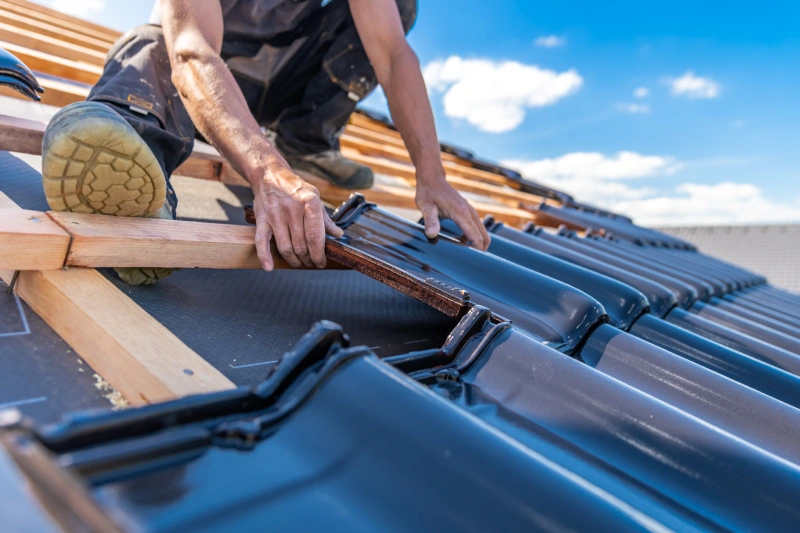
A roof repair normally addresses a specific defect or limited area. Replacement involves removing or covering a much larger section, potentially including the existing roof covering, underlay and other components.
The main difference is therefore the scope of work.
|
Factor |
Roof repair |
Full replacement |
|
Typical scope |
Localised |
Whole roof or major section |
|
Initial expenditure |
Usually lower |
Usually higher |
|
Time required |
Often shorter |
Usually longer |
|
Materials |
Limited quantity |
Larger quantity |
|
Access requirements |
May be simpler |
More extensive |
|
Suitable for |
Isolated defects |
Widespread deterioration |
|
Long-term outcome |
Extends existing roof life |
Provides a new roofing system |
These are broad comparisons rather than fixed rules. A complicated repair can sometimes cost more than expected, while a straightforward replacement may be relatively efficient depending on the property.
What Factors Affect Roof Repair Costs in Worthing?
The cost of roof repair cost Worthing projects depends on several variables rather than just the visible damage.
Important factors include:
- Type of roof
- Size and location of the defect
- Materials required
- Roof height and accessibility
- Condition of surrounding areas
- Whether specialist access equipment is needed
- Extent of water damage
- Disposal of damaged materials
- Complexity of the repair
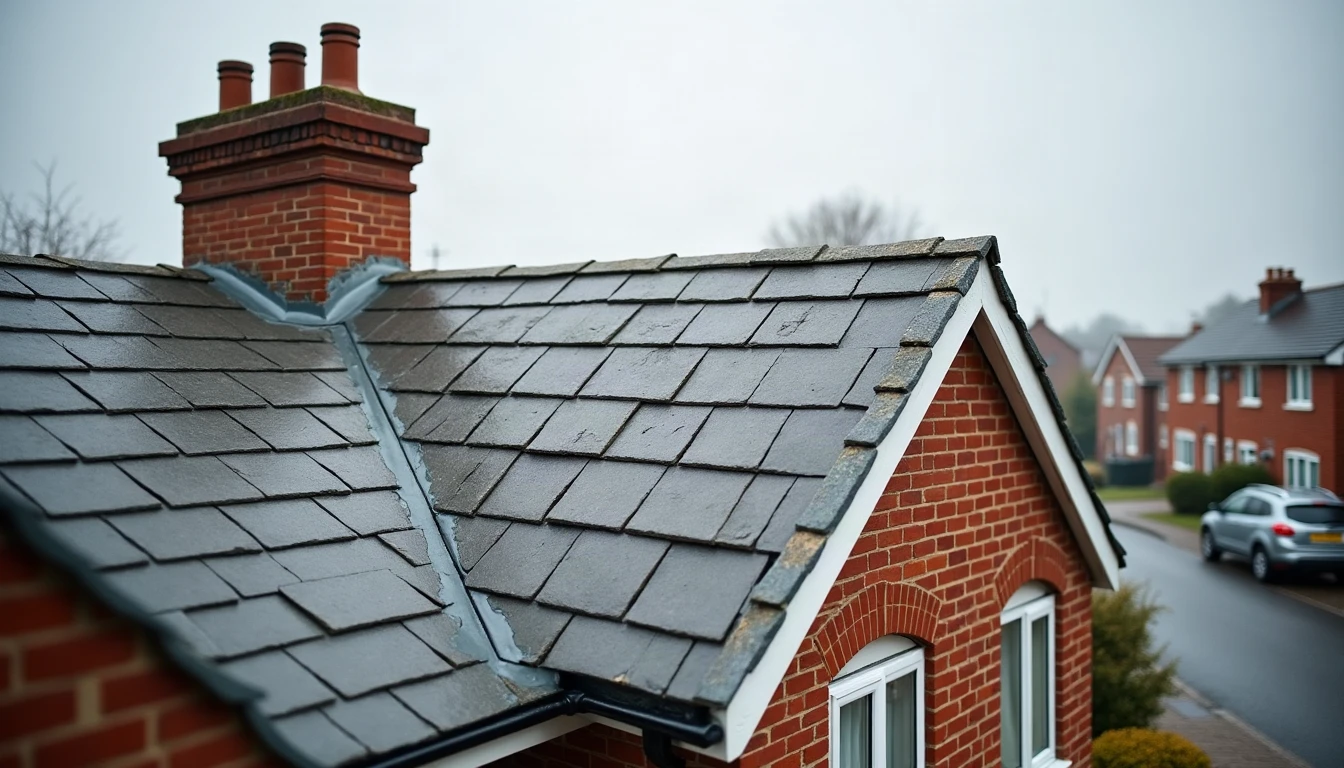
For example, replacing one accessible roof tile is very different from repairing damage around a chimney or valley.
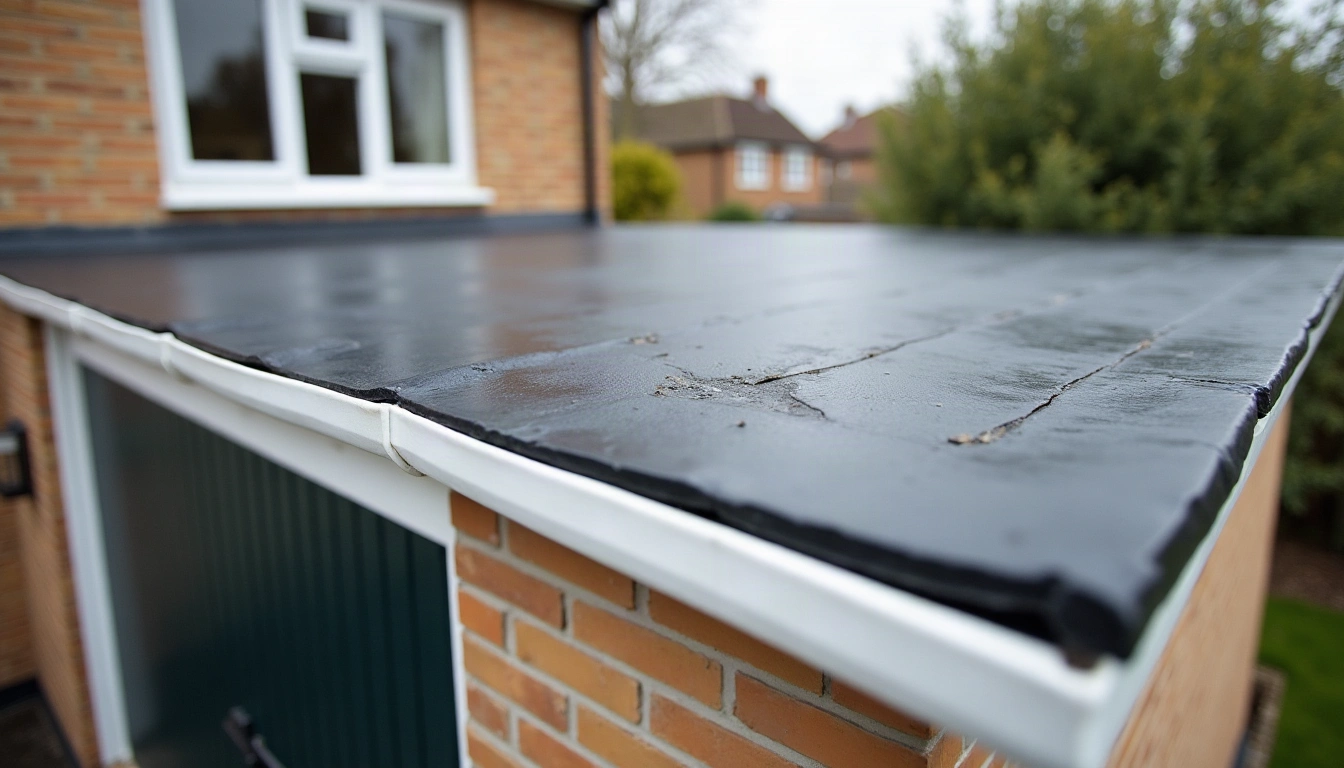
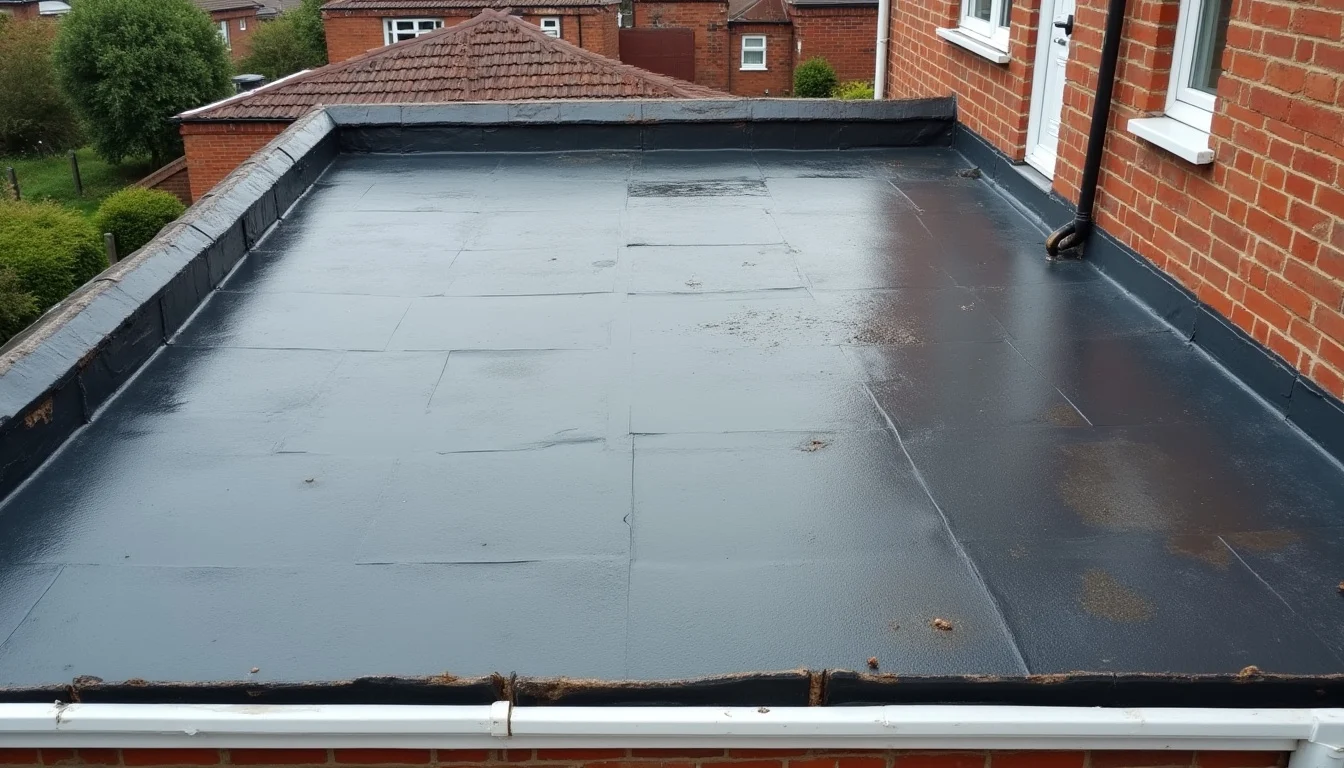
The same applies to flat roofs. A small membrane defect may be approached differently from widespread deterioration across the entire roof surface.
When Is a Roof Repair Usually the Better Financial Choice?
Repair is often the sensible option when the problem is clearly localised, and the surrounding roof remains in good condition.
Examples include:
- A small number of broken tiles
- Localised flashing damage
- A limited section of damaged felt
- One defective roof edge
- A small area of storm damage
If the rest of the roof is performing well, replacing everything because of one defect may provide little additional value.
A good assessment should therefore establish whether the problem is isolated before recommending more extensive work.
When Can Repair Costs Start Becoming Poor Value?
Repairs can become less economical when the roof has multiple unrelated defects or the same problem keeps returning.
Consider a roof that has needed:
- Several tile replacements
- Repeated leak repairs
- New flashing
- Edge repairs
- Additional patching
Each individual job may have been reasonable. But if another defect appears soon afterwards, the combined cost deserves closer consideration.
This is where the roof repair cost Worthing calculation needs to look beyond the next invoice. The likely service life of another repair matters too.
Spending less today is not necessarily the best financial decision if another repair is likely to be needed soon.
What Determines Roof Replacement Cost?
The roof replacement cost can vary substantially depending on the property and specification.
Factors can include:
- Roof size
- Roof design and pitch
- Chosen materials
- Access to the property
- Existing covering
- Condition of roof timbers
- Underlay requirements
- Flashing and ventilation
- Waste removal
- Additional preparation work
A simple pitched roof with straightforward access may involve a different level of work from a large, complex roof containing several junctions, dormers or extensions.
Homeowners should therefore be cautious about treating online price examples as an exact quotation for their own property.
Should You Compare the Cost Per Year Instead of the Initial Price?
It can be useful to think about the expected value of the work rather than just the upfront figure.
For example, imagine two options:
Option A: A lower-cost repair that may extend the useful life of an ageing roof for a limited period.
Option B: A larger investment that replaces a deteriorated roof and is expected to provide substantially longer service.
The second option requires more money initially, but that does not automatically make it worse value.
Equally, replacement is not automatically better. If a repair can reliably extend the life of a sound roof for many years, replacing the entire covering could be unnecessary expenditure.
The condition assessment is what makes the comparison meaningful.
How Does the Condition of the Roof Change the Calculation?
The wider the deterioration, the harder it becomes to justify repeated isolated repairs.
A professional assessment should look at:
- Main roof covering
- Fixings
- Flashing
- Underlay
- Roof edges
- Drainage
- Supporting timbers where accessible
- Previous repair areas
If only one component has failed, repair may be appropriate.
If several interconnected components are deteriorating, the economics can change.
Does Water Damage Increase the Cost of Roof Work?
It can.
A small roof defect may initially affect only the external covering. If water has been entering for an extended period, it can potentially affect insulation, timber, plasterboard and internal finishes.
This is one reason prompt investigation matters.
The final cost of a repair or replacement is influenced not only by what has failed externally but also by what lies beneath it.
A quotation should make clear whether any visible supporting damage is included and what assumptions have been made about concealed areas.
What Should Be Included in a Roofing Quote?
A useful quotation should make the scope of work clear.
Look for information about:
- Materials
- Labour
- Access equipment
- Removal of existing materials
- Waste disposal
- Repairs to supporting components
- Flashing or edge work
- Finishing details
- Guarantees
This makes it easier to compare quotations accurately.
Two prices can look very different because one includes additional preparation or associated repairs that another contractor has excluded.
What Type of Roof Do You Have?
Please select the roof type of your property. This helps us determine the best installation method and equipment for your home.
Flat Roof
Pitched Roof
It just takes 60 Sec
And then you can book a free consultation
Is the Cheapest Roof Quote the Best Option?
Not necessarily.
Price matters, but it needs to be considered alongside the proposed scope, materials and expected outcome.
A very low quote may be based on a limited repair that does not address the wider problem. A higher quote may include necessary work that another contractor has not identified.
When comparing roof repair cost Worthing, ask whether each quotation is addressing the same issue and includes broadly the same elements.
A Typical Worthing Cost Comparison Scenario
Consider an older terraced property where a roof has developed a leak.
An inspection identifies several damaged tiles, deteriorated flashing and evidence of previous repairs. A local repair would cost less immediately, but there is also evidence that other parts of the roof covering are approaching the end of their useful service life.
The homeowner compares the likely cost of continued repairs with a replacement project. The decision is then based on expected durability, not simply which option has the lowest initial price.
This is a more useful way to think about roofing expenditure.
When Is Replacement More Likely to Offer Better Value?
Replacement may be worth considering when:
- Deterioration is widespread
- Repairs are increasingly frequent
- Several major components need work
- Water damage has become extensive
- The roof is approaching the end of its practical service life
- Previous repairs have not provided lasting results
However, the decision should remain specific to the roof.
A professional assessment can help determine whether replacement is genuinely justified or whether a targeted repair remains the more sensible option.
How Can You Keep Future Roofing Costs Under Control?
Maintenance cannot prevent every problem, but it can help identify defects before they become more expensive.
Useful steps include:
- Keep gutters and drainage clear
- Monitor visible roof coverings
- Investigate leaks promptly
- Check flashing and roof edges
- Review previous repair areas
- Arrange inspections when recurring problems appear
Small maintenance costs can sometimes prevent more extensive damage.
It is also useful to keep records of previous roofing work. Knowing what has already been repaired can help identify recurring patterns.
Final Thoughts
Comparing repair and replacement costs is not simply a matter of choosing the lower figure. The condition of the roof, expected durability, frequency of previous repairs and extent of deterioration all influence what represents good value.
A localised defect on a sound roof can often be repaired without unnecessary expenditure. When a roof has become increasingly unreliable, however, repeated repairs may no longer make financial sense.
For homeowners in Worthing, All Roofing Works can assess the condition of the roof and help explain whether targeted repair or more extensive work is appropriate. A clear understanding of the problem makes it easier to make a sensible long-term decision.
Related articles
What Type of Roof Do You Have?
Please select the roof type of your property. This helps us determine the best installation method and equipment for your home.
Flat Roof
Pitched Roof
Commercial Roof
At a glance
This guide helps Worthing homeowners compare both options properly, covering what affects pricing, when a repair is the smarter choice, and when replacement offers better long-term value based on your roof’s actual condition and durability.
Introduction
When a roof starts leaking or visible damage appears, one of the first questions homeowners ask is how much the work will cost. The difficulty is that there is no single price that applies to every roof.
A small repair and a full replacement are very different projects, and comparing them purely by the initial price can be misleading. A low-cost repair may make perfect sense when damage is localised, while repeated repairs on a deteriorating roof can eventually become poor value.
For Worthing homeowners, the most useful comparison is not simply repair versus replacement. It is the likely cost, durability and practicality of each option based on the actual condition of the roof.
What Is the Difference Between Repair and Replacement Costs?
A roof repair normally addresses a specific defect or limited area. Replacement involves removing or covering a much larger section, potentially including the existing roof covering, underlay and other components.
The main difference is therefore the scope of work.
|
Factor |
Roof repair |
Full replacement |
|
Typical scope |
Localised |
Whole roof or major section |
|
Initial expenditure |
Usually lower |
Usually higher |
|
Time required |
Often shorter |
Usually longer |
|
Materials |
Limited quantity |
Larger quantity |
|
Access requirements |
May be simpler |
More extensive |
|
Suitable for |
Isolated defects |
Widespread deterioration |
|
Long-term outcome |
Extends existing roof life |
Provides a new roofing system |
These are broad comparisons rather than fixed rules. A complicated repair can sometimes cost more than expected, while a straightforward replacement may be relatively efficient depending on the property.
What Factors Affect Roof Repair Costs in Worthing?
The cost of roof repair cost Worthing projects depends on several variables rather than just the visible damage.
Important factors include:
- Type of roof
- Size and location of the defect
- Materials required
- Roof height and accessibility
- Condition of surrounding areas
- Whether specialist access equipment is needed
- Extent of water damage
- Disposal of damaged materials
- Complexity of the repair
For example, replacing one accessible roof tile is very different from repairing damage around a chimney or valley.
The same applies to flat roofs. A small membrane defect may be approached differently from widespread deterioration across the entire roof surface.
When Is a Roof Repair Usually the Better Financial Choice?
Repair is often the sensible option when the problem is clearly localised, and the surrounding roof remains in good condition.
Examples include:
- A small number of broken tiles
- Localised flashing damage
- A limited section of damaged felt
- One defective roof edge
- A small area of storm damage
If the rest of the roof is performing well, replacing everything because of one defect may provide little additional value.
A good assessment should therefore establish whether the problem is isolated before recommending more extensive work.
When Can Repair Costs Start Becoming Poor Value?
Repairs can become less economical when the roof has multiple unrelated defects or the same problem keeps returning.
Consider a roof that has needed:
- Several tile replacements
- Repeated leak repairs
- New flashing
- Edge repairs
- Additional patching
Each individual job may have been reasonable. But if another defect appears soon afterwards, the combined cost deserves closer consideration.
This is where the roof repair cost Worthing calculation needs to look beyond the next invoice. The likely service life of another repair matters too.
Spending less today is not necessarily the best financial decision if another repair is likely to be needed soon.
What Determines Roof Replacement Cost?
The roof replacement cost can vary substantially depending on the property and specification.
Factors can include:
- Roof size
- Roof design and pitch
- Chosen materials
- Access to the property
- Existing covering
- Condition of roof timbers
- Underlay requirements
- Flashing and ventilation
- Waste removal
- Additional preparation work
A simple pitched roof with straightforward access may involve a different level of work from a large, complex roof containing several junctions, dormers or extensions.
Homeowners should therefore be cautious about treating online price examples as an exact quotation for their own property.
Should You Compare the Cost Per Year Instead of the Initial Price?
It can be useful to think about the expected value of the work rather than just the upfront figure.
For example, imagine two options:
Option A: A lower-cost repair that may extend the useful life of an ageing roof for a limited period.
Option B: A larger investment that replaces a deteriorated roof and is expected to provide substantially longer service.
The second option requires more money initially, but that does not automatically make it worse value.
Equally, replacement is not automatically better. If a repair can reliably extend the life of a sound roof for many years, replacing the entire covering could be unnecessary expenditure.
The condition assessment is what makes the comparison meaningful.
How Does the Condition of the Roof Change the Calculation?
The wider the deterioration, the harder it becomes to justify repeated isolated repairs.
A professional assessment should look at:
- Main roof covering
- Fixings
- Flashing
- Underlay
- Roof edges
- Drainage
- Supporting timbers where accessible
- Previous repair areas
If only one component has failed, repair may be appropriate.
If several interconnected components are deteriorating, the economics can change.
Does Water Damage Increase the Cost of Roof Work?
It can.
A small roof defect may initially affect only the external covering. If water has been entering for an extended period, it can potentially affect insulation, timber, plasterboard and internal finishes.
This is one reason prompt investigation matters.
The final cost of a repair or replacement is influenced not only by what has failed externally but also by what lies beneath it.
A quotation should make clear whether any visible supporting damage is included and what assumptions have been made about concealed areas.
What Should Be Included in a Roofing Quote?
A useful quotation should make the scope of work clear.
Look for information about:
- Materials
- Labour
- Access equipment
- Removal of existing materials
- Waste disposal
- Repairs to supporting components
- Flashing or edge work
- Finishing details
- Guarantees
This makes it easier to compare quotations accurately.
Two prices can look very different because one includes additional preparation or associated repairs that another contractor has excluded.
What Type of Roof Do You Have?
Please select the roof type of your property. This helps us determine the best installation method and equipment for your home.
Flat Roof
Pitched Roof
It just takes 60 Sec
And then you can book a free consultation
Is the Cheapest Roof Quote the Best Option?
Not necessarily.
Price matters, but it needs to be considered alongside the proposed scope, materials and expected outcome.
A very low quote may be based on a limited repair that does not address the wider problem. A higher quote may include necessary work that another contractor has not identified.
When comparing roof repair cost Worthing, ask whether each quotation is addressing the same issue and includes broadly the same elements.
A Typical Worthing Cost Comparison Scenario
Consider an older terraced property where a roof has developed a leak.
An inspection identifies several damaged tiles, deteriorated flashing and evidence of previous repairs. A local repair would cost less immediately, but there is also evidence that other parts of the roof covering are approaching the end of their useful service life.
The homeowner compares the likely cost of continued repairs with a replacement project. The decision is then based on expected durability, not simply which option has the lowest initial price.
This is a more useful way to think about roofing expenditure.
When Is Replacement More Likely to Offer Better Value?
Replacement may be worth considering when:
- Deterioration is widespread
- Repairs are increasingly frequent
- Several major components need work
- Water damage has become extensive
- The roof is approaching the end of its practical service life
- Previous repairs have not provided lasting results
However, the decision should remain specific to the roof.
A professional assessment can help determine whether replacement is genuinely justified or whether a targeted repair remains the more sensible option.
How Can You Keep Future Roofing Costs Under Control?
Maintenance cannot prevent every problem, but it can help identify defects before they become more expensive.
Useful steps include:
- Keep gutters and drainage clear
- Monitor visible roof coverings
- Investigate leaks promptly
- Check flashing and roof edges
- Review previous repair areas
- Arrange inspections when recurring problems appear
Small maintenance costs can sometimes prevent more extensive damage.
It is also useful to keep records of previous roofing work. Knowing what has already been repaired can help identify recurring patterns.
Final Thoughts
Comparing repair and replacement costs is not simply a matter of choosing the lower figure. The condition of the roof, expected durability, frequency of previous repairs and extent of deterioration all influence what represents good value.
A localised defect on a sound roof can often be repaired without unnecessary expenditure. When a roof has become increasingly unreliable, however, repeated repairs may no longer make financial sense.
For homeowners in Worthing, All Roofing Works can assess the condition of the roof and help explain whether targeted repair or more extensive work is appropriate. A clear understanding of the problem makes it easier to make a sensible long-term decision.
Related articles
What Type of Roof Do You Have?
Please select the roof type of your property. This helps us determine the best installation method and equipment for your home.
Flat Roof
Pitched Roof
Commercial Roof