Why Felt Roof Leaks Return and What Determines Whether a Repair Will Last in Worthing
A felt roof leak that keeps returning is often a sign of something bigger than a surface split.

Why you can trust our content
We understand that the roofing industry can be confusing, with plenty of outdated or misleading information. That’s why we rely only on trusted, proven sources to guide our advice and installations:






At a glance
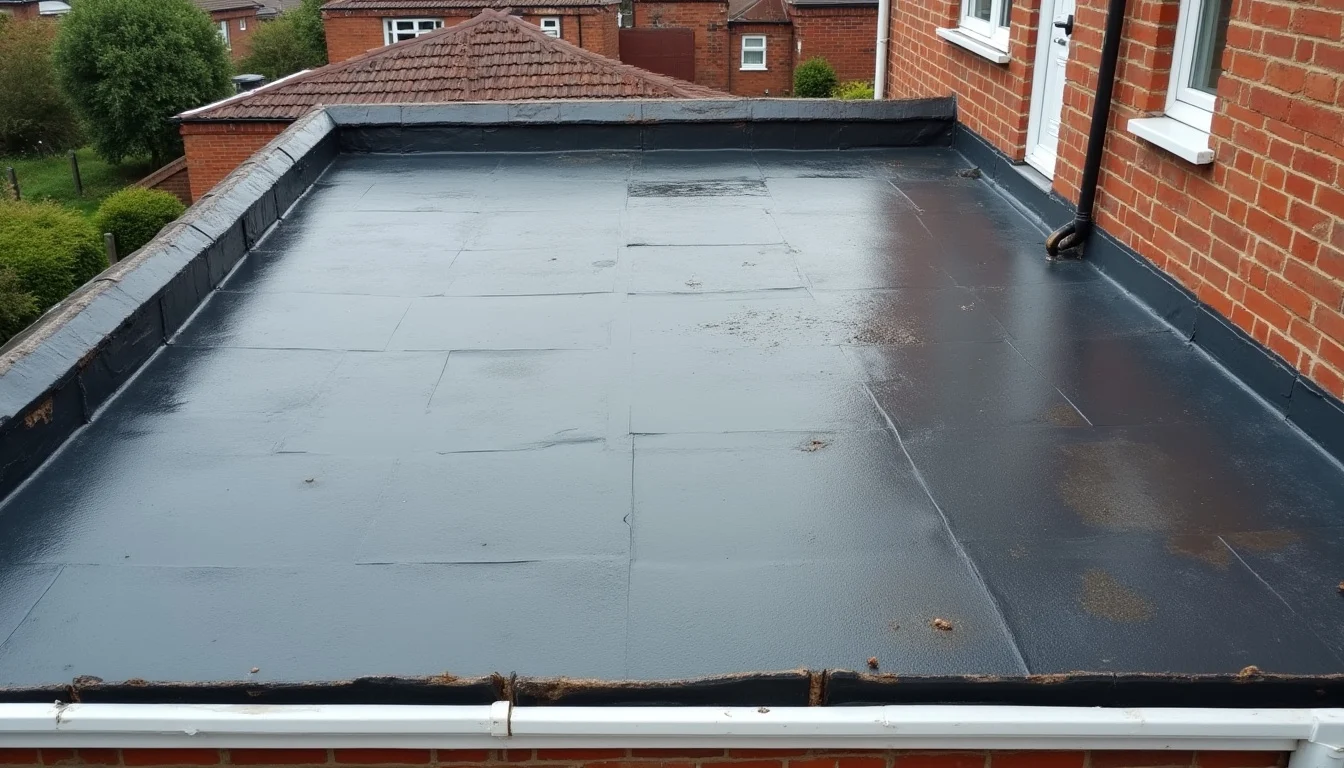
This guide explains how drainage, worn edges and earlier repairs affect whether a fix will last, and how Worthing homeowners can stop paying for the same patch twice.
Introduction
A felt roof can develop a leak that appears straightforward to fix, yet the same area may start leaking again after the next period of heavy rain. This can be frustrating, particularly when a previous repair seemed to solve the problem.
The reason is often that the visible leak is only part of the issue. Water can enter through one point, travel beneath the felt and emerge somewhere else. Problems with drainage, roof edges, joints or the condition of the underlying structure can also contribute to repeated failures.
Understanding why leaks return can help homeowners make better decisions about repairs and avoid simply treating the same symptom over and over again.
Why do felt roof leaks come back?
Repeated leaks usually happen because the original cause has not been fully resolved, the repair was only temporary or another defect is allowing water into the same area.
Common causes include:
- Cracked or split felt
- Failed joints
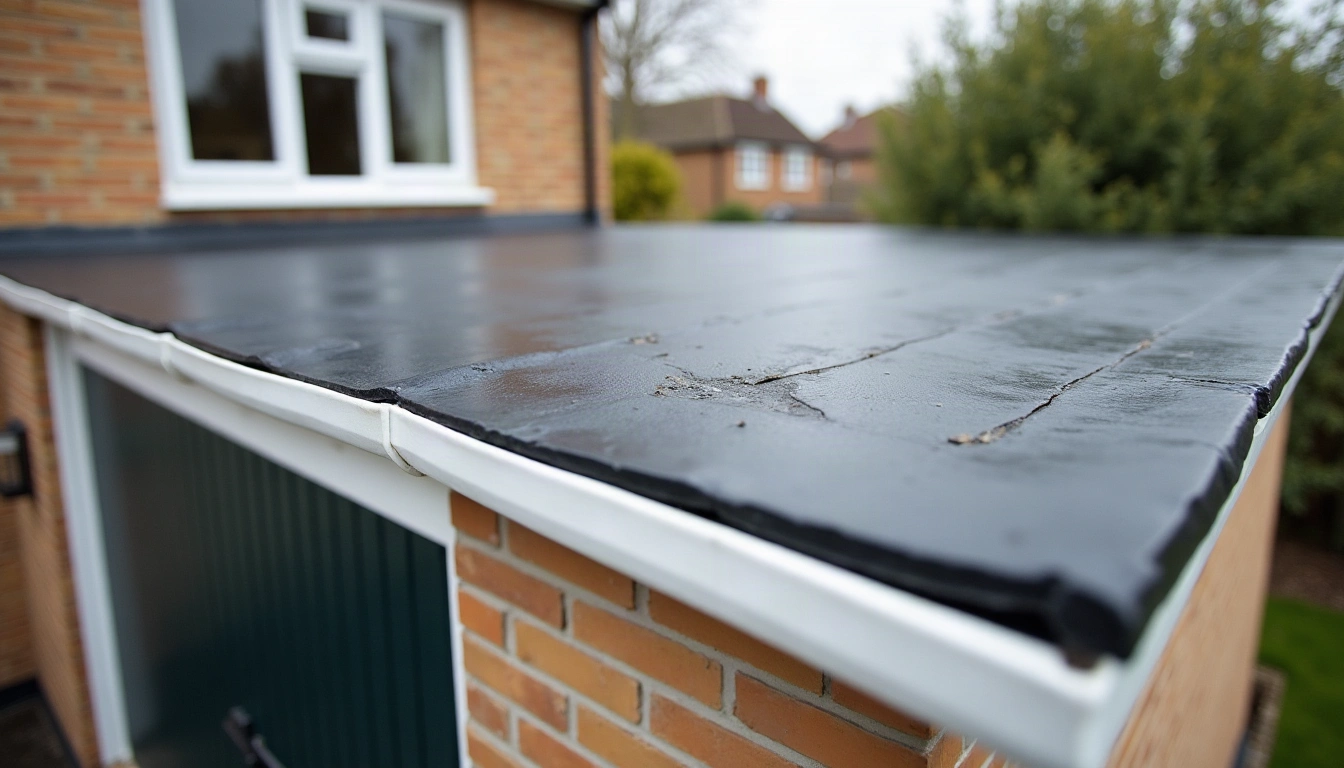
- Damaged roof edges
- Poorly sealed penetrations
- Blocked drainage
- Standing water
- Movement within the roof structure
- Deteriorated underlying materials
- Ageing felt that has become brittle
A repair can only provide a durable result when it addresses the reason the roof failed in the first place.
For example, sealing a visible split may stop water entering at that exact point, but if the roof is holding standing water because of poor drainage, further deterioration may continue around the repaired section.
How can water travel beneath a felt roof?
Water does not always enter directly above the point where a leak appears indoors.
Once moisture gets beneath a roofing layer, it can move along boards, insulation or other surfaces before finding a route downwards. This means the ceiling stain inside a property may not correspond to the external location of the defect.
This is one reason felt roof repair Worthing properties need should begin with identifying the likely source of water ingress rather than simply repairing the area directly above the internal stain.
A professional inspection can help trace the problem by looking at the roof covering, junctions, edges and drainage arrangements.
[Internal Link Placeholder: Link to service page – Felt Roof Repairs]
What causes felt roofs to deteriorate?
Felt roofing materials are exposed to changing weather conditions throughout the year. Repeated heating and cooling, rainfall, wind and general ageing can gradually affect the covering.
Some areas are particularly vulnerable, including:
- Roof edges
- Corners
- Joints between sections
- Around pipes and other penetrations
- Areas where water regularly collects
- Sections exposed to frequent foot traffic
Previous repairs can also influence how a roof performs. Multiple layers of patching or sealant may eventually make it harder to identify the original source of a leak.
Does standing water affect the lifespan of a felt roof?
Yes. Persistent standing water can place additional stress on the roof covering and create conditions where deterioration progresses more quickly.
A flat roof is designed to manage rainfall through falls and drainage points. When these do not work effectively, water can remain on the surface for extended periods.
Standing water may result from:
- Blocked outlets
- Poorly positioned drainage
- Changes in the roof structure
- Deteriorated surfaces
- Debris collecting around drainage points
If pooling is a recurring feature, simply repairing a leak may not provide a lasting solution.
How can you tell whether a felt roof repair is likely to last?
A durable repair depends on more than the material used to patch the visible defect.
A roofer should consider:
|
Factor |
Why it matters |
|
Age of the roof |
Older materials may be more prone to widespread deterioration |
|
Extent of damage |
Multiple defects may indicate a broader problem |
|
Drainage |
Standing water can undermine repairs |
|
Roof edges |
Failed edges can allow water beneath the covering |
|
Previous repairs |
Repeated patching may indicate recurring failure |
|
Underlying structure |
Movement or deterioration can affect the roof surface |
|
Surrounding materials |
Adjacent defects may allow continued water ingress |
The goal is to establish whether the roof has enough remaining serviceable material for a repair to be worthwhile.
Is a patch always the best solution for a leaking felt roof?
No. A patch can be perfectly appropriate when the defect is isolated and the surrounding roof remains sound.
However, a roof with widespread cracking, blistering, failed edges and recurring leaks may require a different approach.
The important distinction is between repairing a defect and managing a roof that is approaching the end of its useful life.
A professional roof leak repair Worthing homeowners arrange should therefore take account of the roof’s overall condition rather than focusing exclusively on the size of the visible hole or split.
What Type of Roof Do You Have?
Please select the roof type of your property. This helps us determine the best installation method and equipment for your home.
Flat Roof
Pitched Roof
It just takes 60 Sec
And then you can book a free consultation
What should be checked before repairing a recurring leak?
A recurring leak deserves a more detailed assessment than a first-time, clearly identifiable defect.
The inspection should consider:
- Where water is entering
- How it is moving beneath the roof
- Whether the surface has multiple defects
- Whether drainage is working properly
- The condition of edges and junctions
- Previous repairs
- Evidence of internal moisture
- The condition of underlying materials where accessible
This helps determine whether the problem can be dealt with locally or whether wider work is more appropriate.
Can poor drainage cause a repair to fail?
Yes. Drainage is one of the most important considerations for a flat roof.
Imagine a repaired section that remains surrounded by standing water after every period of rainfall. Even if the original split has been properly sealed, the surrounding conditions continue placing stress on the roof covering.
This is why drainage should be considered as part of the wider repair strategy.
A repair that addresses the covering but ignores a persistent drainage problem may not provide the long-term result the homeowner expects.
Does repeated repair mean the roof needs replacing?
Not necessarily.
Several successful repairs over many years do not automatically mean replacement is required. What matters is the condition of the roof today and whether further repairs are technically sensible.
Replacement becomes more worth considering when:
- Damage is widespread
- The covering has significantly deteriorated
- Leaks occur in multiple areas
- Previous repairs repeatedly fail
- The roof structure has been affected
- Drainage problems cannot be effectively resolved
A roof inspection can help establish whether repair or replacement represents the more sensible long-term option.
A typical Worthing example
Consider a typical flat-roofed rear extension in Worthing. The homeowner notices a damp patch after heavy rain and arranges a local repair. For several months, the ceiling remains dry.
The leak then returns during a period of prolonged rainfall. A closer inspection finds that the original problem was not simply a small tear. Water has also been collecting near the roof outlet, while the edge detailing has deteriorated.
Rather than applying another patch to the same area, the repair strategy needs to address the damaged edge and drainage issue as well as the roof covering.
This illustrates why the cause of a recurring leak matters just as much as the visible symptom.
How can homeowners reduce the risk of recurring felt roof leaks?
Regular checks can help identify problems before they become serious.
Useful maintenance includes:
- Keeping drainage outlets clear
- Removing suitable debris safely
- Watching for new areas of pooling
- Checking visible roof edges
- Monitoring internal ceilings for staining
- Arranging professional inspections when defects appear
- Keeping records of previous repairs
It is also sensible to avoid unnecessary foot traffic on a felt roof. Walking on the surface can damage some roofing systems, particularly where the covering is already aged.
[Internal Link Placeholder: Link to service page – Roof Inspection]
When should you call a roofer about a recurring leak?
A professional assessment is sensible when a leak has returned after a previous repair, particularly if the cause is unclear.
The same applies where there are multiple damp patches, visible roof deterioration, persistent standing water or signs that the roof structure may have been affected.
Early investigation does not necessarily mean more extensive work will be required. In many cases, it simply provides a clearer picture of what is happening.
Conclusion
A recurring felt roof leak is often a sign that something more than a small surface defect needs to be considered. Water movement, drainage, roof edges, previous repairs and the condition of the wider covering can all influence whether a repair lasts.
The most effective approach is to understand the cause before deciding how to fix it. A local repair may be enough for a sound roof with an isolated defect, while a heavily deteriorated roof may need a more comprehensive solution.
If your felt roof has developed another leak, All Roofing Works can help assess the condition and provide clear, practical advice on the most suitable next step for your Worthing property.
Related articles
What Type of Roof Do You Have?
Please select the roof type of your property. This helps us determine the best installation method and equipment for your home.
Flat Roof
Pitched Roof
Commercial Roof
At a glance
This guide explains how drainage, worn edges and earlier repairs affect whether a fix will last, and how Worthing homeowners can stop paying for the same patch twice.
Introduction
A felt roof can develop a leak that appears straightforward to fix, yet the same area may start leaking again after the next period of heavy rain. This can be frustrating, particularly when a previous repair seemed to solve the problem.
The reason is often that the visible leak is only part of the issue. Water can enter through one point, travel beneath the felt and emerge somewhere else. Problems with drainage, roof edges, joints or the condition of the underlying structure can also contribute to repeated failures.
Understanding why leaks return can help homeowners make better decisions about repairs and avoid simply treating the same symptom over and over again.
Why do felt roof leaks come back?
Repeated leaks usually happen because the original cause has not been fully resolved, the repair was only temporary or another defect is allowing water into the same area.
Common causes include:
- Cracked or split felt
- Failed joints
- Damaged roof edges
- Poorly sealed penetrations
- Blocked drainage
- Standing water
- Movement within the roof structure
- Deteriorated underlying materials
- Ageing felt that has become brittle
A repair can only provide a durable result when it addresses the reason the roof failed in the first place.
For example, sealing a visible split may stop water entering at that exact point, but if the roof is holding standing water because of poor drainage, further deterioration may continue around the repaired section.
How can water travel beneath a felt roof?
Water does not always enter directly above the point where a leak appears indoors.
Once moisture gets beneath a roofing layer, it can move along boards, insulation or other surfaces before finding a route downwards. This means the ceiling stain inside a property may not correspond to the external location of the defect.
This is one reason felt roof repair Worthing properties need should begin with identifying the likely source of water ingress rather than simply repairing the area directly above the internal stain.
A professional inspection can help trace the problem by looking at the roof covering, junctions, edges and drainage arrangements.
[Internal Link Placeholder: Link to service page – Felt Roof Repairs]
What causes felt roofs to deteriorate?
Felt roofing materials are exposed to changing weather conditions throughout the year. Repeated heating and cooling, rainfall, wind and general ageing can gradually affect the covering.
Some areas are particularly vulnerable, including:
- Roof edges
- Corners
- Joints between sections
- Around pipes and other penetrations
- Areas where water regularly collects
- Sections exposed to frequent foot traffic
Previous repairs can also influence how a roof performs. Multiple layers of patching or sealant may eventually make it harder to identify the original source of a leak.
Does standing water affect the lifespan of a felt roof?
Yes. Persistent standing water can place additional stress on the roof covering and create conditions where deterioration progresses more quickly.
A flat roof is designed to manage rainfall through falls and drainage points. When these do not work effectively, water can remain on the surface for extended periods.
Standing water may result from:
- Blocked outlets
- Poorly positioned drainage
- Changes in the roof structure
- Deteriorated surfaces
- Debris collecting around drainage points
If pooling is a recurring feature, simply repairing a leak may not provide a lasting solution.
How can you tell whether a felt roof repair is likely to last?
A durable repair depends on more than the material used to patch the visible defect.
A roofer should consider:
|
Factor |
Why it matters |
|
Age of the roof |
Older materials may be more prone to widespread deterioration |
|
Extent of damage |
Multiple defects may indicate a broader problem |
|
Drainage |
Standing water can undermine repairs |
|
Roof edges |
Failed edges can allow water beneath the covering |
|
Previous repairs |
Repeated patching may indicate recurring failure |
|
Underlying structure |
Movement or deterioration can affect the roof surface |
|
Surrounding materials |
Adjacent defects may allow continued water ingress |
The goal is to establish whether the roof has enough remaining serviceable material for a repair to be worthwhile.
Is a patch always the best solution for a leaking felt roof?
No. A patch can be perfectly appropriate when the defect is isolated and the surrounding roof remains sound.
However, a roof with widespread cracking, blistering, failed edges and recurring leaks may require a different approach.
The important distinction is between repairing a defect and managing a roof that is approaching the end of its useful life.
A professional roof leak repair Worthing homeowners arrange should therefore take account of the roof’s overall condition rather than focusing exclusively on the size of the visible hole or split.
What Type of Roof Do You Have?
Please select the roof type of your property. This helps us determine the best installation method and equipment for your home.
Flat Roof
Pitched Roof
It just takes 60 Sec
And then you can book a free consultation
What should be checked before repairing a recurring leak?
A recurring leak deserves a more detailed assessment than a first-time, clearly identifiable defect.
The inspection should consider:
- Where water is entering
- How it is moving beneath the roof
- Whether the surface has multiple defects
- Whether drainage is working properly
- The condition of edges and junctions
- Previous repairs
- Evidence of internal moisture
- The condition of underlying materials where accessible
This helps determine whether the problem can be dealt with locally or whether wider work is more appropriate.
Can poor drainage cause a repair to fail?
Yes. Drainage is one of the most important considerations for a flat roof.
Imagine a repaired section that remains surrounded by standing water after every period of rainfall. Even if the original split has been properly sealed, the surrounding conditions continue placing stress on the roof covering.
This is why drainage should be considered as part of the wider repair strategy.
A repair that addresses the covering but ignores a persistent drainage problem may not provide the long-term result the homeowner expects.
Does repeated repair mean the roof needs replacing?
Not necessarily.
Several successful repairs over many years do not automatically mean replacement is required. What matters is the condition of the roof today and whether further repairs are technically sensible.
Replacement becomes more worth considering when:
- Damage is widespread
- The covering has significantly deteriorated
- Leaks occur in multiple areas
- Previous repairs repeatedly fail
- The roof structure has been affected
- Drainage problems cannot be effectively resolved
A roof inspection can help establish whether repair or replacement represents the more sensible long-term option.
A typical Worthing example
Consider a typical flat-roofed rear extension in Worthing. The homeowner notices a damp patch after heavy rain and arranges a local repair. For several months, the ceiling remains dry.
The leak then returns during a period of prolonged rainfall. A closer inspection finds that the original problem was not simply a small tear. Water has also been collecting near the roof outlet, while the edge detailing has deteriorated.
Rather than applying another patch to the same area, the repair strategy needs to address the damaged edge and drainage issue as well as the roof covering.
This illustrates why the cause of a recurring leak matters just as much as the visible symptom.
How can homeowners reduce the risk of recurring felt roof leaks?
Regular checks can help identify problems before they become serious.
Useful maintenance includes:
- Keeping drainage outlets clear
- Removing suitable debris safely
- Watching for new areas of pooling
- Checking visible roof edges
- Monitoring internal ceilings for staining
- Arranging professional inspections when defects appear
- Keeping records of previous repairs
It is also sensible to avoid unnecessary foot traffic on a felt roof. Walking on the surface can damage some roofing systems, particularly where the covering is already aged.
[Internal Link Placeholder: Link to service page – Roof Inspection]
When should you call a roofer about a recurring leak?
A professional assessment is sensible when a leak has returned after a previous repair, particularly if the cause is unclear.
The same applies where there are multiple damp patches, visible roof deterioration, persistent standing water or signs that the roof structure may have been affected.
Early investigation does not necessarily mean more extensive work will be required. In many cases, it simply provides a clearer picture of what is happening.
Conclusion
A recurring felt roof leak is often a sign that something more than a small surface defect needs to be considered. Water movement, drainage, roof edges, previous repairs and the condition of the wider covering can all influence whether a repair lasts.
The most effective approach is to understand the cause before deciding how to fix it. A local repair may be enough for a sound roof with an isolated defect, while a heavily deteriorated roof may need a more comprehensive solution.
If your felt roof has developed another leak, All Roofing Works can help assess the condition and provide clear, practical advice on the most suitable next step for your Worthing property.
Related articles
What Type of Roof Do You Have?
Please select the roof type of your property. This helps us determine the best installation method and equipment for your home.
Flat Roof
Pitched Roof
Commercial Roof