How to Choose a Roofing Company When Repair, Replacement or a New Roof Are All Options in Worthing
Choosing a roofer can become particularly difficult when the problem is not as simple as replacing one broken tile.

Why you can trust our content
We understand that the roofing industry can be confusing, with plenty of outdated or misleading information. That’s why we rely only on trusted, proven sources to guide our advice and installations:





At a glance
One contractor may recommend a repair, another may suggest replacing part of the roof, while a third may advise that the most sensible long-term option is a completely new covering.
Those recommendations can all sound reasonable, especially if you cannot easily see the condition of the roof yourself. The important question is not simply which company offers the lowest price. It is whether the contractor has properly assessed the roof, explained why a particular option is being recommended and given you enough information to make a confident decision.
When repair, replacement and renewal are all realistic possibilities, choosing the right roof repair company should start with the quality of its diagnosis rather than the size of its quotation.
Should a roofing company recommend repair or replacement immediately?
Not usually before the roof has been properly assessed.
A contractor may have an initial idea based on the symptoms you describe, but the final recommendation should take account of the actual condition of the roof.
Important factors can include:
- The location and extent of the damage
- Whether problems are isolated or widespread
- The condition of surrounding tiles, slates or roof coverings
- Whether water has reached materials underneath
- The number and condition of previous repairs
- The age and performance of the roof
- Whether the same defects keep returning
- The condition of flashings, valleys and roof junctions
- Whether there are signs of structural movement
A good contractor should be willing to distinguish between what needs attention now and what might simply need monitoring.
That can help prevent a homeowner from paying for unnecessary replacement while also avoiding repeated small repairs to a roof that is deteriorating more widely.
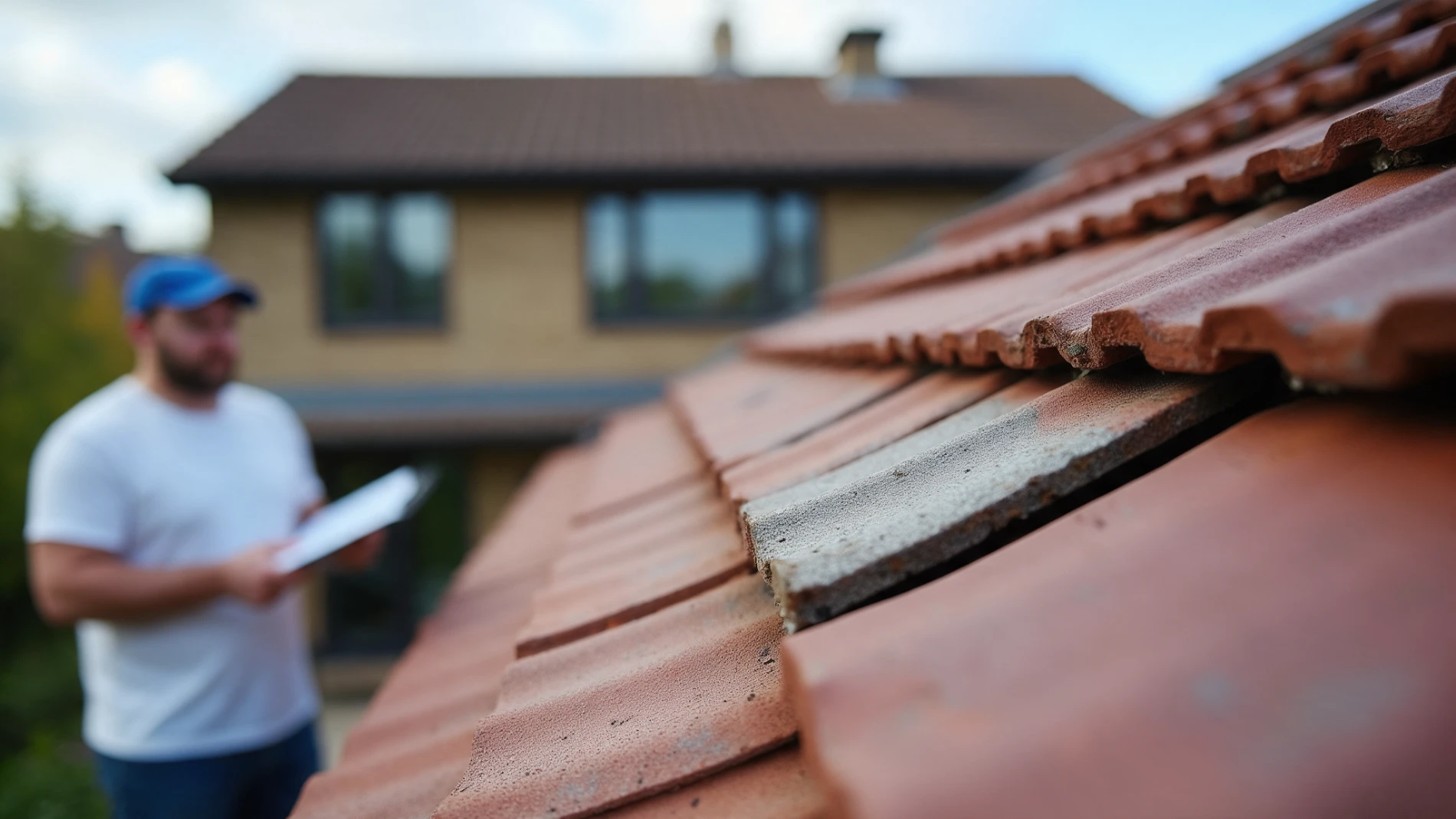
What should a roofer inspect before recommending the work?
The inspection should match the problem.
If there is one obvious broken tile after an isolated incident, the assessment may be relatively straightforward. If there are recurring leaks, multiple damaged sections or concerns about the overall condition of the roof, the inspection should be broader.
A roofer may need to look at:
- The main roof covering
- Ridge and verge details
- Roof valleys
- Chimney flashing
- Flat roof sections
- Previous repair areas
- Gutters and drainage
- Roof penetrations
- Visible underlay
- Timber or decking where accessible
- Internal damp or staining
- Signs of movement or sagging
The purpose is not to create a long list of faults for the sake of it. The purpose is to establish whether the visible problem is isolated or connected to wider deterioration.
This distinction becomes particularly important when roof replacement in Worthing is being discussed. Homeowners should understand what evidence has led to that recommendation and why another local repair may or may not be appropriate.
How can you tell if the recommendation is proportionate?
A useful roofing recommendation should explain both the problem and the proposed solution.
For example, if a contractor recommends replacing a substantial section of tiled roof, they should be able to explain why repairing two visibly damaged tiles would not provide an adequate result.
Likewise, if a repair is recommended, it should be clear why the surrounding roof is considered sufficiently sound to make that work worthwhile.
A proportionate recommendation usually answers:
- What has failed?
- Why has it failed?
- How much of the roof is affected?
- What happens if only the visible damage is repaired?
- Are there alternative repair options?
- Why is the proposed solution expected to last?
- Is any additional work optional rather than essential?
You should not feel pressured into choosing the most extensive option simply because it has been presented first.
Repair, partial replacement or new roof: how do the options differ?
There is no universal point at which repair automatically becomes replacement.
The decision depends on the roof.
|
Option |
More likely to suit |
What to consider |
|
Local repair |
Isolated damage on an otherwise sound roof |
Condition of surrounding materials |
|
Larger repair |
Several connected defects in one area |
Whether the underlying cause is resolved |
|
Partial replacement |
One roof section has deteriorated significantly |
How new and existing sections will work together |
|
Full replacement |
Widespread deterioration or repeated failures |
Long-term value and whole-roof condition |
|
New roofing system |
Existing covering is unsuitable or extensively deteriorated |
Material choice, specification and installation |
A single leak does not automatically justify replacement. Equally, continuing to repair different areas every few months may eventually stop representing good value.
The best option should balance the current condition of the roof with the likely benefit of the work.
What should be included in a roofing quotation?
Price is important, but a useful quotation should give you enough detail to understand what you are actually comparing.
Two figures that look dramatically different may not cover the same work.
Check whether the quotation explains:
- The area being repaired or replaced
- Materials being used
- Removal of damaged or existing roofing
- Access or scaffolding requirements
- Disposal of waste
- Flashing or junction work
- Replacement of damaged underlying materials where applicable
- Finishing work
- Any warranties or guarantees provided
- Whether VAT is included where relevant
- What happens if hidden damage is found
The more clearly the scope is defined, the easier it is to compare different roofing companies fairly.
A cheaper quote may simply include less work. A higher quote does not automatically mean better quality either.
The question is whether the proposed work matches the condition of the roof.
What questions should you ask a roofing company?
You do not need detailed technical knowledge to make a good decision.
Asking a few practical questions can reveal a lot about how the contractor has approached the assessment.
Consider asking:
- What evidence shows that this work is necessary?
- Could the roof still be repaired?
- Why would you recommend replacement instead?
- Are there any areas that do not currently need work?
- What materials will be used?
- What happens if damage is found underneath?
- How will the property be protected during the work?
- Is the proposed solution temporary or long-term?
- What guarantee or warranty applies?
- Will I receive the scope of work in writing?
A reliable roof repair company should be comfortable explaining its recommendation in plain language.
Be cautious if you are told that major work is urgently required but receive little explanation about what has actually failed.
How should you compare two very different roofing quotes?
Start by comparing scope before comparing price.
Imagine one contractor quotes for replacing damaged tiles and repairing a roof junction. Another quotes for replacing the entire roof slope.
Those are not two prices for the same job.
Ask each contractor to explain what they have found and why their scope differs.
You might discover that:
- One has identified deterioration the other has not
- One quote includes scaffolding while another does not
- Different roofing materials have been specified
- One contractor is proposing short-term repair
- One recommendation includes underlying roof work
- Guarantees differ
- Waste disposal or finishing details differ
Where roof replacement in Worthing is being considered, it can be particularly useful to understand the expected advantage of replacement over continued repair.
The decision should be based on what the additional investment achieves, not simply on whether one quotation is larger.
When does a new roof become worth considering?
There are situations where continuing to repair a roof may no longer be the most practical option.
Signs that broader work deserves consideration can include:
- Repairs becoming increasingly frequent
- Leaks appearing in several unrelated areas
- Large sections of roof covering deteriorating
- Widespread fixing problems
- Significant issues with underlying materials
- Multiple temporary repairs
- Several roof components reaching a similar condition
- Repair costs becoming substantial over a short period
None of these means replacement is automatically required.
The contractor still needs to assess whether the defects are genuinely widespread and whether a less extensive solution could provide reasonable service.
If you are considering a new roof in Worthing, the discussion should also move beyond simply removing the old covering. Materials, ventilation, roof details, drainage, insulation requirements and the expected use of the property may all influence the final specification.
Does experience with the roof type matter?
Yes.
Roofing is a broad trade, and different systems require different installation and repair methods.
A company working on a traditional pitched slate roof may need to consider different details from one repairing a modern flat roofing system.
Relevant experience may include:
- Pitched tiled roofs
- Natural slate
- Flat roofing systems
- Felt roofing
- Chimney and flashing work
- Roof valleys
- Storm damage
- Full roof replacement
This becomes especially important if the problem involves several roofing elements at the same time.
You should be able to ask how the contractor intends to deal with the particular roof type and receive a clear answer.
What Type of Roof Do You Have?
Please select the roof type of your property. This helps us determine the best installation method and equipment for your home.
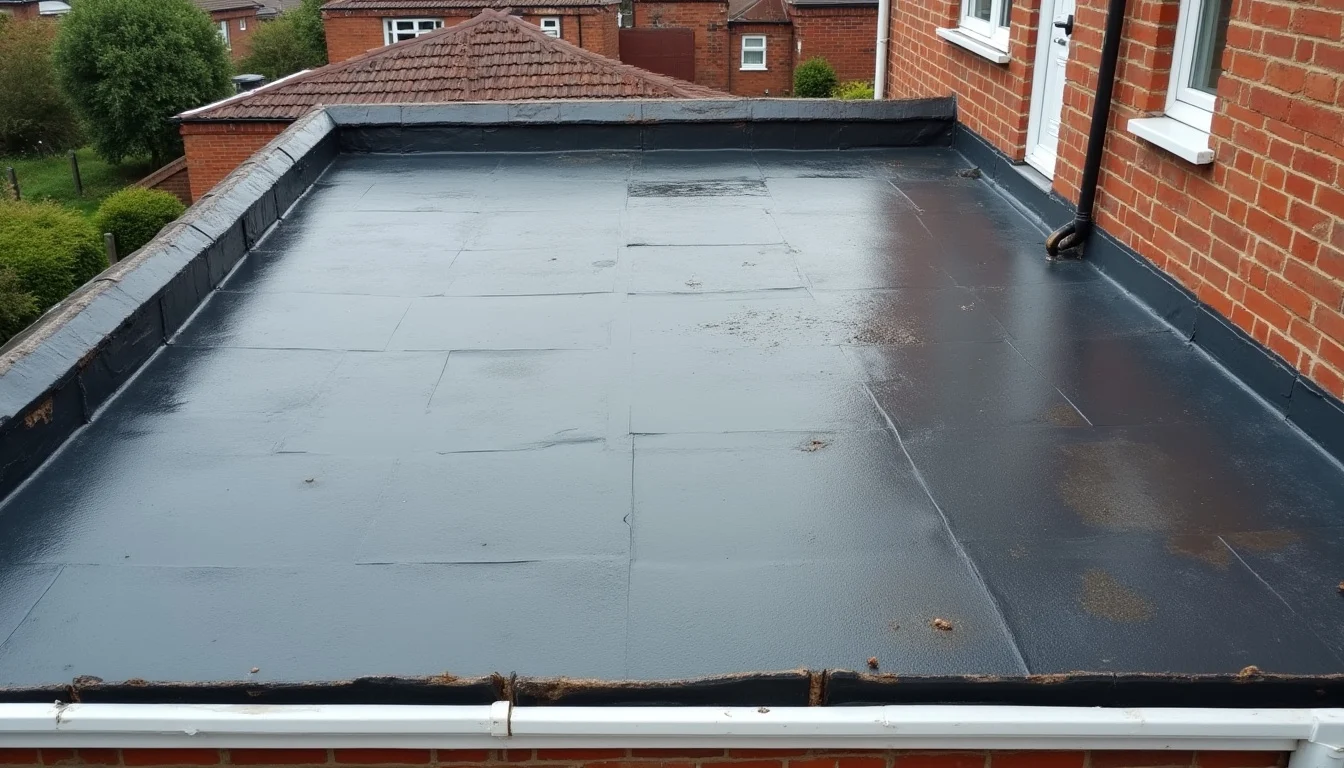
Flat Roof
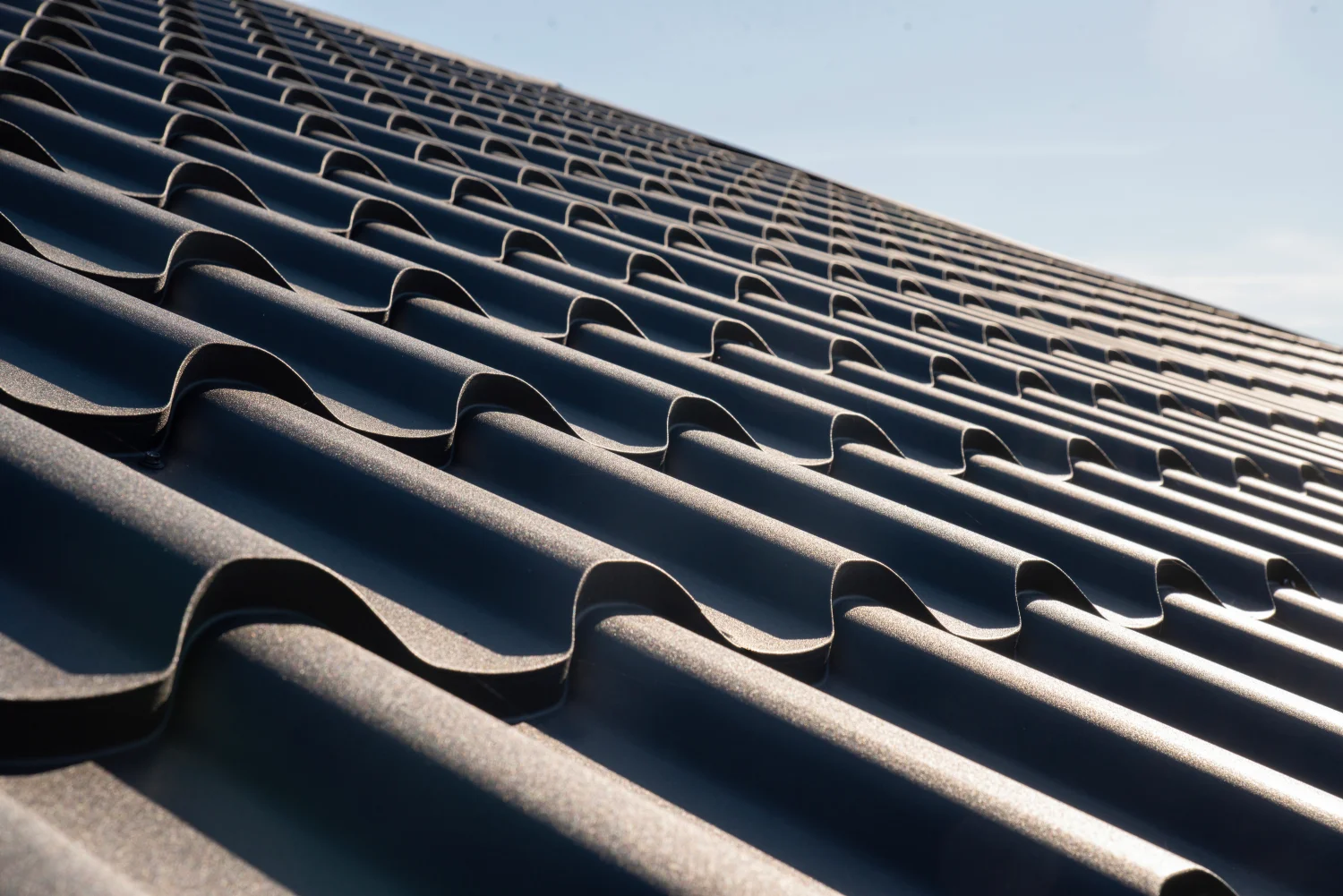
Pitched Roof
It just takes 60 Sec
And then you can book a free consultation
Should warranties influence your decision?
They should form part of the decision, but not replace proper assessment of the workmanship and specification.
Ask what the warranty covers, how long it lasts and whether there are any conditions.
It is useful to distinguish between:
- Manufacturer product warranties
- Workmanship guarantees
- Insurance-backed guarantees where offered
A long headline figure is less useful if you do not understand what it actually covers.
The work should first be appropriate for the property and completed correctly. Warranty protection then provides additional reassurance rather than making a weak specification acceptable.
What are the warning signs when choosing a roofing contractor?
Most homeowners are not roofing experts, so communication and transparency matter.
Potential warning signs include:
- Pressure to make an immediate decision without explanation
- Major work recommended without a meaningful inspection
- Vague descriptions of what will be done
- No written scope
- Reluctance to explain materials
- Unclear payment arrangements
- Unclear guarantees
- Recommendations that change significantly without explanation
A professional contractor should make the decision easier to understand.
Choosing a roof repair company should leave you clearer about the condition of your roof, not more confused about what you are buying.
Choose the company that explains the decision clearly
Choosing between repair, partial replacement and a completely new roof is not simply a question of finding the lowest quote.
The quality of the inspection, the reasoning behind the recommendation and the detail within the proposed work are equally important.
A good contractor should be willing to explain what has failed, what remains serviceable and why a particular option represents a sensible solution for the property.
For homeowners across Worthing and the wider West Sussex area, that makes it easier to make a decision based on evidence rather than pressure.
All Roofing Works can assess roofing problems ranging from localised damage through to larger replacement projects, helping homeowners understand the condition of their roof and the options available.
Related articles
What Type of Roof Do You Have?
Please select the roof type of your property. This helps us determine the best installation method and equipment for your home.
Flat Roof
Pitched Roof
Commercial Roof
At a glance
One contractor may recommend a repair, another may suggest replacing part of the roof, while a third may advise that the most sensible long-term option is a completely new covering.
Those recommendations can all sound reasonable, especially if you cannot easily see the condition of the roof yourself. The important question is not simply which company offers the lowest price. It is whether the contractor has properly assessed the roof, explained why a particular option is being recommended and given you enough information to make a confident decision.
When repair, replacement and renewal are all realistic possibilities, choosing the right roof repair company should start with the quality of its diagnosis rather than the size of its quotation.
Should a roofing company recommend repair or replacement immediately?
Not usually before the roof has been properly assessed.
A contractor may have an initial idea based on the symptoms you describe, but the final recommendation should take account of the actual condition of the roof.
Important factors can include:
- The location and extent of the damage
- Whether problems are isolated or widespread
- The condition of surrounding tiles, slates or roof coverings
- Whether water has reached materials underneath
- The number and condition of previous repairs
- The age and performance of the roof
- Whether the same defects keep returning
- The condition of flashings, valleys and roof junctions
- Whether there are signs of structural movement
A good contractor should be willing to distinguish between what needs attention now and what might simply need monitoring.
That can help prevent a homeowner from paying for unnecessary replacement while also avoiding repeated small repairs to a roof that is deteriorating more widely.
What should a roofer inspect before recommending the work?
The inspection should match the problem.
If there is one obvious broken tile after an isolated incident, the assessment may be relatively straightforward. If there are recurring leaks, multiple damaged sections or concerns about the overall condition of the roof, the inspection should be broader.
A roofer may need to look at:
- The main roof covering
- Ridge and verge details
- Roof valleys
- Chimney flashing
- Flat roof sections
- Previous repair areas
- Gutters and drainage
- Roof penetrations
- Visible underlay
- Timber or decking where accessible
- Internal damp or staining
- Signs of movement or sagging
The purpose is not to create a long list of faults for the sake of it. The purpose is to establish whether the visible problem is isolated or connected to wider deterioration.
This distinction becomes particularly important when roof replacement in Worthing is being discussed. Homeowners should understand what evidence has led to that recommendation and why another local repair may or may not be appropriate.
How can you tell if the recommendation is proportionate?
A useful roofing recommendation should explain both the problem and the proposed solution.
For example, if a contractor recommends replacing a substantial section of tiled roof, they should be able to explain why repairing two visibly damaged tiles would not provide an adequate result.
Likewise, if a repair is recommended, it should be clear why the surrounding roof is considered sufficiently sound to make that work worthwhile.
A proportionate recommendation usually answers:
- What has failed?
- Why has it failed?
- How much of the roof is affected?
- What happens if only the visible damage is repaired?
- Are there alternative repair options?
- Why is the proposed solution expected to last?
- Is any additional work optional rather than essential?
You should not feel pressured into choosing the most extensive option simply because it has been presented first.
Repair, partial replacement or new roof: how do the options differ?
There is no universal point at which repair automatically becomes replacement.
The decision depends on the roof.
|
Option |
More likely to suit |
What to consider |
|
Local repair |
Isolated damage on an otherwise sound roof |
Condition of surrounding materials |
|
Larger repair |
Several connected defects in one area |
Whether the underlying cause is resolved |
|
Partial replacement |
One roof section has deteriorated significantly |
How new and existing sections will work together |
|
Full replacement |
Widespread deterioration or repeated failures |
Long-term value and whole-roof condition |
|
New roofing system |
Existing covering is unsuitable or extensively deteriorated |
Material choice, specification and installation |
A single leak does not automatically justify replacement. Equally, continuing to repair different areas every few months may eventually stop representing good value.
The best option should balance the current condition of the roof with the likely benefit of the work.
What should be included in a roofing quotation?
Price is important, but a useful quotation should give you enough detail to understand what you are actually comparing.
Two figures that look dramatically different may not cover the same work.
Check whether the quotation explains:
- The area being repaired or replaced
- Materials being used
- Removal of damaged or existing roofing
- Access or scaffolding requirements
- Disposal of waste
- Flashing or junction work
- Replacement of damaged underlying materials where applicable
- Finishing work
- Any warranties or guarantees provided
- Whether VAT is included where relevant
- What happens if hidden damage is found
The more clearly the scope is defined, the easier it is to compare different roofing companies fairly.
A cheaper quote may simply include less work. A higher quote does not automatically mean better quality either.
The question is whether the proposed work matches the condition of the roof.
What questions should you ask a roofing company?
You do not need detailed technical knowledge to make a good decision.
Asking a few practical questions can reveal a lot about how the contractor has approached the assessment.
Consider asking:
- What evidence shows that this work is necessary?
- Could the roof still be repaired?
- Why would you recommend replacement instead?
- Are there any areas that do not currently need work?
- What materials will be used?
- What happens if damage is found underneath?
- How will the property be protected during the work?
- Is the proposed solution temporary or long-term?
- What guarantee or warranty applies?
- Will I receive the scope of work in writing?
A reliable roof repair company should be comfortable explaining its recommendation in plain language.
Be cautious if you are told that major work is urgently required but receive little explanation about what has actually failed.
How should you compare two very different roofing quotes?
Start by comparing scope before comparing price.
Imagine one contractor quotes for replacing damaged tiles and repairing a roof junction. Another quotes for replacing the entire roof slope.
Those are not two prices for the same job.
Ask each contractor to explain what they have found and why their scope differs.
You might discover that:
- One has identified deterioration the other has not
- One quote includes scaffolding while another does not
- Different roofing materials have been specified
- One contractor is proposing short-term repair
- One recommendation includes underlying roof work
- Guarantees differ
- Waste disposal or finishing details differ
Where roof replacement in Worthing is being considered, it can be particularly useful to understand the expected advantage of replacement over continued repair.
The decision should be based on what the additional investment achieves, not simply on whether one quotation is larger.
When does a new roof become worth considering?
There are situations where continuing to repair a roof may no longer be the most practical option.
Signs that broader work deserves consideration can include:
- Repairs becoming increasingly frequent
- Leaks appearing in several unrelated areas
- Large sections of roof covering deteriorating
- Widespread fixing problems
- Significant issues with underlying materials
- Multiple temporary repairs
- Several roof components reaching a similar condition
- Repair costs becoming substantial over a short period
None of these means replacement is automatically required.
The contractor still needs to assess whether the defects are genuinely widespread and whether a less extensive solution could provide reasonable service.
If you are considering a new roof in Worthing, the discussion should also move beyond simply removing the old covering. Materials, ventilation, roof details, drainage, insulation requirements and the expected use of the property may all influence the final specification.
Does experience with the roof type matter?
Yes.
Roofing is a broad trade, and different systems require different installation and repair methods.
A company working on a traditional pitched slate roof may need to consider different details from one repairing a modern flat roofing system.
Relevant experience may include:
- Pitched tiled roofs
- Natural slate
- Flat roofing systems
- Felt roofing
- Chimney and flashing work
- Roof valleys
- Storm damage
- Full roof replacement
This becomes especially important if the problem involves several roofing elements at the same time.
You should be able to ask how the contractor intends to deal with the particular roof type and receive a clear answer.
What Type of Roof Do You Have?
Please select the roof type of your property. This helps us determine the best installation method and equipment for your home.
Flat Roof
Pitched Roof
It just takes 60 Sec
And then you can book a free consultation
Should warranties influence your decision?
They should form part of the decision, but not replace proper assessment of the workmanship and specification.
Ask what the warranty covers, how long it lasts and whether there are any conditions.
It is useful to distinguish between:
- Manufacturer product warranties
- Workmanship guarantees
- Insurance-backed guarantees where offered
A long headline figure is less useful if you do not understand what it actually covers.
The work should first be appropriate for the property and completed correctly. Warranty protection then provides additional reassurance rather than making a weak specification acceptable.
What are the warning signs when choosing a roofing contractor?
Most homeowners are not roofing experts, so communication and transparency matter.
Potential warning signs include:
- Pressure to make an immediate decision without explanation
- Major work recommended without a meaningful inspection
- Vague descriptions of what will be done
- No written scope
- Reluctance to explain materials
- Unclear payment arrangements
- Unclear guarantees
- Recommendations that change significantly without explanation
A professional contractor should make the decision easier to understand.
Choosing a roof repair company should leave you clearer about the condition of your roof, not more confused about what you are buying.
Choose the company that explains the decision clearly
Choosing between repair, partial replacement and a completely new roof is not simply a question of finding the lowest quote.
The quality of the inspection, the reasoning behind the recommendation and the detail within the proposed work are equally important.
A good contractor should be willing to explain what has failed, what remains serviceable and why a particular option represents a sensible solution for the property.
For homeowners across Worthing and the wider West Sussex area, that makes it easier to make a decision based on evidence rather than pressure.
All Roofing Works can assess roofing problems ranging from localised damage through to larger replacement projects, helping homeowners understand the condition of their roof and the options available.
Related articles
What Type of Roof Do You Have?
Please select the roof type of your property. This helps us determine the best installation method and equipment for your home.
Flat Roof
Pitched Roof
Commercial Roof