Why Can a Small Tile Defect Become a Roof Leak Inside a Worthing Home?
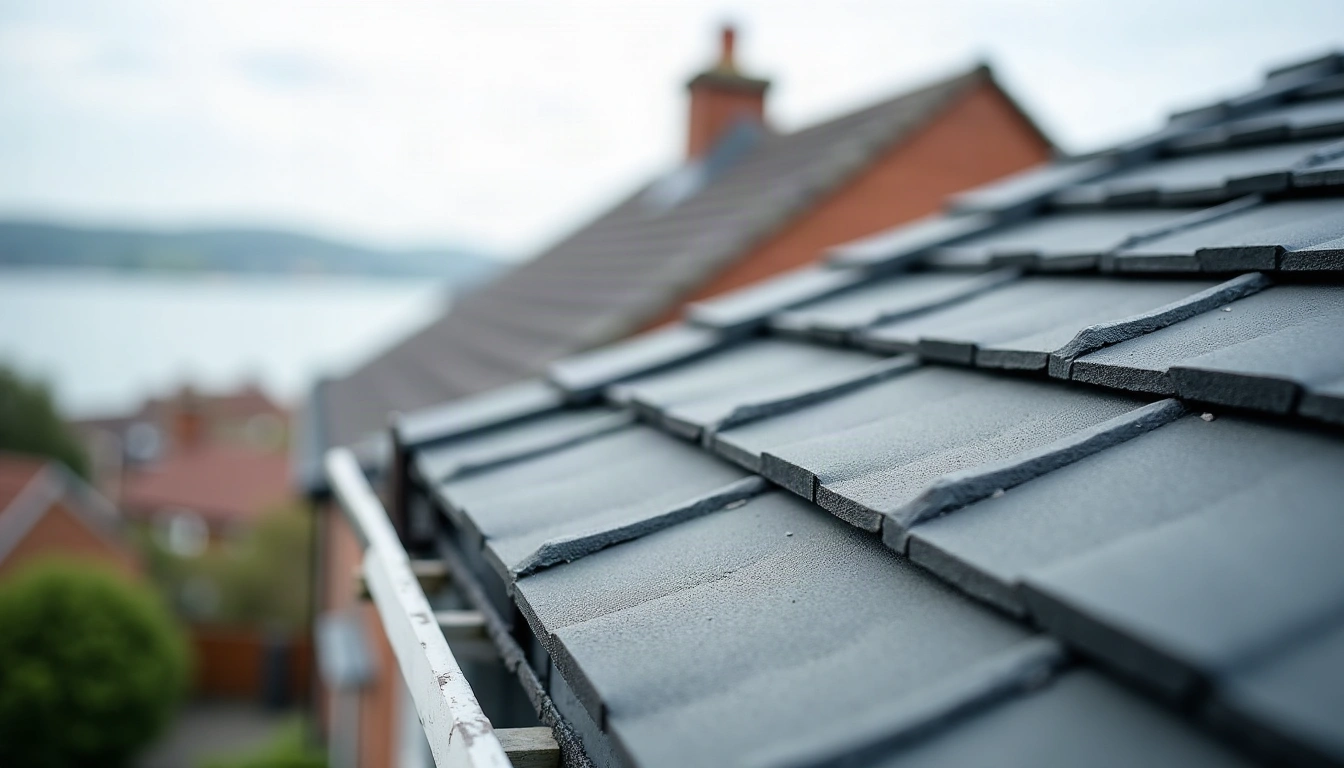
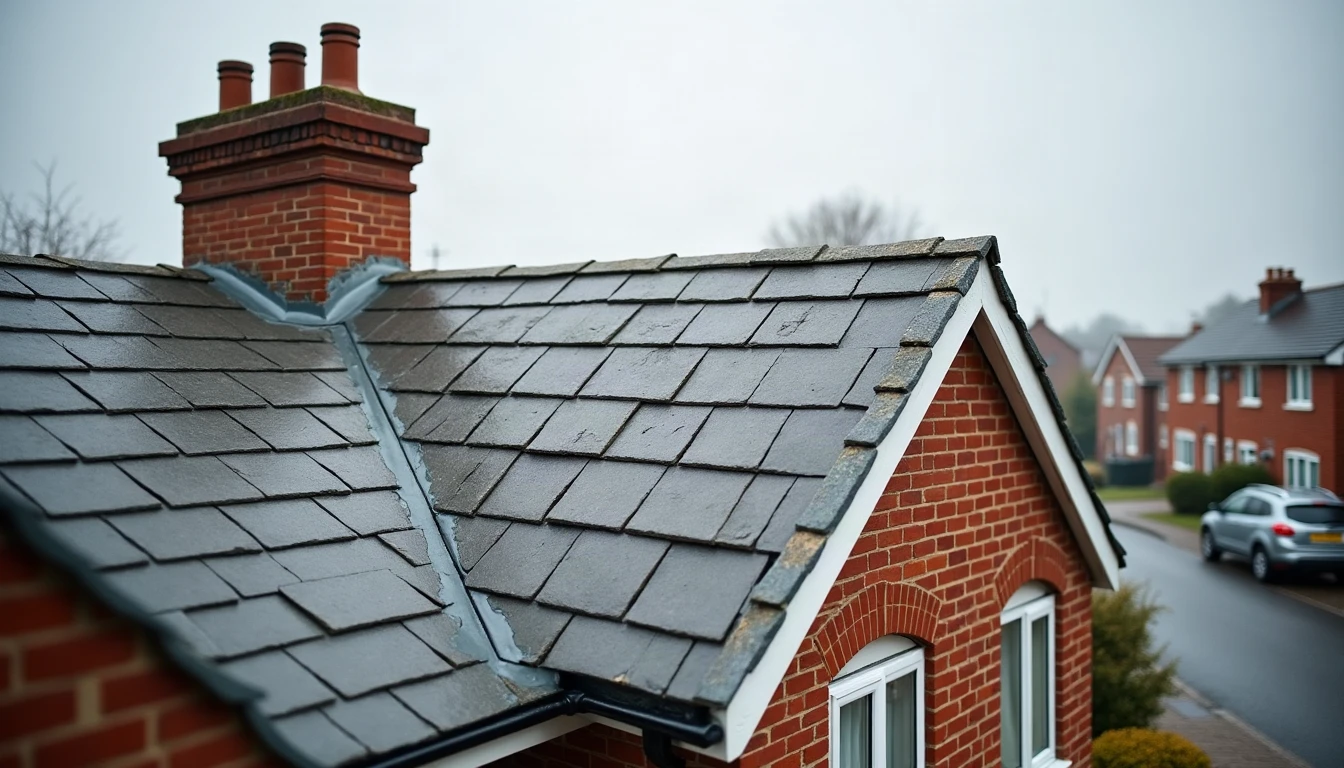
A single cracked or slipped tile might seem harmless, but Worthing’s coastal storms and driving rain exploit even the smallest gap.

Why you can trust our content
We understand that the roofing industry can be confusing, with plenty of outdated or misleading information. That’s why we rely only on trusted, proven sources to guide our advice and installations:






At a glance
Water seeps beneath surrounding tiles, saturates the roofing felt, and silently penetrates your roof deck, meaning that by the time you spot an interior stain, damage is already done.
Introduction
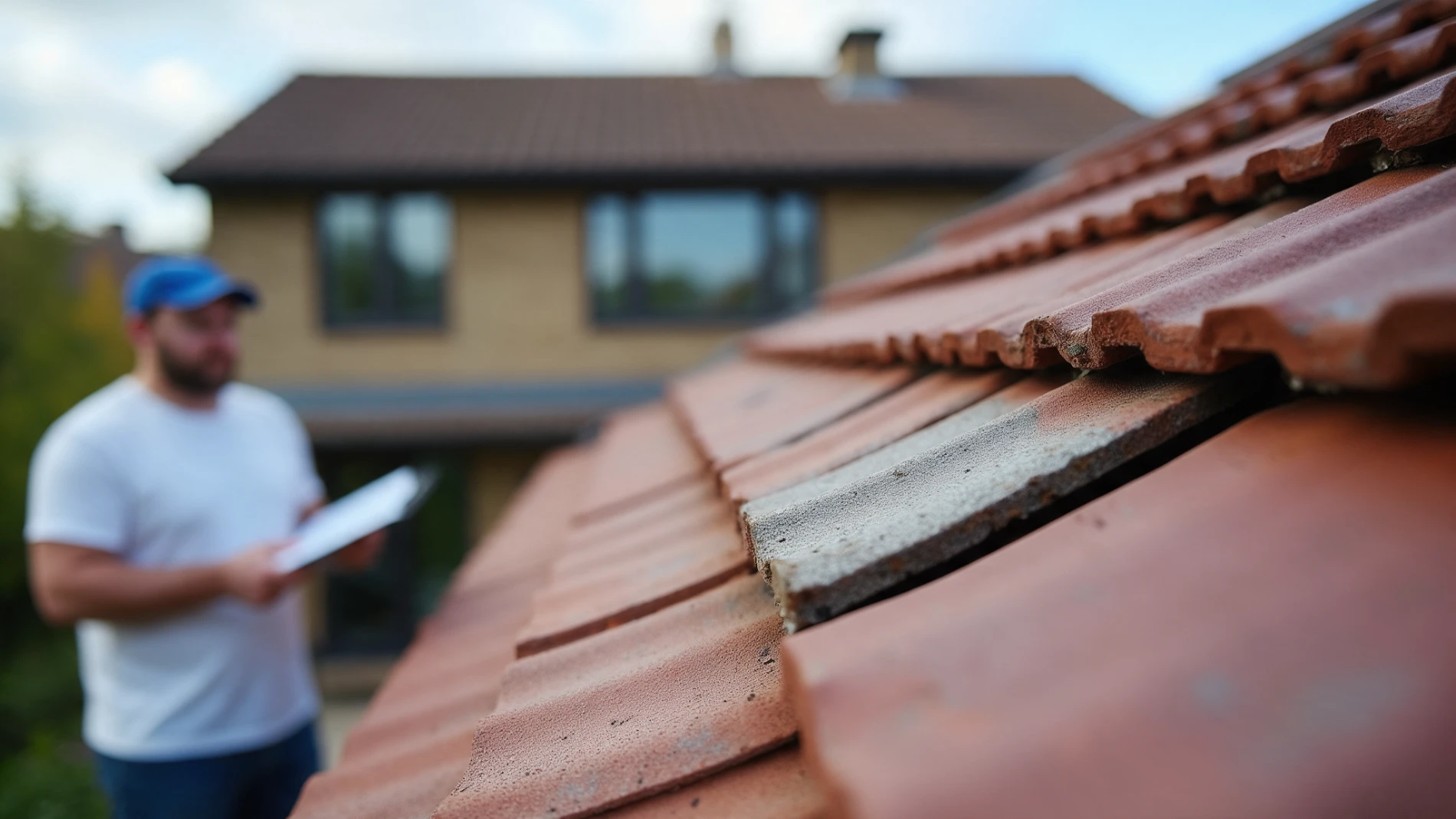
A roof does not need to have a large hole to let water into your home. A single cracked, slipped, or poorly seated tile can create an opening where rainwater finds its way beneath the main roof covering.
The problem is particularly easy to overlook because the first signs may appear indoors rather than outside. A faint stain on a ceiling, a damp smell in the loft or a patch of discoloured plaster might seem minor, but these can indicate that water has already travelled through several layers of the roof.
Understanding how a small tile defect develops into a leak can help Worthing homeowners recognise problems earlier and avoid allowing a relatively straightforward repair to become a much larger issue.
How Does a Small Roof Tile Defect Let Water In?
Roof tiles work together to create overlapping layers that direct rainwater towards the gutters. The individual tile is only one part of this system, with underlay, battens, fixings and flashing providing additional protection.
When a tile becomes cracked or displaced, the carefully designed overlap can be compromised.
Water may then:
- Pass beneath the damaged tile
- Run along the underlay
- Travel sideways before entering the roof structure
- Reach timber battens or rafters
- Eventually appear as dampness inside the property
Wind can make the situation worse by driving rain underneath areas that might remain relatively dry during ordinary rainfall.
This is why a small visible defect should not automatically be judged by its size. The important question is whether it has created a route for water to bypass the roof’s normal drainage system.
What Types of Tile Damage Should Homeowners Watch For?
Not every roof tile defect looks dramatic. Some problems can be difficult to spot without a closer inspection.
Common examples include:
|
Tile problem |
What it can cause |
Typical concern |
|
Cracked tile |
Allows water beneath the covering |
Localised water ingress |
|
Slipped tile |
Creates a gap in the roof covering |
Increased exposure to rain |
|
Broken tile |
Leaves part of the roof unprotected |
Potential leakage |
|
Loose tile |
Can move further in strong winds |
Progressive damage |
|
Poorly positioned replacement |
May disrupt the overlap |
Recurring water entry |
|
Deteriorated fixing |
Tile can shift or lift |
Vulnerability during storms |
Older roofs may also contain a mixture of original and replacement tiles. Differences in age, condition or profile can sometimes make individual areas more vulnerable.
If several tiles have moved or failed, the issue may be more than a single defective component. A wider inspection can help establish whether the surrounding roof is also showing signs of deterioration.
Why Can the Leak Appear Somewhere Else?
One of the most confusing aspects of a roof leak is that water rarely follows a perfectly vertical path.
Once water passes beneath a tile, gravity and the roof’s construction can cause it to travel along timber, underlay or other materials before reaching the point where it becomes visible.
For example, a small defect above a loft area could eventually produce a damp patch around a bedroom ceiling several feet away.
This makes guessing the source of a leak unreliable.
What Happens If a Small Tile Defect Is Ignored?
A minor defect may remain relatively stable for a while, especially during dry weather. The risk increases when the roof is repeatedly exposed to heavy rainfall, strong winds and temperature changes.
Continued moisture exposure can affect:
- Roof timbers
- Battens
- Underlay
- Loft insulation
- Plasterboard
- Ceiling finishes
- Decorations
The longer water remains present, the greater the possibility of secondary damage.
There can also be a cycle where one defect leads to another. A slipped tile can expose nearby materials to weather, while deteriorated fixings can allow adjacent tiles to move.
This is why tiled roof repair should focus on the reason for the failure as well as the damaged tile itself.
Can a Tile Leak Without Looking Broken?
Yes. A tile can contribute to water ingress even when there is no obvious crack visible from the ground.
Possible causes include:
- Slight displacement
- Damaged edges that are difficult to see
- Failed fixings
- Problems with the tile overlap
- Deterioration around roof junctions
- Water entering through nearby flashing
A roof inspection therefore involves more than looking for broken tiles. The surrounding components need to be considered as well.
In some cases, the apparent tile problem may actually be a symptom of an issue elsewhere on the roof.
How Should You Respond to a Roof Leak?
The first step is to avoid making assumptions about the cause.
If water is entering the property, homeowners can take sensible temporary measures while arranging an inspection:
- Place a container beneath active dripping where safe.
- Move furniture and belongings away from the affected area.
- Photograph visible staining or water damage.
- Check the loft from a safe and accessible position.
- Avoid climbing onto the roof.
- Arrange a professional assessment.
If water is close to electrical fittings, take extra care and seek appropriate professional assistance rather than attempting to investigate the area yourself.
A prompt roof leak repair Worthing assessment can help determine whether the issue is limited to one tile or whether other roof components have also been affected.
What Type of Roof Do You Have?
Please select the roof type of your property. This helps us determine the best installation method and equipment for your home.
Flat Roof
Pitched Roof
It just takes 60 Sec
And then you can book a free consultation
Does Every Leaking Tile Need the Same Repair?
No. The appropriate repair depends on the type of tile, the nature of the defect and the condition of the surrounding roof.
A straightforward replacement may be appropriate when one tile has cracked, but the supporting materials and neighbouring tiles remain sound.
Other situations may require more investigation. For example, if tiles are repeatedly slipping, simply replacing individual tiles may not address the underlying fixing problem.
A professional roofer should consider:
- Why the tile failed
- Whether nearby tiles have similar defects
- The condition of the fixings
- The state of the underlay
- Nearby flashing and junctions
- Whether there are signs of previous water ingress
This approach helps avoid treating the visible symptom while leaving the cause unresolved.
How Can Heavy Weather Turn a Minor Defect Into a Leak?
Weather often acts as an accelerant rather than the original cause.
A tile may have been slightly loose for months without creating a noticeable problem. A period of strong winds can shift it further, while wind-driven rain exploits the newly exposed gap.
Heavy rainfall can then saturate materials beneath the tile.
Worthing’s coastal environment can expose roofing to demanding weather conditions, making it particularly important to keep an eye on visible roof defects rather than waiting for a serious internal leak.
This does not mean every storm causes roof damage. It simply highlights why a small defect that was previously harmless can become significant after severe weather.
A Typical Worthing Roof Leak Scenario
Consider a typical semi-detached home with a pitched tiled roof. After several days of heavy rain, the homeowner notices a brown mark developing on an upstairs ceiling.
There is no obvious hole in the roof. From ground level, most of the tiles appear normal. During an inspection, however, one tile is found to have shifted slightly, creating an opening that allows wind-driven rain beneath the covering.
The visible ceiling mark is therefore not the actual source of the problem. The appropriate repair involves addressing the defective roof area and checking the surrounding materials for signs of moisture.
This is a useful reminder that internal water damage should be investigated at roof level rather than simply painted over.
When Is a Roof Leak More Than a Tile Problem?
A leaking roof may require broader attention when there are repeated signs of water ingress, multiple damaged tiles or evidence that the supporting materials have deteriorated.
Warning signs include:
- Several tiles failing within a short period
- Repeated leaks after previous repairs
- Damp timber in the loft
- Extensive water staining
- Persistent musty smells
- Damaged or deteriorated underlay
- Problems around chimneys, valleys or roof edges
In these circumstances, a wider inspection can provide a more accurate picture of the roof’s condition.
A roof leak repair Worthing service should therefore establish not only where water is entering but also why the roof has become vulnerable.
How Can Homeowners Reduce the Risk of Future Leaks?
Routine observation can make a useful difference.
You do not need to climb onto the roof to monitor its condition. Instead, look from safe positions for obvious changes such as missing tiles, uneven rows, damaged roof edges or pieces of tile around the property.
It is also sensible to check accessible loft areas periodically, particularly after periods of severe weather.
Good maintenance should include attention to:
- Roof coverings
- Gutters and downpipes
- Flashing
- Roof junctions
- Loft ventilation
- Previous repair areas
Early investigation is generally preferable to waiting until water has reached internal finishes.
Not necessarily. If the problem is localised and the surrounding roof remains in good condition, a targeted repair may be sufficient. Replacement becomes more relevant when deterioration is widespread, or repairs are repeatedly required.
Final Thoughts
A small tile defect can be deceptively important. Because a tiled roof relies on overlapping components working together, even a relatively minor gap can give wind-driven rain an opportunity to reach the layers beneath.
The key is not to judge a roof problem solely by what can be seen from the ground. If a leak, damaged tile or unexplained damp patch appears, finding the source early can help prevent a simple defect from developing into wider damage.
For homeowners in Worthing, All Roofing Works can provide practical advice based on the condition of the roof rather than making assumptions from a visible symptom. When repair is appropriate, dealing with the underlying issue can help keep the roof performing reliably through future wet weather.
Related articles


What Type of Roof Do You Have?
Please select the roof type of your property. This helps us determine the best installation method and equipment for your home.
Flat Roof
Pitched Roof
Commercial Roof
At a glance
Water seeps beneath surrounding tiles, saturates the roofing felt, and silently penetrates your roof deck, meaning that by the time you spot an interior stain, damage is already done.
Introduction
A roof does not need to have a large hole to let water into your home. A single cracked, slipped, or poorly seated tile can create an opening where rainwater finds its way beneath the main roof covering.
The problem is particularly easy to overlook because the first signs may appear indoors rather than outside. A faint stain on a ceiling, a damp smell in the loft or a patch of discoloured plaster might seem minor, but these can indicate that water has already travelled through several layers of the roof.
Understanding how a small tile defect develops into a leak can help Worthing homeowners recognise problems earlier and avoid allowing a relatively straightforward repair to become a much larger issue.
How Does a Small Roof Tile Defect Let Water In?
Roof tiles work together to create overlapping layers that direct rainwater towards the gutters. The individual tile is only one part of this system, with underlay, battens, fixings and flashing providing additional protection.
When a tile becomes cracked or displaced, the carefully designed overlap can be compromised.
Water may then:
- Pass beneath the damaged tile
- Run along the underlay
- Travel sideways before entering the roof structure
- Reach timber battens or rafters
- Eventually appear as dampness inside the property
Wind can make the situation worse by driving rain underneath areas that might remain relatively dry during ordinary rainfall.
This is why a small visible defect should not automatically be judged by its size. The important question is whether it has created a route for water to bypass the roof’s normal drainage system.
What Types of Tile Damage Should Homeowners Watch For?
Not every roof tile defect looks dramatic. Some problems can be difficult to spot without a closer inspection.
Common examples include:
|
Tile problem |
What it can cause |
Typical concern |
|
Cracked tile |
Allows water beneath the covering |
Localised water ingress |
|
Slipped tile |
Creates a gap in the roof covering |
Increased exposure to rain |
|
Broken tile |
Leaves part of the roof unprotected |
Potential leakage |
|
Loose tile |
Can move further in strong winds |
Progressive damage |
|
Poorly positioned replacement |
May disrupt the overlap |
Recurring water entry |
|
Deteriorated fixing |
Tile can shift or lift |
Vulnerability during storms |
Older roofs may also contain a mixture of original and replacement tiles. Differences in age, condition or profile can sometimes make individual areas more vulnerable.
If several tiles have moved or failed, the issue may be more than a single defective component. A wider inspection can help establish whether the surrounding roof is also showing signs of deterioration.
Why Can the Leak Appear Somewhere Else?
One of the most confusing aspects of a roof leak is that water rarely follows a perfectly vertical path.
Once water passes beneath a tile, gravity and the roof’s construction can cause it to travel along timber, underlay or other materials before reaching the point where it becomes visible.
For example, a small defect above a loft area could eventually produce a damp patch around a bedroom ceiling several feet away.
This makes guessing the source of a leak unreliable.
What Happens If a Small Tile Defect Is Ignored?
A minor defect may remain relatively stable for a while, especially during dry weather. The risk increases when the roof is repeatedly exposed to heavy rainfall, strong winds and temperature changes.
Continued moisture exposure can affect:
- Roof timbers
- Battens
- Underlay
- Loft insulation
- Plasterboard
- Ceiling finishes
- Decorations
The longer water remains present, the greater the possibility of secondary damage.
There can also be a cycle where one defect leads to another. A slipped tile can expose nearby materials to weather, while deteriorated fixings can allow adjacent tiles to move.
This is why tiled roof repair should focus on the reason for the failure as well as the damaged tile itself.
Can a Tile Leak Without Looking Broken?
Yes. A tile can contribute to water ingress even when there is no obvious crack visible from the ground.
Possible causes include:
- Slight displacement
- Damaged edges that are difficult to see
- Failed fixings
- Problems with the tile overlap
- Deterioration around roof junctions
- Water entering through nearby flashing
A roof inspection therefore involves more than looking for broken tiles. The surrounding components need to be considered as well.
In some cases, the apparent tile problem may actually be a symptom of an issue elsewhere on the roof.
How Should You Respond to a Roof Leak?
The first step is to avoid making assumptions about the cause.
If water is entering the property, homeowners can take sensible temporary measures while arranging an inspection:
- Place a container beneath active dripping where safe.
- Move furniture and belongings away from the affected area.
- Photograph visible staining or water damage.
- Check the loft from a safe and accessible position.
- Avoid climbing onto the roof.
- Arrange a professional assessment.
If water is close to electrical fittings, take extra care and seek appropriate professional assistance rather than attempting to investigate the area yourself.
A prompt roof leak repair Worthing assessment can help determine whether the issue is limited to one tile or whether other roof components have also been affected.
What Type of Roof Do You Have?
Please select the roof type of your property. This helps us determine the best installation method and equipment for your home.
Flat Roof
Pitched Roof
It just takes 60 Sec
And then you can book a free consultation
Does Every Leaking Tile Need the Same Repair?
No. The appropriate repair depends on the type of tile, the nature of the defect and the condition of the surrounding roof.
A straightforward replacement may be appropriate when one tile has cracked, but the supporting materials and neighbouring tiles remain sound.
Other situations may require more investigation. For example, if tiles are repeatedly slipping, simply replacing individual tiles may not address the underlying fixing problem.
A professional roofer should consider:
- Why the tile failed
- Whether nearby tiles have similar defects
- The condition of the fixings
- The state of the underlay
- Nearby flashing and junctions
- Whether there are signs of previous water ingress
This approach helps avoid treating the visible symptom while leaving the cause unresolved.
How Can Heavy Weather Turn a Minor Defect Into a Leak?
Weather often acts as an accelerant rather than the original cause.
A tile may have been slightly loose for months without creating a noticeable problem. A period of strong winds can shift it further, while wind-driven rain exploits the newly exposed gap.
Heavy rainfall can then saturate materials beneath the tile.
Worthing’s coastal environment can expose roofing to demanding weather conditions, making it particularly important to keep an eye on visible roof defects rather than waiting for a serious internal leak.
This does not mean every storm causes roof damage. It simply highlights why a small defect that was previously harmless can become significant after severe weather.
A Typical Worthing Roof Leak Scenario
Consider a typical semi-detached home with a pitched tiled roof. After several days of heavy rain, the homeowner notices a brown mark developing on an upstairs ceiling.
There is no obvious hole in the roof. From ground level, most of the tiles appear normal. During an inspection, however, one tile is found to have shifted slightly, creating an opening that allows wind-driven rain beneath the covering.
The visible ceiling mark is therefore not the actual source of the problem. The appropriate repair involves addressing the defective roof area and checking the surrounding materials for signs of moisture.
This is a useful reminder that internal water damage should be investigated at roof level rather than simply painted over.
When Is a Roof Leak More Than a Tile Problem?
A leaking roof may require broader attention when there are repeated signs of water ingress, multiple damaged tiles or evidence that the supporting materials have deteriorated.
Warning signs include:
- Several tiles failing within a short period
- Repeated leaks after previous repairs
- Damp timber in the loft
- Extensive water staining
- Persistent musty smells
- Damaged or deteriorated underlay
- Problems around chimneys, valleys or roof edges
In these circumstances, a wider inspection can provide a more accurate picture of the roof’s condition.
A roof leak repair Worthing service should therefore establish not only where water is entering but also why the roof has become vulnerable.
How Can Homeowners Reduce the Risk of Future Leaks?
Routine observation can make a useful difference.
You do not need to climb onto the roof to monitor its condition. Instead, look from safe positions for obvious changes such as missing tiles, uneven rows, damaged roof edges or pieces of tile around the property.
It is also sensible to check accessible loft areas periodically, particularly after periods of severe weather.
Good maintenance should include attention to:
- Roof coverings
- Gutters and downpipes
- Flashing
- Roof junctions
- Loft ventilation
- Previous repair areas
Early investigation is generally preferable to waiting until water has reached internal finishes.
Not necessarily. If the problem is localised and the surrounding roof remains in good condition, a targeted repair may be sufficient. Replacement becomes more relevant when deterioration is widespread, or repairs are repeatedly required.
Final Thoughts
A small tile defect can be deceptively important. Because a tiled roof relies on overlapping components working together, even a relatively minor gap can give wind-driven rain an opportunity to reach the layers beneath.
The key is not to judge a roof problem solely by what can be seen from the ground. If a leak, damaged tile or unexplained damp patch appears, finding the source early can help prevent a simple defect from developing into wider damage.
For homeowners in Worthing, All Roofing Works can provide practical advice based on the condition of the roof rather than making assumptions from a visible symptom. When repair is appropriate, dealing with the underlying issue can help keep the roof performing reliably through future wet weather.
Related articles
What Type of Roof Do You Have?
Please select the roof type of your property. This helps us determine the best installation method and equipment for your home.
Flat Roof
Pitched Roof
Commercial Roof