What Should a New Roof Installation Budget Include in Worthing?
Planning a new roof in Worthing? Discover the costs your budget should include, from materials and labour to preparation, insulation and finishing.

Why you can trust our content
We understand that the roofing industry can be confusing, with plenty of outdated or misleading information. That’s why we rely only on trusted, proven sources to guide our advice and installations:






At a glance
Introduction
Planning a new roof is a substantial investment, and the first figure homeowners often want to know is how much it will cost. However, a reliable budget needs to cover much more than the roofing materials themselves.
Preparation, access, removal of the existing covering, structural repairs, insulation, flashing, drainage and finishing details can all affect the final price. Leaving these elements out of an initial budget can lead to unexpected costs later.
For homeowners planning a new roof, understanding what should be included from the outset makes it much easier to compare quotations and make a sensible long-term decision.
If you are considering replacing your roof, All Roofing Works can assess the existing structure and provide tailored guidance on the work your property may require.
What should a new roof budget include?
A roofing budget should account for the complete project rather than simply the visible covering.
Depending on the property, this may include:
- Initial roof assessment
- Removal of existing materials
- Waste disposal
- Roof preparation
- Replacement of damaged components
- New roofing materials
- Insulation where appropriate
- Flashing and weatherproofing
- Ridge and verge details
- Drainage considerations
- Labour
- Access arrangements
- Final finishing work
Not every project will require every item. The purpose of a detailed quotation is to establish which elements apply to the individual property.
Which factors affect the new roof cost Worthing homeowners should expect?
There is no single price that applies to every property.
The new roof cost Worthing homeowners receive will depend on several variables, including:
- Roof size
- Roof design and complexity
- Existing roof condition
- Chosen materials
- Access to the property
- Amount of preparation required
- Whether underlying damage is discovered
- Insulation requirements
- Flashing and junction details
- Waste removal
A straightforward roof with easy access may require considerably less work than a large, complex roof with several junctions, dormers or difficult access points.
This is why an individual assessment is more useful than relying on a generic price range.
Does removing the existing roof covering add to the budget?
It can.
If the existing tiles, slates or other materials need to be removed, there will be labour involved in stripping the roof and preparing it for the new covering.
There may also be costs associated with transporting and disposing of the old materials.
A quotation should make clear whether removal and disposal are included. Otherwise, two apparently similar prices may actually cover very different scopes of work.
What happens if damage is found underneath the old roof?
This is one of the most important areas to consider when preparing a roofing budget.
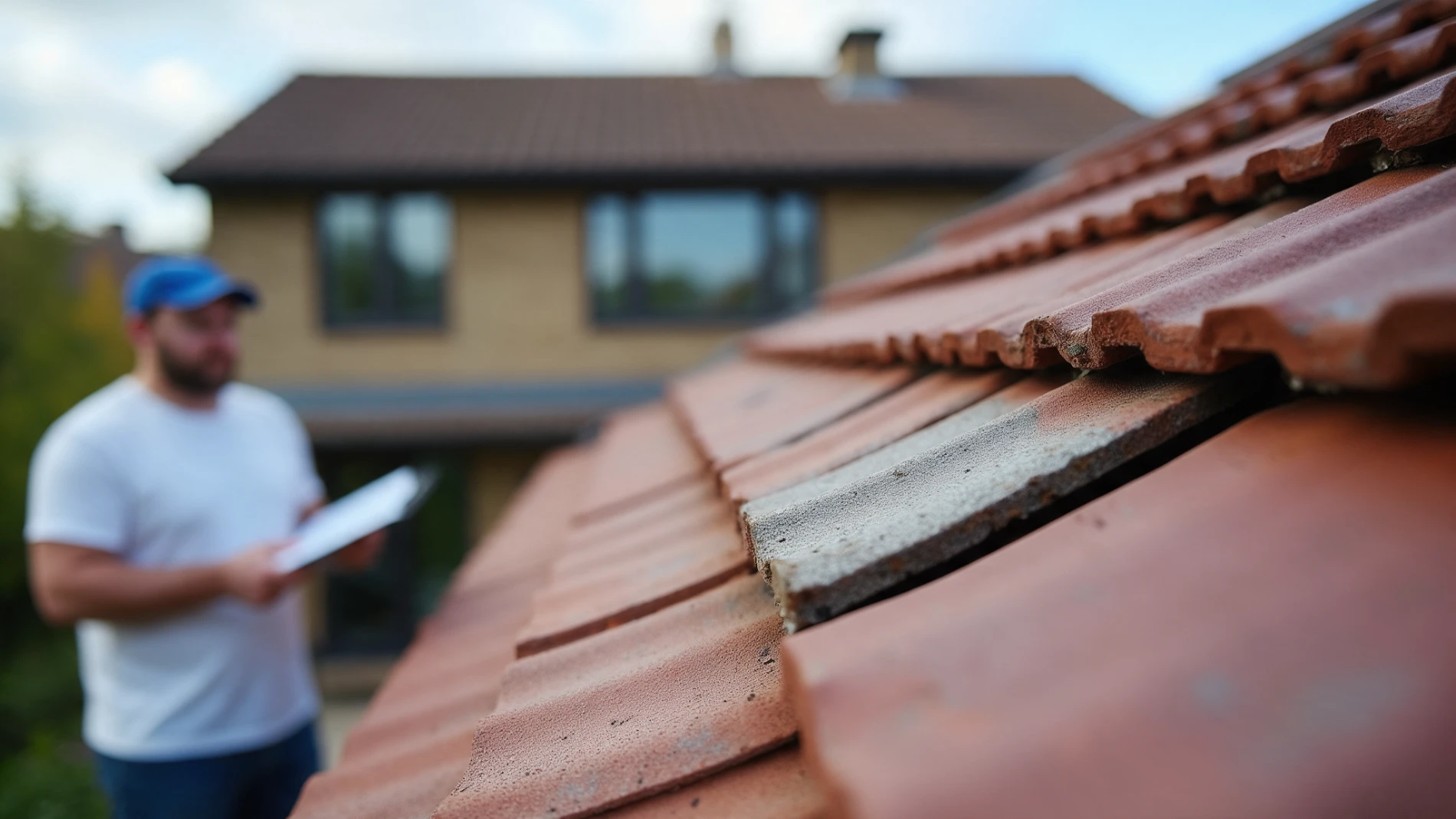
Once an existing covering is removed, the condition of underlying materials may become clearer. Damaged battens, roof boards, timbers or other components may require attention before the new covering can be installed correctly.
This does not mean hidden damage will always be present. However, homeowners should understand how unexpected issues will be handled before work begins.
Ask whether the quotation explains:
- Which preparation is included
- What happens if damaged materials are discovered
- How additional work will be agreed
- Whether evidence will be provided before extra costs are incurred
Clear communication can prevent unpleasant surprises.
Should insulation be included in a new roof budget?
Depending on the roof construction and project, insulation can be an important consideration.
If an older roof is being replaced, it may be an opportunity to review its thermal performance and consider whether insulation needs upgrading or replacing.
The appropriate approach depends on the property’s construction and the proposed roofing system. Insulation should therefore be discussed during the planning stage rather than treated as an afterthought.
Homeowners should check whether the quotation includes insulation, excludes it or allows for it separately.
How much do roofing materials influence the overall price?
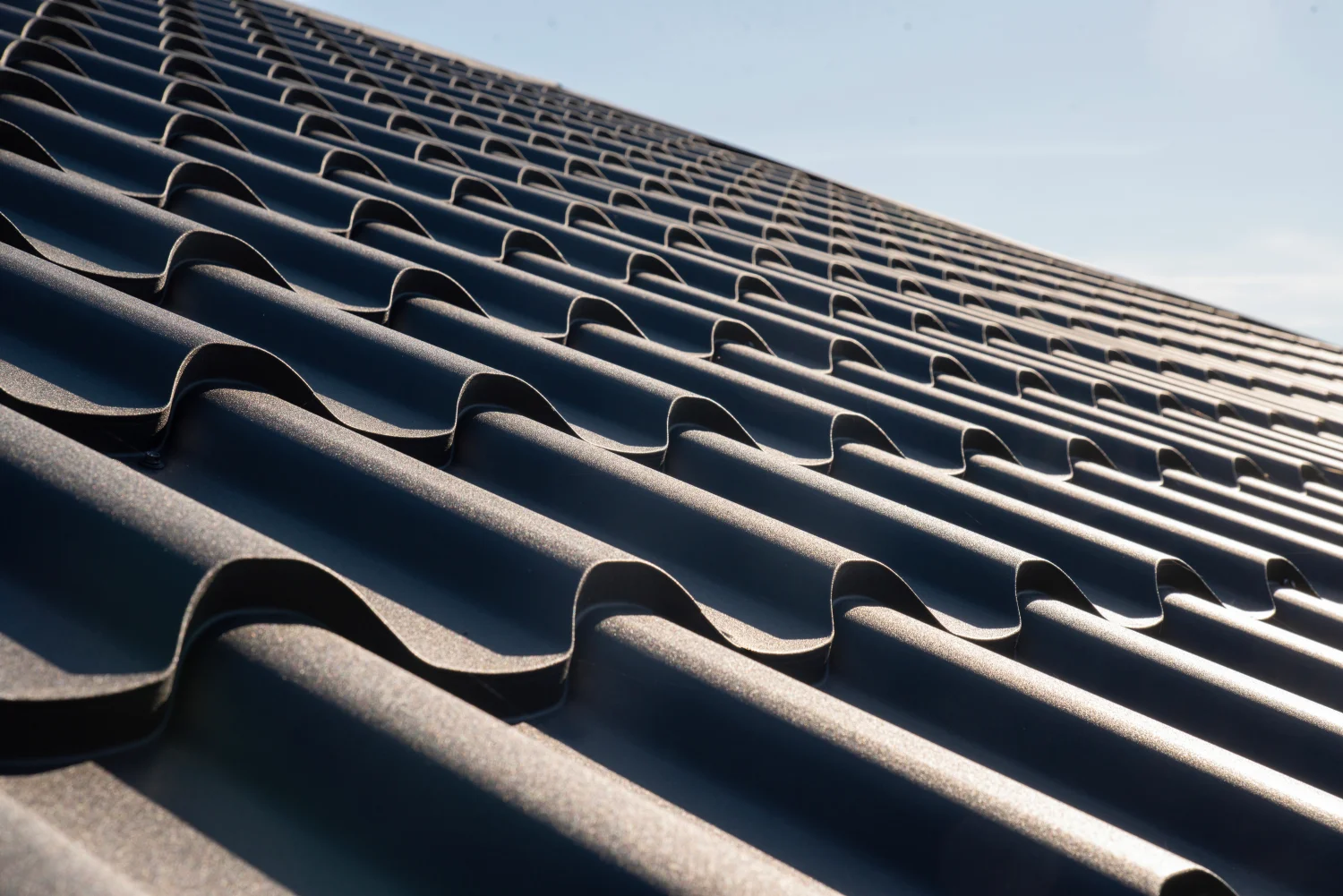
Materials can make a significant difference, but choosing a material should not be based solely on its initial price.
Different roofing materials have different characteristics, expected service lives, maintenance requirements and installation considerations.
The choice may depend on:
- Existing roof design
- Roof pitch
- Property appearance
- Structural requirements
- Local conditions
- Expected longevity
- Maintenance preferences
A suitable material should be appropriate for the roof rather than selected simply because it has the lowest purchase price.
What should labour costs cover?
Labour is a major part of any professional roofing project.
The cost may cover activities such as:
- Removing existing materials
- Preparing the roof
- Installing the new covering
- Fitting flashing
- Completing ridge and verge details
- Installing or adjusting drainage components
- Cleaning the working area
- Removing waste
The complexity of the roof can influence the amount of labour required.
A simple roof with straightforward access may be quicker to work on than one with multiple roof levels, awkward junctions or restricted access.
Does access affect the budget?
Yes. Access can influence the equipment, labour and time required to complete the work safely.
Depending on the property, a project may require scaffolding or other access arrangements. The surrounding buildings, garden, driveway and roof height can all affect how materials and equipment reach the working area.
For this reason, access should be assessed before a final quotation is prepared.
A quotation that clearly identifies access arrangements makes it easier to understand the true project cost.
Should flashing and roof junctions be included?
They should be considered as part of the overall roofing system.
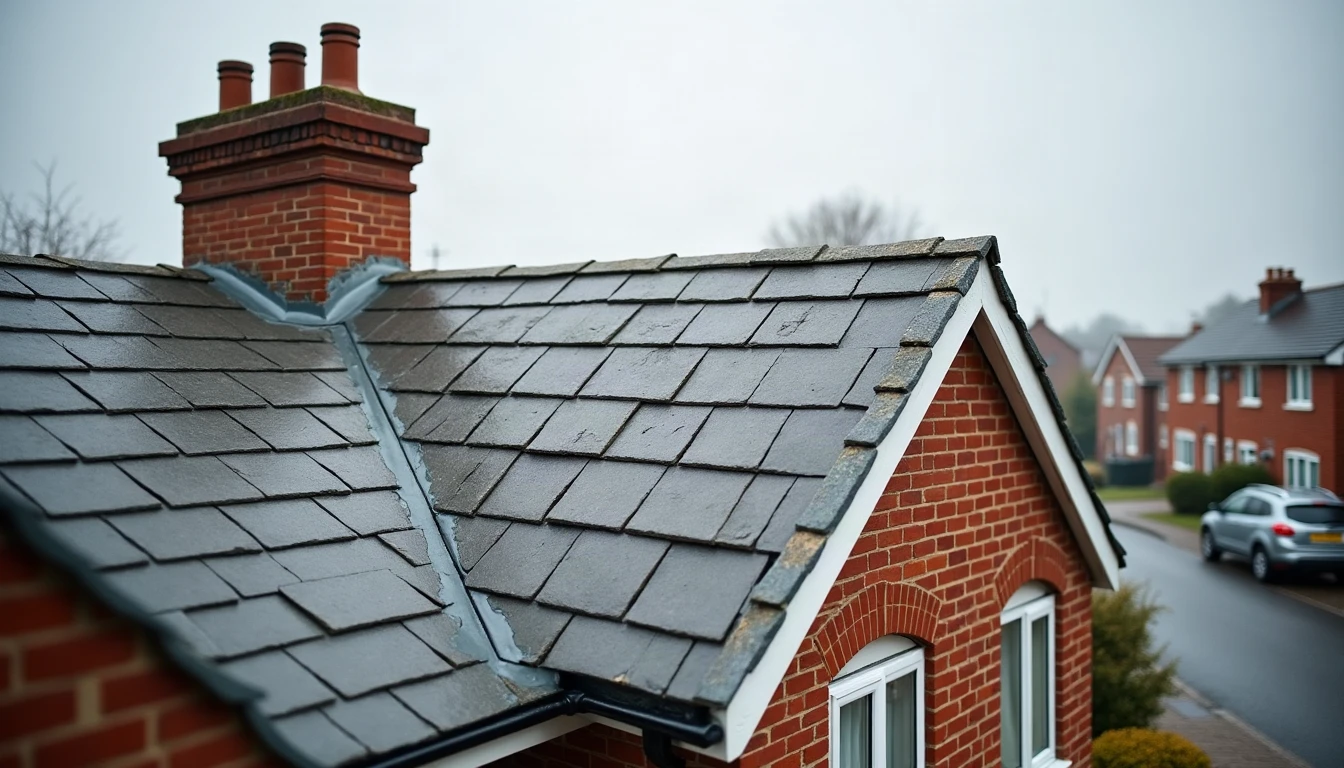
Areas around chimneys, valleys, roof edges, skylights and other junctions need to remain weatherproof. If existing flashing is defective or unsuitable, replacing the main roof covering without addressing these details could leave potential routes for water ingress.
A complete roof installation Worthing homeowners commission should therefore consider these vulnerable areas rather than focusing only on the main roof surface.
What about gutters and drainage?
A new roof should work effectively with the property’s rainwater management system.
Gutters, outlets, valleys and downpipes should be checked for obvious problems such as damage, blockages or poor water flow.
In some cases, existing drainage may remain suitable. In others, repairs or adjustments may be appropriate as part of the wider project.
Including drainage in the assessment helps prevent a situation where a new roof is installed but an existing water management problem remains.
If you are budgeting for a replacement roof, contact All Roofing Works to discuss the condition of your existing roof and the elements that may need to be included in the project.
How should homeowners compare roofing quotations?
Comparing the final price alone can be misleading.
Instead, check whether each quotation covers a similar scope of work.
| Budget item | Questions to ask |
|---|---|
| Existing roof | Is removal included? |
| Materials | What type and specification are proposed? |
| Preparation | What is included before installation? |
| Structural work | How will hidden damage be handled? |
| Insulation | Is it included or priced separately? |
| Flashing | Are junctions included? |
| Drainage | Are gutters and outlets being assessed? |
| Access | Is scaffolding included? |
| Waste | Is removal and disposal included? |
| Labour | Does the quoted price cover the complete installation? |
A higher quotation may include more comprehensive preparation or a different specification. Conversely, a lower quotation may exclude items that will later become additional costs.
What should you ask before approving the project?
Before committing to a major roofing project, homeowners should feel comfortable asking for clarification.
Useful questions include:
- What exactly is included in the quotation?
- Which materials are being proposed?
- Does the price include removal and disposal?
- Will the roof structure be checked?
- Is insulation included?
- Are flashing and junctions included?
- What access arrangements are required?
- How will unexpected damage be handled?
- What maintenance should be expected afterwards?
Clear answers make it easier to understand what you are actually paying for.
A typical Worthing example
Imagine a homeowner with an ageing pitched roof that has developed several leaks. The initial concern is simply the cost of replacing the tiles.
During the assessment, the roof is found to need more than a new covering. Some underlying materials require attention, flashing around a chimney needs renewal, and the existing drainage system needs checking.
The final new roof cost Worthing homeowners would receive for this property would therefore reflect the complete scope rather than just the price of the tiles.
Another property with a smaller, simpler roof and sound underlying materials could have a very different budget.
The lesson is straightforward: two homes can both need new roofs while requiring very different amounts of work.
What is the best way to plan a realistic roofing budget?
Start with a proper assessment rather than an assumed figure.
The assessment should establish the roof’s current condition, the extent of removal required, the proposed materials and any additional work needed to prepare the property.
From there, homeowners can build a realistic budget that accounts for the complete project.
A good quotation should leave you with a clear understanding of what is included, what could change the price and why particular work has been recommended.
If you are planning a roof installation Worthing property can depend on for years to come, All Roofing Works can assess the roof and explain the likely requirements. Speak to our team for tailored advice before setting your final budget.
Related articles
What Type of Roof Do You Have?
Please select the roof type of your property. This helps us determine the best installation method and equipment for your home.
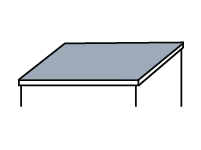
Flat Roof
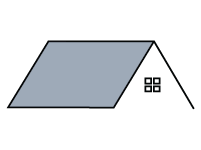
Pitched Roof
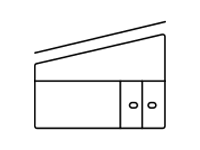
Commercial Roof
At a glance
Introduction
Planning a new roof is a substantial investment, and the first figure homeowners often want to know is how much it will cost. However, a reliable budget needs to cover much more than the roofing materials themselves.
Preparation, access, removal of the existing covering, structural repairs, insulation, flashing, drainage and finishing details can all affect the final price. Leaving these elements out of an initial budget can lead to unexpected costs later.
For homeowners planning a new roof, understanding what should be included from the outset makes it much easier to compare quotations and make a sensible long-term decision.
If you are considering replacing your roof, All Roofing Works can assess the existing structure and provide tailored guidance on the work your property may require.
What should a new roof budget include?
A roofing budget should account for the complete project rather than simply the visible covering.
Depending on the property, this may include:
- Initial roof assessment
- Removal of existing materials
- Waste disposal
- Roof preparation
- Replacement of damaged components
- New roofing materials
- Insulation where appropriate
- Flashing and weatherproofing
- Ridge and verge details
- Drainage considerations
- Labour
- Access arrangements
- Final finishing work
Not every project will require every item. The purpose of a detailed quotation is to establish which elements apply to the individual property.
Which factors affect the new roof cost Worthing homeowners should expect?
There is no single price that applies to every property.
The new roof cost Worthing homeowners receive will depend on several variables, including:
- Roof size
- Roof design and complexity
- Existing roof condition
- Chosen materials
- Access to the property
- Amount of preparation required
- Whether underlying damage is discovered
- Insulation requirements
- Flashing and junction details
- Waste removal
A straightforward roof with easy access may require considerably less work than a large, complex roof with several junctions, dormers or difficult access points.
This is why an individual assessment is more useful than relying on a generic price range.
Does removing the existing roof covering add to the budget?
It can.
If the existing tiles, slates or other materials need to be removed, there will be labour involved in stripping the roof and preparing it for the new covering.
There may also be costs associated with transporting and disposing of the old materials.
A quotation should make clear whether removal and disposal are included. Otherwise, two apparently similar prices may actually cover very different scopes of work.
What happens if damage is found underneath the old roof?
This is one of the most important areas to consider when preparing a roofing budget.
Once an existing covering is removed, the condition of underlying materials may become clearer. Damaged battens, roof boards, timbers or other components may require attention before the new covering can be installed correctly.
This does not mean hidden damage will always be present. However, homeowners should understand how unexpected issues will be handled before work begins.
Ask whether the quotation explains:
- Which preparation is included
- What happens if damaged materials are discovered
- How additional work will be agreed
- Whether evidence will be provided before extra costs are incurred
Clear communication can prevent unpleasant surprises.
Should insulation be included in a new roof budget?
Depending on the roof construction and project, insulation can be an important consideration.
If an older roof is being replaced, it may be an opportunity to review its thermal performance and consider whether insulation needs upgrading or replacing.
The appropriate approach depends on the property’s construction and the proposed roofing system. Insulation should therefore be discussed during the planning stage rather than treated as an afterthought.
Homeowners should check whether the quotation includes insulation, excludes it or allows for it separately.
How much do roofing materials influence the overall price?
Materials can make a significant difference, but choosing a material should not be based solely on its initial price.
Different roofing materials have different characteristics, expected service lives, maintenance requirements and installation considerations.
The choice may depend on:
- Existing roof design
- Roof pitch
- Property appearance
- Structural requirements
- Local conditions
- Expected longevity
- Maintenance preferences
A suitable material should be appropriate for the roof rather than selected simply because it has the lowest purchase price.
What should labour costs cover?
Labour is a major part of any professional roofing project.
The cost may cover activities such as:
- Removing existing materials
- Preparing the roof
- Installing the new covering
- Fitting flashing
- Completing ridge and verge details
- Installing or adjusting drainage components
- Cleaning the working area
- Removing waste
The complexity of the roof can influence the amount of labour required.
A simple roof with straightforward access may be quicker to work on than one with multiple roof levels, awkward junctions or restricted access.
Does access affect the budget?
Yes. Access can influence the equipment, labour and time required to complete the work safely.
Depending on the property, a project may require scaffolding or other access arrangements. The surrounding buildings, garden, driveway and roof height can all affect how materials and equipment reach the working area.
For this reason, access should be assessed before a final quotation is prepared.
A quotation that clearly identifies access arrangements makes it easier to understand the true project cost.
Should flashing and roof junctions be included?
They should be considered as part of the overall roofing system.
Areas around chimneys, valleys, roof edges, skylights and other junctions need to remain weatherproof. If existing flashing is defective or unsuitable, replacing the main roof covering without addressing these details could leave potential routes for water ingress.
A complete roof installation Worthing homeowners commission should therefore consider these vulnerable areas rather than focusing only on the main roof surface.
What about gutters and drainage?
A new roof should work effectively with the property’s rainwater management system.
Gutters, outlets, valleys and downpipes should be checked for obvious problems such as damage, blockages or poor water flow.
In some cases, existing drainage may remain suitable. In others, repairs or adjustments may be appropriate as part of the wider project.
Including drainage in the assessment helps prevent a situation where a new roof is installed but an existing water management problem remains.
If you are budgeting for a replacement roof, contact All Roofing Works to discuss the condition of your existing roof and the elements that may need to be included in the project.
How should homeowners compare roofing quotations?
Comparing the final price alone can be misleading.
Instead, check whether each quotation covers a similar scope of work.
| Budget item | Questions to ask |
|---|---|
| Existing roof | Is removal included? |
| Materials | What type and specification are proposed? |
| Preparation | What is included before installation? |
| Structural work | How will hidden damage be handled? |
| Insulation | Is it included or priced separately? |
| Flashing | Are junctions included? |
| Drainage | Are gutters and outlets being assessed? |
| Access | Is scaffolding included? |
| Waste | Is removal and disposal included? |
| Labour | Does the quoted price cover the complete installation? |
A higher quotation may include more comprehensive preparation or a different specification. Conversely, a lower quotation may exclude items that will later become additional costs.
What should you ask before approving the project?
Before committing to a major roofing project, homeowners should feel comfortable asking for clarification.
Useful questions include:
- What exactly is included in the quotation?
- Which materials are being proposed?
- Does the price include removal and disposal?
- Will the roof structure be checked?
- Is insulation included?
- Are flashing and junctions included?
- What access arrangements are required?
- How will unexpected damage be handled?
- What maintenance should be expected afterwards?
Clear answers make it easier to understand what you are actually paying for.
A typical Worthing example
Imagine a homeowner with an ageing pitched roof that has developed several leaks. The initial concern is simply the cost of replacing the tiles.
During the assessment, the roof is found to need more than a new covering. Some underlying materials require attention, flashing around a chimney needs renewal, and the existing drainage system needs checking.
The final new roof cost Worthing homeowners would receive for this property would therefore reflect the complete scope rather than just the price of the tiles.
Another property with a smaller, simpler roof and sound underlying materials could have a very different budget.
The lesson is straightforward: two homes can both need new roofs while requiring very different amounts of work.
What is the best way to plan a realistic roofing budget?
Start with a proper assessment rather than an assumed figure.
The assessment should establish the roof’s current condition, the extent of removal required, the proposed materials and any additional work needed to prepare the property.
From there, homeowners can build a realistic budget that accounts for the complete project.
A good quotation should leave you with a clear understanding of what is included, what could change the price and why particular work has been recommended.
If you are planning a roof installation Worthing property can depend on for years to come, All Roofing Works can assess the roof and explain the likely requirements. Speak to our team for tailored advice before setting your final budget.
Related articles
What Type of Roof Do You Have?
Please select the roof type of your property. This helps us determine the best installation method and equipment for your home.
Flat Roof
Pitched Roof
Commercial Roof