Before Committing to a New Roof in Worthing, What Should a Roof Repair Company Assess?
Considering a new roof in Worthing? Learn what a roofing company should assess before recommending replacement, from structure to materials and drainage.

Why you can trust our content
We understand that the roofing industry can be confusing, with plenty of outdated or misleading information. That’s why we rely only on trusted, proven sources to guide our advice and installations:





At a glance
Introduction
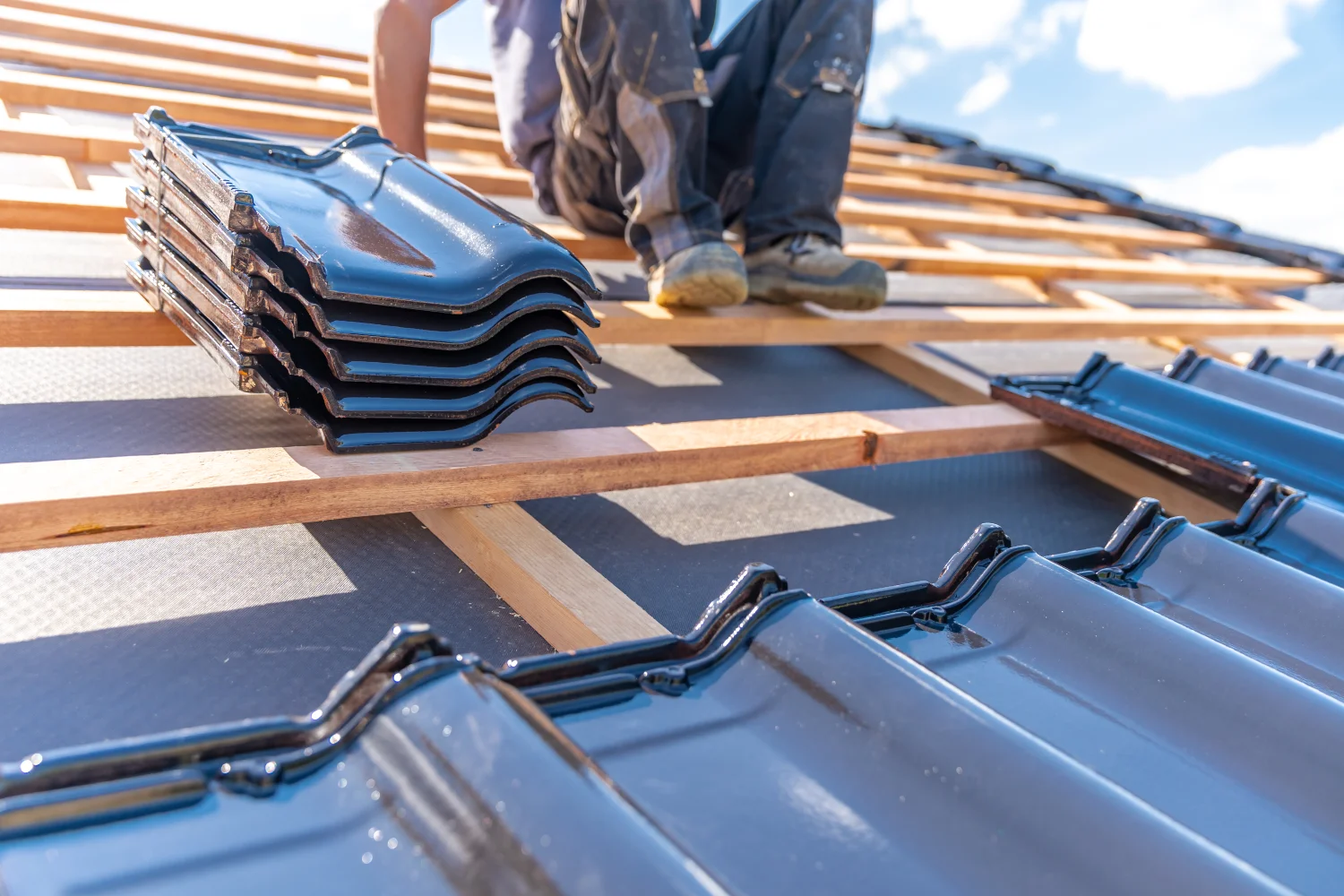
Deciding to install a new roof is a significant investment, so it is worth understanding what should be assessed before any major work begins. A roof may look tired from the outside, but appearance alone does not establish whether complete replacement is necessary.
Equally, a roof that appears acceptable from ground level may have problems beneath the covering, around junctions or within the supporting structure. A proper assessment should therefore look at the roof as a complete system.
For homeowners considering a new roof Worthing properties can rely on for years to come, understanding the assessment process can make it easier to compare recommendations and avoid committing to unnecessary work.
If you are considering replacing your roof, All Roofing Works can assess its current condition and explain whether repair or replacement is the more appropriate route for your property.
Why should a roof be assessed before replacement?
A roof replacement should be based on its actual condition rather than a single visible defect.
For example, several damaged tiles do not necessarily mean the entire roof has reached the end of its useful life. On the other hand, a roof may have widespread deterioration that is not obvious from the ground.
A proper assessment helps establish:
- The extent of existing damage
- The age and condition of the roof
- Whether previous repairs have been successful
- The condition of vulnerable junctions
- Whether the supporting structure remains sound
- Whether replacement would offer a worthwhile long-term benefit
This creates a more reliable basis for deciding what work is genuinely required.
What should a roof repair company check first?
The first step is usually an assessment of the roof covering and visible defects.
A reputable roof repair company should look for signs such as:
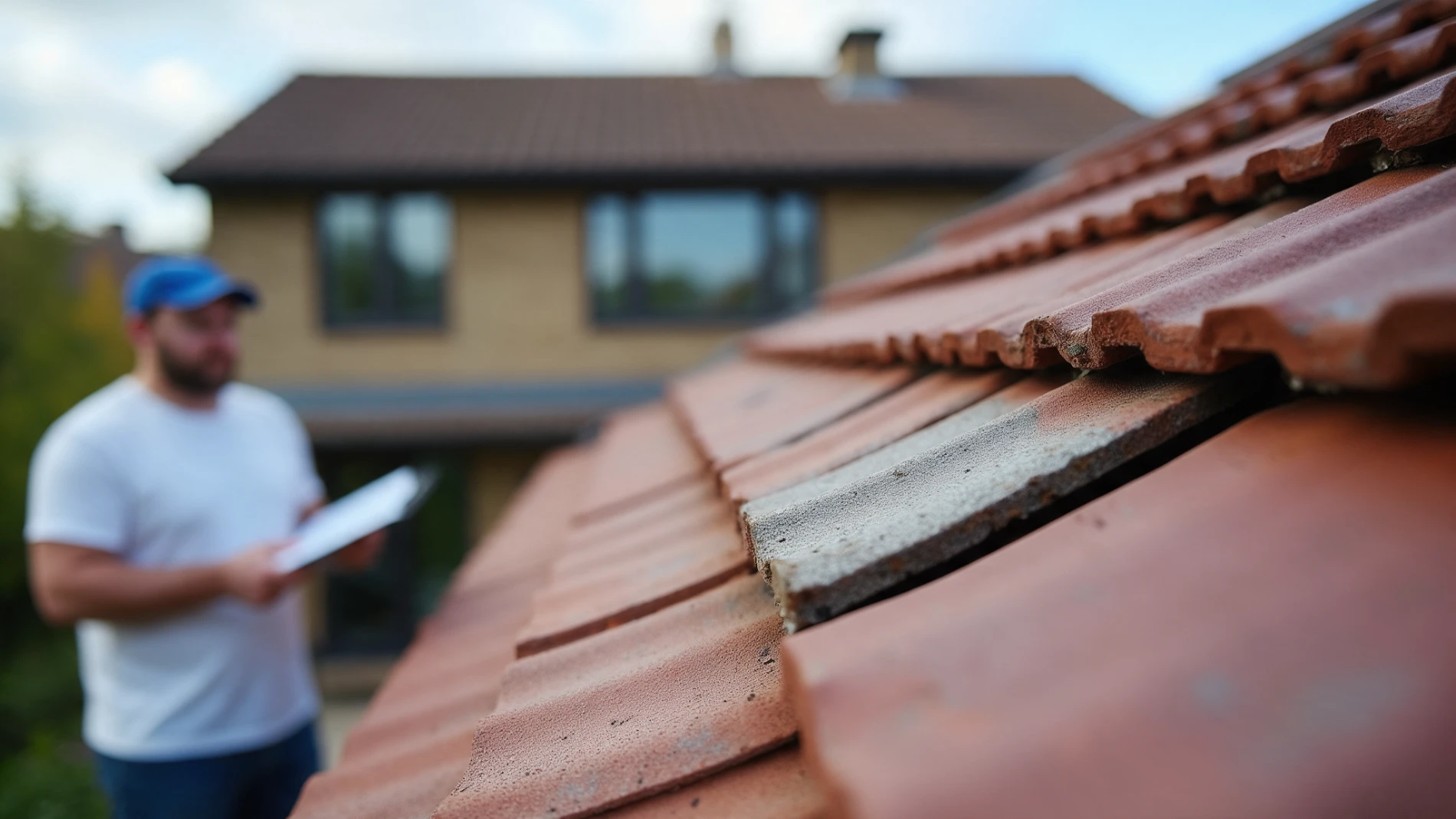
- Missing or slipped tiles
- Cracked slates
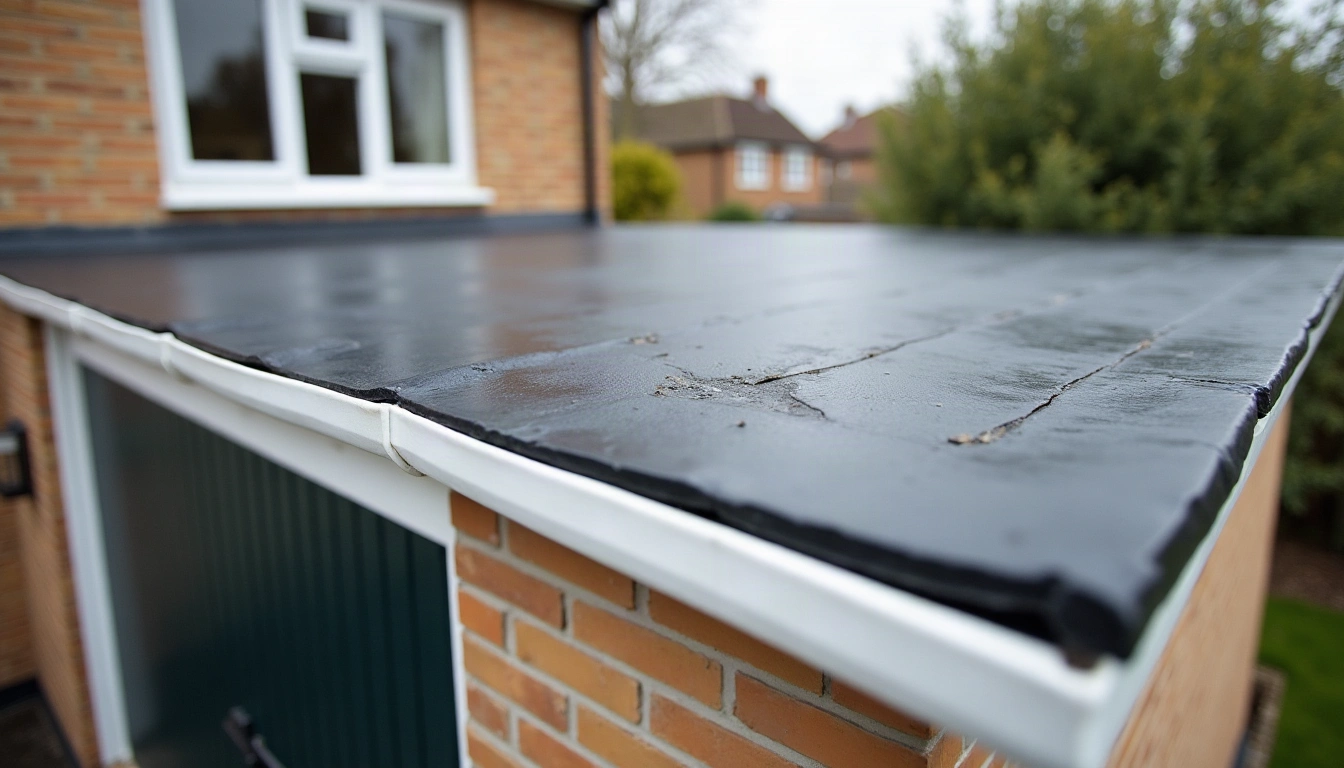
- Broken or deteriorated roof coverings
- Damaged flashing
- Defective ridge or verge details
- Moss or debris contributing to drainage problems
- Signs of previous patch repairs
- Areas where water may be entering
The inspection should not stop at the most obvious defect. Roofing systems work as connected components, so a problem in one area may affect another.
Should the roof structure be assessed as well?
Yes. The condition of the roof covering is only part of the picture.
Where accessible, the inspection may consider roof timbers, battens, underlay and other supporting materials. Persistent water ingress can affect these components over time, while movement or deterioration can contribute to problems with the external covering.
A roof replacement can provide an opportunity to identify and address underlying issues before a new covering is installed.
This is particularly important if the roof has experienced recurring leaks or if there are visible signs of sagging or movement.
How important are roof junctions and flashing?
Junctions deserve close attention because they are common points for water ingress.
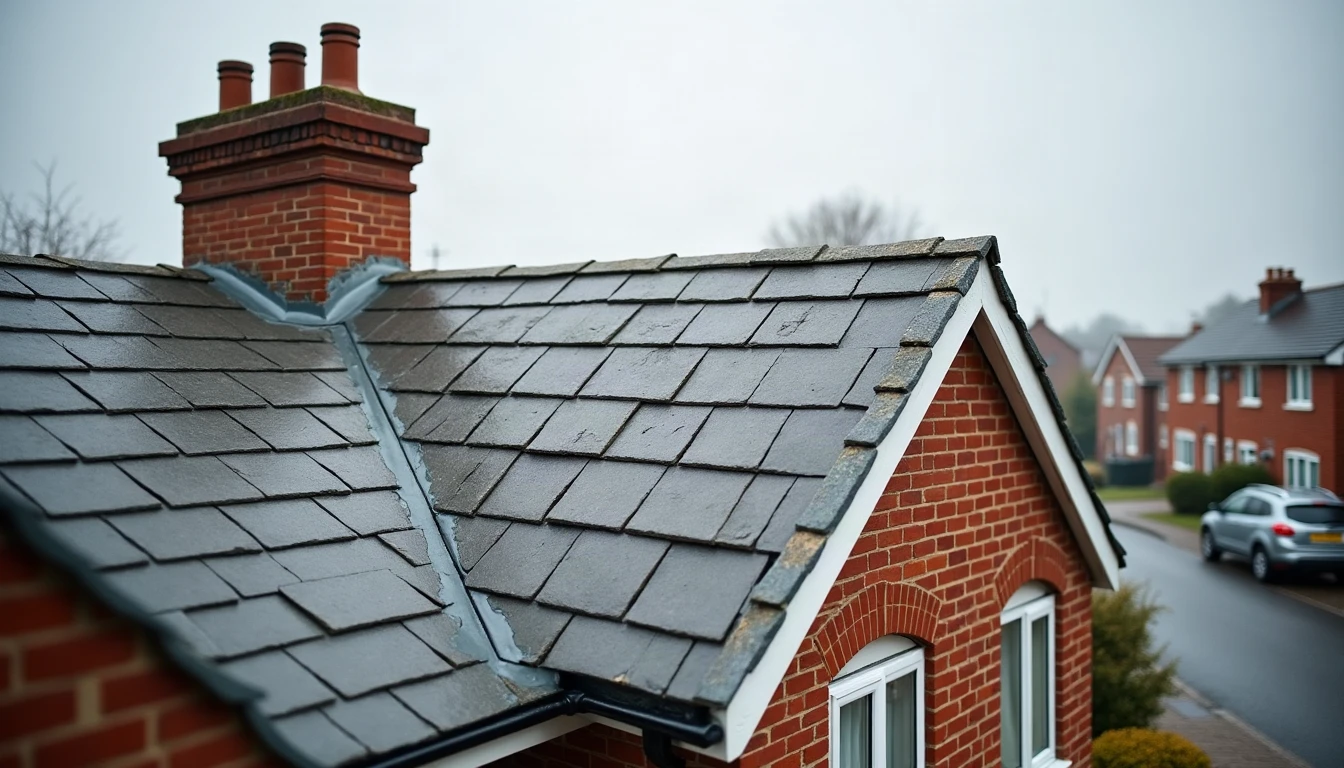
Areas around chimneys, valleys, roof edges, skylights and other penetrations need to be properly assessed. Flashing should also be checked for signs of deterioration, movement or previous unsuccessful repairs.
A new roof will only perform as expected if these details are correctly addressed.
Simply installing a new covering while leaving defective junctions untouched could allow the same water-related problems to return.
What condition should the existing tiles or slates be in?
The condition of the roof covering helps determine whether repair or replacement makes more sense.
Individual defects may be repairable where most of the roof remains sound. However, widespread cracking, brittleness, deterioration or repeated displacement can suggest that the covering is becoming less reliable.
The assessment should consider:
| Factor | Why it matters |
|---|---|
| Material age | Helps indicate remaining service life |
| General condition | Shows whether deterioration is isolated or widespread |
| Previous repairs | Repeated repairs may indicate ongoing problems |
| Fixings | Poor or deteriorated fixings can cause movement |
| Water ingress | Indicates whether the roof remains weatherproof |
| Supporting materials | Hidden deterioration may affect the replacement scope |
| Junctions | Weak details can undermine an otherwise new roof |
There is no single age at which every roof should be replaced. Material type, installation, exposure and maintenance history all matter.
Does ventilation need to be considered before installing a new roof?
It can be important, particularly where changes to the roof covering or insulation could affect airflow.
Adequate ventilation helps manage moisture within the roof space. If condensation has previously been a problem, simply installing new external materials without considering ventilation may not address the underlying cause.
An assessment should therefore consider the existing roof construction and whether any proposed work changes how the roof space functions.
This is especially relevant when additional insulation or other improvements are being considered at the same time.
What about drainage and rainwater management?
Rainwater needs a clear route away from the roof.
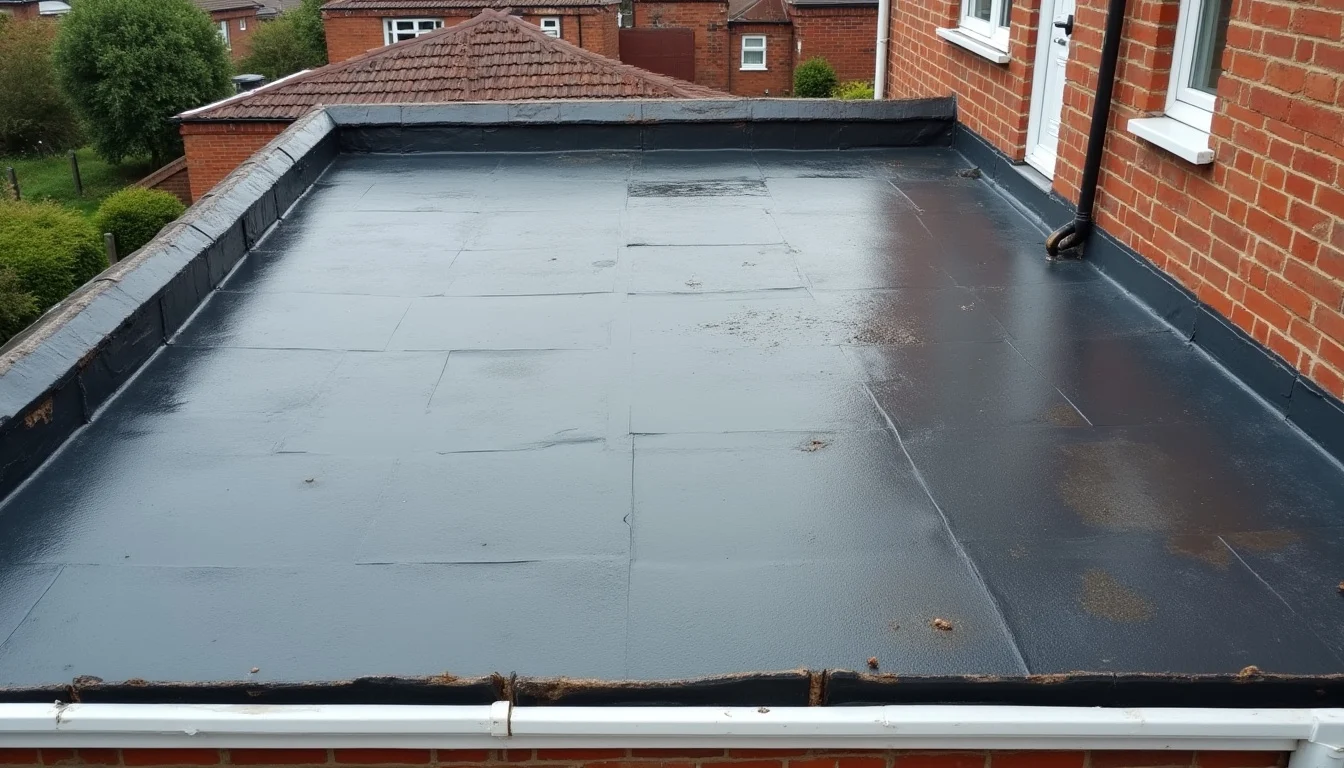
Gutters, downpipes, valleys and other drainage elements should be checked for damage, blockages or unsuitable arrangements. A new roof cannot perform effectively if water is being directed towards vulnerable areas or allowed to accumulate.
Poor drainage can also contribute to staining, dampness and deterioration around the roof perimeter.
A roof repair company assessing a potential replacement should therefore consider the relationship between the roof covering and its rainwater disposal system.
Does the roof’s history matter before replacement?
Yes. Previous repairs can provide useful clues about how the roof has performed over time.
A history of repeated leaks in the same area may indicate an unresolved junction problem. Multiple repairs across different sections may suggest wider deterioration.
Homeowners can help by providing information about:
- Previous roofing work
- Known leaks
- Storm damage
- Recent repairs
- Changes to the property
- Any recurring damp patches
This background can make the assessment more informative and help explain why particular recommendations are being made.
If your roof has already undergone several repairs, speak to All Roofing Works before deciding on replacement. Understanding the repair history can help determine whether a new roof is genuinely justified.
What should be included in a new roof assessment?
A useful assessment should provide a clear picture of the existing roof and the proposed scope of work.
Ideally, homeowners should understand:
- Why replacement is being considered
- Which parts of the roof are affected
- Whether the underlying structure requires attention
- Which materials are proposed
- How vulnerable junctions will be handled
- Whether drainage needs improvement
- Whether ventilation should be considered
- What preparation is required before installation
The more clearly these points are explained, the easier it becomes to compare quotations on a like-for-like basis.
Should the proposed roofing materials be assessed?
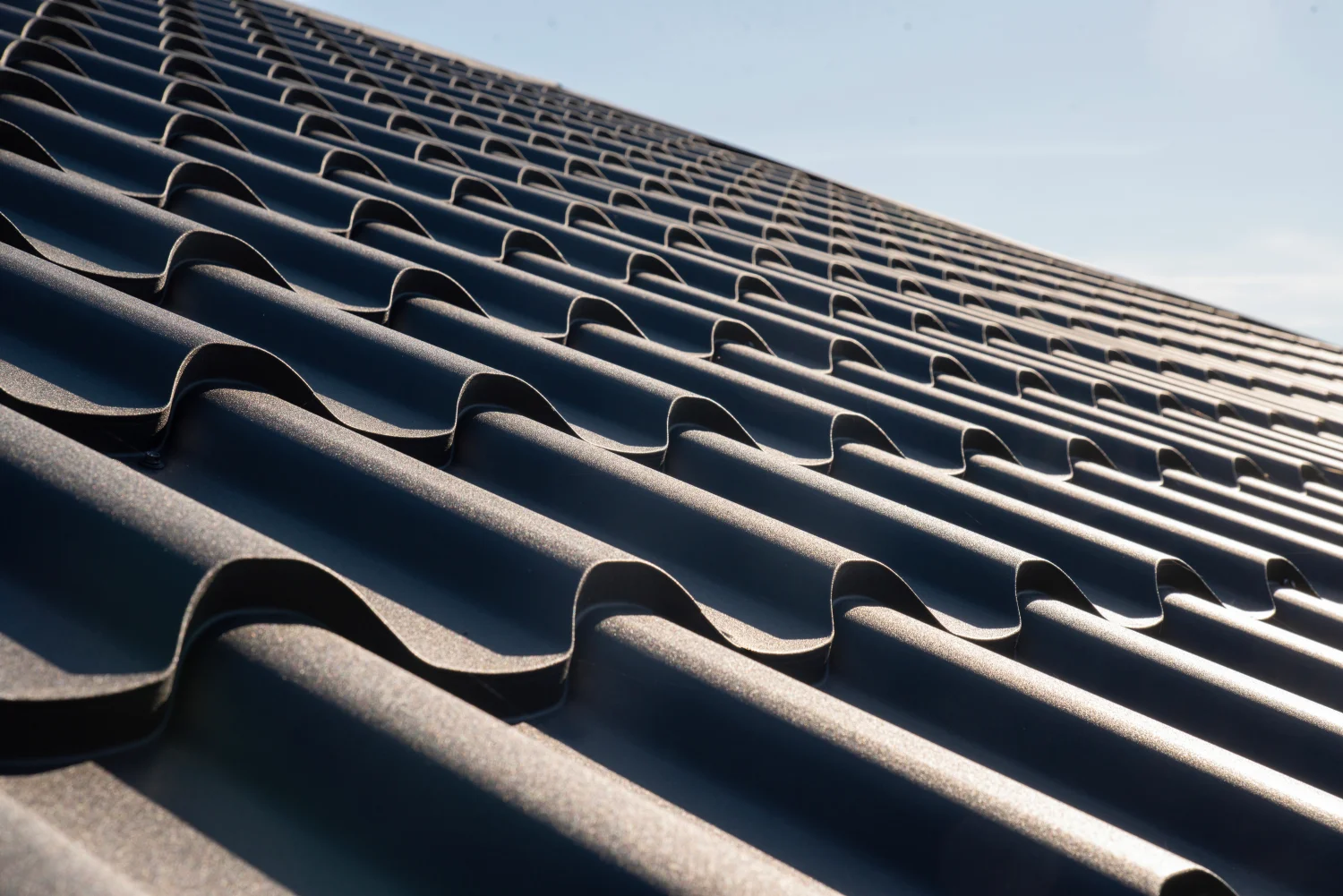
Yes. Material selection should suit the property and roof structure rather than being based solely on appearance or price.
Considerations may include:
- Existing roof design
- Roof pitch
- Exposure to weather
- Weight of the proposed covering
- Expected maintenance
- Compatibility with existing details
- Planning or building requirements where applicable
A suitable roofing material should provide the right balance between performance, durability and appearance.
What should homeowners ask before approving replacement?
Before committing to a major roofing project, it is reasonable to ask for a clear explanation of the findings.
Useful questions include:
- Why is replacement recommended?
- Which repairs have already been attempted?
- Is the underlying structure sound?
- What materials will be used?
- Are flashing and junctions included?
- Will ventilation be assessed?
- Will drainage be checked?
- What happens if hidden damage is discovered during the work?
A clear answer to these questions can provide much greater confidence in the proposed project.
A typical Worthing property example
Consider a typical semi-detached home with an ageing pitched roof. From the street, several tiles appear worn, and the homeowner assumes the entire roof needs replacing.
An inspection reveals that some tiles are damaged, but much of the roof remains serviceable. However, the assessment also identifies deteriorated flashing around a chimney and evidence of previous water ingress.
Rather than making a decision based solely on appearance, the homeowner can compare the cost and expected service life of targeted repairs against a full replacement.
In another property with widespread deterioration, repeated leaks and ageing supporting materials, replacement may provide the more sensible long-term solution.
The difference comes from the condition of the individual roof, not simply its age or appearance.
Why is an independent assessment useful?
A proper assessment gives homeowners information before they commit to significant expenditure.
It can help distinguish between:
- A roof that needs immediate repair
- A roof that can be maintained for several more years
- A roof where replacement is becoming practical
- A roof with hidden issues requiring further investigation
This does not mean every roof should be repaired indefinitely. It means the recommendation should match the actual condition of the property.
If you are planning a new roof Worthing homeowners can have confidence in, All Roofing Works can assess the existing roof and discuss the available options. Contact our team for tailored advice before committing to major work.
Related articles
What Type of Roof Do You Have?
Please select the roof type of your property. This helps us determine the best installation method and equipment for your home.
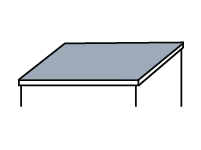
Flat Roof
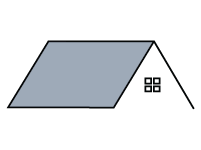
Pitched Roof
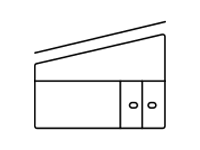
Commercial Roof
At a glance
Introduction
Deciding to install a new roof is a significant investment, so it is worth understanding what should be assessed before any major work begins. A roof may look tired from the outside, but appearance alone does not establish whether complete replacement is necessary.
Equally, a roof that appears acceptable from ground level may have problems beneath the covering, around junctions or within the supporting structure. A proper assessment should therefore look at the roof as a complete system.
For homeowners considering a new roof Worthing properties can rely on for years to come, understanding the assessment process can make it easier to compare recommendations and avoid committing to unnecessary work.
If you are considering replacing your roof, All Roofing Works can assess its current condition and explain whether repair or replacement is the more appropriate route for your property.
Why should a roof be assessed before replacement?
A roof replacement should be based on its actual condition rather than a single visible defect.
For example, several damaged tiles do not necessarily mean the entire roof has reached the end of its useful life. On the other hand, a roof may have widespread deterioration that is not obvious from the ground.
A proper assessment helps establish:
- The extent of existing damage
- The age and condition of the roof
- Whether previous repairs have been successful
- The condition of vulnerable junctions
- Whether the supporting structure remains sound
- Whether replacement would offer a worthwhile long-term benefit
This creates a more reliable basis for deciding what work is genuinely required.
What should a roof repair company check first?
The first step is usually an assessment of the roof covering and visible defects.
A reputable roof repair company should look for signs such as:
- Missing or slipped tiles
- Cracked slates
- Broken or deteriorated roof coverings
- Damaged flashing
- Defective ridge or verge details
- Moss or debris contributing to drainage problems
- Signs of previous patch repairs
- Areas where water may be entering
The inspection should not stop at the most obvious defect. Roofing systems work as connected components, so a problem in one area may affect another.
Should the roof structure be assessed as well?
Yes. The condition of the roof covering is only part of the picture.
Where accessible, the inspection may consider roof timbers, battens, underlay and other supporting materials. Persistent water ingress can affect these components over time, while movement or deterioration can contribute to problems with the external covering.
A roof replacement can provide an opportunity to identify and address underlying issues before a new covering is installed.
This is particularly important if the roof has experienced recurring leaks or if there are visible signs of sagging or movement.
How important are roof junctions and flashing?
Junctions deserve close attention because they are common points for water ingress.
Areas around chimneys, valleys, roof edges, skylights and other penetrations need to be properly assessed. Flashing should also be checked for signs of deterioration, movement or previous unsuccessful repairs.
A new roof will only perform as expected if these details are correctly addressed.
Simply installing a new covering while leaving defective junctions untouched could allow the same water-related problems to return.
What condition should the existing tiles or slates be in?
The condition of the roof covering helps determine whether repair or replacement makes more sense.
Individual defects may be repairable where most of the roof remains sound. However, widespread cracking, brittleness, deterioration or repeated displacement can suggest that the covering is becoming less reliable.
The assessment should consider:
| Factor | Why it matters |
|---|---|
| Material age | Helps indicate remaining service life |
| General condition | Shows whether deterioration is isolated or widespread |
| Previous repairs | Repeated repairs may indicate ongoing problems |
| Fixings | Poor or deteriorated fixings can cause movement |
| Water ingress | Indicates whether the roof remains weatherproof |
| Supporting materials | Hidden deterioration may affect the replacement scope |
| Junctions | Weak details can undermine an otherwise new roof |
There is no single age at which every roof should be replaced. Material type, installation, exposure and maintenance history all matter.
Does ventilation need to be considered before installing a new roof?
It can be important, particularly where changes to the roof covering or insulation could affect airflow.
Adequate ventilation helps manage moisture within the roof space. If condensation has previously been a problem, simply installing new external materials without considering ventilation may not address the underlying cause.
An assessment should therefore consider the existing roof construction and whether any proposed work changes how the roof space functions.
This is especially relevant when additional insulation or other improvements are being considered at the same time.
What about drainage and rainwater management?
Rainwater needs a clear route away from the roof.
Gutters, downpipes, valleys and other drainage elements should be checked for damage, blockages or unsuitable arrangements. A new roof cannot perform effectively if water is being directed towards vulnerable areas or allowed to accumulate.
Poor drainage can also contribute to staining, dampness and deterioration around the roof perimeter.
A roof repair company assessing a potential replacement should therefore consider the relationship between the roof covering and its rainwater disposal system.
Does the roof’s history matter before replacement?
Yes. Previous repairs can provide useful clues about how the roof has performed over time.
A history of repeated leaks in the same area may indicate an unresolved junction problem. Multiple repairs across different sections may suggest wider deterioration.
Homeowners can help by providing information about:
- Previous roofing work
- Known leaks
- Storm damage
- Recent repairs
- Changes to the property
- Any recurring damp patches
This background can make the assessment more informative and help explain why particular recommendations are being made.
If your roof has already undergone several repairs, speak to All Roofing Works before deciding on replacement. Understanding the repair history can help determine whether a new roof is genuinely justified.
What should be included in a new roof assessment?
A useful assessment should provide a clear picture of the existing roof and the proposed scope of work.
Ideally, homeowners should understand:
- Why replacement is being considered
- Which parts of the roof are affected
- Whether the underlying structure requires attention
- Which materials are proposed
- How vulnerable junctions will be handled
- Whether drainage needs improvement
- Whether ventilation should be considered
- What preparation is required before installation
The more clearly these points are explained, the easier it becomes to compare quotations on a like-for-like basis.
Should the proposed roofing materials be assessed?
Yes. Material selection should suit the property and roof structure rather than being based solely on appearance or price.
Considerations may include:
- Existing roof design
- Roof pitch
- Exposure to weather
- Weight of the proposed covering
- Expected maintenance
- Compatibility with existing details
- Planning or building requirements where applicable
A suitable roofing material should provide the right balance between performance, durability and appearance.
What should homeowners ask before approving replacement?
Before committing to a major roofing project, it is reasonable to ask for a clear explanation of the findings.
Useful questions include:
- Why is replacement recommended?
- Which repairs have already been attempted?
- Is the underlying structure sound?
- What materials will be used?
- Are flashing and junctions included?
- Will ventilation be assessed?
- Will drainage be checked?
- What happens if hidden damage is discovered during the work?
A clear answer to these questions can provide much greater confidence in the proposed project.
A typical Worthing property example
Consider a typical semi-detached home with an ageing pitched roof. From the street, several tiles appear worn, and the homeowner assumes the entire roof needs replacing.
An inspection reveals that some tiles are damaged, but much of the roof remains serviceable. However, the assessment also identifies deteriorated flashing around a chimney and evidence of previous water ingress.
Rather than making a decision based solely on appearance, the homeowner can compare the cost and expected service life of targeted repairs against a full replacement.
In another property with widespread deterioration, repeated leaks and ageing supporting materials, replacement may provide the more sensible long-term solution.
The difference comes from the condition of the individual roof, not simply its age or appearance.
Why is an independent assessment useful?
A proper assessment gives homeowners information before they commit to significant expenditure.
It can help distinguish between:
- A roof that needs immediate repair
- A roof that can be maintained for several more years
- A roof where replacement is becoming practical
- A roof with hidden issues requiring further investigation
This does not mean every roof should be repaired indefinitely. It means the recommendation should match the actual condition of the property.
If you are planning a new roof Worthing homeowners can have confidence in, All Roofing Works can assess the existing roof and discuss the available options. Contact our team for tailored advice before committing to major work.
Related articles
What Type of Roof Do You Have?
Please select the roof type of your property. This helps us determine the best installation method and equipment for your home.
Flat Roof
Pitched Roof
Commercial Roof