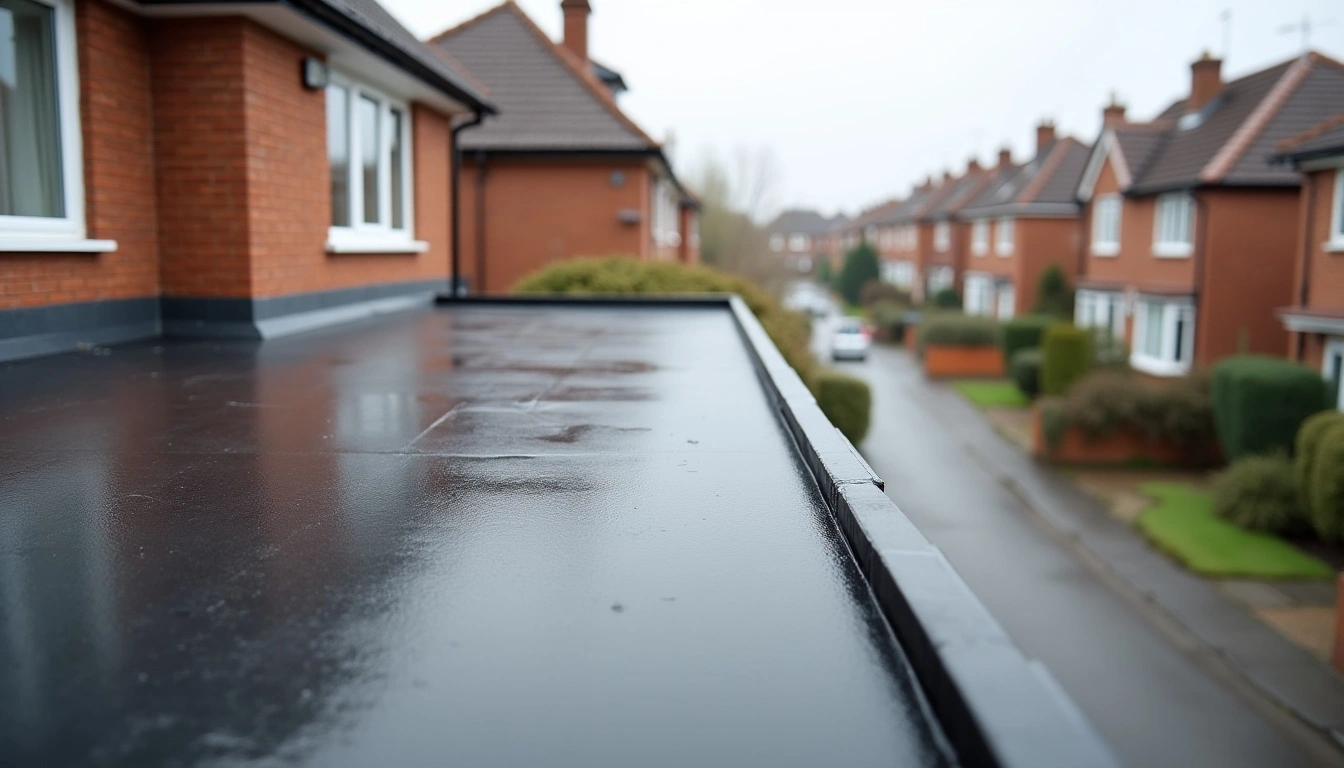
Why Do Flat Roof Edges and Chimney Flashing Become Weak Points in Wet Weather?
Flat roof edges and chimney flashing are among the first areas to fail in wet weather. As materials age and joints deteriorate, even moderate rainfall can find a way into your home.

Why you can trust our content
We understand that the roofing industry can be confusing, with plenty of outdated or misleading information. That’s why we rely only on trusted, proven sources to guide our advice and installations:






At a glance
For Worthing homeowners, recognising these early warning signs can mean the difference between a simple repair and costly structural damage.
Introduction
Some of the most vulnerable parts of a roof are not found in the middle of the main covering. Edges, corners, junctions and areas around chimneys often require more detailed construction, which means they can become weak points as materials age and weather conditions take their toll.
Wet weather can expose these weaknesses quickly. Rainwater can collect around poorly draining areas, while wind can lift or disturb roof coverings and force moisture into gaps around flashing. On a flat roof, even a small defect near an edge can become a route for water into the structure below.
For Worthing homeowners, understanding why these areas fail can make it easier to spot early warning signs and arrange the right repair before moisture causes more extensive damage.
Why Are Flat Roof Edges So Important?
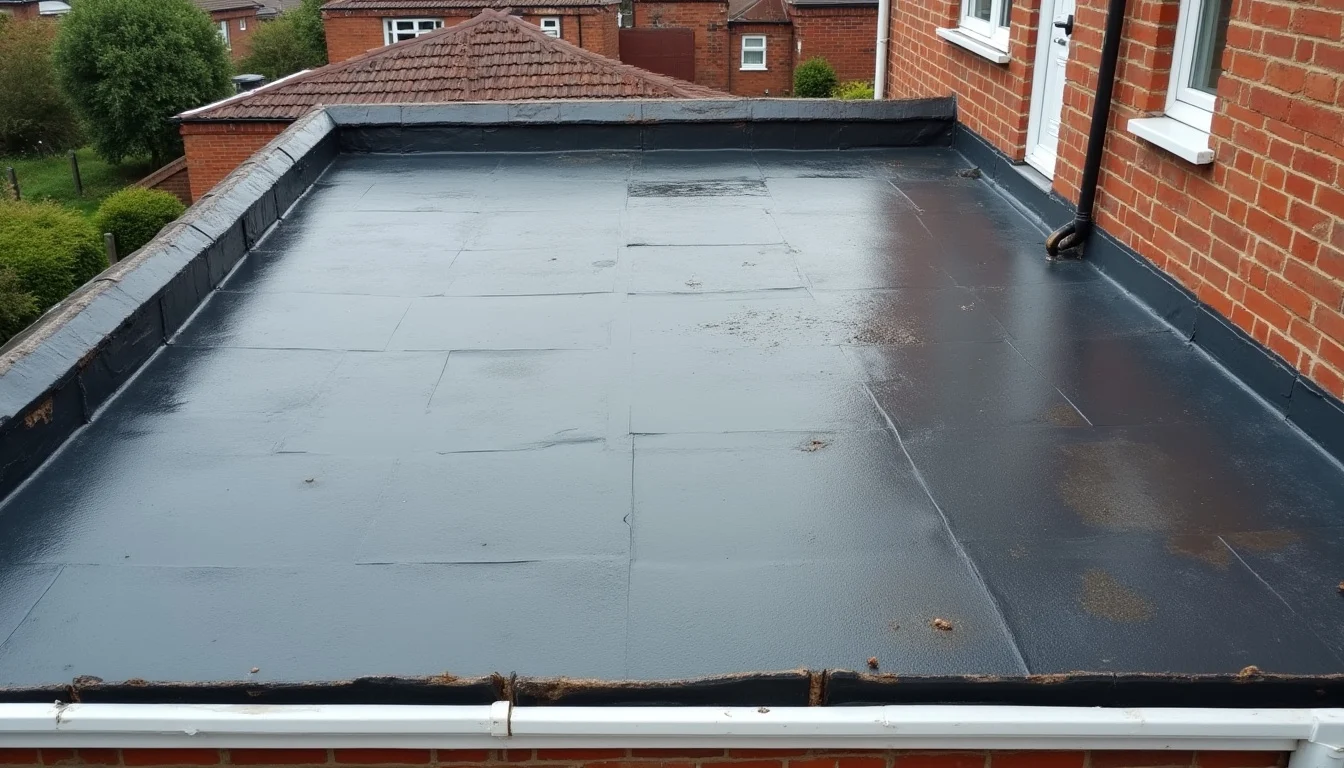
A flat roof is not completely level. It is normally designed with a slight fall so that rainwater can drain towards outlets or edges.
The perimeter of the roof needs to contain and direct water while also protecting the underlying structure. This makes the edge detail particularly important.
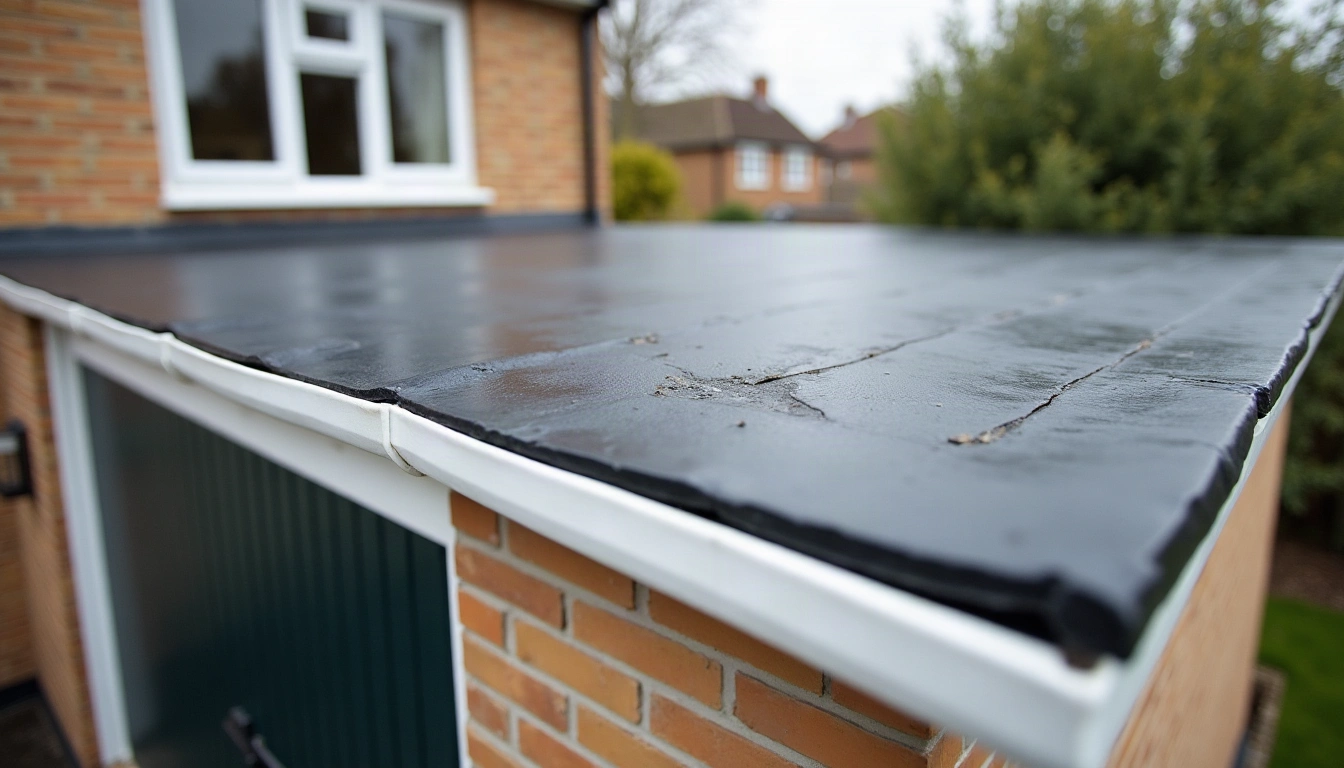
Common problems around flat roof edges include:
- Loose or deteriorated coverings
- Cracked materials
- Damaged trims
- Failed joints
- Poorly secured edges
- Water pooling close to the perimeter
- Deterioration where the roof meets another structure
If an edge becomes compromised, water may find its way underneath the waterproofing layer rather than simply flowing towards the drainage point.
This is one reason why a flat roof repair Worthing assessment should examine the roof perimeter rather than concentrating only on the most obvious damaged patch.
How Does Wet Weather Affect Flat Roof Edges?
Rain itself is not normally a problem for a properly installed roof. The difficulty arises when water repeatedly encounters an already weakened detail.
Persistent moisture can exploit cracks and openings. Strong winds can make matters worse by placing additional stress on loose edges or lifting vulnerable materials.
During periods of heavy rain, homeowners may notice:
- Water collecting in previously dry areas
- Dampness around ceilings near external walls
- Staining close to roof edges
- Overflow from gutters or outlets
- Drips appearing after prolonged rainfall
Water does not always enter directly beneath the visible defect. It can travel within the roof construction before becoming noticeable indoors.
What Makes Chimney Flashing Vulnerable?
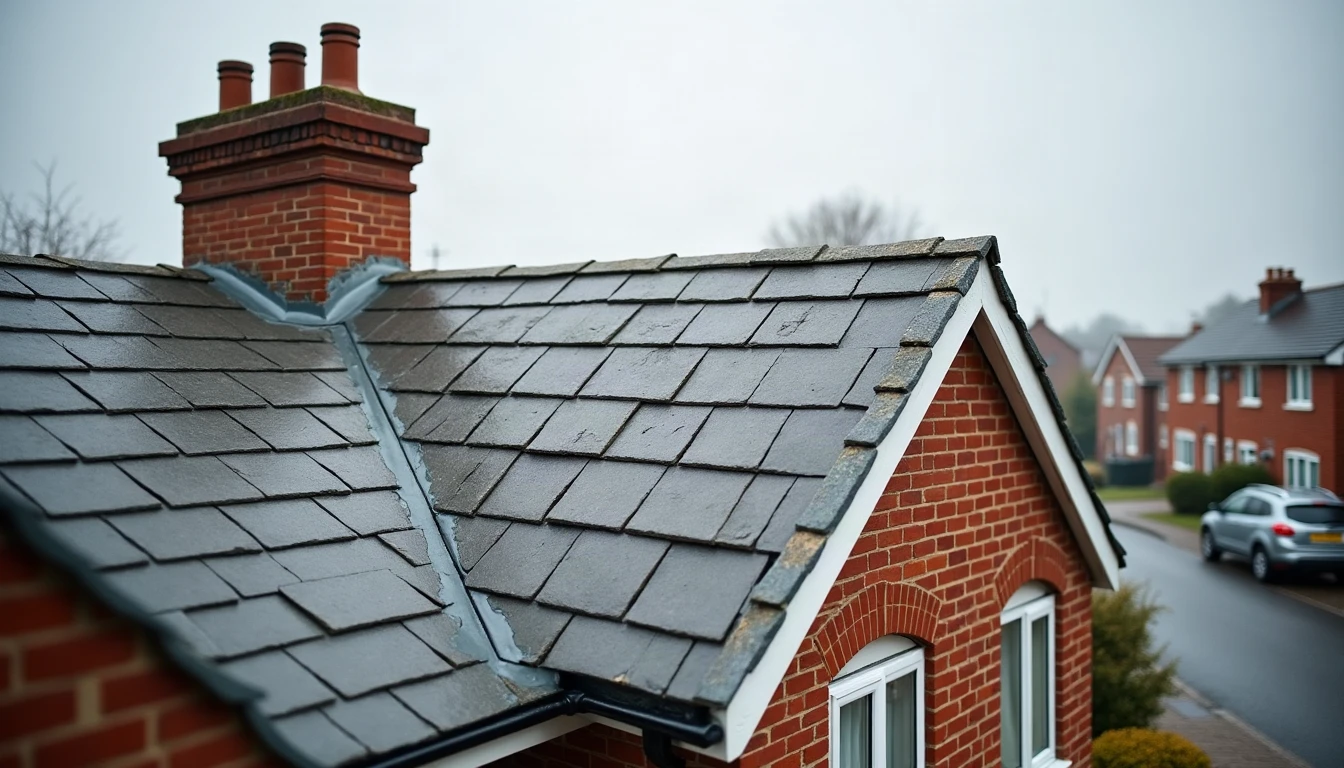
Chimneys create a break in the roof covering. Instead of having one continuous waterproof surface, the roof needs a carefully sealed junction around the chimney structure.
Flashing helps direct rainwater away from this junction.
Over time, flashing can become vulnerable because of:
- Ageing materials
- Movement between the chimney and roof
- Cracked mortar
- Loose sections
- Poor previous repairs
- Corrosion or deterioration
- Repeated exposure to wind and rain
The chimney itself can also require attention. Deteriorated pointing or damaged masonry can create additional routes for moisture.
A problem around the chimney does not necessarily mean the flashing itself is the only issue.
How Can a Small Flashing Defect Cause a Larger Leak?
Water entering around a chimney can move into the roof structure before appearing internally. By the time a homeowner sees a damp patch, the original entry point may be difficult to identify.
For example, a small gap at the junction between flashing and masonry could allow water to enter during wind-driven rain. The water may then travel along timber before reaching the ceiling below.
This makes diagnosis important.
Simply applying sealant to the visible area may provide temporary improvement but may not address damaged flashing, deteriorated mortar or movement within the junction.
What Signs Suggest a Flat Roof Edge Needs Attention?
Flat roof problems are often easier to manage when identified before water reaches the internal structure.
Look out for:
- Cracking along the roof perimeter
- Loose or lifting edge materials
- Damaged trims
- Standing water
- Visible deterioration around outlets
- Damp patches on ceilings
- Water staining near external walls
- Previous patches that are beginning to fail
A single sign does not necessarily mean that the entire roof needs extensive work. However, several issues appearing together may indicate that the waterproofing system is deteriorating more broadly.
What Warning Signs Point to Chimney Flashing Problems?
Chimney-related leaks can be particularly difficult to diagnose because several components meet in one relatively small area.
Potential warning signs include:
- Dampness around chimney breasts
- Water marks appearing after heavy rain
- Cracked or missing mortar around flashing
- Visible gaps between flashing and masonry
- Loose sections of lead or other flashing
- Damp loft timbers near the chimney
- Repeated internal staining despite previous repairs
If the same area leaks repeatedly, it is worth investigating the junction properly rather than simply treating each new stain.
Why Do Flat Roof Repairs Sometimes Fail?
A repair may fail prematurely when the visible damage is only one part of a wider problem.
For instance, a small patch can seal one split but leave surrounding waterproofing severely aged. Similarly, repairing an edge without correcting poor drainage can leave the roof exposed to continued water accumulation.
Before carrying out flat roof repair Worthing, it is useful to consider:
- The age and condition of the waterproofing
- Drainage and roof falls
- Edge details
- Previous repairs
- Junctions with walls and chimneys
- Signs of moisture beneath the surface
The objective should be to restore reliable weather protection, not simply cover the most obvious mark.
How Should Chimney Flashing Be Inspected?
A proper assessment should consider the complete junction.
This can include checking:
|
Area |
What to look for |
|
Flashing |
Gaps, movement, damage or deterioration |
|
Mortar joints |
Cracking, missing sections or loose material |
|
Chimney masonry |
Signs of water penetration or damage |
|
Roof covering |
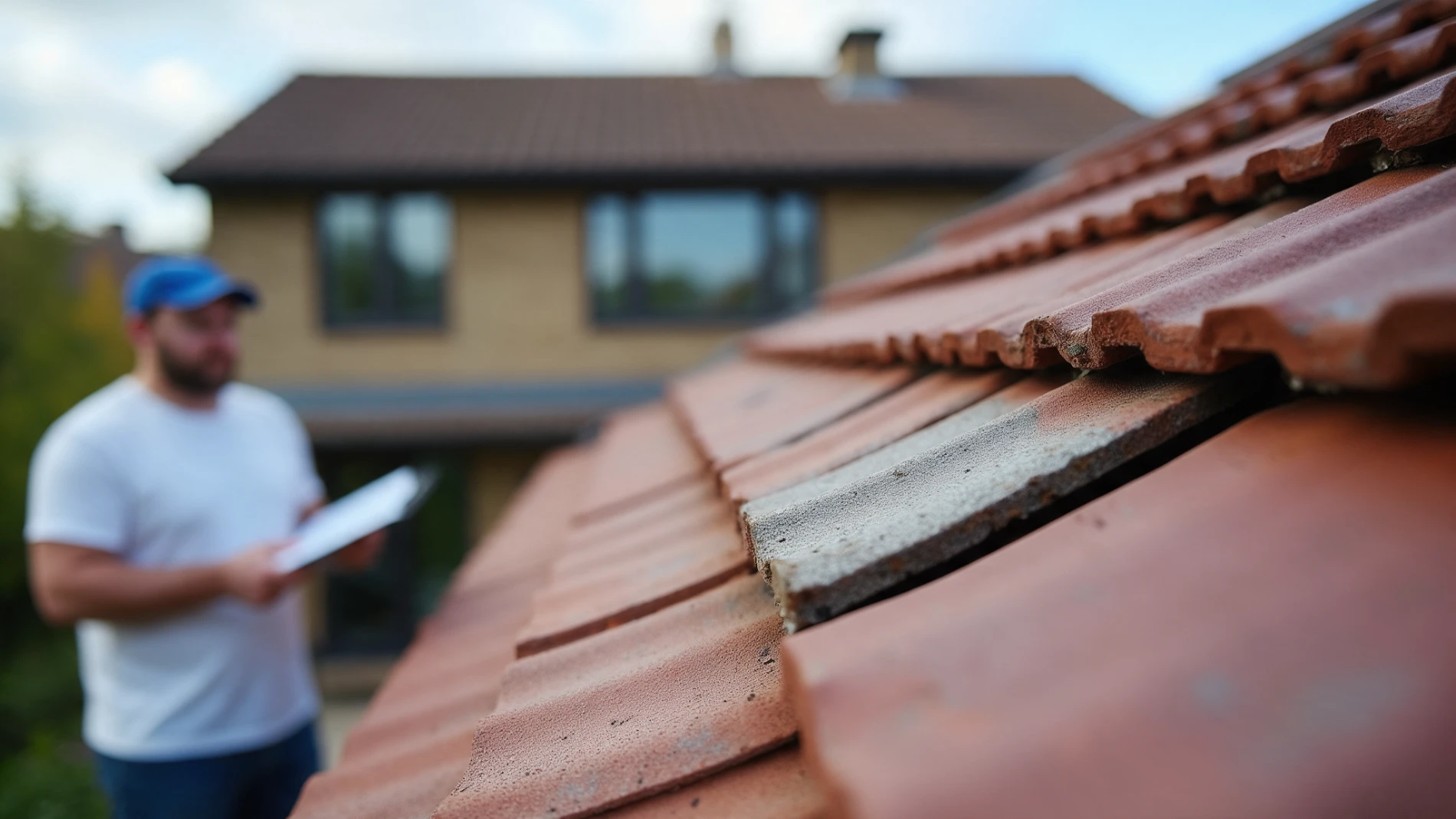
Cracked or displaced tiles/slates nearby |
|
Junctions |
Weak points where materials meet |
|
Loft space |
Damp timber or water staining |
The surrounding roof covering matters because a leak close to a chimney is not automatically caused by the flashing.
A professional inspection can help separate these possibilities.
Can Heavy Rain Expose Problems That Were Already Developing?
Yes. Wet weather often reveals an existing weakness rather than creating the entire problem from scratch.
A flashing joint may have been deteriorating gradually without causing noticeable leakage. A period of prolonged rainfall can simply provide the conditions needed for water to enter.
Similarly, a flat roof edge may have become loose over time before strong winds and heavy rain expose the weakness.
This is why a leak appearing during a storm does not necessarily mean the storm caused all of the damage. The weather may have exposed deterioration that was already present.
A Typical Worthing Property Scenario
Imagine a traditional Worthing property with a small flat roof extension and a chimney rising through the main pitched roof.
After several days of heavy rain, dampness appears on an upstairs ceiling near the chimney. The flat roof looks intact, so the homeowner initially assumes the leak must be coming from the main roof.
An inspection finds that the chimney flashing has deteriorated at one junction, while the adjacent roof covering also has minor defects. The water has travelled before becoming visible internally.
Rather than treating the ceiling stain, the roof junction is addressed at its source and the surrounding area is checked for related damage.
What Type of Roof Do You Have?
Please select the roof type of your property. This helps us determine the best installation method and equipment for your home.
Flat Roof
Pitched Roof
It just takes 60 Sec
And then you can book a free consultation
When Should You Arrange a Roof Inspection?
Prompt attention is sensible when water begins entering the property, but homeowners do not necessarily need to wait for a visible leak.
An inspection can be worthwhile when you notice:
- Repeated ponding on a flat roof
- Damaged roof edges
- Loose flashing
- Cracked mortar around a chimney
- Previous repairs that are deteriorating
- Internal dampness after rain
Early investigation may help distinguish a local repair from a broader maintenance issue.
A chimney flashing repair may be relatively straightforward when the problem is identified early, but prolonged water ingress can increase the amount of associated work required.
What Is the Right Long-Term Approach?
The best solution depends on the condition and construction of the roof.
A local repair may be appropriate where the waterproofing remains generally sound. More extensive work may be necessary where deterioration is widespread or previous repairs have repeatedly failed.
For chimney junctions, the repair should address the actual route through which water is entering. For flat roofs, drainage, edges and junctions should all be considered as part of the assessment.
Final Thoughts
Flat roof edges and chimney junctions deserve particular attention because they combine multiple materials and rely on careful detailing to keep water out. Once those details deteriorate, wet and windy weather can quickly expose the weakness.
The visible leak is not always the real source, which is why a proper assessment should consider the surrounding roof, drainage, flashing and supporting materials.
For Worthing homeowners, All Roofing Works can assess vulnerable roof areas and provide practical advice based on their actual condition. Whether a targeted repair is suitable or wider work needs consideration, dealing with the source of water ingress is the most reliable way to protect the property through future wet weather.
Related articles

What Type of Roof Do You Have?
Please select the roof type of your property. This helps us determine the best installation method and equipment for your home.
Flat Roof
Pitched Roof
Commercial Roof
At a glance
For Worthing homeowners, recognising these early warning signs can mean the difference between a simple repair and costly structural damage.
Introduction
Some of the most vulnerable parts of a roof are not found in the middle of the main covering. Edges, corners, junctions and areas around chimneys often require more detailed construction, which means they can become weak points as materials age and weather conditions take their toll.
Wet weather can expose these weaknesses quickly. Rainwater can collect around poorly draining areas, while wind can lift or disturb roof coverings and force moisture into gaps around flashing. On a flat roof, even a small defect near an edge can become a route for water into the structure below.
For Worthing homeowners, understanding why these areas fail can make it easier to spot early warning signs and arrange the right repair before moisture causes more extensive damage.
Why Are Flat Roof Edges So Important?
A flat roof is not completely level. It is normally designed with a slight fall so that rainwater can drain towards outlets or edges.
The perimeter of the roof needs to contain and direct water while also protecting the underlying structure. This makes the edge detail particularly important.
Common problems around flat roof edges include:
- Loose or deteriorated coverings
- Cracked materials
- Damaged trims
- Failed joints
- Poorly secured edges
- Water pooling close to the perimeter
- Deterioration where the roof meets another structure
If an edge becomes compromised, water may find its way underneath the waterproofing layer rather than simply flowing towards the drainage point.
This is one reason why a flat roof repair Worthing assessment should examine the roof perimeter rather than concentrating only on the most obvious damaged patch.
How Does Wet Weather Affect Flat Roof Edges?
Rain itself is not normally a problem for a properly installed roof. The difficulty arises when water repeatedly encounters an already weakened detail.
Persistent moisture can exploit cracks and openings. Strong winds can make matters worse by placing additional stress on loose edges or lifting vulnerable materials.
During periods of heavy rain, homeowners may notice:
- Water collecting in previously dry areas
- Dampness around ceilings near external walls
- Staining close to roof edges
- Overflow from gutters or outlets
- Drips appearing after prolonged rainfall
Water does not always enter directly beneath the visible defect. It can travel within the roof construction before becoming noticeable indoors.
What Makes Chimney Flashing Vulnerable?
Chimneys create a break in the roof covering. Instead of having one continuous waterproof surface, the roof needs a carefully sealed junction around the chimney structure.
Flashing helps direct rainwater away from this junction.
Over time, flashing can become vulnerable because of:
- Ageing materials
- Movement between the chimney and roof
- Cracked mortar
- Loose sections
- Poor previous repairs
- Corrosion or deterioration
- Repeated exposure to wind and rain
The chimney itself can also require attention. Deteriorated pointing or damaged masonry can create additional routes for moisture.
A problem around the chimney does not necessarily mean the flashing itself is the only issue.
How Can a Small Flashing Defect Cause a Larger Leak?
Water entering around a chimney can move into the roof structure before appearing internally. By the time a homeowner sees a damp patch, the original entry point may be difficult to identify.
For example, a small gap at the junction between flashing and masonry could allow water to enter during wind-driven rain. The water may then travel along timber before reaching the ceiling below.
This makes diagnosis important.
Simply applying sealant to the visible area may provide temporary improvement but may not address damaged flashing, deteriorated mortar or movement within the junction.
What Signs Suggest a Flat Roof Edge Needs Attention?
Flat roof problems are often easier to manage when identified before water reaches the internal structure.
Look out for:
- Cracking along the roof perimeter
- Loose or lifting edge materials
- Damaged trims
- Standing water
- Visible deterioration around outlets
- Damp patches on ceilings
- Water staining near external walls
- Previous patches that are beginning to fail
A single sign does not necessarily mean that the entire roof needs extensive work. However, several issues appearing together may indicate that the waterproofing system is deteriorating more broadly.
What Warning Signs Point to Chimney Flashing Problems?
Chimney-related leaks can be particularly difficult to diagnose because several components meet in one relatively small area.
Potential warning signs include:
- Dampness around chimney breasts
- Water marks appearing after heavy rain
- Cracked or missing mortar around flashing
- Visible gaps between flashing and masonry
- Loose sections of lead or other flashing
- Damp loft timbers near the chimney
- Repeated internal staining despite previous repairs
If the same area leaks repeatedly, it is worth investigating the junction properly rather than simply treating each new stain.
Why Do Flat Roof Repairs Sometimes Fail?
A repair may fail prematurely when the visible damage is only one part of a wider problem.
For instance, a small patch can seal one split but leave surrounding waterproofing severely aged. Similarly, repairing an edge without correcting poor drainage can leave the roof exposed to continued water accumulation.
Before carrying out flat roof repair Worthing, it is useful to consider:
- The age and condition of the waterproofing
- Drainage and roof falls
- Edge details
- Previous repairs
- Junctions with walls and chimneys
- Signs of moisture beneath the surface
The objective should be to restore reliable weather protection, not simply cover the most obvious mark.
How Should Chimney Flashing Be Inspected?
A proper assessment should consider the complete junction.
This can include checking:
|
Area |
What to look for |
|
Flashing |
Gaps, movement, damage or deterioration |
|
Mortar joints |
Cracking, missing sections or loose material |
|
Chimney masonry |
Signs of water penetration or damage |
|
Roof covering |
Cracked or displaced tiles/slates nearby |
|
Junctions |
Weak points where materials meet |
|
Loft space |
Damp timber or water staining |
The surrounding roof covering matters because a leak close to a chimney is not automatically caused by the flashing.
A professional inspection can help separate these possibilities.
Can Heavy Rain Expose Problems That Were Already Developing?
Yes. Wet weather often reveals an existing weakness rather than creating the entire problem from scratch.
A flashing joint may have been deteriorating gradually without causing noticeable leakage. A period of prolonged rainfall can simply provide the conditions needed for water to enter.
Similarly, a flat roof edge may have become loose over time before strong winds and heavy rain expose the weakness.
This is why a leak appearing during a storm does not necessarily mean the storm caused all of the damage. The weather may have exposed deterioration that was already present.
A Typical Worthing Property Scenario
Imagine a traditional Worthing property with a small flat roof extension and a chimney rising through the main pitched roof.
After several days of heavy rain, dampness appears on an upstairs ceiling near the chimney. The flat roof looks intact, so the homeowner initially assumes the leak must be coming from the main roof.
An inspection finds that the chimney flashing has deteriorated at one junction, while the adjacent roof covering also has minor defects. The water has travelled before becoming visible internally.
Rather than treating the ceiling stain, the roof junction is addressed at its source and the surrounding area is checked for related damage.
What Type of Roof Do You Have?
Please select the roof type of your property. This helps us determine the best installation method and equipment for your home.
Flat Roof
Pitched Roof
It just takes 60 Sec
And then you can book a free consultation
When Should You Arrange a Roof Inspection?
Prompt attention is sensible when water begins entering the property, but homeowners do not necessarily need to wait for a visible leak.
An inspection can be worthwhile when you notice:
- Repeated ponding on a flat roof
- Damaged roof edges
- Loose flashing
- Cracked mortar around a chimney
- Previous repairs that are deteriorating
- Internal dampness after rain
Early investigation may help distinguish a local repair from a broader maintenance issue.
A chimney flashing repair may be relatively straightforward when the problem is identified early, but prolonged water ingress can increase the amount of associated work required.
What Is the Right Long-Term Approach?
The best solution depends on the condition and construction of the roof.
A local repair may be appropriate where the waterproofing remains generally sound. More extensive work may be necessary where deterioration is widespread or previous repairs have repeatedly failed.
For chimney junctions, the repair should address the actual route through which water is entering. For flat roofs, drainage, edges and junctions should all be considered as part of the assessment.
Final Thoughts
Flat roof edges and chimney junctions deserve particular attention because they combine multiple materials and rely on careful detailing to keep water out. Once those details deteriorate, wet and windy weather can quickly expose the weakness.
The visible leak is not always the real source, which is why a proper assessment should consider the surrounding roof, drainage, flashing and supporting materials.
For Worthing homeowners, All Roofing Works can assess vulnerable roof areas and provide practical advice based on their actual condition. Whether a targeted repair is suitable or wider work needs consideration, dealing with the source of water ingress is the most reliable way to protect the property through future wet weather.
Related articles
What Type of Roof Do You Have?
Please select the roof type of your property. This helps us determine the best installation method and equipment for your home.
Flat Roof
Pitched Roof
Commercial Roof