When Is a Leaking Roof Beyond a Patch? Budgeting for Roof Installation in Worthing
A leaking roof doesn’t always mean you need a new one but repeated leaks and ageing materials can eventually make patching a false economy.

Why you can trust our content
We understand that the roofing industry can be confusing, with plenty of outdated or misleading information. That’s why we rely only on trusted, proven sources to guide our advice and installations:






At a glance
This guide helps Worthing homeowners budget realistically for roof installation and know when it’s genuinely the smarter choice.
Introduction
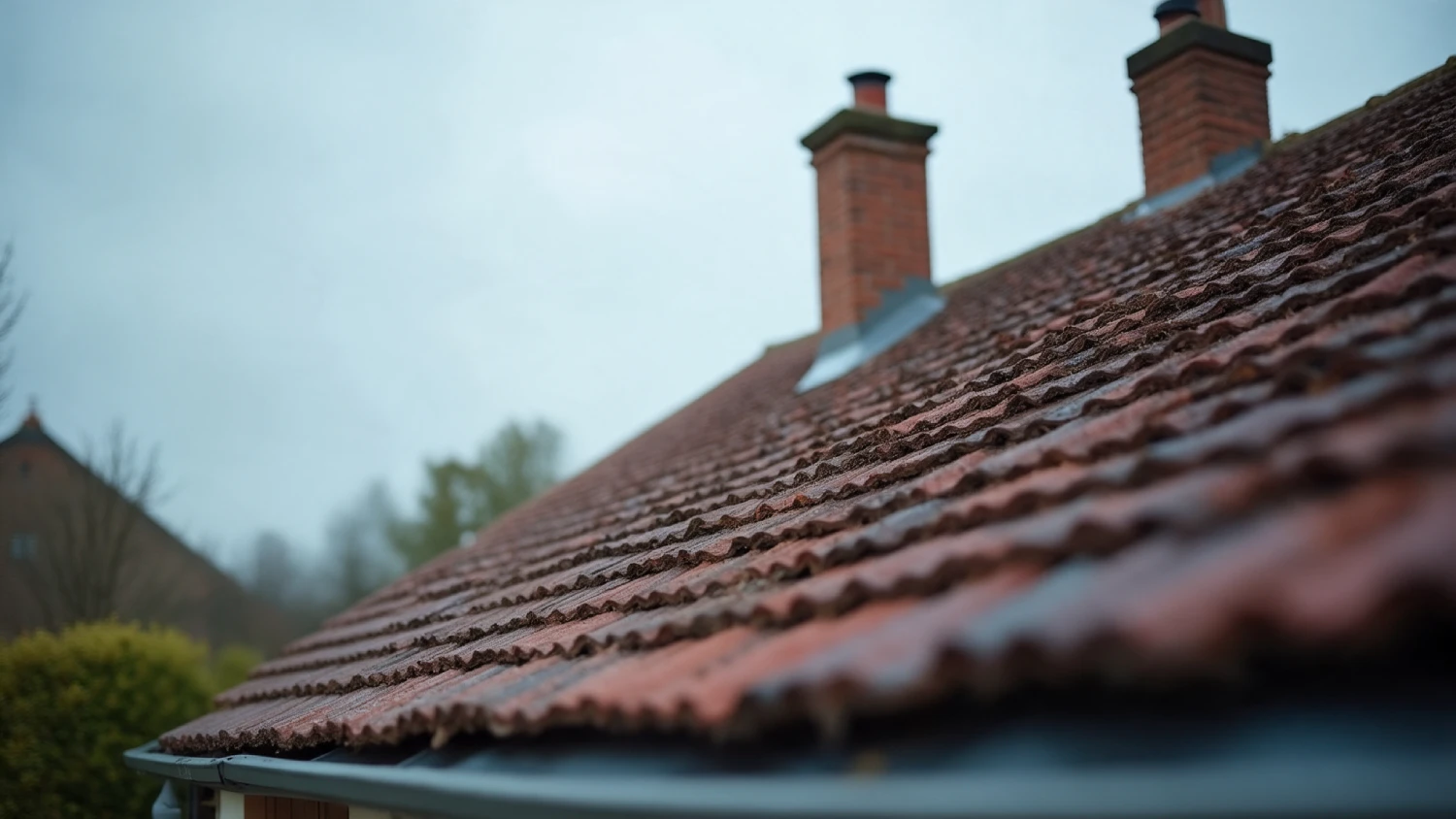
A leaking roof does not automatically mean you need a new roof. In many cases, a damaged tile, failed flashing detail, or small area of deteriorated roofing can be repaired without replacing the entire covering.
The situation changes when leaks become recurring, damage is widespread or the existing roof has reached the end of its practical service life. At that point, repeatedly patching individual defects may provide diminishing returns and make it harder to plan household maintenance costs.
For Worthing homeowners, understanding when a leak has moved beyond a straightforward patch can help with budgeting and make it easier to compare repair and installation options sensibly.
When Is a Roof Leak More Than a Simple Repair?
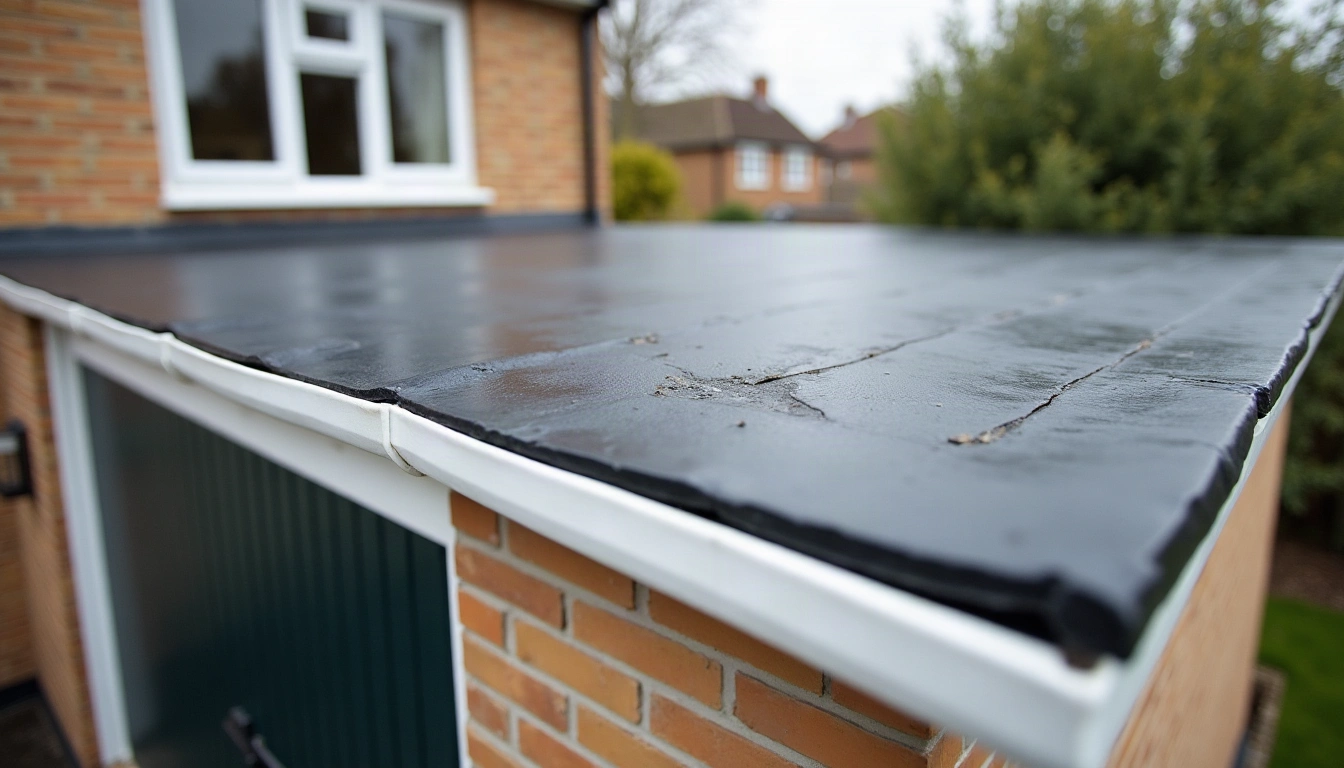
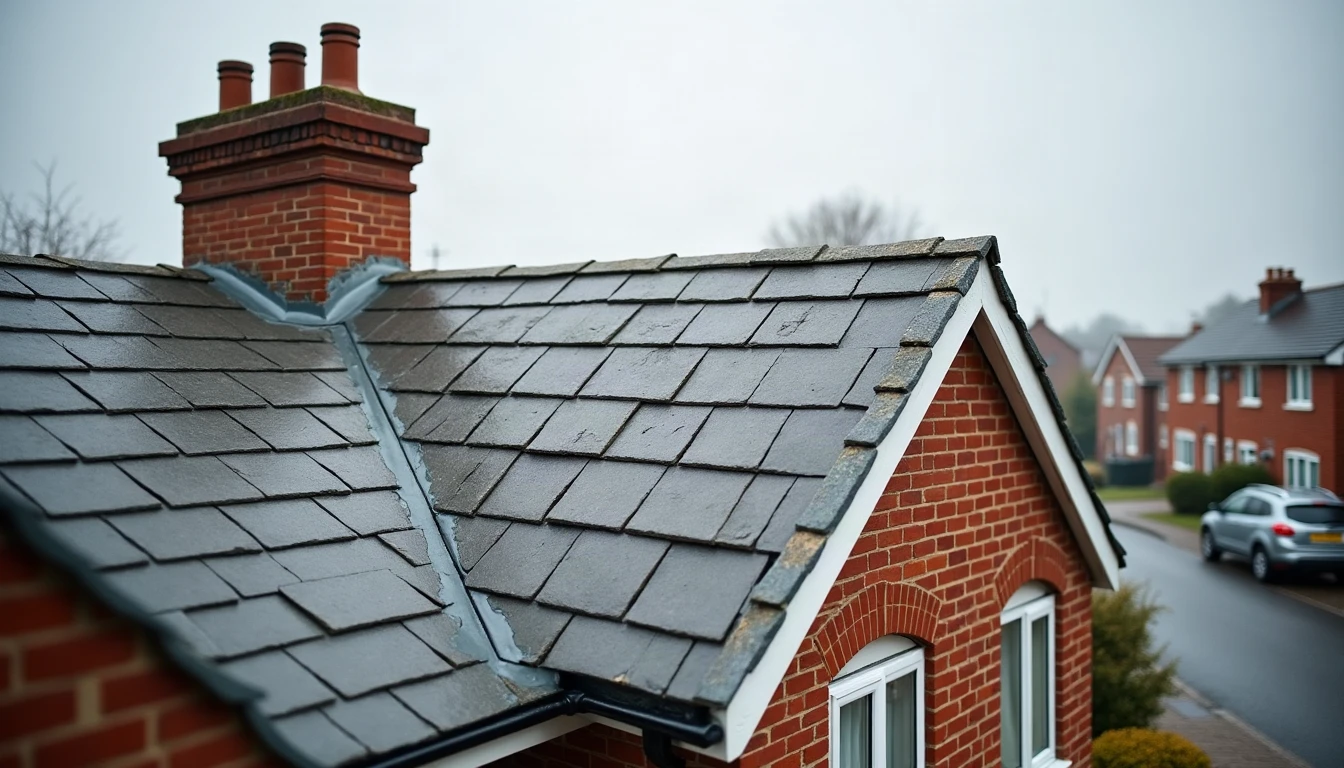
A roof leak becomes more complicated when the visible problem is part of a wider pattern of deterioration.
Warning signs can include:
- Several leaks appearing in different areas
- Repairs failing repeatedly
- Widespread cracked or damaged roof coverings
- Deteriorated flashing across multiple junctions
- Persistent dampness in the loft
- Damaged roof timbers
- Significant deterioration beneath the external covering
- Large areas requiring patching
One isolated leak does not usually justify replacing an entire roof. However, if a professional assessment identifies several related problems, a broader solution may become more practical.
This is where an accurate roof leak repair cost Worthing assessment becomes important. The price of fixing the immediate leak should be considered alongside the wider condition of the roof.
Can Repeated Patching Become a False Economy?
Yes, although it depends on the roof.
A localised repair can be a sensible investment when the surrounding materials are in good condition. The problem is when patches are repeatedly applied to an ageing roof that is continuing to deteriorate elsewhere.
For example, repairing one leaking section may stop the current water ingress, but another area could fail a few months later. Over time, several separate repair bills can accumulate without significantly improving the overall condition of the roof.
Before agreeing to another patch, it is worth asking:
- What caused the current leak?
- Is the damage isolated?
- How is the surrounding roof performing?
- Have similar repairs been needed before?
- Is further repair likely to provide reasonable service life?
These questions can help distinguish sensible maintenance from a cycle of short-term fixes.
What Can Happen If a Roof Leak Is Left Too Long?
Water rarely stays exactly where it first enters.
It can travel through underlay, insulation, timber and other parts of the roof structure before becoming visible inside the property.
Long-term moisture exposure can potentially contribute to:
- Damp roof timbers
- Deteriorated insulation
- Damaged ceilings
- Peeling decoration
- Musty smells
- Timber deterioration
- Wider internal water damage
The longer the source remains unresolved, the greater the potential for secondary damage.
This does not mean every small stain requires a new roof. It does mean that recurring or unexplained leaks should be investigated rather than repeatedly covered over indoors.
What Type of Roof Do You Have?
Please select the roof type of your property. This helps us determine the best installation method and equipment for your home.
Flat Roof
Pitched Roof
It just takes 60 Sec
And then you can book a free consultation
How Can You Tell Whether Installation May Be Necessary?
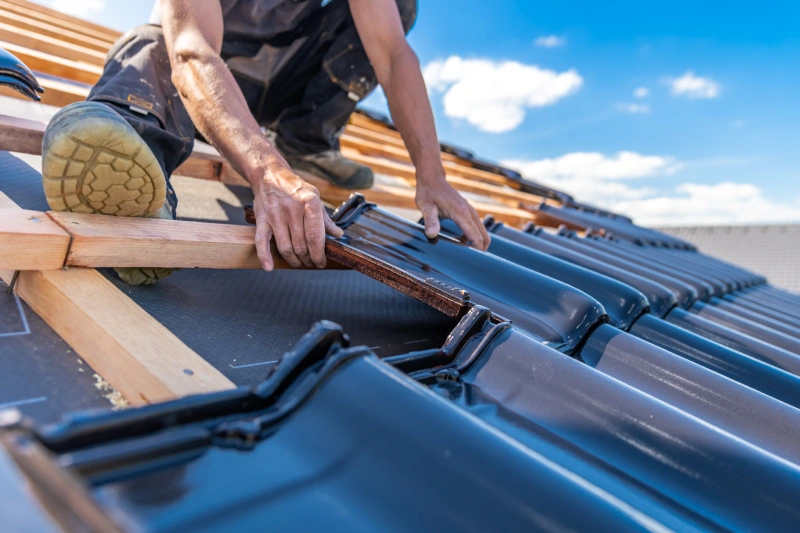
A roof installation may become appropriate when the existing roof is no longer capable of providing dependable protection without extensive remedial work.
Factors that may influence the decision include:
- Extent of deterioration
- Age and condition of the roof
- Frequency of leaks
- Condition of supporting timbers
- State of the roof covering
- Performance of previous repairs
- Number of components requiring replacement
- Likely durability of further patching
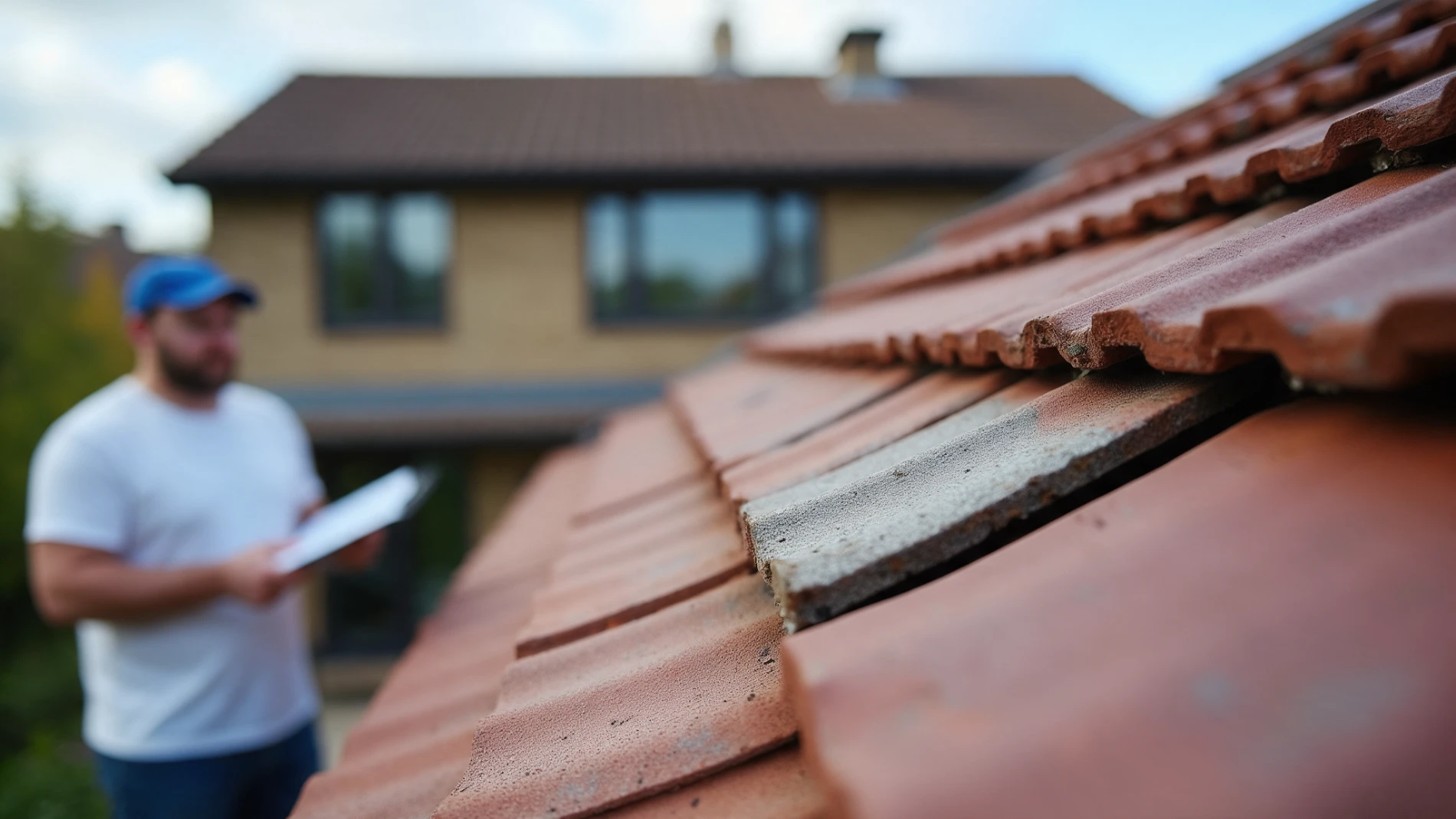
A professional inspection should establish whether the existing roof can reasonably be restored through repair or whether replacement would provide a more reliable long-term outcome.
What Affects the Cost of Roof Installation in Worthing?
There is no single price for a new roof because every property presents different requirements.
A roof installation Worthing project may be influenced by:
| Cost factor | Why it matters |
| Roof size | Larger roofs require more materials and labour |
| Roof design | Complex shapes require more detailed work |
| Materials | Different coverings have different prices |
| Access | Difficult access can increase labour and equipment requirements |
| Existing roof | Removal and disposal affect the scope |
| Timber condition | Damaged supporting materials may require attention |
| Flashing | Chimneys and junctions may require additional work |
| Ventilation | Improvements may be needed as part of the project |
| Waste removal | Existing materials need to be handled and disposed of |
This is why a generic online figure should only be treated as a broad guide.
A proper quotation should be based on the actual property and the work required.
What Should You Budget For Beyond the Main Roof Covering?
Homeowners sometimes focus on the visible roof material while overlooking the supporting and finishing elements.
Depending on the project, the overall budget may need to account for:
- Removal of existing materials
- Underlay
- Battens
- Roof coverings
- Flashing
- Ventilation
- Timber repairs
- Roof edges
- Valleys
- Access equipment
- Waste disposal
- Finishing work
Not every project requires all of these elements. The purpose of a detailed quotation is to identify which are actually relevant.
If concealed damage is discovered after existing materials are removed, additional work may sometimes be necessary. Asking how such situations are handled before work begins can help avoid misunderstandings.
Should You Repair Before Deciding on Installation?
Sometimes, yes.
If a roof is generally sound but has one defective area, repairing the leak may be the most sensible option. There is little value in replacing an otherwise serviceable roof simply because one component has failed.
However, if the inspection identifies widespread deterioration, repairing only the latest leak may not provide good long-term value.
The decision should therefore follow the condition assessment rather than precede it.
A sensible roofer should be able to explain why repair is appropriate or why a broader installation should be considered.
How Can You Compare a Repair With a New Roof?
Looking only at the initial price can produce an incomplete picture.
Consider:
| Question | Repair | Installation |
| What is being fixed? | Specific defect | Wider roof condition |
| Initial cost | Usually lower | Usually higher |
| Expected scope | Limited | Comprehensive |
| Future repair risk | Depends on surrounding roof | Depends on new installation and maintenance |
| Disruption | Usually less | Usually greater |
| Long-term suitability | Best for sound roofs with local defects | Better suited to widespread deterioration |
A repair can be excellent value if it resolves a local problem for many years.
A new roof can also represent better value when an ageing roof requires increasingly frequent intervention.
The right decision is the one that fits the property’s actual condition.
What Should a Roof Installation Quote Include?
A detailed quotation should make the proposed work easy to understand.
Ideally, it should identify:
- Proposed roofing materials
- Removal of existing coverings
- Underlay and battens
- Flashing requirements
- Timber repairs, if applicable
- Ventilation
- Access arrangements
- Waste disposal
- Labour
- Guarantees
- Any exclusions or assumptions
This allows homeowners to compare quotations on a like-for-like basis.
A low headline figure can be difficult to evaluate if important elements have not been included.
A Typical Worthing Home Scenario
Consider a typical semi-detached house in Worthing where a bedroom ceiling has developed repeated water staining.
The homeowner has already paid for several small repairs over the previous few years. Each repair temporarily reduced the problem, but new leaks continued to appear in different areas.
A wider inspection finds that several parts of the roof covering have deteriorated, the flashing requires attention and some underlying materials have been affected by prolonged moisture.
At this stage, another isolated patch may not provide the best long-term solution. Comparing the cumulative cost of further repairs with a comprehensive roofing project gives the homeowner a clearer basis for making a decision.
How Can You Budget More Realistically for Roofing Work?
Start with the condition assessment rather than an assumed figure.
Ask the roofer to explain:
- What needs immediate attention
- What work is recommended
- Which items are essential
- Which items are preventative
- Whether concealed damage is possible
- What materials are proposed
- What is included in the quotation
It can also be useful to ask whether the recommended work can be phased where appropriate.
Not every roofing project has to be treated as an all-or-nothing decision, although structural or serious water ingress issues may require prompt attention.
When Should You Arrange a Roof Assessment?
A roof assessment is worth considering if:
- The same leak keeps returning
- Several repairs have already been completed
- You can see widespread deterioration
- The roof has suffered significant storm damage
- Dampness is affecting loft timbers
- You are unsure how much service life remains
Early assessment can help you plan rather than waiting for a major failure.
A professional can distinguish between a roof that needs a straightforward repair and one where installation may offer a more dependable long-term solution.
Final Thoughts
A leaking roof is not automatically a sign that replacement is required. The important distinction is between an isolated defect that can be repaired effectively and a roof where deterioration has become widespread.
Repeated leaks, failed repairs and ageing materials can eventually make patching less practical. At that point, budgeting for a broader roofing project may provide a clearer long-term path.
For Worthing homeowners, All Roofing Works can assess the condition of the existing roof and explain whether repair or installation is more appropriate. Understanding the cause, scope and likely durability of the work can help you make a confident decision without paying for work the roof does not actually need.
Related articles
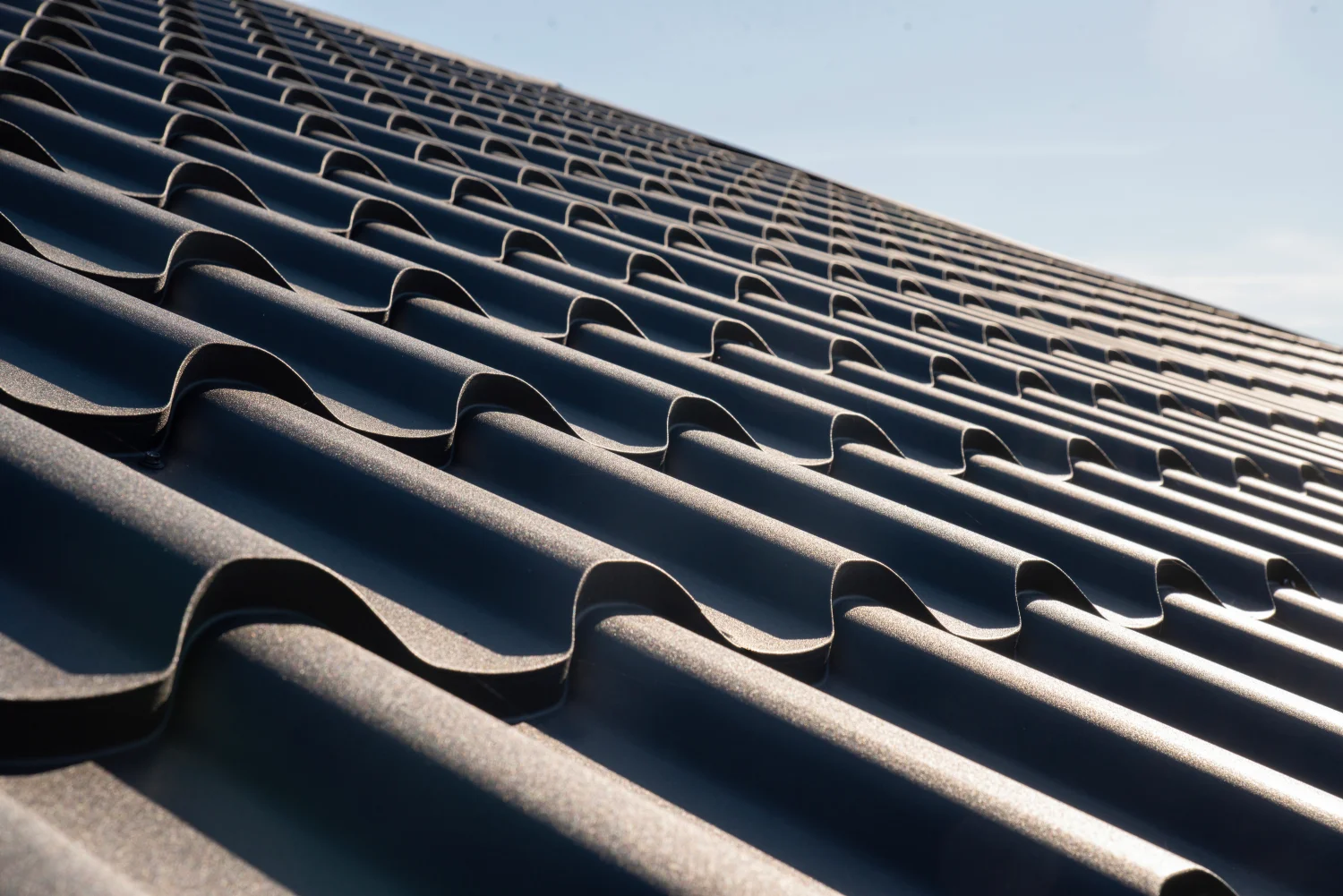
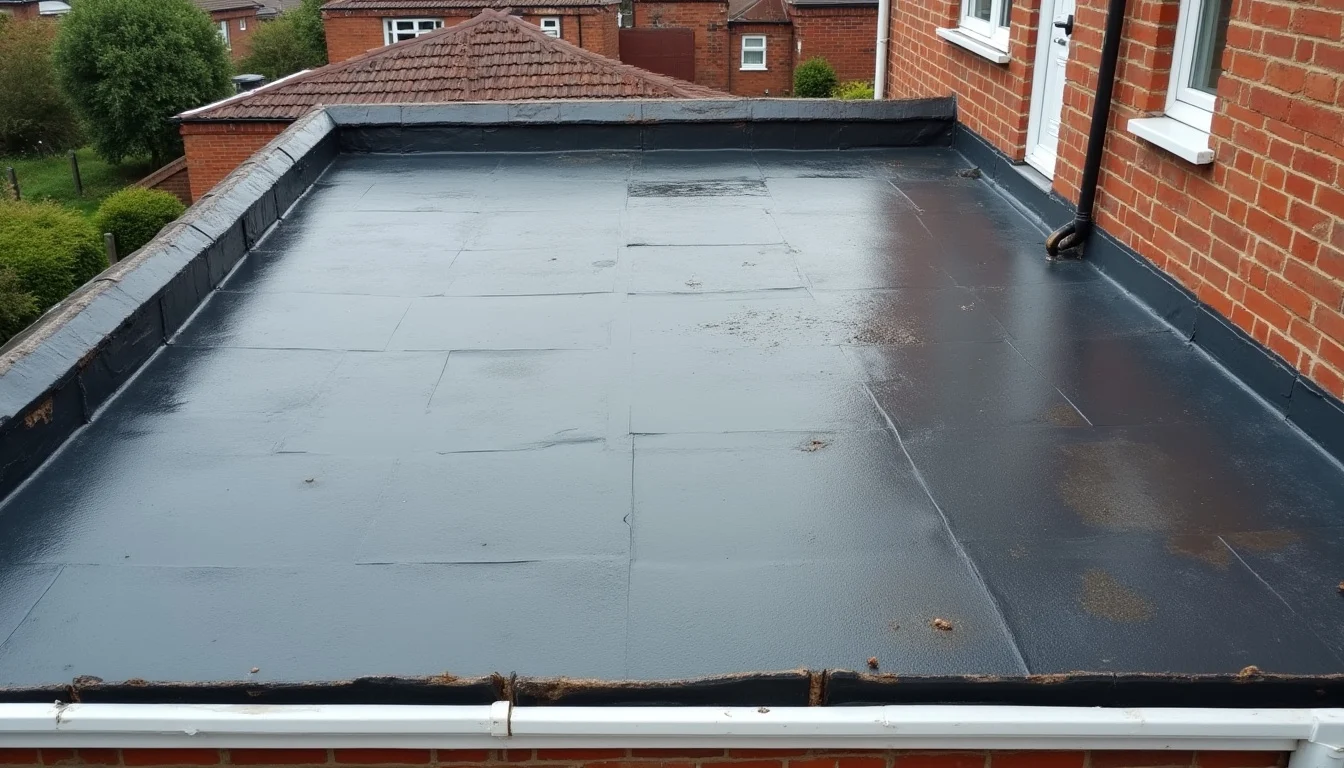
What Type of Roof Do You Have?
Please select the roof type of your property. This helps us determine the best installation method and equipment for your home.
Flat Roof
Pitched Roof
Commercial Roof
At a glance
This guide helps Worthing homeowners budget realistically for roof installation and know when it’s genuinely the smarter choice.
Introduction
A leaking roof does not automatically mean you need a new roof. In many cases, a damaged tile, failed flashing detail, or small area of deteriorated roofing can be repaired without replacing the entire covering.
The situation changes when leaks become recurring, damage is widespread or the existing roof has reached the end of its practical service life. At that point, repeatedly patching individual defects may provide diminishing returns and make it harder to plan household maintenance costs.
For Worthing homeowners, understanding when a leak has moved beyond a straightforward patch can help with budgeting and make it easier to compare repair and installation options sensibly.
When Is a Roof Leak More Than a Simple Repair?
A roof leak becomes more complicated when the visible problem is part of a wider pattern of deterioration.
Warning signs can include:
- Several leaks appearing in different areas
- Repairs failing repeatedly
- Widespread cracked or damaged roof coverings
- Deteriorated flashing across multiple junctions
- Persistent dampness in the loft
- Damaged roof timbers
- Significant deterioration beneath the external covering
- Large areas requiring patching
One isolated leak does not usually justify replacing an entire roof. However, if a professional assessment identifies several related problems, a broader solution may become more practical.
This is where an accurate roof leak repair cost Worthing assessment becomes important. The price of fixing the immediate leak should be considered alongside the wider condition of the roof.
Can Repeated Patching Become a False Economy?
Yes, although it depends on the roof.
A localised repair can be a sensible investment when the surrounding materials are in good condition. The problem is when patches are repeatedly applied to an ageing roof that is continuing to deteriorate elsewhere.
For example, repairing one leaking section may stop the current water ingress, but another area could fail a few months later. Over time, several separate repair bills can accumulate without significantly improving the overall condition of the roof.
Before agreeing to another patch, it is worth asking:
- What caused the current leak?
- Is the damage isolated?
- How is the surrounding roof performing?
- Have similar repairs been needed before?
- Is further repair likely to provide reasonable service life?
These questions can help distinguish sensible maintenance from a cycle of short-term fixes.
What Can Happen If a Roof Leak Is Left Too Long?
Water rarely stays exactly where it first enters.
It can travel through underlay, insulation, timber and other parts of the roof structure before becoming visible inside the property.
Long-term moisture exposure can potentially contribute to:
- Damp roof timbers
- Deteriorated insulation
- Damaged ceilings
- Peeling decoration
- Musty smells
- Timber deterioration
- Wider internal water damage
The longer the source remains unresolved, the greater the potential for secondary damage.
This does not mean every small stain requires a new roof. It does mean that recurring or unexplained leaks should be investigated rather than repeatedly covered over indoors.
What Type of Roof Do You Have?
Please select the roof type of your property. This helps us determine the best installation method and equipment for your home.
Flat Roof
Pitched Roof
It just takes 60 Sec
And then you can book a free consultation
How Can You Tell Whether Installation May Be Necessary?
A roof installation may become appropriate when the existing roof is no longer capable of providing dependable protection without extensive remedial work.
Factors that may influence the decision include:
- Extent of deterioration
- Age and condition of the roof
- Frequency of leaks
- Condition of supporting timbers
- State of the roof covering
- Performance of previous repairs
- Number of components requiring replacement
- Likely durability of further patching
A professional inspection should establish whether the existing roof can reasonably be restored through repair or whether replacement would provide a more reliable long-term outcome.
What Affects the Cost of Roof Installation in Worthing?
There is no single price for a new roof because every property presents different requirements.
A roof installation Worthing project may be influenced by:
| Cost factor | Why it matters |
| Roof size | Larger roofs require more materials and labour |
| Roof design | Complex shapes require more detailed work |
| Materials | Different coverings have different prices |
| Access | Difficult access can increase labour and equipment requirements |
| Existing roof | Removal and disposal affect the scope |
| Timber condition | Damaged supporting materials may require attention |
| Flashing | Chimneys and junctions may require additional work |
| Ventilation | Improvements may be needed as part of the project |
| Waste removal | Existing materials need to be handled and disposed of |
This is why a generic online figure should only be treated as a broad guide.
A proper quotation should be based on the actual property and the work required.
What Should You Budget For Beyond the Main Roof Covering?
Homeowners sometimes focus on the visible roof material while overlooking the supporting and finishing elements.
Depending on the project, the overall budget may need to account for:
- Removal of existing materials
- Underlay
- Battens
- Roof coverings
- Flashing
- Ventilation
- Timber repairs
- Roof edges
- Valleys
- Access equipment
- Waste disposal
- Finishing work
Not every project requires all of these elements. The purpose of a detailed quotation is to identify which are actually relevant.
If concealed damage is discovered after existing materials are removed, additional work may sometimes be necessary. Asking how such situations are handled before work begins can help avoid misunderstandings.
Should You Repair Before Deciding on Installation?
Sometimes, yes.
If a roof is generally sound but has one defective area, repairing the leak may be the most sensible option. There is little value in replacing an otherwise serviceable roof simply because one component has failed.
However, if the inspection identifies widespread deterioration, repairing only the latest leak may not provide good long-term value.
The decision should therefore follow the condition assessment rather than precede it.
A sensible roofer should be able to explain why repair is appropriate or why a broader installation should be considered.
How Can You Compare a Repair With a New Roof?
Looking only at the initial price can produce an incomplete picture.
Consider:
| Question | Repair | Installation |
| What is being fixed? | Specific defect | Wider roof condition |
| Initial cost | Usually lower | Usually higher |
| Expected scope | Limited | Comprehensive |
| Future repair risk | Depends on surrounding roof | Depends on new installation and maintenance |
| Disruption | Usually less | Usually greater |
| Long-term suitability | Best for sound roofs with local defects | Better suited to widespread deterioration |
A repair can be excellent value if it resolves a local problem for many years.
A new roof can also represent better value when an ageing roof requires increasingly frequent intervention.
The right decision is the one that fits the property’s actual condition.
What Should a Roof Installation Quote Include?
A detailed quotation should make the proposed work easy to understand.
Ideally, it should identify:
- Proposed roofing materials
- Removal of existing coverings
- Underlay and battens
- Flashing requirements
- Timber repairs, if applicable
- Ventilation
- Access arrangements
- Waste disposal
- Labour
- Guarantees
- Any exclusions or assumptions
This allows homeowners to compare quotations on a like-for-like basis.
A low headline figure can be difficult to evaluate if important elements have not been included.
A Typical Worthing Home Scenario
Consider a typical semi-detached house in Worthing where a bedroom ceiling has developed repeated water staining.
The homeowner has already paid for several small repairs over the previous few years. Each repair temporarily reduced the problem, but new leaks continued to appear in different areas.
A wider inspection finds that several parts of the roof covering have deteriorated, the flashing requires attention and some underlying materials have been affected by prolonged moisture.
At this stage, another isolated patch may not provide the best long-term solution. Comparing the cumulative cost of further repairs with a comprehensive roofing project gives the homeowner a clearer basis for making a decision.
How Can You Budget More Realistically for Roofing Work?
Start with the condition assessment rather than an assumed figure.
Ask the roofer to explain:
- What needs immediate attention
- What work is recommended
- Which items are essential
- Which items are preventative
- Whether concealed damage is possible
- What materials are proposed
- What is included in the quotation
It can also be useful to ask whether the recommended work can be phased where appropriate.
Not every roofing project has to be treated as an all-or-nothing decision, although structural or serious water ingress issues may require prompt attention.
When Should You Arrange a Roof Assessment?
A roof assessment is worth considering if:
- The same leak keeps returning
- Several repairs have already been completed
- You can see widespread deterioration
- The roof has suffered significant storm damage
- Dampness is affecting loft timbers
- You are unsure how much service life remains
Early assessment can help you plan rather than waiting for a major failure.
A professional can distinguish between a roof that needs a straightforward repair and one where installation may offer a more dependable long-term solution.
Final Thoughts
A leaking roof is not automatically a sign that replacement is required. The important distinction is between an isolated defect that can be repaired effectively and a roof where deterioration has become widespread.
Repeated leaks, failed repairs and ageing materials can eventually make patching less practical. At that point, budgeting for a broader roofing project may provide a clearer long-term path.
For Worthing homeowners, All Roofing Works can assess the condition of the existing roof and explain whether repair or installation is more appropriate. Understanding the cause, scope and likely durability of the work can help you make a confident decision without paying for work the roof does not actually need.
Related articles
What Type of Roof Do You Have?
Please select the roof type of your property. This helps us determine the best installation method and equipment for your home.
Flat Roof
Pitched Roof
Commercial Roof