What Should a Good Roof Repair Company Check Before Recommending Work in Worthing?
Not every roof problem is as simple as it looks. Before recommending any repair, a good roofing company should inspect the whole roof not just the visible damage.

Why you can trust our content
We understand that the roofing industry can be confusing, with plenty of outdated or misleading information. That’s why we rely only on trusted, proven sources to guide our advice and installations:





At a glance
For Worthing homeowners, knowing what a thorough assessment should cover helps you choose the right roofer and avoid unnecessary costs.
Introduction
A roof problem is not always as straightforward as it first appears. A slipped tile, damp patch or damaged flashing may be the most visible symptom, but the underlying cause can be somewhere else entirely.
This is why a good roofing assessment should happen before repair work is recommended. Rather than immediately replacing the most obvious damaged component, a competent roofer should establish how the roof is performing, what has failed and whether nearby areas are also vulnerable.
For homeowners in Worthing, knowing what a proper inspection should cover can make it easier to understand recommendations and compare roofing services on more than price alone.
Why Should a Roof Be Inspected Before Repairs Are Recommended?
A roof is made up of several interconnected components. The outer covering provides the first line of defence, but underlay, battens, fixings, flashing, drainage and supporting timbers all contribute to its performance.
A visible defect may therefore be only part of the problem.
For example, replacing a slipped tile may not prevent another tile from moving if the underlying fixings are deteriorating. Similarly, painting over an internal water stain will not stop a leak if the roof entry point remains untreated.
A proper roof inspection Worthing assessment should therefore aim to identify both the visible defect and the reason it occurred.
What Should a Roofer Check First?
The first stage should normally be an overall assessment of the roof’s condition.
This can include:
- Type and condition of the roof covering
- Visible damage or displacement
- Roof edges and junctions
- Chimneys and flashing
- Valleys and drainage areas
- Gutters and downpipes
- Previous repair work
- Signs of water ingress
- Accessible loft areas
The roofer should also consider the age and general condition of the roof.
A relatively new roof with one damaged tile may require a very different approach from an older roof with numerous recurring defects.
How Should the Source of a Leak Be Established?
Finding a leak is not simply a matter of looking directly above a damp patch.
Water can travel along underlay, timber and other roof components before entering the room below. The point where moisture becomes visible indoors may therefore be several metres from the actual entry point.
A useful assessment should consider:
- Where water is appearing internally
- The roof area directly above it
- Nearby junctions and penetrations
- The condition of the covering
- Possible routes water could take
- Signs of previous leakage
This is particularly important when a leak appears only during heavy or wind-driven rain.
A roof repair company that identifies the source before recommending work is in a stronger position to suggest a repair that addresses the actual problem.
What About Roof Tiles, Slates or Other Coverings?
The condition of the main roof covering is an obvious part of an inspection, but it should be considered as a whole rather than focusing on one damaged section.
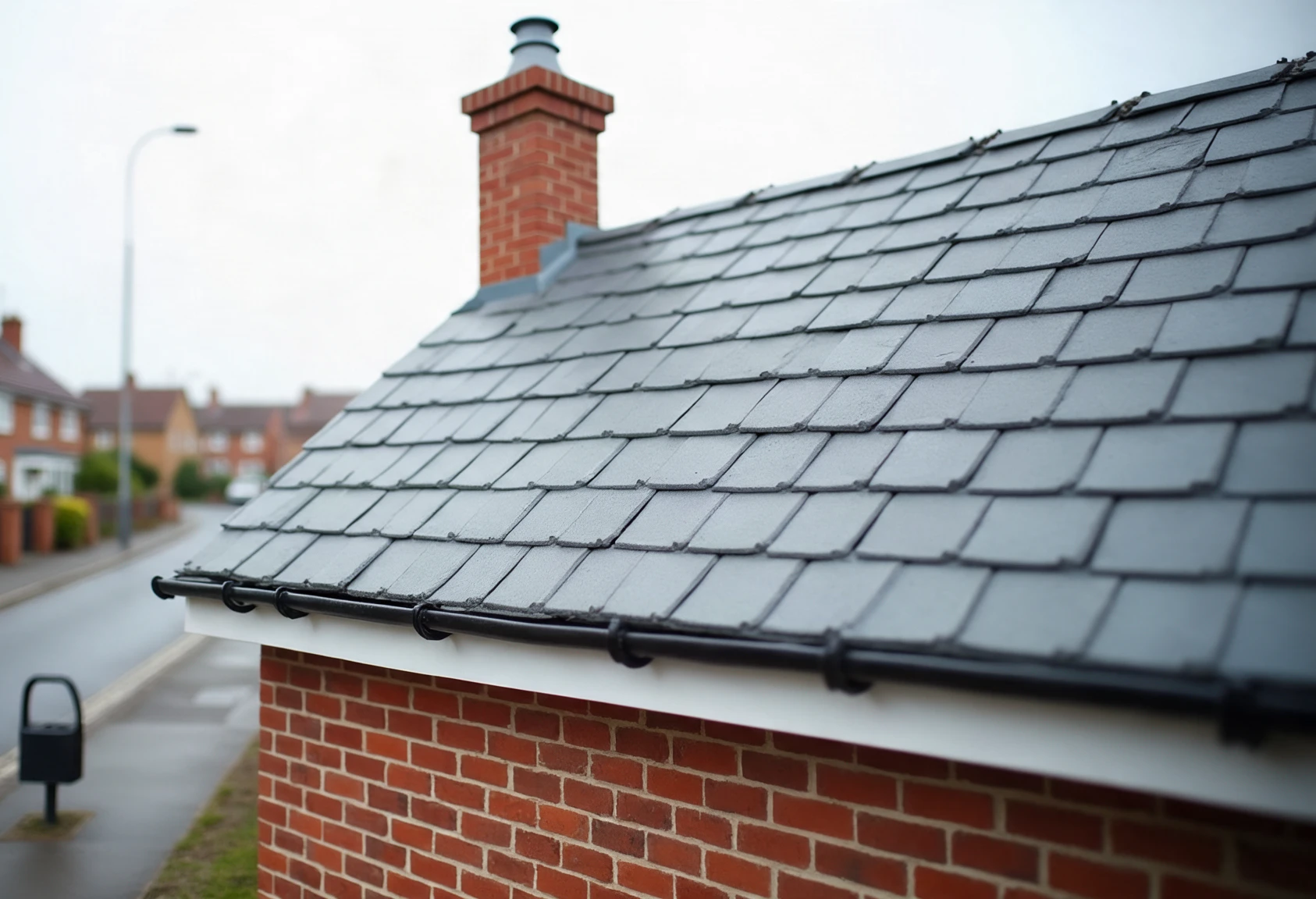
For tiled or slated roofs, an assessment may look for:
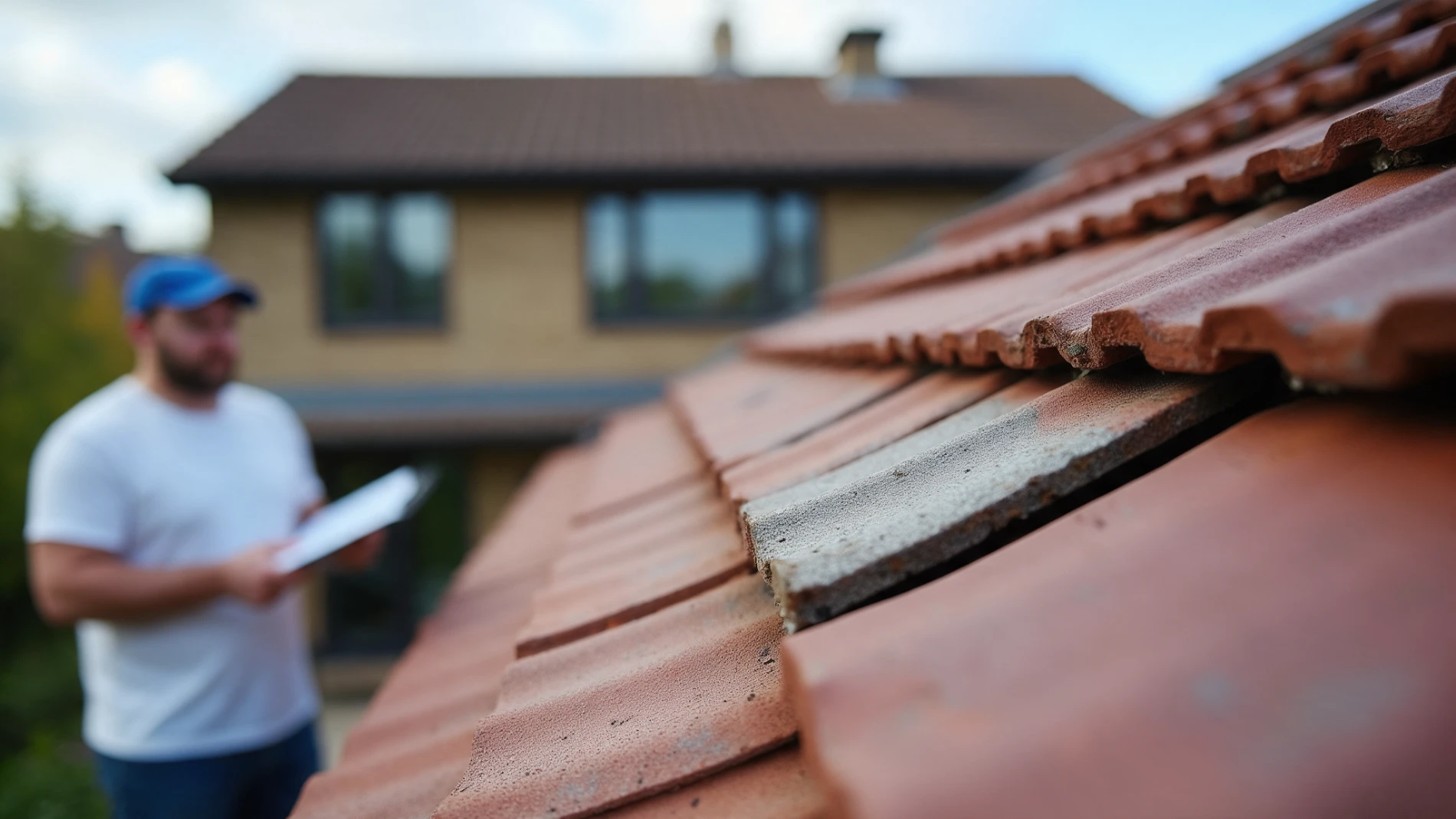
- Cracked or broken units
- Missing sections
- Slipped or displaced coverings
- Deteriorated fixings
- Uneven courses
- Signs of previous patch repairs
- Localised weathering
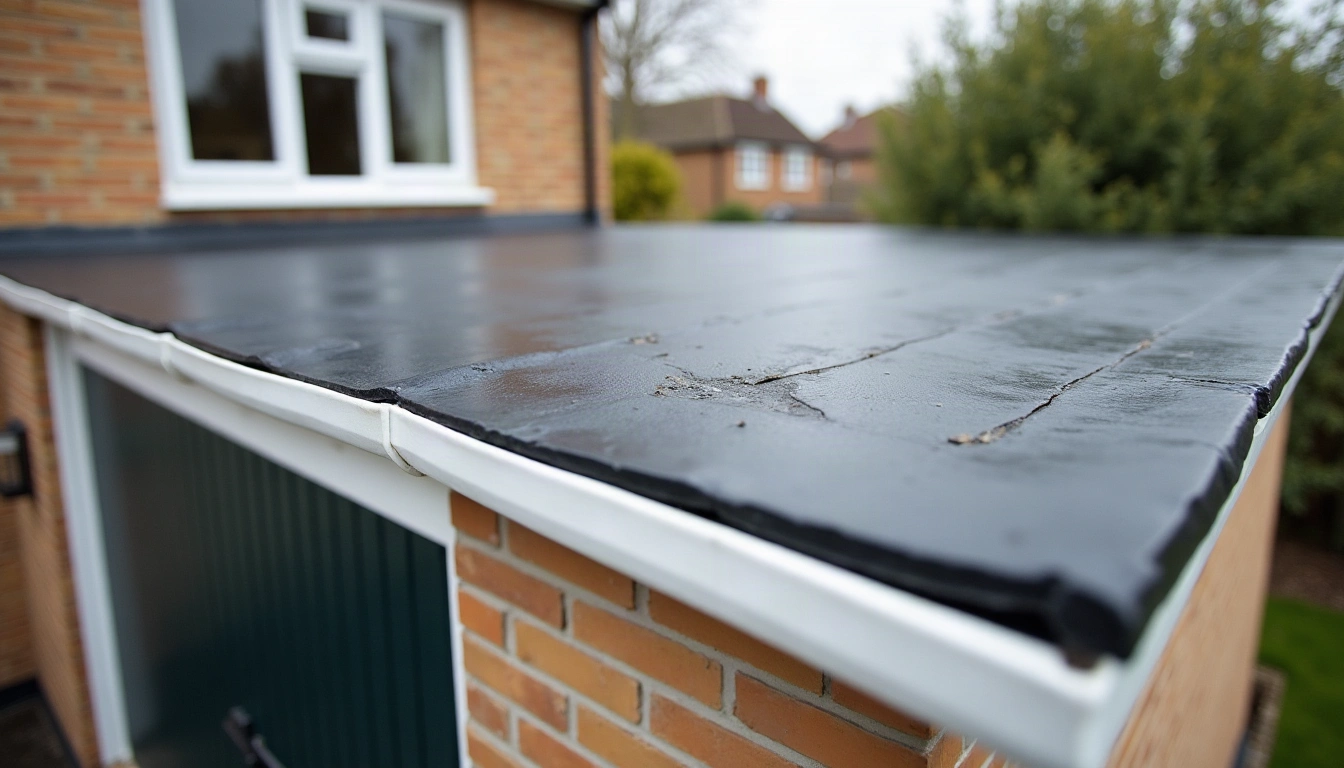
For flat roofs, the inspection may instead focus on the waterproofing membrane, joints, edges, outlets, roof falls and areas of ponding.
Different roof systems fail in different ways, so the inspection should reflect the construction rather than follow a one-size-fits-all approach.
Why Are Flashing and Roof Junctions Important?
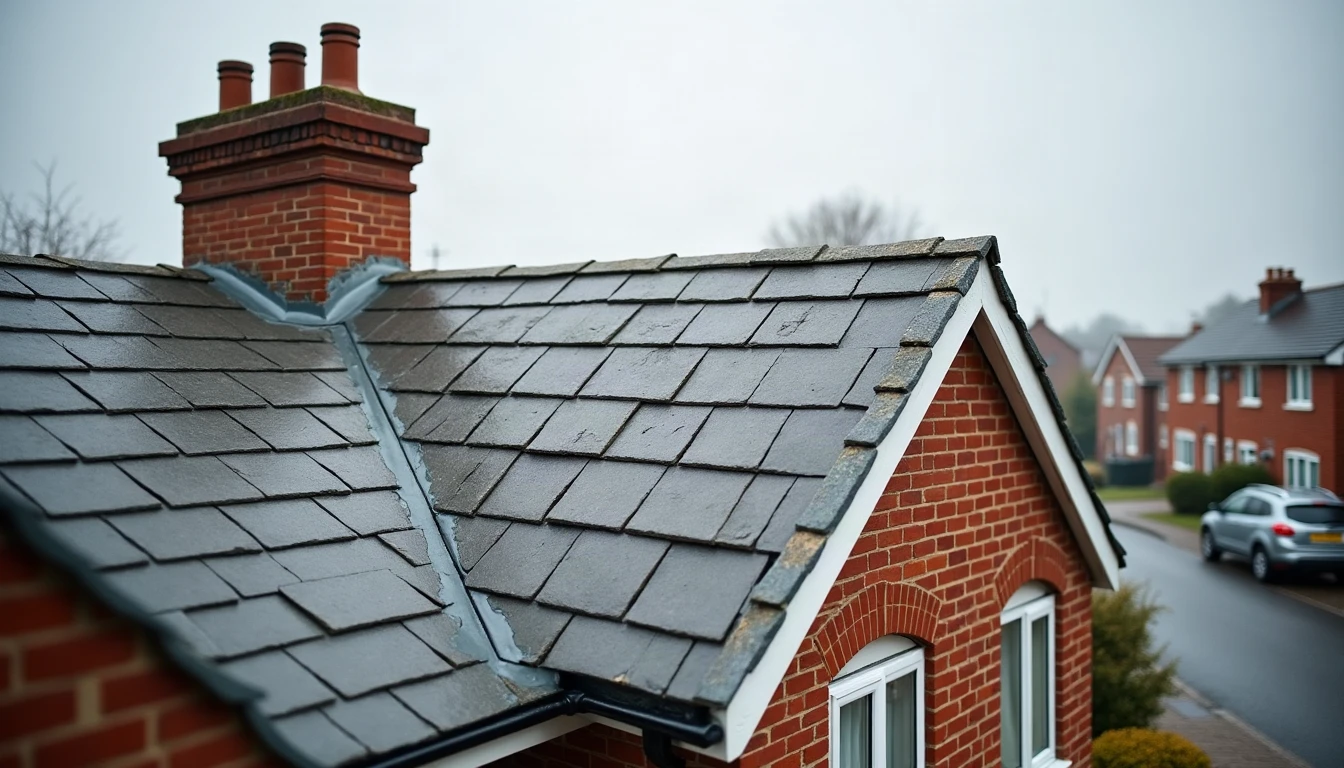
Some of the most vulnerable points on a roof occur where two different structures or materials meet.
Examples include:
- Chimneys
- Roof-to-wall junctions
- Valleys
- Dormers
- Roof extensions
- Skylights
- Flat roof edges
These areas require careful detailing to prevent water from entering.
Deteriorated mortar, damaged flashing or gaps around junctions can create routes for water even when the main roof covering appears to be in reasonable condition.
A good assessment should therefore examine these areas closely rather than treating the roof surface as the only source of potential problems.
Should Gutters and Drainage Be Part of the Inspection?
Yes. Water needs to leave the roof efficiently, and drainage problems can contribute to leaks and dampness.
Blocked gutters can cause water to overflow against roof edges or external walls. On flat roofs, blocked outlets can allow water to accumulate on the surface.
An inspection should consider:
|
Area |
What should be checked? |
Why it matters |
|
Gutters |
Blockages, damage and alignment |
Prevents uncontrolled overflow |
|
Downpipes |
Flow and visible damage |
Ensures water is discharged properly |
|
Flat roof outlets |
Blockages and condition |
Helps prevent ponding |
|
Roof falls |
Whether water can drain |
Standing water can increase stress |
|
Roof edges |
Signs of moisture or deterioration |
Weak edges can allow water entry |
Drainage may not be the original cause of a leak, but it can contribute to ongoing deterioration if left unresolved.
What Should Be Checked Inside the Loft?
Where access is safe and available, the loft can provide valuable evidence about the condition of the roof.
Signs worth looking for include:
- Damp timber
- Water staining
- Mould-like growth associated with persistent moisture
- Damaged insulation
- Daylight visible through the roof covering
- Wet or deteriorated underlay
- Previous attempts to contain leaks
Loft evidence can help establish whether a roof has been experiencing water ingress for some time.
However, homeowners should avoid climbing onto unstable areas or attempting to investigate structural damage themselves.
How Should Previous Repairs Be Considered?
Previous repair work can provide useful information about recurring problems.
If the same section has been patched multiple times, there may be an underlying reason why the repair does not remain effective.
A professional should consider:
- What was repaired previously
- Whether the materials remain sound
- Whether the original cause was addressed
- Whether surrounding components have deteriorated
- Whether further patching remains practical
This can prevent a cycle of repeatedly treating the newest symptom without resolving the wider issue.
What Should a Roofing Recommendation Explain?
A useful recommendation should be understandable to the homeowner.
It should ideally explain:
- What has been found
- What is causing the problem
- What work is recommended
- Why that work is appropriate
- Whether there are alternative approaches
- What may happen if the defect is left untreated
For more substantial work, it is reasonable to ask for a clear written quotation that separates the main elements of the job.
This does not mean choosing the longest or most detailed quotation automatically means choosing the best roofer. The important point is that the recommendation should make sense in relation to the condition identified.
What Type of Roof Do You Have?
Please select the roof type of your property. This helps us determine the best installation method and equipment for your home.
Flat Roof
Pitched Roof
It just takes 60 Sec
And then you can book a free consultation
Should the Cheapest Roofing Quote Always Win?
Not necessarily.
Price is naturally important, but a very low quote may not provide a meaningful comparison if different contractors have identified different problems or proposed different levels of work.
When comparing roof repair Worthing quotations, homeowners should consider:
- Scope of work
- Materials specified
- Access requirements
- Removal and disposal
- Whether associated defects are included
- Expected durability
- Guarantees offered
- Contractor experience
A clear scope makes it easier to compare like with like.
What Are the Signs of a Thorough Roofing Assessment?
A useful assessment should leave you with a clearer understanding of the roof rather than more uncertainty.
Good signs include:
- The roofer asks about when the problem started.
- Internal and external evidence is considered.
- The surrounding roof is inspected.
- Previous repairs are discussed.
- The cause of the defect is explained.
- Recommendations are linked to specific findings.
- You are given time to consider the options.
A reputable roof repair company should be comfortable explaining why particular work is being suggested.
A Typical Worthing Homeowner Scenario
Imagine a homeowner notices water staining on a bedroom ceiling following heavy rain. A quick visual check from the garden shows one damaged roof tile.
Replacing the tile may appear to be the obvious solution. However, a more detailed assessment finds that several nearby tiles have deteriorated fixings and that flashing around a nearby roof junction is also showing signs of age.
The repair recommendation therefore considers the wider area rather than assuming the single visible tile is the complete cause.
This type of assessment can help prevent another leak developing shortly after the original repair.
When Should You Arrange a Professional Roof Assessment?
You do not necessarily need to wait for major damage.
Consider arranging an assessment when you notice:
- A new leak
- Missing or displaced tiles or slates
- Damaged flashing
- Repeated internal staining
- Persistent flat roof ponding
- Visible roof movement
- Repairs that keep failing
- Dampness in an accessible loft
Early investigation can provide a clearer choice between a straightforward repair and more extensive work.
Final Thoughts
A good roofing recommendation should start with understanding the roof, not deciding on a repair before the problem has been properly investigated. Coverings, flashing, drainage, junctions, previous repairs and internal evidence can all provide important clues.
For Worthing homeowners, taking the time to understand what has failed and why can make roofing decisions much clearer. All Roofing Works can provide practical guidance based on the condition identified, helping homeowners choose an appropriate approach without unnecessary work or pressure.
Related articles

What Type of Roof Do You Have?
Please select the roof type of your property. This helps us determine the best installation method and equipment for your home.
Flat Roof
Pitched Roof
Commercial Roof
At a glance
For Worthing homeowners, knowing what a thorough assessment should cover helps you choose the right roofer and avoid unnecessary costs.
Introduction
A roof problem is not always as straightforward as it first appears. A slipped tile, damp patch or damaged flashing may be the most visible symptom, but the underlying cause can be somewhere else entirely.
This is why a good roofing assessment should happen before repair work is recommended. Rather than immediately replacing the most obvious damaged component, a competent roofer should establish how the roof is performing, what has failed and whether nearby areas are also vulnerable.
For homeowners in Worthing, knowing what a proper inspection should cover can make it easier to understand recommendations and compare roofing services on more than price alone.
Why Should a Roof Be Inspected Before Repairs Are Recommended?
A roof is made up of several interconnected components. The outer covering provides the first line of defence, but underlay, battens, fixings, flashing, drainage and supporting timbers all contribute to its performance.
A visible defect may therefore be only part of the problem.
For example, replacing a slipped tile may not prevent another tile from moving if the underlying fixings are deteriorating. Similarly, painting over an internal water stain will not stop a leak if the roof entry point remains untreated.
A proper roof inspection Worthing assessment should therefore aim to identify both the visible defect and the reason it occurred.
What Should a Roofer Check First?
The first stage should normally be an overall assessment of the roof’s condition.
This can include:
- Type and condition of the roof covering
- Visible damage or displacement
- Roof edges and junctions
- Chimneys and flashing
- Valleys and drainage areas
- Gutters and downpipes
- Previous repair work
- Signs of water ingress
- Accessible loft areas
The roofer should also consider the age and general condition of the roof.
A relatively new roof with one damaged tile may require a very different approach from an older roof with numerous recurring defects.
How Should the Source of a Leak Be Established?
Finding a leak is not simply a matter of looking directly above a damp patch.
Water can travel along underlay, timber and other roof components before entering the room below. The point where moisture becomes visible indoors may therefore be several metres from the actual entry point.
A useful assessment should consider:
- Where water is appearing internally
- The roof area directly above it
- Nearby junctions and penetrations
- The condition of the covering
- Possible routes water could take
- Signs of previous leakage
This is particularly important when a leak appears only during heavy or wind-driven rain.
A roof repair company that identifies the source before recommending work is in a stronger position to suggest a repair that addresses the actual problem.
What About Roof Tiles, Slates or Other Coverings?
The condition of the main roof covering is an obvious part of an inspection, but it should be considered as a whole rather than focusing on one damaged section.
For tiled or slated roofs, an assessment may look for:
- Cracked or broken units
- Missing sections
- Slipped or displaced coverings
- Deteriorated fixings
- Uneven courses
- Signs of previous patch repairs
- Localised weathering
For flat roofs, the inspection may instead focus on the waterproofing membrane, joints, edges, outlets, roof falls and areas of ponding.
Different roof systems fail in different ways, so the inspection should reflect the construction rather than follow a one-size-fits-all approach.
Why Are Flashing and Roof Junctions Important?
Some of the most vulnerable points on a roof occur where two different structures or materials meet.
Examples include:
- Chimneys
- Roof-to-wall junctions
- Valleys
- Dormers
- Roof extensions
- Skylights
- Flat roof edges
These areas require careful detailing to prevent water from entering.
Deteriorated mortar, damaged flashing or gaps around junctions can create routes for water even when the main roof covering appears to be in reasonable condition.
A good assessment should therefore examine these areas closely rather than treating the roof surface as the only source of potential problems.
Should Gutters and Drainage Be Part of the Inspection?
Yes. Water needs to leave the roof efficiently, and drainage problems can contribute to leaks and dampness.
Blocked gutters can cause water to overflow against roof edges or external walls. On flat roofs, blocked outlets can allow water to accumulate on the surface.
An inspection should consider:
|
Area |
What should be checked? |
Why it matters |
|
Gutters |
Blockages, damage and alignment |
Prevents uncontrolled overflow |
|
Downpipes |
Flow and visible damage |
Ensures water is discharged properly |
|
Flat roof outlets |
Blockages and condition |
Helps prevent ponding |
|
Roof falls |
Whether water can drain |
Standing water can increase stress |
|
Roof edges |
Signs of moisture or deterioration |
Weak edges can allow water entry |
Drainage may not be the original cause of a leak, but it can contribute to ongoing deterioration if left unresolved.
What Should Be Checked Inside the Loft?
Where access is safe and available, the loft can provide valuable evidence about the condition of the roof.
Signs worth looking for include:
- Damp timber
- Water staining
- Mould-like growth associated with persistent moisture
- Damaged insulation
- Daylight visible through the roof covering
- Wet or deteriorated underlay
- Previous attempts to contain leaks
Loft evidence can help establish whether a roof has been experiencing water ingress for some time.
However, homeowners should avoid climbing onto unstable areas or attempting to investigate structural damage themselves.
How Should Previous Repairs Be Considered?
Previous repair work can provide useful information about recurring problems.
If the same section has been patched multiple times, there may be an underlying reason why the repair does not remain effective.
A professional should consider:
- What was repaired previously
- Whether the materials remain sound
- Whether the original cause was addressed
- Whether surrounding components have deteriorated
- Whether further patching remains practical
This can prevent a cycle of repeatedly treating the newest symptom without resolving the wider issue.
What Should a Roofing Recommendation Explain?
A useful recommendation should be understandable to the homeowner.
It should ideally explain:
- What has been found
- What is causing the problem
- What work is recommended
- Why that work is appropriate
- Whether there are alternative approaches
- What may happen if the defect is left untreated
For more substantial work, it is reasonable to ask for a clear written quotation that separates the main elements of the job.
This does not mean choosing the longest or most detailed quotation automatically means choosing the best roofer. The important point is that the recommendation should make sense in relation to the condition identified.
What Type of Roof Do You Have?
Please select the roof type of your property. This helps us determine the best installation method and equipment for your home.
Flat Roof
Pitched Roof
It just takes 60 Sec
And then you can book a free consultation
Should the Cheapest Roofing Quote Always Win?
Not necessarily.
Price is naturally important, but a very low quote may not provide a meaningful comparison if different contractors have identified different problems or proposed different levels of work.
When comparing roof repair Worthing quotations, homeowners should consider:
- Scope of work
- Materials specified
- Access requirements
- Removal and disposal
- Whether associated defects are included
- Expected durability
- Guarantees offered
- Contractor experience
A clear scope makes it easier to compare like with like.
What Are the Signs of a Thorough Roofing Assessment?
A useful assessment should leave you with a clearer understanding of the roof rather than more uncertainty.
Good signs include:
- The roofer asks about when the problem started.
- Internal and external evidence is considered.
- The surrounding roof is inspected.
- Previous repairs are discussed.
- The cause of the defect is explained.
- Recommendations are linked to specific findings.
- You are given time to consider the options.
A reputable roof repair company should be comfortable explaining why particular work is being suggested.
A Typical Worthing Homeowner Scenario
Imagine a homeowner notices water staining on a bedroom ceiling following heavy rain. A quick visual check from the garden shows one damaged roof tile.
Replacing the tile may appear to be the obvious solution. However, a more detailed assessment finds that several nearby tiles have deteriorated fixings and that flashing around a nearby roof junction is also showing signs of age.
The repair recommendation therefore considers the wider area rather than assuming the single visible tile is the complete cause.
This type of assessment can help prevent another leak developing shortly after the original repair.
When Should You Arrange a Professional Roof Assessment?
You do not necessarily need to wait for major damage.
Consider arranging an assessment when you notice:
- A new leak
- Missing or displaced tiles or slates
- Damaged flashing
- Repeated internal staining
- Persistent flat roof ponding
- Visible roof movement
- Repairs that keep failing
- Dampness in an accessible loft
Early investigation can provide a clearer choice between a straightforward repair and more extensive work.
Final Thoughts
A good roofing recommendation should start with understanding the roof, not deciding on a repair before the problem has been properly investigated. Coverings, flashing, drainage, junctions, previous repairs and internal evidence can all provide important clues.
For Worthing homeowners, taking the time to understand what has failed and why can make roofing decisions much clearer. All Roofing Works can provide practical guidance based on the condition identified, helping homeowners choose an appropriate approach without unnecessary work or pressure.
Related articles
What Type of Roof Do You Have?
Please select the roof type of your property. This helps us determine the best installation method and equipment for your home.
Flat Roof
Pitched Roof
Commercial Roof