Temporary Fix or Specialist Repair? What to Expect After an Emergency Roof Problem
Roof repairs can extend the life of your roof, but there comes a point when repeated fixes cost more than they save.

Why you can trust our content
We understand that the roofing industry can be confusing, with plenty of outdated or misleading information. That’s why we rely only on trusted, proven sources to guide our advice and installations:





At a glance
For Worthing homeowners, knowing when ongoing repairs stop making financial sense and when a full roof replacement becomes the smarter long-term investment can save significant time and money.
Introduction
Repairing a roof can be a sensible way to extend its useful life. A damaged tile, deteriorated flashing or localised leak does not automatically mean the entire roof needs replacing.
The calculation becomes different when repairs keep coming back. If one problem is followed by another, or the same area repeatedly fails, homeowners may eventually spend more on maintaining an ageing roof than they would by investing in a more comprehensive solution.
For Worthing homeowners, the important question is not simply how old a roof is. It is whether the roof can still provide reliable protection and whether further repairs are likely to offer reasonable long-term value.
How Do You Know When a Roof Has Become Too Expensive to Keep Repairing?
There is no single repair bill that automatically means replacement is the right choice. Instead, several factors should be considered together.
Warning signs can include:
- Multiple repairs within a short period
- Repeated leaks in different areas
- Widespread cracked or deteriorated roof coverings
- Recurring problems with flashing
- Failed previous repairs
- Dampness affecting roof timbers
- Noticeable deterioration across large sections
- Increasing maintenance costs
One repair may be entirely reasonable. Several unrelated repairs over a number of years may also be normal for an older property.
The concern arises when failures become increasingly frequent, and the roof no longer behaves as a reliable system.
Should Roof Age Determine Whether You Replace It?
Age is useful context, but it should not be the only deciding factor.
Two roofs of the same age can be in very different condition because of differences in materials, installation, maintenance, exposure and previous repairs.
A professional assessment should consider:
- The condition of the main roof covering
- The supporting structure
- Flashing and junctions
- Underlay where accessible
- Fixings
- Previous repairs
- Signs of ongoing water ingress
- The likely durability of further repairs
A relatively old roof may still be performing well, while a younger roof with widespread defects could require significant attention.
This is why roof replacement Worthing decisions should be based on condition and future reliability rather than age alone.
What Are the Signs That Repairs Are Becoming a Temporary Solution?
Repairs can become less worthwhile when they are treating symptoms rather than restoring the overall condition of the roof.
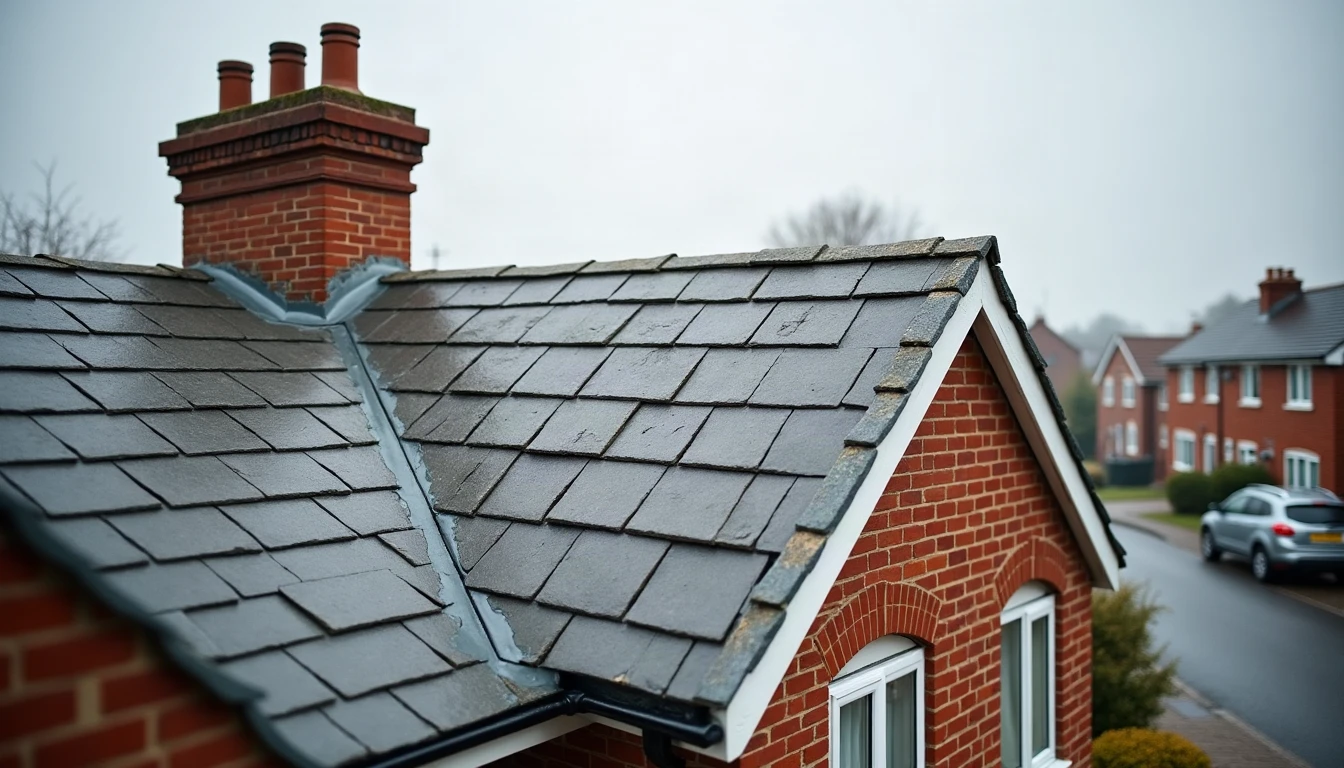
For example, replacing a damaged tile is useful when the surrounding roof remains sound. But if several neighbouring tiles are failing because fixings and supporting materials are deteriorating, repeated individual replacements may not address the wider issue.
Look for patterns such as:
- A new leak appearing shortly after another repair
- Several areas requiring attention at once
- Repairs becoming more frequent
- The same type of defect recurring
- Large areas showing visible deterioration
- Increasing signs of water ingress
Repeated repair activity does not automatically prove replacement is necessary, but it is a good reason to reassess the roof as a whole.
When Does Repair Still Make Sense?
There are many situations where repair remains the sensible option.
A targeted repair can be appropriate when:
- Damage is localised
- The roof covering is generally sound
- Supporting timbers are in good condition
- Flashing and drainage remain serviceable
- Previous repairs have lasted well
- There is no evidence of widespread deterioration
The purpose of repair is to extend the useful service life of a roof where that remains practical.
A homeowner should not be encouraged towards replacement simply because a roof is older if a properly carried out repair can provide dependable protection.
What Happens When a Roof Has Several Different Problems?
Multiple defects can sometimes change the economics of the decision.
Consider a roof with:
- Damaged tiles
- Failing flashing
- Deteriorated fixings
- Poor drainage
- Repeated internal leaks
Each issue may be individually repairable. However, the combined cost and frequency of work may make a broader project more sensible.
The key is to compare the likely cost and durability of continued repairs against the condition and expected serviceability of a replacement.
How Should You Compare Repair Costs With Replacement?
A simple comparison can help make the decision more objective.
|
Consideration |
Continued repairs |
Roof replacement |
|
Initial cost |
Usually lower |
Usually higher |
|
Work scope |
Localised |
More comprehensive |
|
Disruption |
Often limited |
Greater |
|
Suitable for |
Local damage |
Widespread deterioration |
|
Future repair frequency |
May remain necessary |
Potentially reduced |
|
Long-term value |
Depends on roof condition |
Depends on installation and materials |
These are general principles rather than guarantees. A replacement does not eliminate all future maintenance, and a repair can sometimes last for many years.
The decision should be based on the actual roof rather than a simple percentage calculation.
Does Repeated Leakage Mean the Whole Roof Needs Replacing?
Not necessarily.
A leak can recur because the original source was incorrectly identified, because a repair was unsuitable or because a nearby component has failed.
Before considering roof replacement Worthing, it is important to establish whether the roof is suffering from isolated defects or widespread deterioration.
A thorough inspection should identify:
- Where water is entering
- How widespread the defects are
- Whether supporting materials have been affected
- Whether previous repairs addressed the cause
- Whether further local repairs are realistically durable
Without this information, replacement can be difficult to justify accurately.
What Type of Roof Do You Have?
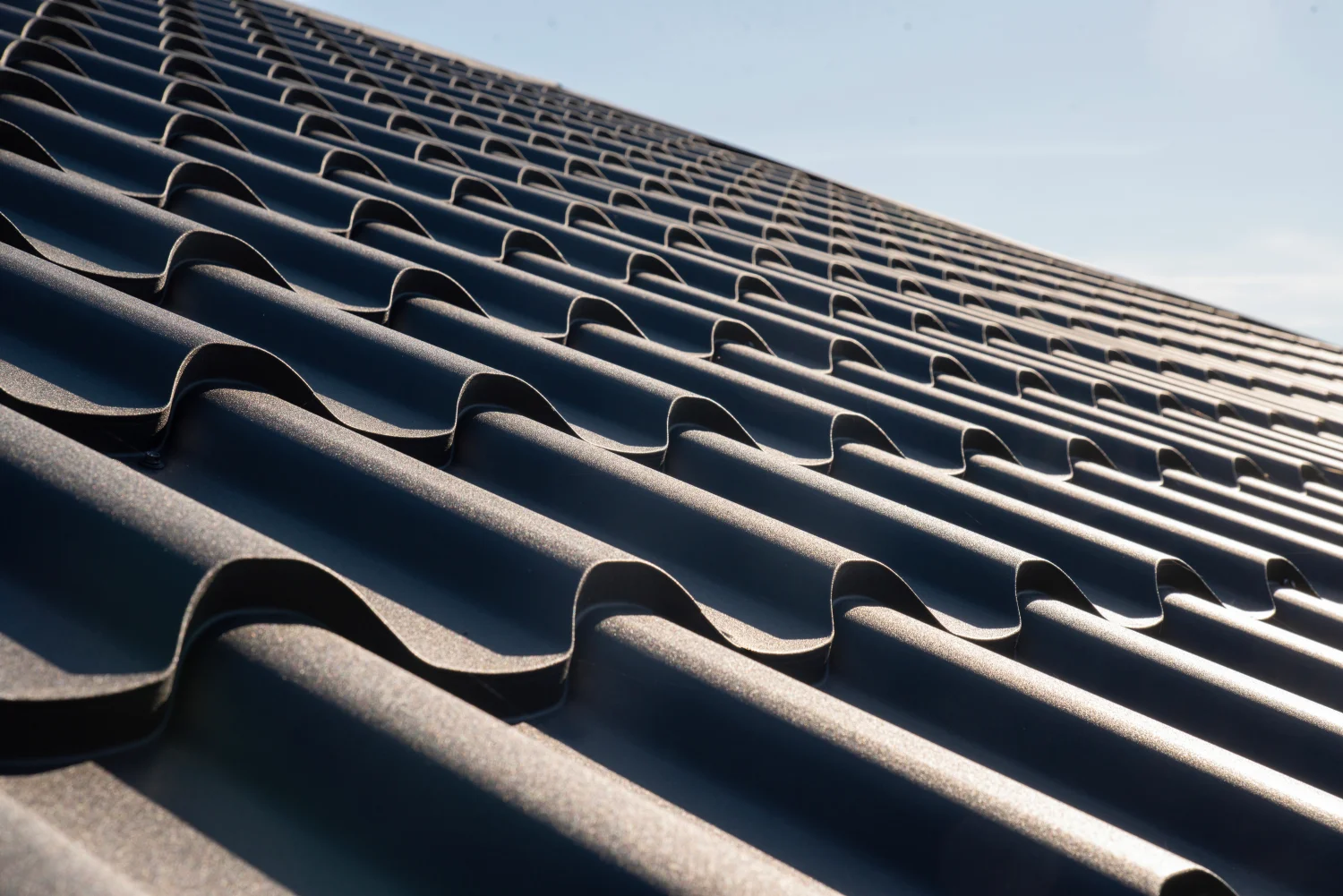
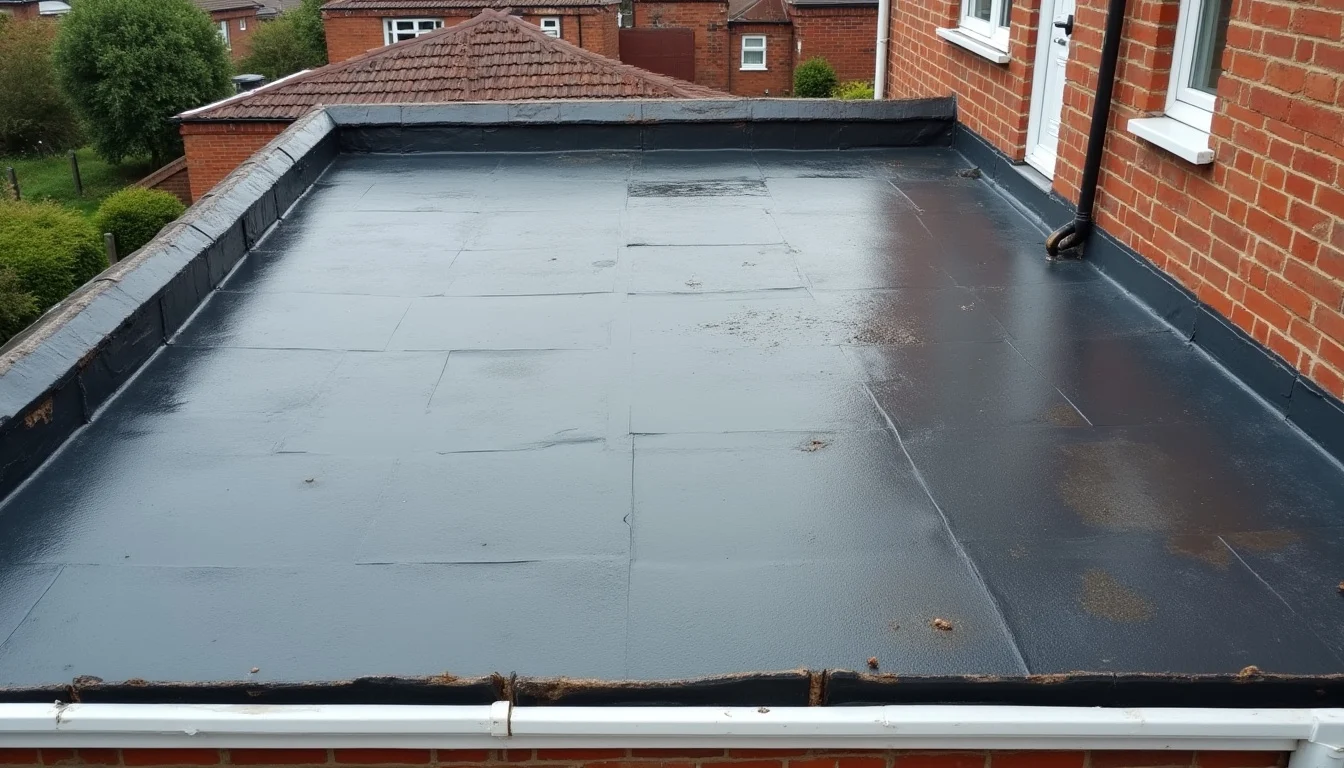
Please select the roof type of your property. This helps us determine the best installation method and equipment for your home.
Flat Roof
Pitched Roof
It just takes 60 Sec
And then you can book a free consultation
What About the Cost of a New Roof?
The cost of a new roof Worthing project depends on factors such as roof size, shape, access, materials, existing roof condition and the amount of preparation required.
Additional work may become necessary if damaged timbers, poor ventilation or other underlying issues are discovered.
This is why homeowners should be cautious about relying on a simple price-per-square-metre figure without understanding what is included.
A detailed quotation should make clear:
- What materials are being used
- Whether existing coverings are removed
- What preparation is included
- How waste will be handled
- Whether associated repairs are included
- What guarantees apply
Can Replacement Be More Practical Than Another Repair?
Yes, particularly when deterioration is widespread, and the roof has become increasingly difficult to maintain.
Replacement may offer a more practical route where:
- Repairs are becoming frequent
- Large areas are deteriorated
- Water ingress has affected supporting materials
- The roof covering has reached the end of its useful service life
- Several major components require attention at the same time
The benefit is not simply having a new covering. A properly planned project allows multiple related issues to be addressed together rather than dealing with them separately over time.
A Typical Worthing Home Scenario
Imagine a homeowner with an older pitched roof that has required several repairs over recent years. First, a few tiles were replaced. Later, flashing around the chimney needed attention. More recently, another section developed a leak following heavy rain.
None of the individual repairs was necessarily unreasonable. However, an inspection now finds that the roof covering has deteriorated across several areas and the fixings are becoming unreliable.
At this point, another isolated repair may provide only limited additional service life. Comparing the cost and expected durability of continued repairs with a broader replacement becomes more sensible.
What Should You Ask Before Choosing Replacement?
A replacement is a significant project, so homeowners should understand why it has been recommended.
Useful questions include:
- Which parts of the existing roof have deteriorated?
- Could the roof reasonably be repaired?
- How long might further repairs last?
- What would replacement involve?
- Are supporting timbers affected?
- Which materials are being proposed?
- What is included in the quotation?
- What maintenance will the new roof require?
A reputable roofer should be able to explain the reasoning rather than simply presenting replacement as the only option.
Can Regular Maintenance Delay Roof Replacement?
Yes, in some circumstances.
Routine inspections and prompt repairs can help extend the service life of a roof by addressing defects before they become widespread.
Useful maintenance includes:
- Keeping gutters clear
- Monitoring flashing
- Checking visible roof coverings
- Investigating leaks promptly
- Reviewing previous repair areas
- Checking accessible loft spaces for signs of moisture
Maintenance cannot reverse natural ageing, but it can help prevent small problems from accelerating unnecessarily.
Final Thoughts
Repeated repairs do not automatically mean that a roof needs replacing. The real question is whether the existing roof can still provide reliable protection and whether further repairs are likely to remain worthwhile.
When defects become widespread, repairs become frequent or several major components are deteriorating together, a replacement may offer a more practical long-term solution. On the other hand, localised problems on an otherwise sound roof can often be repaired effectively.
For homeowners in Worthing, All Roofing Works can assess the current condition of the roof and explain whether continued repair or replacement makes more sense. The aim should always be to choose work that is appropriate to the roof rather than simply the most extensive option.
Related articles
What Type of Roof Do You Have?
Please select the roof type of your property. This helps us determine the best installation method and equipment for your home.
Flat Roof
Pitched Roof
Commercial Roof
At a glance
For Worthing homeowners, knowing when ongoing repairs stop making financial sense and when a full roof replacement becomes the smarter long-term investment can save significant time and money.
Introduction
Repairing a roof can be a sensible way to extend its useful life. A damaged tile, deteriorated flashing or localised leak does not automatically mean the entire roof needs replacing.
The calculation becomes different when repairs keep coming back. If one problem is followed by another, or the same area repeatedly fails, homeowners may eventually spend more on maintaining an ageing roof than they would by investing in a more comprehensive solution.
For Worthing homeowners, the important question is not simply how old a roof is. It is whether the roof can still provide reliable protection and whether further repairs are likely to offer reasonable long-term value.
How Do You Know When a Roof Has Become Too Expensive to Keep Repairing?
There is no single repair bill that automatically means replacement is the right choice. Instead, several factors should be considered together.
Warning signs can include:
- Multiple repairs within a short period
- Repeated leaks in different areas
- Widespread cracked or deteriorated roof coverings
- Recurring problems with flashing
- Failed previous repairs
- Dampness affecting roof timbers
- Noticeable deterioration across large sections
- Increasing maintenance costs
One repair may be entirely reasonable. Several unrelated repairs over a number of years may also be normal for an older property.
The concern arises when failures become increasingly frequent, and the roof no longer behaves as a reliable system.
Should Roof Age Determine Whether You Replace It?
Age is useful context, but it should not be the only deciding factor.
Two roofs of the same age can be in very different condition because of differences in materials, installation, maintenance, exposure and previous repairs.
A professional assessment should consider:
- The condition of the main roof covering
- The supporting structure
- Flashing and junctions
- Underlay where accessible
- Fixings
- Previous repairs
- Signs of ongoing water ingress
- The likely durability of further repairs
A relatively old roof may still be performing well, while a younger roof with widespread defects could require significant attention.
This is why roof replacement Worthing decisions should be based on condition and future reliability rather than age alone.
What Are the Signs That Repairs Are Becoming a Temporary Solution?
Repairs can become less worthwhile when they are treating symptoms rather than restoring the overall condition of the roof.
For example, replacing a damaged tile is useful when the surrounding roof remains sound. But if several neighbouring tiles are failing because fixings and supporting materials are deteriorating, repeated individual replacements may not address the wider issue.
Look for patterns such as:
- A new leak appearing shortly after another repair
- Several areas requiring attention at once
- Repairs becoming more frequent
- The same type of defect recurring
- Large areas showing visible deterioration
- Increasing signs of water ingress
Repeated repair activity does not automatically prove replacement is necessary, but it is a good reason to reassess the roof as a whole.
When Does Repair Still Make Sense?
There are many situations where repair remains the sensible option.
A targeted repair can be appropriate when:
- Damage is localised
- The roof covering is generally sound
- Supporting timbers are in good condition
- Flashing and drainage remain serviceable
- Previous repairs have lasted well
- There is no evidence of widespread deterioration
The purpose of repair is to extend the useful service life of a roof where that remains practical.
A homeowner should not be encouraged towards replacement simply because a roof is older if a properly carried out repair can provide dependable protection.
What Happens When a Roof Has Several Different Problems?
Multiple defects can sometimes change the economics of the decision.
Consider a roof with:
- Damaged tiles
- Failing flashing
- Deteriorated fixings
- Poor drainage
- Repeated internal leaks
Each issue may be individually repairable. However, the combined cost and frequency of work may make a broader project more sensible.
The key is to compare the likely cost and durability of continued repairs against the condition and expected serviceability of a replacement.
How Should You Compare Repair Costs With Replacement?
A simple comparison can help make the decision more objective.
|
Consideration |
Continued repairs |
Roof replacement |
|
Initial cost |
Usually lower |
Usually higher |
|
Work scope |
Localised |
More comprehensive |
|
Disruption |
Often limited |
Greater |
|
Suitable for |
Local damage |
Widespread deterioration |
|
Future repair frequency |
May remain necessary |
Potentially reduced |
|
Long-term value |
Depends on roof condition |
Depends on installation and materials |
These are general principles rather than guarantees. A replacement does not eliminate all future maintenance, and a repair can sometimes last for many years.
The decision should be based on the actual roof rather than a simple percentage calculation.
Does Repeated Leakage Mean the Whole Roof Needs Replacing?
Not necessarily.
A leak can recur because the original source was incorrectly identified, because a repair was unsuitable or because a nearby component has failed.
Before considering roof replacement Worthing, it is important to establish whether the roof is suffering from isolated defects or widespread deterioration.
A thorough inspection should identify:
- Where water is entering
- How widespread the defects are
- Whether supporting materials have been affected
- Whether previous repairs addressed the cause
- Whether further local repairs are realistically durable
Without this information, replacement can be difficult to justify accurately.
What Type of Roof Do You Have?
Please select the roof type of your property. This helps us determine the best installation method and equipment for your home.
Flat Roof
Pitched Roof
It just takes 60 Sec
And then you can book a free consultation
What About the Cost of a New Roof?
The cost of a new roof Worthing project depends on factors such as roof size, shape, access, materials, existing roof condition and the amount of preparation required.
Additional work may become necessary if damaged timbers, poor ventilation or other underlying issues are discovered.
This is why homeowners should be cautious about relying on a simple price-per-square-metre figure without understanding what is included.
A detailed quotation should make clear:
- What materials are being used
- Whether existing coverings are removed
- What preparation is included
- How waste will be handled
- Whether associated repairs are included
- What guarantees apply
Can Replacement Be More Practical Than Another Repair?
Yes, particularly when deterioration is widespread, and the roof has become increasingly difficult to maintain.
Replacement may offer a more practical route where:
- Repairs are becoming frequent
- Large areas are deteriorated
- Water ingress has affected supporting materials
- The roof covering has reached the end of its useful service life
- Several major components require attention at the same time
The benefit is not simply having a new covering. A properly planned project allows multiple related issues to be addressed together rather than dealing with them separately over time.
A Typical Worthing Home Scenario
Imagine a homeowner with an older pitched roof that has required several repairs over recent years. First, a few tiles were replaced. Later, flashing around the chimney needed attention. More recently, another section developed a leak following heavy rain.
None of the individual repairs was necessarily unreasonable. However, an inspection now finds that the roof covering has deteriorated across several areas and the fixings are becoming unreliable.
At this point, another isolated repair may provide only limited additional service life. Comparing the cost and expected durability of continued repairs with a broader replacement becomes more sensible.
What Should You Ask Before Choosing Replacement?
A replacement is a significant project, so homeowners should understand why it has been recommended.
Useful questions include:
- Which parts of the existing roof have deteriorated?
- Could the roof reasonably be repaired?
- How long might further repairs last?
- What would replacement involve?
- Are supporting timbers affected?
- Which materials are being proposed?
- What is included in the quotation?
- What maintenance will the new roof require?
A reputable roofer should be able to explain the reasoning rather than simply presenting replacement as the only option.
Can Regular Maintenance Delay Roof Replacement?
Yes, in some circumstances.
Routine inspections and prompt repairs can help extend the service life of a roof by addressing defects before they become widespread.
Useful maintenance includes:
- Keeping gutters clear
- Monitoring flashing
- Checking visible roof coverings
- Investigating leaks promptly
- Reviewing previous repair areas
- Checking accessible loft spaces for signs of moisture
Maintenance cannot reverse natural ageing, but it can help prevent small problems from accelerating unnecessarily.
Final Thoughts
Repeated repairs do not automatically mean that a roof needs replacing. The real question is whether the existing roof can still provide reliable protection and whether further repairs are likely to remain worthwhile.
When defects become widespread, repairs become frequent or several major components are deteriorating together, a replacement may offer a more practical long-term solution. On the other hand, localised problems on an otherwise sound roof can often be repaired effectively.
For homeowners in Worthing, All Roofing Works can assess the current condition of the roof and explain whether continued repair or replacement makes more sense. The aim should always be to choose work that is appropriate to the roof rather than simply the most extensive option.
Related articles
What Type of Roof Do You Have?
Please select the roof type of your property. This helps us determine the best installation method and equipment for your home.
Flat Roof
Pitched Roof
Commercial Roof