Searching for Roofers Near Me After Bad Weather: What to Check Before Calling
Bad weather can turn a small roofing issue into an urgent one fast.

Why you can trust our content
We understand that the roofing industry can be confusing, with plenty of outdated or misleading information. That’s why we rely only on trusted, proven sources to guide our advice and installations:






At a glance
Before you call the first roofer you find, this guide walks Worthing homeowners through what to check safely from the ground, what actually counts as an emergency, and the questions worth asking before agreeing to any work.
Introduction
Severe weather can turn a small roofing defect into an urgent problem surprisingly quickly. High winds may dislodge tiles, heavy rain can expose weak points and blocked drainage can cause water to collect where it should not.
After a storm, it is understandable to search for roofers near me and arrange help as quickly as possible. However, rushing into the first available service without checking what is actually required can create unnecessary cost or leave an underlying problem unresolved.
A few simple checks can help Worthing homeowners assess the situation safely, explain the problem clearly and choose a roofing professional who is appropriate for the work.
What Should You Check Before Calling a Roofer?
The first priority is determining whether there is an immediate risk to the property or anyone nearby.
From ground level, look for:
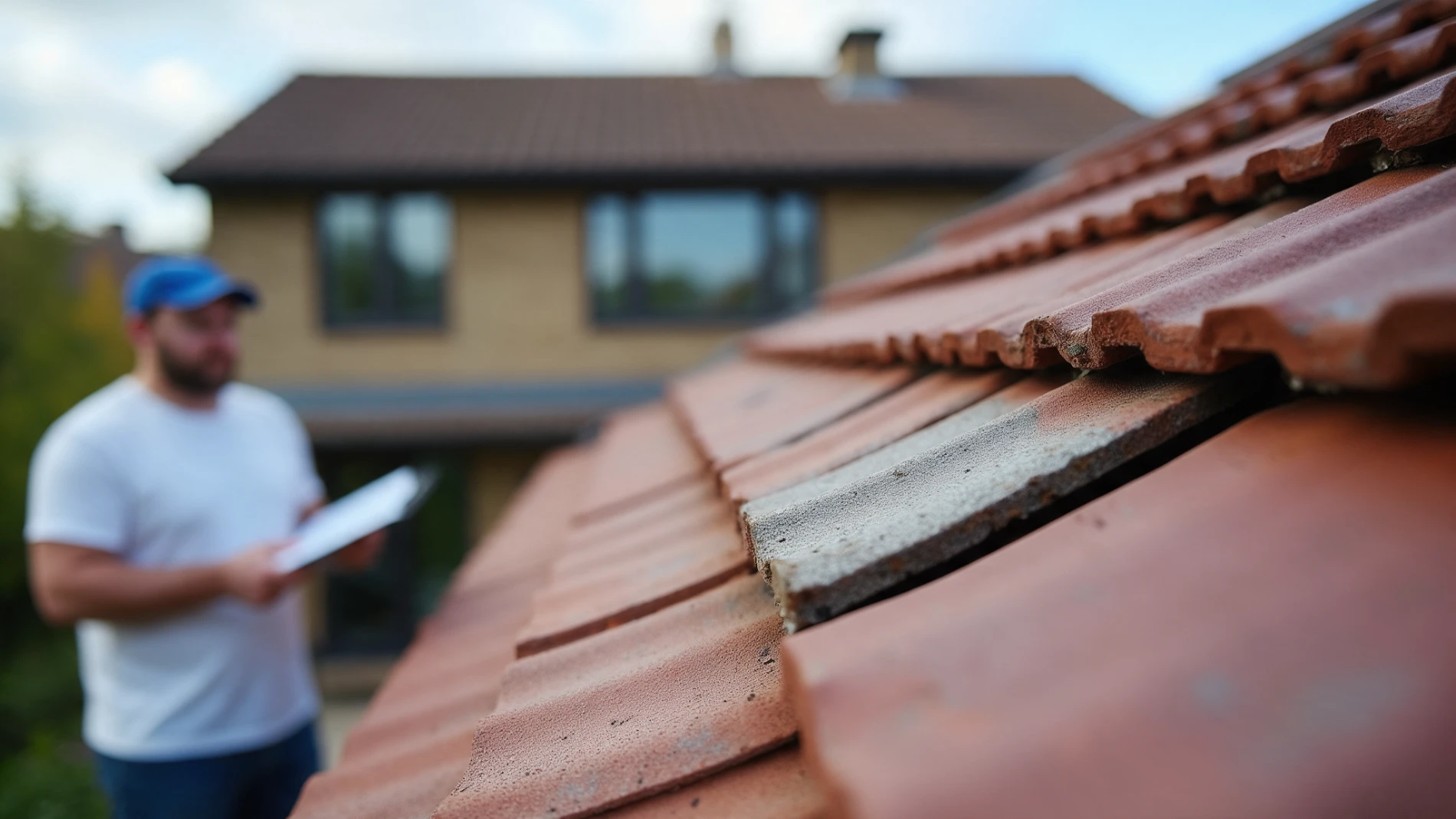
- Missing or visibly displaced tiles
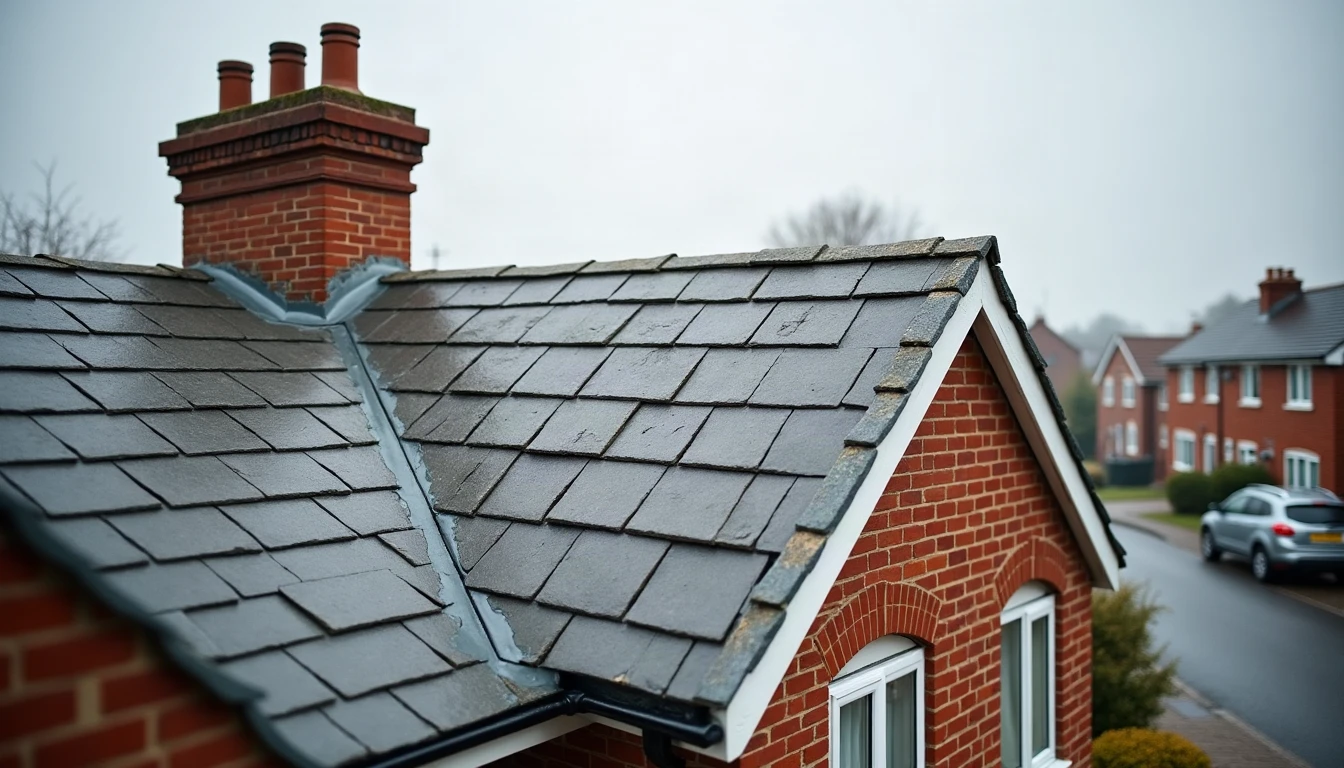
- Damaged slates
- Loose roof materials
- Sagging areas
- Damaged chimney components
- Water entering the property
- Overflowing gutters
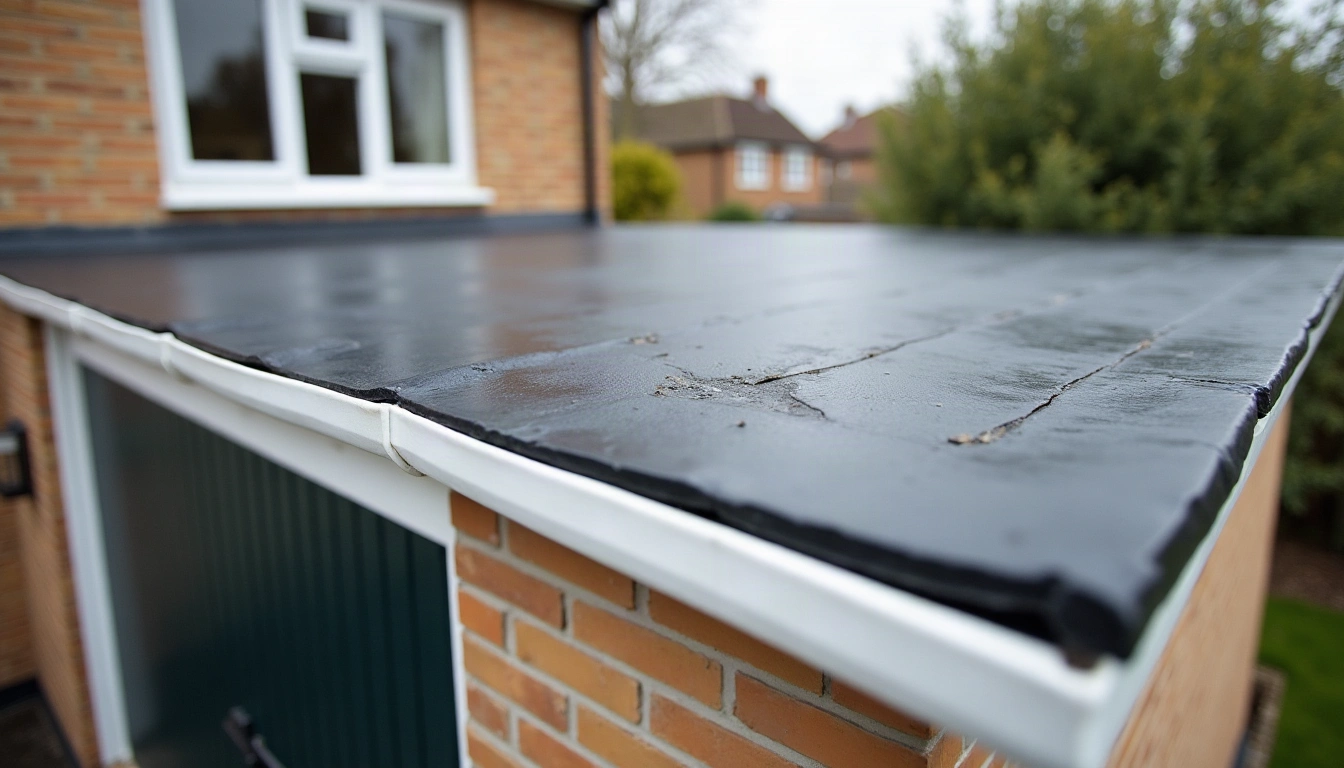
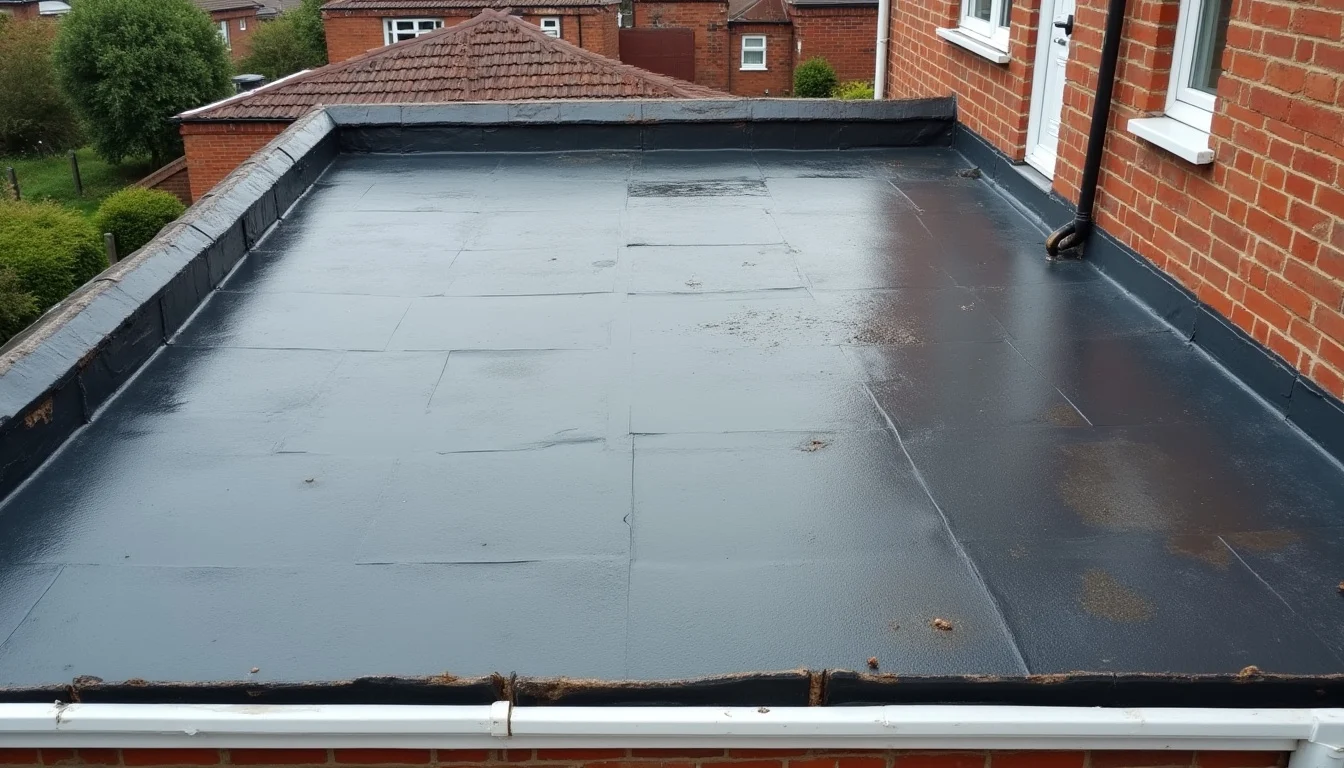
- Damaged flat roof coverings
Do not climb onto the roof to investigate storm damage yourself. Wet surfaces, loose materials and structural damage can make a roof particularly hazardous after bad weather.
If possible, take photographs from a safe position. These can help a roofer understand the problem before attending.
When Does Roof Damage Become an Emergency?
Not every defect requires an emergency response.
A roof problem is more likely to require urgent attention when:
- Rain is actively entering the property
- A large section of roofing has been exposed
- Materials are loose and could fall
- The roof structure appears unstable
- A damaged chimney presents a safety concern
- A flat roof has suffered significant membrane damage
If there is active water ingress, the priority is to prevent further damage while arranging appropriate professional assistance.
An emergency roofer should be able to establish whether immediate temporary protection is required and what further work may be necessary.
Should You Contact the First Roofer You Find?
Speed matters after serious weather damage, but it should not mean abandoning basic checks.
Before booking, consider whether the roofing business:
- Clearly explains the service offered
- Has suitable experience with your roof type
- Provides identifiable contact details
- Can explain whether the work is temporary or permanent
- Gives you a clear description of what will be inspected
- Provides a written quotation where appropriate
You do not necessarily need a long list of questions when water is entering your home. The aim is simply to establish that the person attending understands the problem and can provide an appropriate response.
What Information Should You Give the Roofer?
A clear description can make the initial conversation much more useful.
Tell the roofer:
- When the damage was noticed
- What the weather conditions were
- Whether water is entering
- Where the water is appearing inside
- Whether any materials are visibly missing
- Whether the roof has been repaired recently
- Whether the problem is getting worse
If the issue is only visible externally, explain exactly what you can see from the ground.
For example, saying that “something looks wrong with the roof” provides limited information. Saying that “two tiles appear to have moved above the rear extension following last night’s high winds” gives the roofer a much clearer starting point.
What Should an Emergency Roofing Visit Include?
An initial emergency visit should focus on safety and preventing further damage.
Depending on the circumstances, the roofer may assess:
|
Area |
What may be checked |
|
Roof covering |
Missing, broken or displaced materials |
|
Flashing |
Signs of movement or damage |
|
Roof edges |
Exposed or loose sections |
|
Chimney |
Damage to flashing or masonry |
|
Flat roof |
Membrane damage or openings |
|
Gutters |
Blockages or storm-related damage |
|
Interior |
Signs and location of water ingress |
The exact inspection will depend on the property and accessibility.
If conditions are unsafe for permanent work, temporary protection may be recommended first.
Is Temporary Protection Enough?
Temporary protection can be useful, particularly immediately after severe weather.
It may help reduce water entry while:
- Weather conditions improve
- Materials are sourced
- A more detailed inspection is arranged
- Further damage can be assessed
However, homeowners should establish whether the measure is temporary.
A covering or other short-term protection should not automatically be treated as a completed repair.
Once conditions are suitable, the underlying damage should be assessed to determine whether permanent work is required.
What Type of Roof Do You Have?
Please select the roof type of your property. This helps us determine the best installation method and equipment for your home.
Flat Roof
Pitched Roof
It just takes 60 Sec
And then you can book a free consultation
How Can You Check Whether a Roofing Quote Is Reasonable?
After an emergency, it can be tempting to accept the first price simply because the problem needs resolving.
For significant work, however, it is worth understanding what the quotation includes.
Check whether it identifies:
- The specific damage
- Proposed materials
- Labour
- Access requirements
- Removal of damaged materials
- Waste disposal
- Additional repairs
- Whether temporary protection is included
- Any guarantee or workmanship terms
A quotation should make it clear what you are paying for.
For smaller emergency repairs, obtaining several quotations may not always be practical, particularly where immediate action is required. In that situation, clear communication about the proposed work becomes even more important.
What Red Flags Should You Watch For?
Most roofing professionals will understand that homeowners need reassurance after storm damage. However, certain behaviours should encourage caution.
Be wary if someone:
- Claims major work is essential without explaining why
- Cannot identify the source of the problem
- Pressures you to agree immediately to extensive work
- Refuses to explain what is included
- Provides an unclear or changing price
- Insists on payment without a clear scope of work
- Cannot explain whether the proposed work is temporary or permanent
A professional should be able to explain the problem in straightforward language.
When looking for roofers near me, homeowners should consider communication and clarity alongside availability.
Does a Roofer Need to Inspect the Whole Roof?
The answer depends on the nature of the damage.
A small isolated defect may only require a focused assessment. After significant storm damage, however, checking the surrounding roof can be useful because wind and rain may have affected more than the most obvious area.
The roofer may look for:
- Other displaced coverings
- Weak fixings
- Damaged flashing
- Loose edges
- Blocked drainage
- Signs of earlier deterioration
This can prevent one visible problem from distracting from another defect that has not yet become apparent.
A Typical Worthing Storm Damage Scenario
Imagine a homeowner notices a missing tile following a period of strong winds. There is no obvious leak inside, so the issue may not appear urgent.
A roofer inspects the affected area and finds that the tile has moved because its fixing has deteriorated. Several nearby tiles are also showing signs of movement.
Rather than simply replacing the missing tile, the repair addresses the affected section and checks the surrounding coverings.
The cost is greater than replacing one tile alone, but the additional inspection helps reduce the likelihood of another failure from the same area.
Should You Wait Until the Weather Improves?
It depends on the severity of the problem.
If there is no immediate danger or water ingress, waiting for safer conditions may be appropriate for permanent work.
If rain is entering through an exposed section, prompt temporary protection may be necessary.
A responsible emergency roofer should prioritise safe working conditions and explain what can realistically be done at the time of the visit.
Homeowners should never feel pressured to allow someone onto a roof when conditions are clearly unsafe.
What Should You Do After the Emergency Repair?
Once the immediate problem has been dealt with, keep an eye on the affected area.
Watch for:
- Further water staining
- New leaks
- Movement of repaired materials
- Dampness in the loft
- Problems appearing elsewhere
If a temporary measure was used, ask when permanent work should be reviewed.
Keeping photographs and copies of quotations or invoices can also provide a useful record of what was previously repaired.
How Can You Reduce Future Storm Damage?
No roof can be made completely immune to severe weather, but regular maintenance can reduce avoidable weaknesses.
Consider:
- Checking visible roof coverings periodically
- Keeping gutters clear
- Monitoring flashing
- Investigating small leaks
- Checking for loose materials after severe weather
- Maintaining flat roof drainage
- Arranging professional attention for recurring defects
Small problems are often easier to address before the next period of poor weather.
Final Thoughts
Finding roofers near me after bad weather is often about more than securing the quickest available appointment. The right response should identify the immediate risk, protect the property where necessary and establish what permanent work, if any, is actually required.
A damaged roof may need nothing more than a targeted repair, while widespread storm damage can require a more detailed assessment. Taking a little care before agreeing to work can help ensure the response matches the problem.
For homeowners in Worthing, All Roofing Works can assess storm-related roof problems and provide practical guidance on the next step. Whether you need urgent protection or a planned repair, a clear understanding of the roof’s condition is the best starting point.
Related articles

What Type of Roof Do You Have?
Please select the roof type of your property. This helps us determine the best installation method and equipment for your home.
Flat Roof
Pitched Roof
Commercial Roof
At a glance
Before you call the first roofer you find, this guide walks Worthing homeowners through what to check safely from the ground, what actually counts as an emergency, and the questions worth asking before agreeing to any work.
Introduction
Severe weather can turn a small roofing defect into an urgent problem surprisingly quickly. High winds may dislodge tiles, heavy rain can expose weak points and blocked drainage can cause water to collect where it should not.
After a storm, it is understandable to search for roofers near me and arrange help as quickly as possible. However, rushing into the first available service without checking what is actually required can create unnecessary cost or leave an underlying problem unresolved.
A few simple checks can help Worthing homeowners assess the situation safely, explain the problem clearly and choose a roofing professional who is appropriate for the work.
What Should You Check Before Calling a Roofer?
The first priority is determining whether there is an immediate risk to the property or anyone nearby.
From ground level, look for:
- Missing or visibly displaced tiles
- Damaged slates
- Loose roof materials
- Sagging areas
- Damaged chimney components
- Water entering the property
- Overflowing gutters
- Damaged flat roof coverings
Do not climb onto the roof to investigate storm damage yourself. Wet surfaces, loose materials and structural damage can make a roof particularly hazardous after bad weather.
If possible, take photographs from a safe position. These can help a roofer understand the problem before attending.
When Does Roof Damage Become an Emergency?
Not every defect requires an emergency response.
A roof problem is more likely to require urgent attention when:
- Rain is actively entering the property
- A large section of roofing has been exposed
- Materials are loose and could fall
- The roof structure appears unstable
- A damaged chimney presents a safety concern
- A flat roof has suffered significant membrane damage
If there is active water ingress, the priority is to prevent further damage while arranging appropriate professional assistance.
An emergency roofer should be able to establish whether immediate temporary protection is required and what further work may be necessary.
Should You Contact the First Roofer You Find?
Speed matters after serious weather damage, but it should not mean abandoning basic checks.
Before booking, consider whether the roofing business:
- Clearly explains the service offered
- Has suitable experience with your roof type
- Provides identifiable contact details
- Can explain whether the work is temporary or permanent
- Gives you a clear description of what will be inspected
- Provides a written quotation where appropriate
You do not necessarily need a long list of questions when water is entering your home. The aim is simply to establish that the person attending understands the problem and can provide an appropriate response.
What Information Should You Give the Roofer?
A clear description can make the initial conversation much more useful.
Tell the roofer:
- When the damage was noticed
- What the weather conditions were
- Whether water is entering
- Where the water is appearing inside
- Whether any materials are visibly missing
- Whether the roof has been repaired recently
- Whether the problem is getting worse
If the issue is only visible externally, explain exactly what you can see from the ground.
For example, saying that “something looks wrong with the roof” provides limited information. Saying that “two tiles appear to have moved above the rear extension following last night’s high winds” gives the roofer a much clearer starting point.
What Should an Emergency Roofing Visit Include?
An initial emergency visit should focus on safety and preventing further damage.
Depending on the circumstances, the roofer may assess:
|
Area |
What may be checked |
|
Roof covering |
Missing, broken or displaced materials |
|
Flashing |
Signs of movement or damage |
|
Roof edges |
Exposed or loose sections |
|
Chimney |
Damage to flashing or masonry |
|
Flat roof |
Membrane damage or openings |
|
Gutters |
Blockages or storm-related damage |
|
Interior |
Signs and location of water ingress |
The exact inspection will depend on the property and accessibility.
If conditions are unsafe for permanent work, temporary protection may be recommended first.
Is Temporary Protection Enough?
Temporary protection can be useful, particularly immediately after severe weather.
It may help reduce water entry while:
- Weather conditions improve
- Materials are sourced
- A more detailed inspection is arranged
- Further damage can be assessed
However, homeowners should establish whether the measure is temporary.
A covering or other short-term protection should not automatically be treated as a completed repair.
Once conditions are suitable, the underlying damage should be assessed to determine whether permanent work is required.
What Type of Roof Do You Have?
Please select the roof type of your property. This helps us determine the best installation method and equipment for your home.
Flat Roof
Pitched Roof
It just takes 60 Sec
And then you can book a free consultation
How Can You Check Whether a Roofing Quote Is Reasonable?
After an emergency, it can be tempting to accept the first price simply because the problem needs resolving.
For significant work, however, it is worth understanding what the quotation includes.
Check whether it identifies:
- The specific damage
- Proposed materials
- Labour
- Access requirements
- Removal of damaged materials
- Waste disposal
- Additional repairs
- Whether temporary protection is included
- Any guarantee or workmanship terms
A quotation should make it clear what you are paying for.
For smaller emergency repairs, obtaining several quotations may not always be practical, particularly where immediate action is required. In that situation, clear communication about the proposed work becomes even more important.
What Red Flags Should You Watch For?
Most roofing professionals will understand that homeowners need reassurance after storm damage. However, certain behaviours should encourage caution.
Be wary if someone:
- Claims major work is essential without explaining why
- Cannot identify the source of the problem
- Pressures you to agree immediately to extensive work
- Refuses to explain what is included
- Provides an unclear or changing price
- Insists on payment without a clear scope of work
- Cannot explain whether the proposed work is temporary or permanent
A professional should be able to explain the problem in straightforward language.
When looking for roofers near me, homeowners should consider communication and clarity alongside availability.
Does a Roofer Need to Inspect the Whole Roof?
The answer depends on the nature of the damage.
A small isolated defect may only require a focused assessment. After significant storm damage, however, checking the surrounding roof can be useful because wind and rain may have affected more than the most obvious area.
The roofer may look for:
- Other displaced coverings
- Weak fixings
- Damaged flashing
- Loose edges
- Blocked drainage
- Signs of earlier deterioration
This can prevent one visible problem from distracting from another defect that has not yet become apparent.
A Typical Worthing Storm Damage Scenario
Imagine a homeowner notices a missing tile following a period of strong winds. There is no obvious leak inside, so the issue may not appear urgent.
A roofer inspects the affected area and finds that the tile has moved because its fixing has deteriorated. Several nearby tiles are also showing signs of movement.
Rather than simply replacing the missing tile, the repair addresses the affected section and checks the surrounding coverings.
The cost is greater than replacing one tile alone, but the additional inspection helps reduce the likelihood of another failure from the same area.
Should You Wait Until the Weather Improves?
It depends on the severity of the problem.
If there is no immediate danger or water ingress, waiting for safer conditions may be appropriate for permanent work.
If rain is entering through an exposed section, prompt temporary protection may be necessary.
A responsible emergency roofer should prioritise safe working conditions and explain what can realistically be done at the time of the visit.
Homeowners should never feel pressured to allow someone onto a roof when conditions are clearly unsafe.
What Should You Do After the Emergency Repair?
Once the immediate problem has been dealt with, keep an eye on the affected area.
Watch for:
- Further water staining
- New leaks
- Movement of repaired materials
- Dampness in the loft
- Problems appearing elsewhere
If a temporary measure was used, ask when permanent work should be reviewed.
Keeping photographs and copies of quotations or invoices can also provide a useful record of what was previously repaired.
How Can You Reduce Future Storm Damage?
No roof can be made completely immune to severe weather, but regular maintenance can reduce avoidable weaknesses.
Consider:
- Checking visible roof coverings periodically
- Keeping gutters clear
- Monitoring flashing
- Investigating small leaks
- Checking for loose materials after severe weather
- Maintaining flat roof drainage
- Arranging professional attention for recurring defects
Small problems are often easier to address before the next period of poor weather.
Final Thoughts
Finding roofers near me after bad weather is often about more than securing the quickest available appointment. The right response should identify the immediate risk, protect the property where necessary and establish what permanent work, if any, is actually required.
A damaged roof may need nothing more than a targeted repair, while widespread storm damage can require a more detailed assessment. Taking a little care before agreeing to work can help ensure the response matches the problem.
For homeowners in Worthing, All Roofing Works can assess storm-related roof problems and provide practical guidance on the next step. Whether you need urgent protection or a planned repair, a clear understanding of the roof’s condition is the best starting point.
Related articles
What Type of Roof Do You Have?
Please select the roof type of your property. This helps us determine the best installation method and equipment for your home.
Flat Roof
Pitched Roof
Commercial Roof