Pitched or Flat Roof Installation in Worthing: What to Confirm Before You Commit
Committing to a new roof involves more than choosing a material and agreeing a price. The roof has to suit the property, manage rainwater correctly, cope with exposure, integrate with existing walls and roof junctions, and be installed to a specification that makes sense for the building.

Why you can trust our content
We understand that the roofing industry can be confusing, with plenty of outdated or misleading information. That’s why we rely only on trusted, proven sources to guide our advice and installations:






At a glance
Not automatically. If existing gutters remain in good condition and are suitable for the new roof arrangement, they may not require replacement. Their condition and capacity should be assessed as part of the project.
If you are considering roof installation in Worthing, confirming these details before work begins can make quotations easier to compare and reduce uncertainty once the existing roof is opened.
Should you choose a pitched or flat roof?
In many cases, the building itself largely determines the answer.
Traditional houses commonly use pitched roofs for the main property, while extensions, garages, porches and some modern additions are often suited to flat roofing systems. There can be situations where more than one design is technically possible, but the decision should not be based on appearance alone.
Important considerations include:
- Existing roof construction
- Available roof height
- Roof pitch
- Property design
- Planning considerations where relevant
- Drainage
- Internal space requirements
- Connection with neighbouring roof sections
- Long-term maintenance
- Roofing material suitability
If you are replacing an existing roof like-for-like, the design decision may be relatively straightforward. If the project involves altering the roof shape or changing the type of covering, more technical consideration may be required.
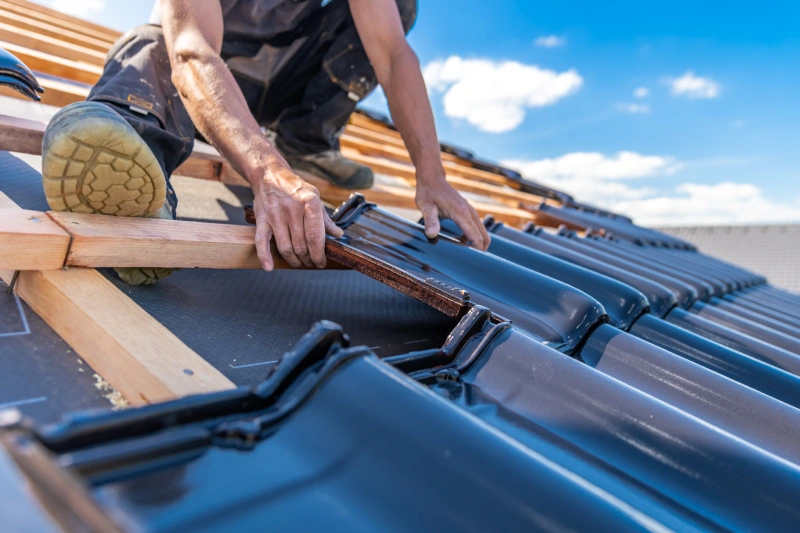
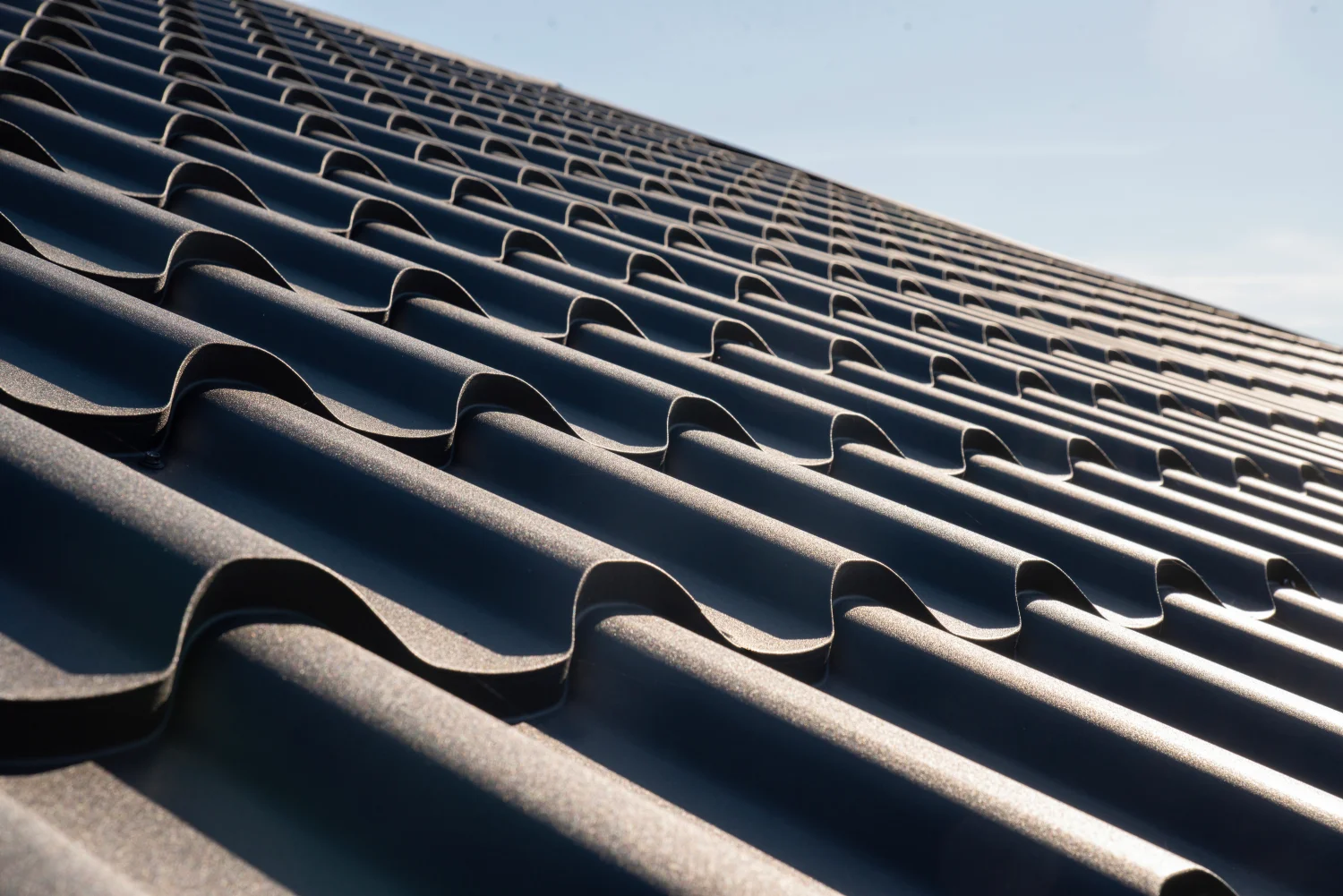
What should be confirmed before a pitched roof is installed?
Pitched roofing involves several layers and details that need to work together.
The visible tiles or slates are only the outer part of the system.
Before installation, it is useful to establish:
Roofing material
Common options include:
- Concrete tiles
- Clay tiles
- Natural slate
- Other compatible pitched roofing products
The chosen material must be suitable for the roof pitch and structure.
Underlay
Roofing underlay provides an additional layer of weather protection beneath tiles or slates. The specification should suit the roof design and work correctly with the intended ventilation arrangement.
Battens
Roof battens support the tiles or slates and need to be correctly spaced and suitable for the roofing system.
Ridge and verge details
The top and outer edges of the roof are particularly exposed. Ask how ridges, hips and verges will be finished and secured.
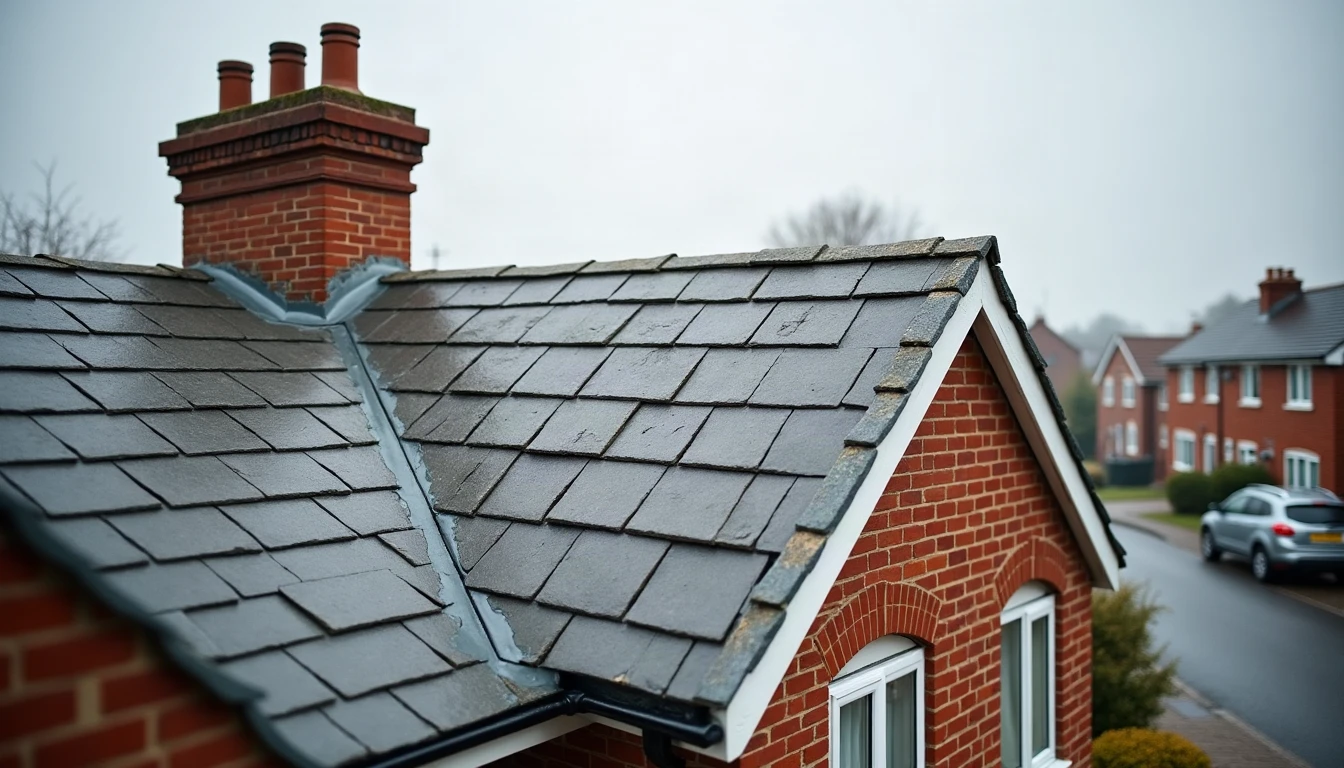
Flashings
Chimneys, adjoining walls, roof windows and other junctions require careful weatherproof detailing.
Ventilation
Roof ventilation can be an important part of controlling moisture within the roof space. The appropriate approach depends on the roof construction and insulation arrangement.
A professional specification should bring these elements together rather than treating the tiles as the entire roof.
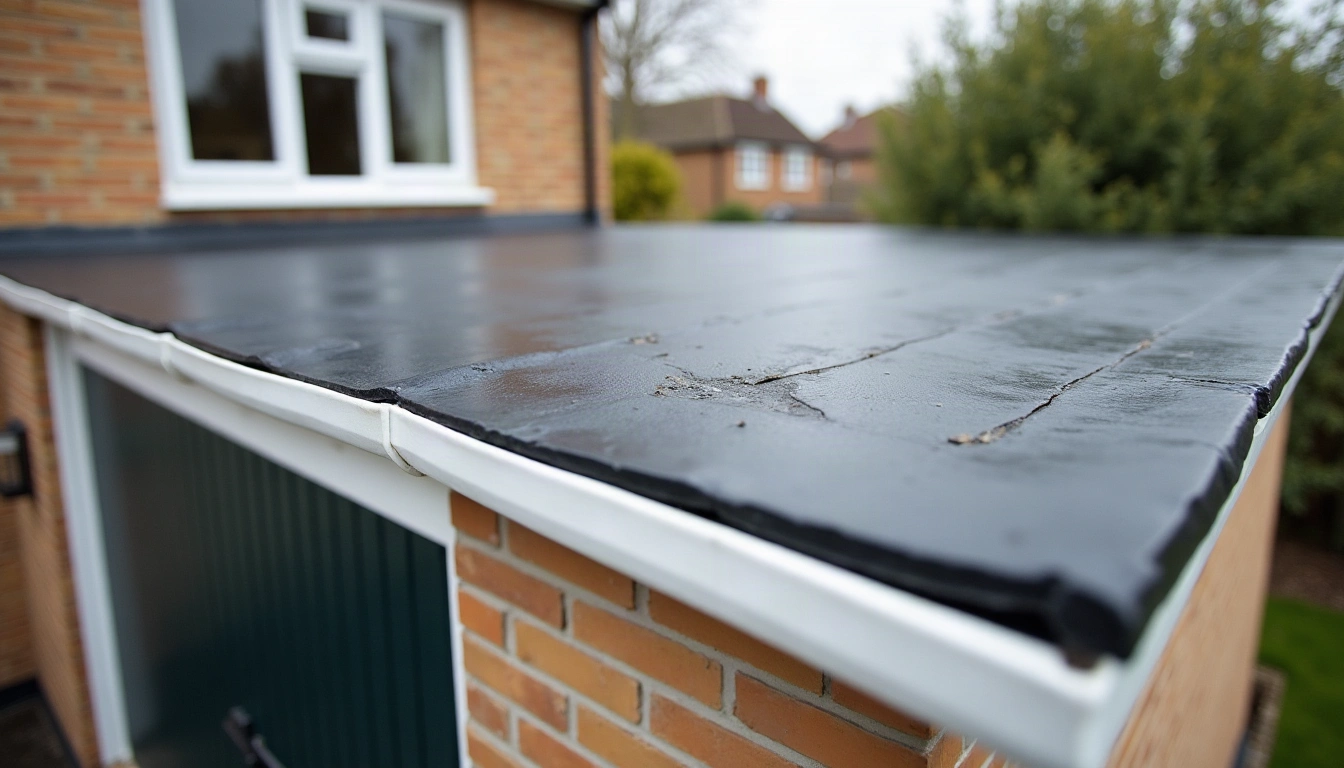
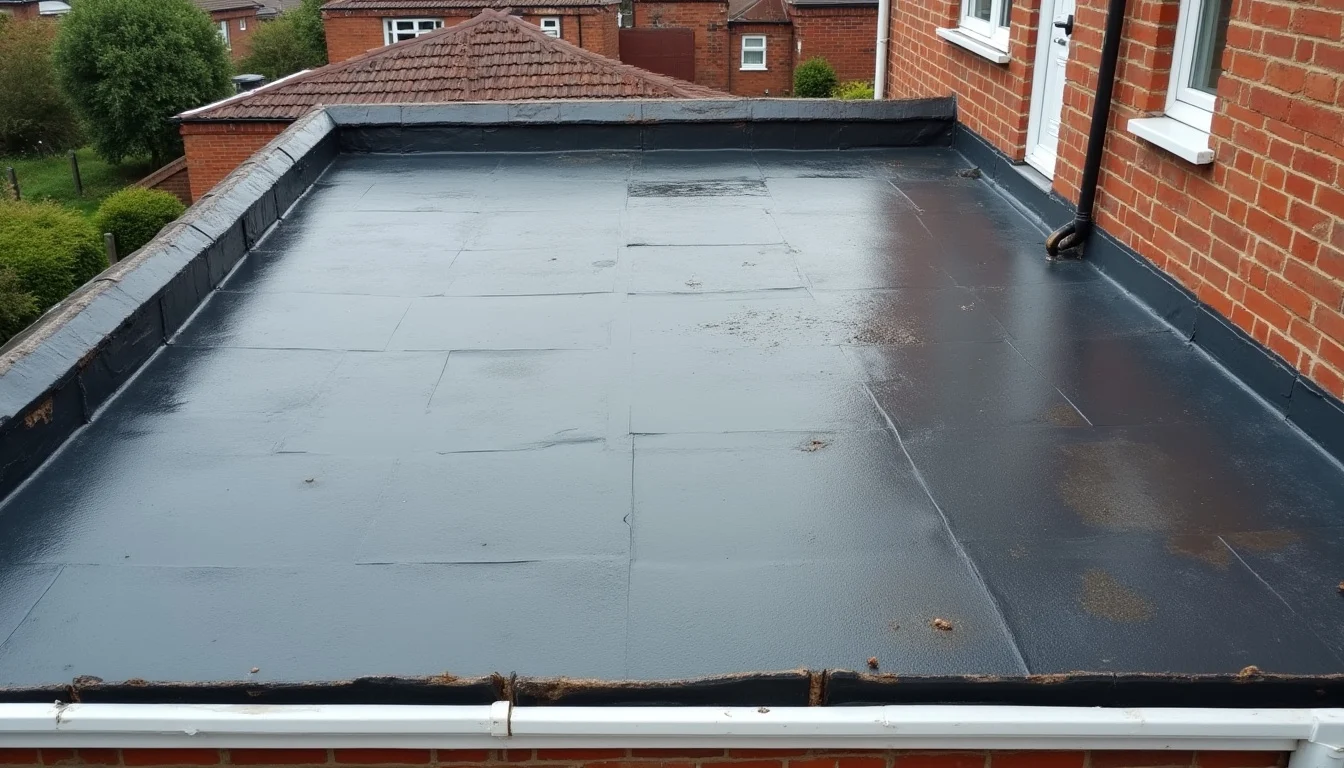
What matters most with a flat roof installation?
Flat roofing requires a different approach.
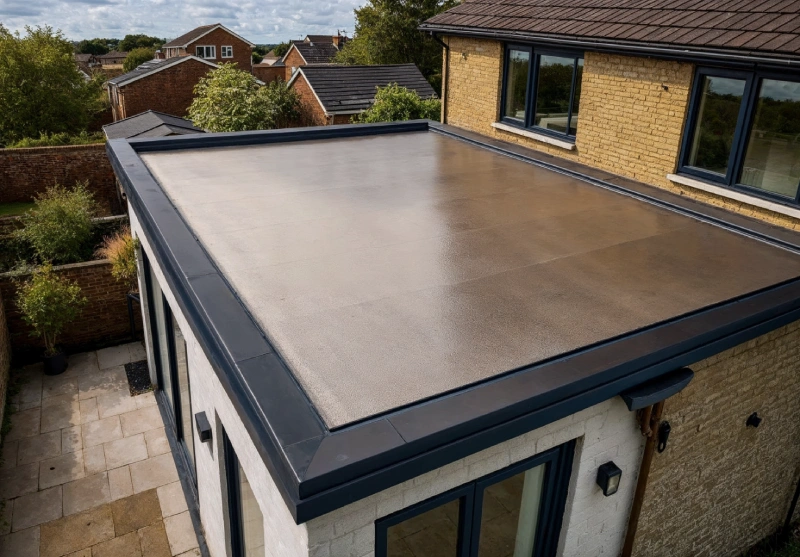
A flat roof is not normally completely level. It should be designed with sufficient falls to encourage water towards suitable drainage points.
For flat roof installation in Worthing, some of the most important questions relate to how the system will manage water.
Ask about:
- Direction of roof falls
- Drainage outlets
- Gutter positions
- Roof edge detailing
- Upstands against walls
- Membrane or covering type
- Roof deck condition
- Insulation arrangement
- Penetrations through the roof
- Junctions with the existing building
Poor drainage can undermine an otherwise good roofing system.
Water that repeatedly remains on the surface can place additional pressure on joints, coverings and localised areas over time. That makes falls and outlet positions part of the installation itself rather than an afterthought.
How do pitched and flat roofing requirements compare?
Although both systems aim to keep the building weather-resistant, they achieve that in different ways.
|
Area to confirm |
Pitched roof |
Flat roof |
|
Water management |
Pitch directs rain towards gutters |
Designed falls direct water to outlets |
|
Main covering |
Tiles or slates |
Membrane or flat roof covering |
|
Supporting layer |
Battens and underlay |
Roof deck and associated layers |
|
Critical junctions |
Valleys, ridges, chimneys and verges |
Upstands, edges, outlets and wall junctions |
|
Ventilation |
Depends on roof construction |
Depends on warm/cold roof design |
|
Main visual consideration |
Tile/slate style and roof form |
Edge finish and surface system |
|
Common weak points if poorly detailed |
Flashing, valleys and edges |
Drainage, joints and penetrations |
|
Access during future maintenance |
Pitch can make access more difficult |
Surface may appear easier but still requires safe access |
Neither system is automatically better.
The correct choice depends on the building and how the roof needs to perform.
What should the quotation actually include?
A good quotation should give you enough detail to understand what is being installed.
A single line saying “new roof” leaves too many questions unanswered.
For roof installation in Worthing, check whether the quotation covers:
- Removal of the existing roofing where required
- Waste disposal
- Scaffolding or access
- New underlay or membrane
- Battens or roof deck work
- Roofing material
- Ridge, verge and edge details
- Flashing work
- Drainage alterations where needed
- Ventilation provisions
- Labour
- Finishing work
- Any guarantees or warranties
- VAT where applicable
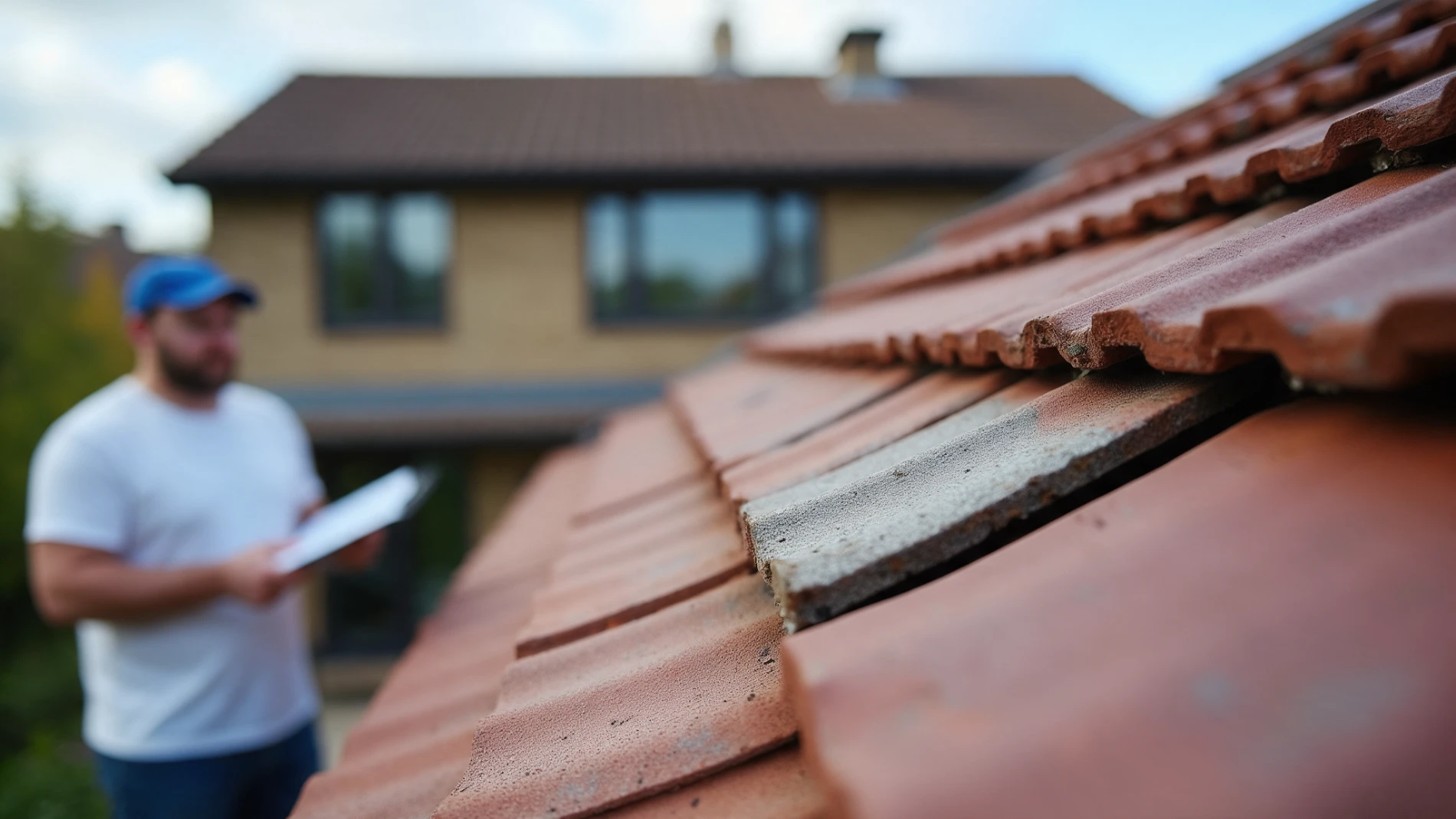
It should also state what happens if hidden deterioration is discovered once the existing roof covering is removed.
For example, damaged timber or decking may not always be fully visible before stripping begins. Agreeing how additional work will be handled can reduce confusion later.
How important are drainage and weather exposure in Worthing?
Very important.
Worthing’s coastal position means roofing systems should be specified with local weather exposure in mind. Wind-driven rain, periods of stronger winds and repeated wet weather all reinforce the need for good detailing.
For pitched roofs, this makes correctly secured roof coverings, edges, ridges and flashings particularly important.
For flat roofs, drainage becomes critical because water relies on the designed falls and outlets rather than a steep roof pitch to move away quickly.
A competent installer should consider the property itself rather than use exactly the same specification on every building.
Factors can include:
- Height of the property
- Orientation
- Roof shape
- Surrounding buildings
- Nearby trees
- Exposure
- Existing drainage
- Roof complexity
Local conditions should influence good roofing practice without being used to overcomplicate a straightforward project.
Should you ask about insulation and ventilation before work starts?
Yes.
Roof replacement can interact with the thermal performance and ventilation of the property, particularly where significant areas are being renewed.
The exact requirements depend on the existing roof and scope of work.
For a pitched roof, insulation may sit at ceiling level or within the roof slope. Those different constructions can affect how ventilation and moisture are managed.
Flat roofs may be built using different arrangements, commonly described as warm roof or cold roof constructions. The position of insulation and how condensation risk is managed should be considered as part of the design.
Homeowners do not need to design the roof themselves.
However, it is reasonable to ask:
- Will the insulation arrangement change?
- Is additional ventilation required?
- How will moisture be managed?
- Does the proposed work need Building Regulations approval?
- Who will deal with any required compliance?
These questions are best answered before installation begins.
How can you compare different roofing materials?
Material choice should balance appearance, suitability, durability and budget.
For pitched roofing, clay, concrete and natural slate each have different characteristics.
When comparing options, consider:
- Suitability for the roof pitch
- Weight
- Appearance
- Expected service life
- Maintenance
- Availability of matching materials
- Cost
- Compatibility with the property
For flat roofing, the comparison may instead centre on the roofing system, installation method and detailing.
The most expensive material is not automatically the best option for every property.
A material that is properly specified and professionally installed is generally more important than choosing something solely because it is marketed as a premium product.
What should you know about guarantees and warranties?
Before signing a contract, establish what protection comes with the work.
There can be several different types of cover.
Workmanship guarantee
This relates to the installation work completed by the roofing company.
Manufacturer warranty
Some roofing products have manufacturer-backed warranties, which may have specific installation and registration requirements.
Insurance-backed protection
Some contractors may offer additional forms of protection depending on the project.
Ask:
- How long does the cover last?
- What exactly does it cover?
- Are there exclusions?
- Does anything need registering?
- Is maintenance required?
- Will documentation be provided?
A large headline warranty is only useful if you understand the terms.
When should you be cautious about a roof quotation?
A roofing quotation does not need to contain pages of technical language, but it should be clear enough for you to understand what is being purchased.
Be cautious if:
- The specification is extremely vague
- Materials are not identified
- Access arrangements are unclear
- Drainage is not considered
- Large upfront payments are requested without explanation
- Guarantees are promised but not defined
- Significant work is recommended without an inspection
- Changes to the price can apparently be made without agreement
- You are being pressured to decide immediately
For a substantial installation, taking time to understand the scope is reasonable.
A professional roofing company should be able to explain its recommendation without making the homeowner feel rushed.
What Type of Roof Do You Have?
Please select the roof type of your property. This helps us determine the best installation method and equipment for your home.
Flat Roof
Pitched Roof
It just takes 60 Sec
And then you can book a free consultation
What should happen before installation begins?
Once you have chosen a contractor, there should be a clear understanding of the project.
Confirm:
- Agreed roofing system
- Materials and finishes
- Start arrangements
- Access requirements
- Expected duration
- Waste removal
- Property protection
- Payment schedule
- What happens if additional damage is uncovered
- Guarantee documentation
For a flat roof installation in Worthing, also make sure the drainage arrangement and roof falls have been discussed. These details can have a significant influence on long-term performance.
For pitched work, clarify roof coverings, ridge and verge details, flashing and any ventilation requirements.
A little more clarity before work begins can prevent considerably more confusion once the project is underway.
Confirm the specification before committing to the work
A new roof should not be treated as a purchase based on price alone.
Whether you are replacing a pitched roof or installing a new flat roofing system, the quality of the specification matters. Materials, drainage, ventilation, access, roof junctions and guarantees should all be clear before work starts.
For homeowners considering roof installation in Worthing, understanding those details makes it easier to compare contractors and choose a solution suited to the property rather than simply accepting the cheapest headline figure.
All Roofing Works supports homeowners across Worthing and the wider West Sussex area with pitched and flat roofing projects. Our team can assess the property, explain the available roofing options and provide a clear quotation based on the work required.
Related articles
What Type of Roof Do You Have?
Please select the roof type of your property. This helps us determine the best installation method and equipment for your home.
Flat Roof
Pitched Roof
Commercial Roof
At a glance
Not automatically. If existing gutters remain in good condition and are suitable for the new roof arrangement, they may not require replacement. Their condition and capacity should be assessed as part of the project.
If you are considering roof installation in Worthing, confirming these details before work begins can make quotations easier to compare and reduce uncertainty once the existing roof is opened.
Should you choose a pitched or flat roof?
In many cases, the building itself largely determines the answer.
Traditional houses commonly use pitched roofs for the main property, while extensions, garages, porches and some modern additions are often suited to flat roofing systems. There can be situations where more than one design is technically possible, but the decision should not be based on appearance alone.
Important considerations include:
- Existing roof construction
- Available roof height
- Roof pitch
- Property design
- Planning considerations where relevant
- Drainage
- Internal space requirements
- Connection with neighbouring roof sections
- Long-term maintenance
- Roofing material suitability
If you are replacing an existing roof like-for-like, the design decision may be relatively straightforward. If the project involves altering the roof shape or changing the type of covering, more technical consideration may be required.
What should be confirmed before a pitched roof is installed?
Pitched roofing involves several layers and details that need to work together.
The visible tiles or slates are only the outer part of the system.
Before installation, it is useful to establish:
Roofing material
Common options include:
- Concrete tiles
- Clay tiles
- Natural slate
- Other compatible pitched roofing products
The chosen material must be suitable for the roof pitch and structure.
Underlay
Roofing underlay provides an additional layer of weather protection beneath tiles or slates. The specification should suit the roof design and work correctly with the intended ventilation arrangement.
Battens
Roof battens support the tiles or slates and need to be correctly spaced and suitable for the roofing system.
Ridge and verge details
The top and outer edges of the roof are particularly exposed. Ask how ridges, hips and verges will be finished and secured.
Flashings
Chimneys, adjoining walls, roof windows and other junctions require careful weatherproof detailing.
Ventilation
Roof ventilation can be an important part of controlling moisture within the roof space. The appropriate approach depends on the roof construction and insulation arrangement.
A professional specification should bring these elements together rather than treating the tiles as the entire roof.
What matters most with a flat roof installation?
Flat roofing requires a different approach.
A flat roof is not normally completely level. It should be designed with sufficient falls to encourage water towards suitable drainage points.
For flat roof installation in Worthing, some of the most important questions relate to how the system will manage water.
Ask about:
- Direction of roof falls
- Drainage outlets
- Gutter positions
- Roof edge detailing
- Upstands against walls
- Membrane or covering type
- Roof deck condition
- Insulation arrangement
- Penetrations through the roof
- Junctions with the existing building
Poor drainage can undermine an otherwise good roofing system.
Water that repeatedly remains on the surface can place additional pressure on joints, coverings and localised areas over time. That makes falls and outlet positions part of the installation itself rather than an afterthought.
How do pitched and flat roofing requirements compare?
Although both systems aim to keep the building weather-resistant, they achieve that in different ways.
|
Area to confirm |
Pitched roof |
Flat roof |
|
Water management |
Pitch directs rain towards gutters |
Designed falls direct water to outlets |
|
Main covering |
Tiles or slates |
Membrane or flat roof covering |
|
Supporting layer |
Battens and underlay |
Roof deck and associated layers |
|
Critical junctions |
Valleys, ridges, chimneys and verges |
Upstands, edges, outlets and wall junctions |
|
Ventilation |
Depends on roof construction |
Depends on warm/cold roof design |
|
Main visual consideration |
Tile/slate style and roof form |
Edge finish and surface system |
|
Common weak points if poorly detailed |
Flashing, valleys and edges |
Drainage, joints and penetrations |
|
Access during future maintenance |
Pitch can make access more difficult |
Surface may appear easier but still requires safe access |
Neither system is automatically better.
The correct choice depends on the building and how the roof needs to perform.
What should the quotation actually include?
A good quotation should give you enough detail to understand what is being installed.
A single line saying “new roof” leaves too many questions unanswered.
For roof installation in Worthing, check whether the quotation covers:
- Removal of the existing roofing where required
- Waste disposal
- Scaffolding or access
- New underlay or membrane
- Battens or roof deck work
- Roofing material
- Ridge, verge and edge details
- Flashing work
- Drainage alterations where needed
- Ventilation provisions
- Labour
- Finishing work
- Any guarantees or warranties
- VAT where applicable
It should also state what happens if hidden deterioration is discovered once the existing roof covering is removed.
For example, damaged timber or decking may not always be fully visible before stripping begins. Agreeing how additional work will be handled can reduce confusion later.
How important are drainage and weather exposure in Worthing?
Very important.
Worthing’s coastal position means roofing systems should be specified with local weather exposure in mind. Wind-driven rain, periods of stronger winds and repeated wet weather all reinforce the need for good detailing.
For pitched roofs, this makes correctly secured roof coverings, edges, ridges and flashings particularly important.
For flat roofs, drainage becomes critical because water relies on the designed falls and outlets rather than a steep roof pitch to move away quickly.
A competent installer should consider the property itself rather than use exactly the same specification on every building.
Factors can include:
- Height of the property
- Orientation
- Roof shape
- Surrounding buildings
- Nearby trees
- Exposure
- Existing drainage
- Roof complexity
Local conditions should influence good roofing practice without being used to overcomplicate a straightforward project.
Should you ask about insulation and ventilation before work starts?
Yes.
Roof replacement can interact with the thermal performance and ventilation of the property, particularly where significant areas are being renewed.
The exact requirements depend on the existing roof and scope of work.
For a pitched roof, insulation may sit at ceiling level or within the roof slope. Those different constructions can affect how ventilation and moisture are managed.
Flat roofs may be built using different arrangements, commonly described as warm roof or cold roof constructions. The position of insulation and how condensation risk is managed should be considered as part of the design.
Homeowners do not need to design the roof themselves.
However, it is reasonable to ask:
- Will the insulation arrangement change?
- Is additional ventilation required?
- How will moisture be managed?
- Does the proposed work need Building Regulations approval?
- Who will deal with any required compliance?
These questions are best answered before installation begins.
How can you compare different roofing materials?
Material choice should balance appearance, suitability, durability and budget.
For pitched roofing, clay, concrete and natural slate each have different characteristics.
When comparing options, consider:
- Suitability for the roof pitch
- Weight
- Appearance
- Expected service life
- Maintenance
- Availability of matching materials
- Cost
- Compatibility with the property
For flat roofing, the comparison may instead centre on the roofing system, installation method and detailing.
The most expensive material is not automatically the best option for every property.
A material that is properly specified and professionally installed is generally more important than choosing something solely because it is marketed as a premium product.
What should you know about guarantees and warranties?
Before signing a contract, establish what protection comes with the work.
There can be several different types of cover.
Workmanship guarantee
This relates to the installation work completed by the roofing company.
Manufacturer warranty
Some roofing products have manufacturer-backed warranties, which may have specific installation and registration requirements.
Insurance-backed protection
Some contractors may offer additional forms of protection depending on the project.
Ask:
- How long does the cover last?
- What exactly does it cover?
- Are there exclusions?
- Does anything need registering?
- Is maintenance required?
- Will documentation be provided?
A large headline warranty is only useful if you understand the terms.
When should you be cautious about a roof quotation?
A roofing quotation does not need to contain pages of technical language, but it should be clear enough for you to understand what is being purchased.
Be cautious if:
- The specification is extremely vague
- Materials are not identified
- Access arrangements are unclear
- Drainage is not considered
- Large upfront payments are requested without explanation
- Guarantees are promised but not defined
- Significant work is recommended without an inspection
- Changes to the price can apparently be made without agreement
- You are being pressured to decide immediately
For a substantial installation, taking time to understand the scope is reasonable.
A professional roofing company should be able to explain its recommendation without making the homeowner feel rushed.
What Type of Roof Do You Have?
Please select the roof type of your property. This helps us determine the best installation method and equipment for your home.
Flat Roof
Pitched Roof
It just takes 60 Sec
And then you can book a free consultation
What should happen before installation begins?
Once you have chosen a contractor, there should be a clear understanding of the project.
Confirm:
- Agreed roofing system
- Materials and finishes
- Start arrangements
- Access requirements
- Expected duration
- Waste removal
- Property protection
- Payment schedule
- What happens if additional damage is uncovered
- Guarantee documentation
For a flat roof installation in Worthing, also make sure the drainage arrangement and roof falls have been discussed. These details can have a significant influence on long-term performance.
For pitched work, clarify roof coverings, ridge and verge details, flashing and any ventilation requirements.
A little more clarity before work begins can prevent considerably more confusion once the project is underway.
Confirm the specification before committing to the work
A new roof should not be treated as a purchase based on price alone.
Whether you are replacing a pitched roof or installing a new flat roofing system, the quality of the specification matters. Materials, drainage, ventilation, access, roof junctions and guarantees should all be clear before work starts.
For homeowners considering roof installation in Worthing, understanding those details makes it easier to compare contractors and choose a solution suited to the property rather than simply accepting the cheapest headline figure.
All Roofing Works supports homeowners across Worthing and the wider West Sussex area with pitched and flat roofing projects. Our team can assess the property, explain the available roofing options and provide a clear quotation based on the work required.
Related articles
What Type of Roof Do You Have?
Please select the roof type of your property. This helps us determine the best installation method and equipment for your home.
Flat Roof
Pitched Roof
Commercial Roof