How Does Ageing Felt Behave on Garage Roofs and When Do Repairs Stop Lasting?
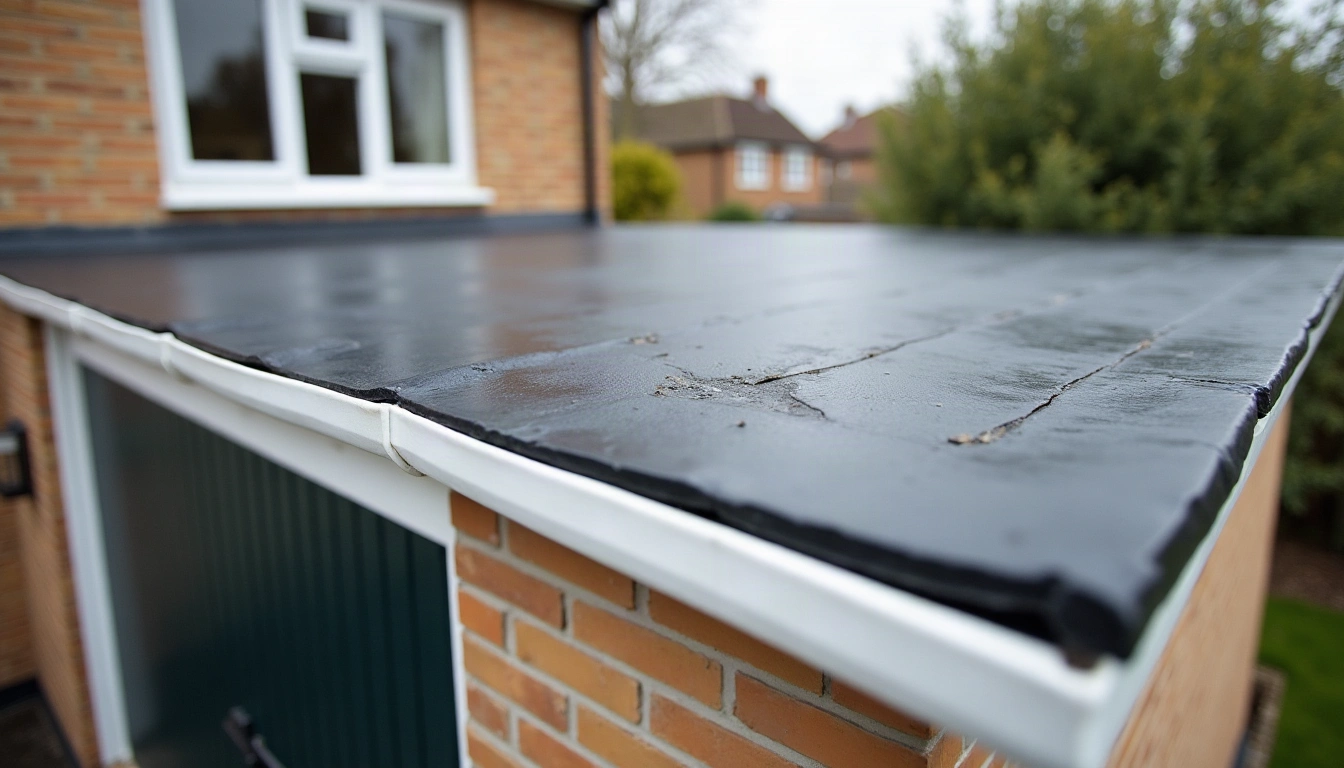
Roofing felt does not stay watertight forever. As it ages, it cracks, blisters and loses flexibility making each repair less reliable than the last.

Why you can trust our content
We understand that the roofing industry can be confusing, with plenty of outdated or misleading information. That’s why we rely only on trusted, proven sources to guide our advice and installations:






At a glance
For Worthing homeowners, knowing whether your garage roof still has life left or needs a longer-term solution can save significant time, money and interior damage.
Introduction
A felt-covered garage roof can provide reliable protection for many years, but roofing felt does not remain unchanged throughout its service life. Sunlight, rainfall, temperature changes and standing water gradually affect its flexibility and ability to keep moisture out.
The difficulty is knowing when a damaged area can be repaired effectively and when repeated patching is simply postponing a larger problem. An isolated split on an otherwise sound roof is very different from widespread cracking across an ageing covering.
For Worthing homeowners, understanding how old felt behaves can make it easier to recognise when a repair is sensible and when the condition of the wider roof needs closer attention.
What Happens to Roofing Felt as It Gets Older?
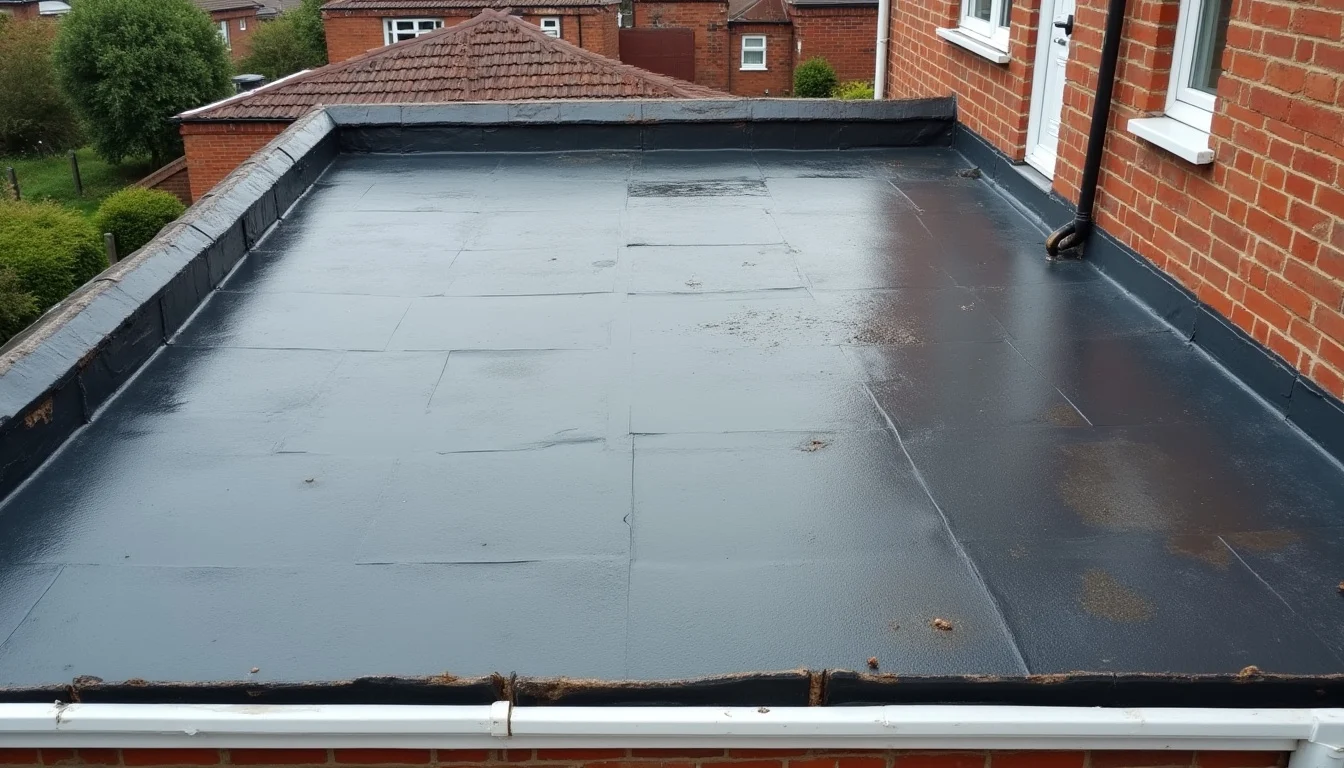
Roofing felt gradually changes as it is exposed to the elements. Depending on the type and age of the material, it can become less flexible, more brittle or increasingly vulnerable around joints and edges.
A newer roof covering can generally accommodate some movement caused by temperature changes. An older covering may have less ability to flex without cracking or splitting.
Ageing felt can develop:
- Surface cracking
- Blisters
- Splits
- Loose edges
- Deteriorated joints
- Areas of exposed substrate
- Patches where previous repairs have failed
These defects do not necessarily mean the entire garage roof has failed. However, they provide useful clues about the condition of the waterproofing system.
Why Are Garage Roofs Particularly Vulnerable?
Garage roofs often have a relatively low pitch, meaning water relies heavily on the roof’s surface and drainage arrangements to leave the building.
If a gutter, outlet or edge becomes blocked, water can remain on the roof for longer than intended. Repeated ponding places additional stress on ageing felt and can make weak areas deteriorate more quickly.
Garages may also receive less regular maintenance than the main house roof. Because they are often used for storage, workshops or parking, problems can remain unnoticed until water eventually appears inside.
A small ceiling stain, damp timber or musty smell should therefore not automatically be dismissed as minor condensation.
What Are the Warning Signs of Failing Garage Roof Felt?
Some signs are visible from ground level, while others become apparent when looking inside the garage.
Watch for:
- Cracked or split areas on the roof surface
- Persistent puddles after rainfall
- Bubbling or blistering
- Water marks on the garage ceiling
- Damp patches around roof edges
- Sagging sections
- Loose or deteriorated perimeter details
- Previous patches that have started lifting
Sagging deserves particular attention. It can indicate that water has accumulated within or beneath the roof construction, potentially affecting supporting materials.
If the roof is safe to access and can be inspected professionally, a closer assessment can establish whether the problem is confined to the covering or involves the underlying structure.
Can an Old Felt Roof Still Be Repaired?
Yes, provided the surrounding roof remains sufficiently sound.
A local repair can make sense when there is a clearly defined defect, and the remaining felt has enough integrity to support the repair. However, applying a patch over heavily degraded material may only provide a short-lived result.
The key consideration is not simply whether a damaged area can technically be covered. It is whether the surrounding material is capable of remaining watertight after the repair.
When Do Repeated Patches Stop Being a Good Solution?
Repeated repairs can become less effective when the roof covering is failing in several places rather than one isolated area.
Common indicators include:
- New leaks appearing after previous repairs
- Several cracks across different sections
- Multiple layers of old patching material
- Widespread blistering
- Deteriorated edges and joints
- Persistent ponding
- Noticeable movement in the roof structure
In these circumstances, another patch may address the newest symptom without improving the underlying condition.
A professional garage roof repair assessment should consider the age and overall condition of the covering, not just the location of the latest leak.
What Type of Roof Do You Have?
Please select the roof type of your property. This helps us determine the best installation method and equipment for your home.
Flat Roof
Pitched Roof
It just takes 60 Sec
And then you can book a free consultation
How Does Weather Accelerate Felt Deterioration?
Weather rarely causes all deterioration overnight. Instead, repeated exposure gradually changes the material.
During hot weather, roofing surfaces can become significantly warmer than the surrounding air. In colder periods, the material contracts. Repeated expansion and contraction can put stress on joints and older areas that have already lost flexibility.
Heavy rain adds another challenge, particularly if water cannot drain away efficiently.
In coastal Worthing, roofs also experience exposure to changing weather conditions throughout the year. This does not mean every felt roof has a short lifespan, but it reinforces the value of paying attention to early signs of deterioration.
What Is the Difference Between Local Damage and General Roof Failure?
This distinction is important when deciding whether repair is appropriate.
|
Condition |
Likely approach |
Why |
|
One small split |
Local repair may be suitable |
Surrounding material remains sound |
|
Damaged edge |
Repair and detail correction |
Water may be entering at the perimeter |
|
Several isolated defects |
Further inspection needed |
Could indicate wider ageing |
|
Widespread cracking |
Replacement may be more sensible |
Waterproofing layer is deteriorating |
|
Persistent ponding |
Drainage and roof condition assessment |
Water is placing continued stress on covering |
|
Repeated leaks |
Broader investigation |
Previous repairs may not have addressed the cause |
This is why there is no universal answer to the question of when a felt roof should be replaced. Two garages of the same age can have very different conditions.
Can Poor Drainage Make a Repair Fail Prematurely?
Yes. A sound repair can struggle if the roof continues to experience the same underlying problem.
For example, if a damaged section is patched but rainwater continues to collect around it because drainage is inadequate, the repaired area remains under pressure.
Before carrying out felt roof repair Worthing, it is sensible to consider:
- Where rainwater is supposed to drain
- Whether outlets and gutters are clear
- Whether the roof has areas of persistent ponding
- Whether the edges are properly detailed
- Whether previous repairs have altered the surface
Addressing contributing factors can be just as important as treating the visible defect.
What Happens During a Garage Roof Assessment?
A useful inspection should establish more than simply where water is entering.
The roof covering should be considered alongside:
- Edges and perimeter details
- Drainage
- Flashings and junctions
- Roof falls
- Signs of trapped moisture
- Supporting timbers where accessible
- Previous repair areas
- Internal evidence of water ingress
The condition of the underlying deck or structure can influence whether a new waterproof covering is appropriate or whether additional work is needed first.
This is especially important on older garages where deterioration may have continued unnoticed for some time.
A Typical Worthing Garage Roof Scenario
Imagine a detached garage with an older felt roof. After heavy rain, the homeowner notices a damp patch on the ceiling near one corner.
An earlier patch is still visible on the roof surface, suggesting the area has been repaired before. During inspection, several additional cracks are found across the covering, along with poor drainage that allows water to remain on the roof.
Rather than simply adding another patch, the wider condition is considered. The assessment shows that the repeated leak is linked to general deterioration rather than one isolated defect.
This type of situation illustrates why recurring leaks can be a sign that a roof needs a different long-term solution.
How Can You Extend the Useful Life of a Felt Garage Roof?
Regular observation and basic maintenance can help identify problems before they become severe.
Homeowners should consider checking:
- Gutters and outlets
- Visible roof edges
- Areas where water tends to collect
- Signs of cracking or blistering
- Internal ceiling stains
- Previous repair areas
Avoid placing unnecessary loads on a garage roof and do not walk across it unless the roof has been confirmed as suitable and safe to access.
Promptly investigating new defects can also prevent water from remaining undetected for long periods.
A felt roof repair Worthing service is most useful when it is carried out before widespread deterioration has developed.
When Is Replacement More Sensible Than Another Repair?
Replacement may become the more practical option when the waterproofing layer has deteriorated across a substantial portion of the roof.
The decision may be influenced by:
- The overall age and condition of the roof
- Frequency of previous leaks
- Number of failed repairs
- Extent of cracking or blistering
- Condition of the roof deck
- Drainage performance
- Expected lifespan of another repair
The cheapest immediate option is not always the most economical over time. If several repairs are required within a short period, it can be worth comparing the cumulative cost against a more durable roofing solution.
Final Thoughts
Ageing roofing felt does not automatically mean that a garage roof has reached the end of its useful life. The more important question is whether the covering remains sufficiently flexible, watertight and structurally supported to justify further repairs.
An isolated defect on a generally sound roof can often be approached differently from widespread cracking, repeated leaks or persistent ponding. Looking at the whole system helps avoid spending money on repairs that are unlikely to provide lasting protection.
For homeowners in Worthing, All Roofing Works can assess the condition of an ageing garage roof and provide practical advice based on what is actually present. Where a repair remains appropriate, dealing with problems early can help protect the garage from further weather exposure.
Related articles
What Type of Roof Do You Have?
Please select the roof type of your property. This helps us determine the best installation method and equipment for your home.
Flat Roof
Pitched Roof
Commercial Roof
At a glance
For Worthing homeowners, knowing whether your garage roof still has life left or needs a longer-term solution can save significant time, money and interior damage.
Introduction
A felt-covered garage roof can provide reliable protection for many years, but roofing felt does not remain unchanged throughout its service life. Sunlight, rainfall, temperature changes and standing water gradually affect its flexibility and ability to keep moisture out.
The difficulty is knowing when a damaged area can be repaired effectively and when repeated patching is simply postponing a larger problem. An isolated split on an otherwise sound roof is very different from widespread cracking across an ageing covering.
For Worthing homeowners, understanding how old felt behaves can make it easier to recognise when a repair is sensible and when the condition of the wider roof needs closer attention.
What Happens to Roofing Felt as It Gets Older?
Roofing felt gradually changes as it is exposed to the elements. Depending on the type and age of the material, it can become less flexible, more brittle or increasingly vulnerable around joints and edges.
A newer roof covering can generally accommodate some movement caused by temperature changes. An older covering may have less ability to flex without cracking or splitting.
Ageing felt can develop:
- Surface cracking
- Blisters
- Splits
- Loose edges
- Deteriorated joints
- Areas of exposed substrate
- Patches where previous repairs have failed
These defects do not necessarily mean the entire garage roof has failed. However, they provide useful clues about the condition of the waterproofing system.
Why Are Garage Roofs Particularly Vulnerable?
Garage roofs often have a relatively low pitch, meaning water relies heavily on the roof’s surface and drainage arrangements to leave the building.
If a gutter, outlet or edge becomes blocked, water can remain on the roof for longer than intended. Repeated ponding places additional stress on ageing felt and can make weak areas deteriorate more quickly.
Garages may also receive less regular maintenance than the main house roof. Because they are often used for storage, workshops or parking, problems can remain unnoticed until water eventually appears inside.
A small ceiling stain, damp timber or musty smell should therefore not automatically be dismissed as minor condensation.
What Are the Warning Signs of Failing Garage Roof Felt?
Some signs are visible from ground level, while others become apparent when looking inside the garage.
Watch for:
- Cracked or split areas on the roof surface
- Persistent puddles after rainfall
- Bubbling or blistering
- Water marks on the garage ceiling
- Damp patches around roof edges
- Sagging sections
- Loose or deteriorated perimeter details
- Previous patches that have started lifting
Sagging deserves particular attention. It can indicate that water has accumulated within or beneath the roof construction, potentially affecting supporting materials.
If the roof is safe to access and can be inspected professionally, a closer assessment can establish whether the problem is confined to the covering or involves the underlying structure.
Can an Old Felt Roof Still Be Repaired?
Yes, provided the surrounding roof remains sufficiently sound.
A local repair can make sense when there is a clearly defined defect, and the remaining felt has enough integrity to support the repair. However, applying a patch over heavily degraded material may only provide a short-lived result.
The key consideration is not simply whether a damaged area can technically be covered. It is whether the surrounding material is capable of remaining watertight after the repair.
When Do Repeated Patches Stop Being a Good Solution?
Repeated repairs can become less effective when the roof covering is failing in several places rather than one isolated area.
Common indicators include:
- New leaks appearing after previous repairs
- Several cracks across different sections
- Multiple layers of old patching material
- Widespread blistering
- Deteriorated edges and joints
- Persistent ponding
- Noticeable movement in the roof structure
In these circumstances, another patch may address the newest symptom without improving the underlying condition.
A professional garage roof repair assessment should consider the age and overall condition of the covering, not just the location of the latest leak.
What Type of Roof Do You Have?
Please select the roof type of your property. This helps us determine the best installation method and equipment for your home.
Flat Roof
Pitched Roof
It just takes 60 Sec
And then you can book a free consultation
How Does Weather Accelerate Felt Deterioration?
Weather rarely causes all deterioration overnight. Instead, repeated exposure gradually changes the material.
During hot weather, roofing surfaces can become significantly warmer than the surrounding air. In colder periods, the material contracts. Repeated expansion and contraction can put stress on joints and older areas that have already lost flexibility.
Heavy rain adds another challenge, particularly if water cannot drain away efficiently.
In coastal Worthing, roofs also experience exposure to changing weather conditions throughout the year. This does not mean every felt roof has a short lifespan, but it reinforces the value of paying attention to early signs of deterioration.
What Is the Difference Between Local Damage and General Roof Failure?
This distinction is important when deciding whether repair is appropriate.
|
Condition |
Likely approach |
Why |
|
One small split |
Local repair may be suitable |
Surrounding material remains sound |
|
Damaged edge |
Repair and detail correction |
Water may be entering at the perimeter |
|
Several isolated defects |
Further inspection needed |
Could indicate wider ageing |
|
Widespread cracking |
Replacement may be more sensible |
Waterproofing layer is deteriorating |
|
Persistent ponding |
Drainage and roof condition assessment |
Water is placing continued stress on covering |
|
Repeated leaks |
Broader investigation |
Previous repairs may not have addressed the cause |
This is why there is no universal answer to the question of when a felt roof should be replaced. Two garages of the same age can have very different conditions.
Can Poor Drainage Make a Repair Fail Prematurely?
Yes. A sound repair can struggle if the roof continues to experience the same underlying problem.
For example, if a damaged section is patched but rainwater continues to collect around it because drainage is inadequate, the repaired area remains under pressure.
Before carrying out felt roof repair Worthing, it is sensible to consider:
- Where rainwater is supposed to drain
- Whether outlets and gutters are clear
- Whether the roof has areas of persistent ponding
- Whether the edges are properly detailed
- Whether previous repairs have altered the surface
Addressing contributing factors can be just as important as treating the visible defect.
What Happens During a Garage Roof Assessment?
A useful inspection should establish more than simply where water is entering.
The roof covering should be considered alongside:
- Edges and perimeter details
- Drainage
- Flashings and junctions
- Roof falls
- Signs of trapped moisture
- Supporting timbers where accessible
- Previous repair areas
- Internal evidence of water ingress
The condition of the underlying deck or structure can influence whether a new waterproof covering is appropriate or whether additional work is needed first.
This is especially important on older garages where deterioration may have continued unnoticed for some time.
A Typical Worthing Garage Roof Scenario
Imagine a detached garage with an older felt roof. After heavy rain, the homeowner notices a damp patch on the ceiling near one corner.
An earlier patch is still visible on the roof surface, suggesting the area has been repaired before. During inspection, several additional cracks are found across the covering, along with poor drainage that allows water to remain on the roof.
Rather than simply adding another patch, the wider condition is considered. The assessment shows that the repeated leak is linked to general deterioration rather than one isolated defect.
This type of situation illustrates why recurring leaks can be a sign that a roof needs a different long-term solution.
How Can You Extend the Useful Life of a Felt Garage Roof?
Regular observation and basic maintenance can help identify problems before they become severe.
Homeowners should consider checking:
- Gutters and outlets
- Visible roof edges
- Areas where water tends to collect
- Signs of cracking or blistering
- Internal ceiling stains
- Previous repair areas
Avoid placing unnecessary loads on a garage roof and do not walk across it unless the roof has been confirmed as suitable and safe to access.
Promptly investigating new defects can also prevent water from remaining undetected for long periods.
A felt roof repair Worthing service is most useful when it is carried out before widespread deterioration has developed.
When Is Replacement More Sensible Than Another Repair?
Replacement may become the more practical option when the waterproofing layer has deteriorated across a substantial portion of the roof.
The decision may be influenced by:
- The overall age and condition of the roof
- Frequency of previous leaks
- Number of failed repairs
- Extent of cracking or blistering
- Condition of the roof deck
- Drainage performance
- Expected lifespan of another repair
The cheapest immediate option is not always the most economical over time. If several repairs are required within a short period, it can be worth comparing the cumulative cost against a more durable roofing solution.
Final Thoughts
Ageing roofing felt does not automatically mean that a garage roof has reached the end of its useful life. The more important question is whether the covering remains sufficiently flexible, watertight and structurally supported to justify further repairs.
An isolated defect on a generally sound roof can often be approached differently from widespread cracking, repeated leaks or persistent ponding. Looking at the whole system helps avoid spending money on repairs that are unlikely to provide lasting protection.
For homeowners in Worthing, All Roofing Works can assess the condition of an ageing garage roof and provide practical advice based on what is actually present. Where a repair remains appropriate, dealing with problems early can help protect the garage from further weather exposure.
Related articles
What Type of Roof Do You Have?
Please select the roof type of your property. This helps us determine the best installation method and equipment for your home.
Flat Roof
Pitched Roof
Commercial Roof