Why Flat Roof Storm Damage Can Worsen After the Weather Clears in Worthing
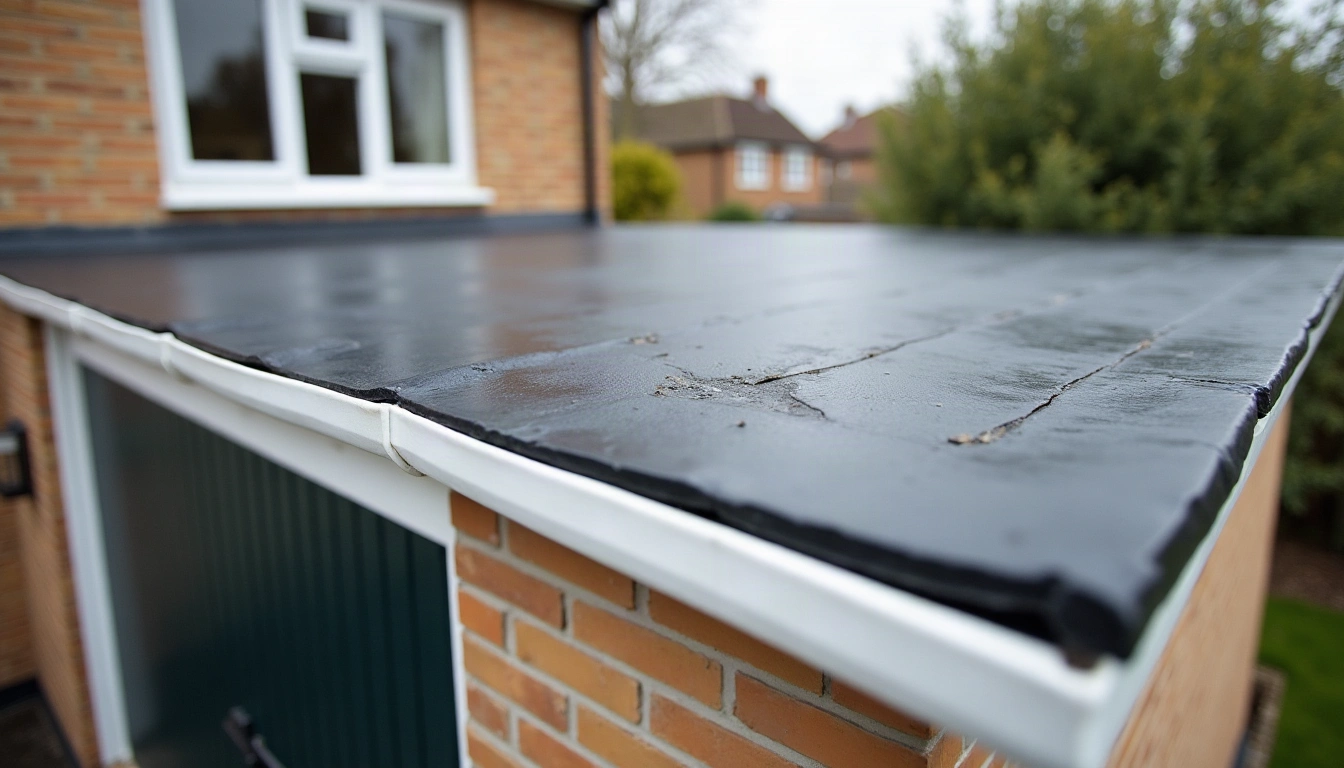
A flat roof can look fine after a storm while small tears, lifted edges and weakened seams quietly let water in.

Why you can trust our content
We understand that the roofing industry can be confusing, with plenty of outdated or misleading information. That’s why we rely only on trusted, proven sources to guide our advice and installations:






At a glance
This guide explains why damage can worsen once the weather clears, what Worthing homeowners should watch for, and when a professional check can stop a minor defect becoming costly.
Introduction
A flat roof can appear perfectly fine once strong winds and heavy rain have passed. There may be no obvious hole, no dramatic collapse and no immediate sign that water has entered the building. Yet storm damage does not always stop when the weather clears.
Wind can loosen coverings, lift edges, damage flashing or move debris across the roof. Rain can then find its way through weakened areas and gradually affect the layers underneath. In some cases, the first visible signs do not appear until hours or days later.
For property owners in Worthing, understanding what can happen after a storm is useful because early action may prevent a relatively contained defect from becoming a more extensive roofing problem.
Why can storm damage continue after the weather clears?
Storm damage can worsen because a roof may be left with weakened or displaced materials that continue allowing water into the structure.
A strong gust can create a small opening at an edge or junction. Once the wind has passed, rainwater may continue entering through that opening during subsequent showers. Moisture can then become trapped between roofing layers or spread across the underlying structure.
This is particularly important with flat roofs because water does not always drain as quickly as it would from a pitched roof. If outlets or drainage routes are also affected by debris, standing water can place additional pressure on damaged areas.
What types of damage can a storm cause to a flat roof?
Storms can affect several different parts of a flat roofing system.
Common problems include:
- Lifted or displaced roof coverings
- Torn membranes
- Damaged edges and trims
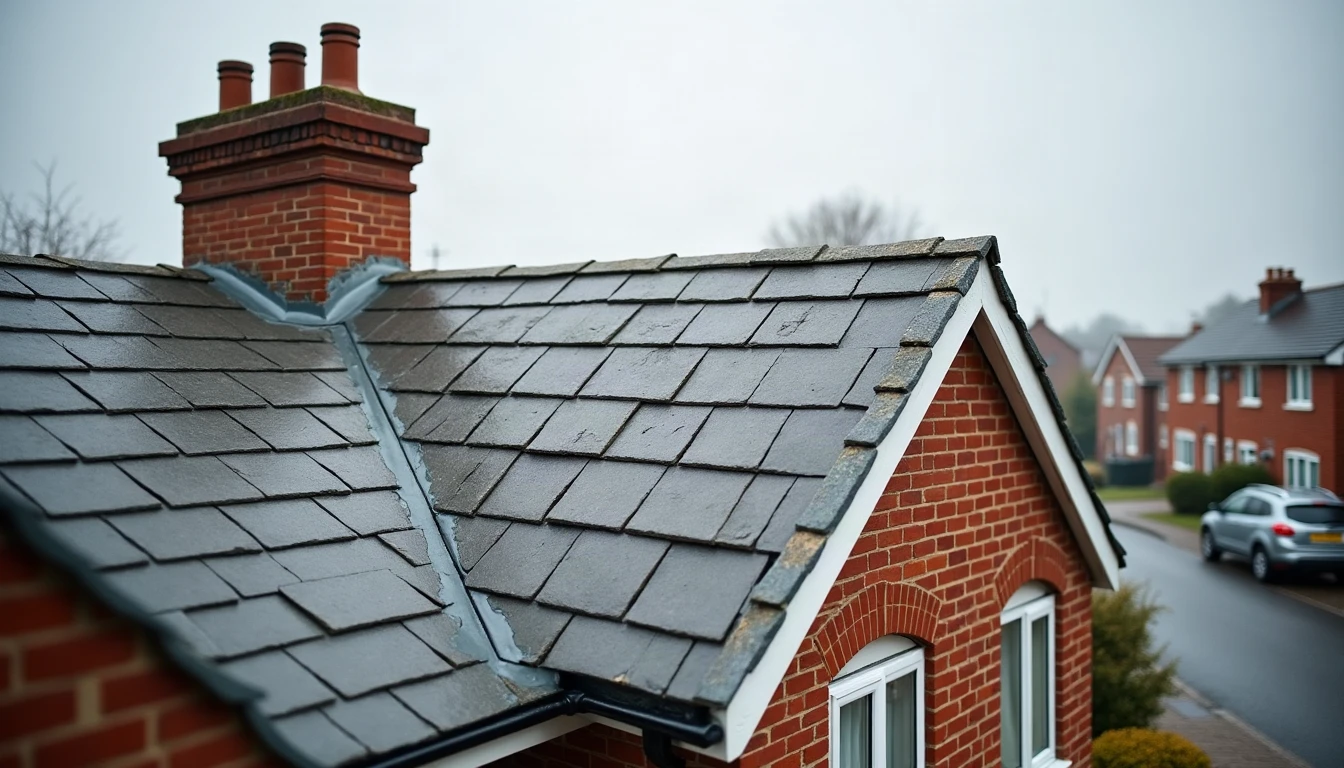
- Loose or damaged flashing
- Blocked drainage outlets
- Punctures caused by debris
- Cracked or disturbed surface materials
- Damage around roof penetrations
- Water pooling in areas that normally drain correctly
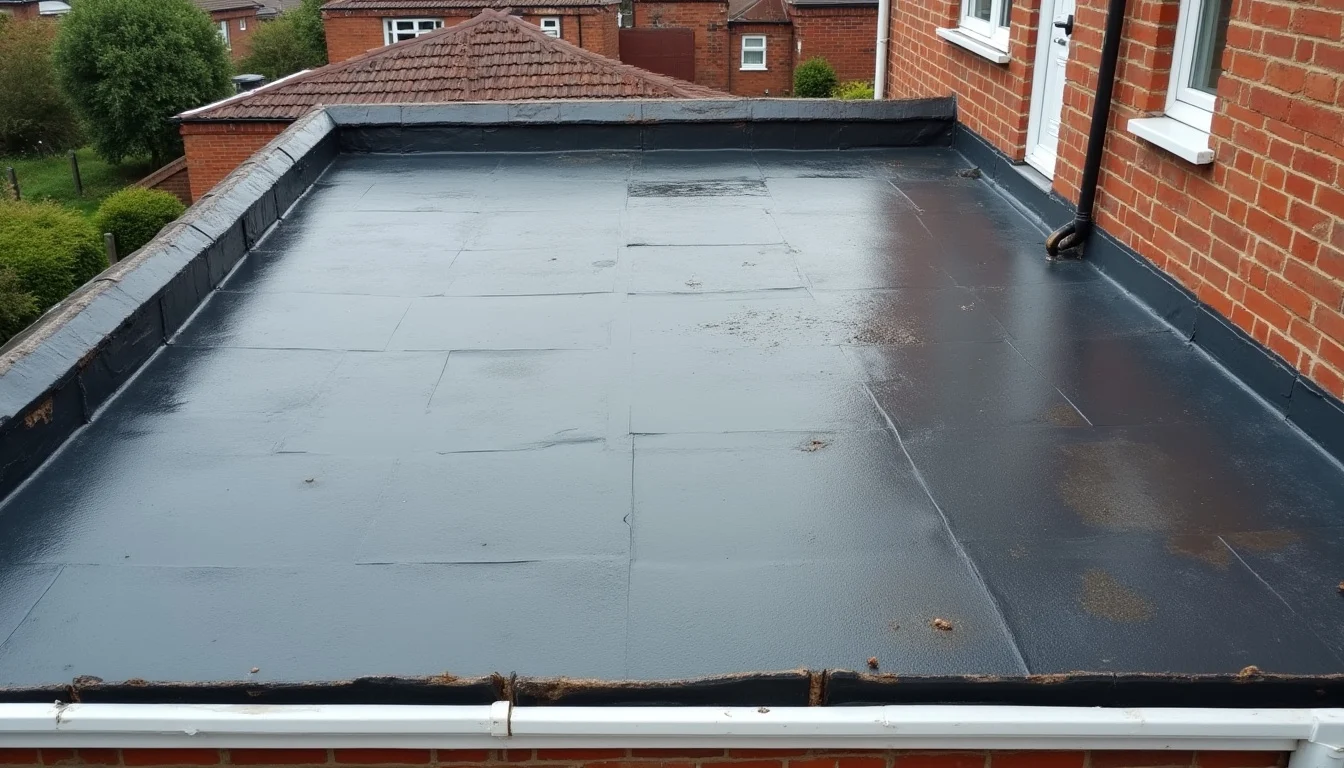
Not every problem will be obvious immediately. A membrane can be damaged without creating a large visible tear, while water may enter through a small opening around flashing or an edge detail.
The condition of the roof before the storm also matters. An older roof with existing wear may be more vulnerable to further deterioration.
How can standing water make storm damage worse?
Standing water is a concern because it adds weight and keeps the affected area exposed to moisture.
A damaged section of a flat roof may initially allow only a small amount of water through. If drainage is restricted, however, water can remain on the surface for longer. This increases the opportunity for moisture to penetrate through weak points.
Standing water can also reveal underlying drainage problems. If water repeatedly collects in the same location after rainfall, the issue may involve more than the recent storm.
A professional storm damage roof repair assessment should therefore consider drainage as well as the obvious signs of impact.
What signs should you look for after a storm?
A roof does not need to be visibly torn apart to require attention. Some warning signs are subtle.
After severe weather, look for:
- New damp patches on ceilings or walls
- Water marks around roof edges
- Unusual pooling on the roof surface
- Loose or displaced materials
- Damaged flashing
- Debris or branches on the roof
- Sagging sections
- Bubbling or blistering on some roof coverings
- Blocked outlets or gutters
- Water appearing inside after the storm has passed
It is not advisable to walk across a damaged flat roof simply to inspect it. Some coverings can be easily damaged by foot traffic, and weakened sections may not safely support someone’s weight.
Instead, note anything visible from a safe position and arrange a professional inspection if you suspect damage.
Why can a small roof defect lead to a bigger internal problem?
Water rarely stays exactly where it first enters.
Once moisture gets beneath the outer roof covering, it can travel along insulation, boards or structural materials. The eventual internal stain may therefore appear some distance away from the original defect.
This can make storm-related leaks particularly frustrating. A property owner may see a damp patch indoors and assume that the roof directly above it needs repairing, when the actual entry point could be at an edge, flashing detail or drainage point.
The longer moisture remains present, the greater the chance of secondary damage to internal finishes and roof components.
What Type of Roof Do You Have?
Please select the roof type of your property. This helps us determine the best installation method and equipment for your home.
Flat Roof
Pitched Roof
It just takes 60 Sec
And then you can book a free consultation
Should you wait to see if a storm-damaged roof dries out?
Waiting can be risky if there is evidence that the roof covering has been damaged.
A roof that appears dry from the outside may still contain trapped moisture. Similarly, a leak that stops during a dry spell has not necessarily been resolved. The underlying opening may simply not be receiving water at that particular moment.
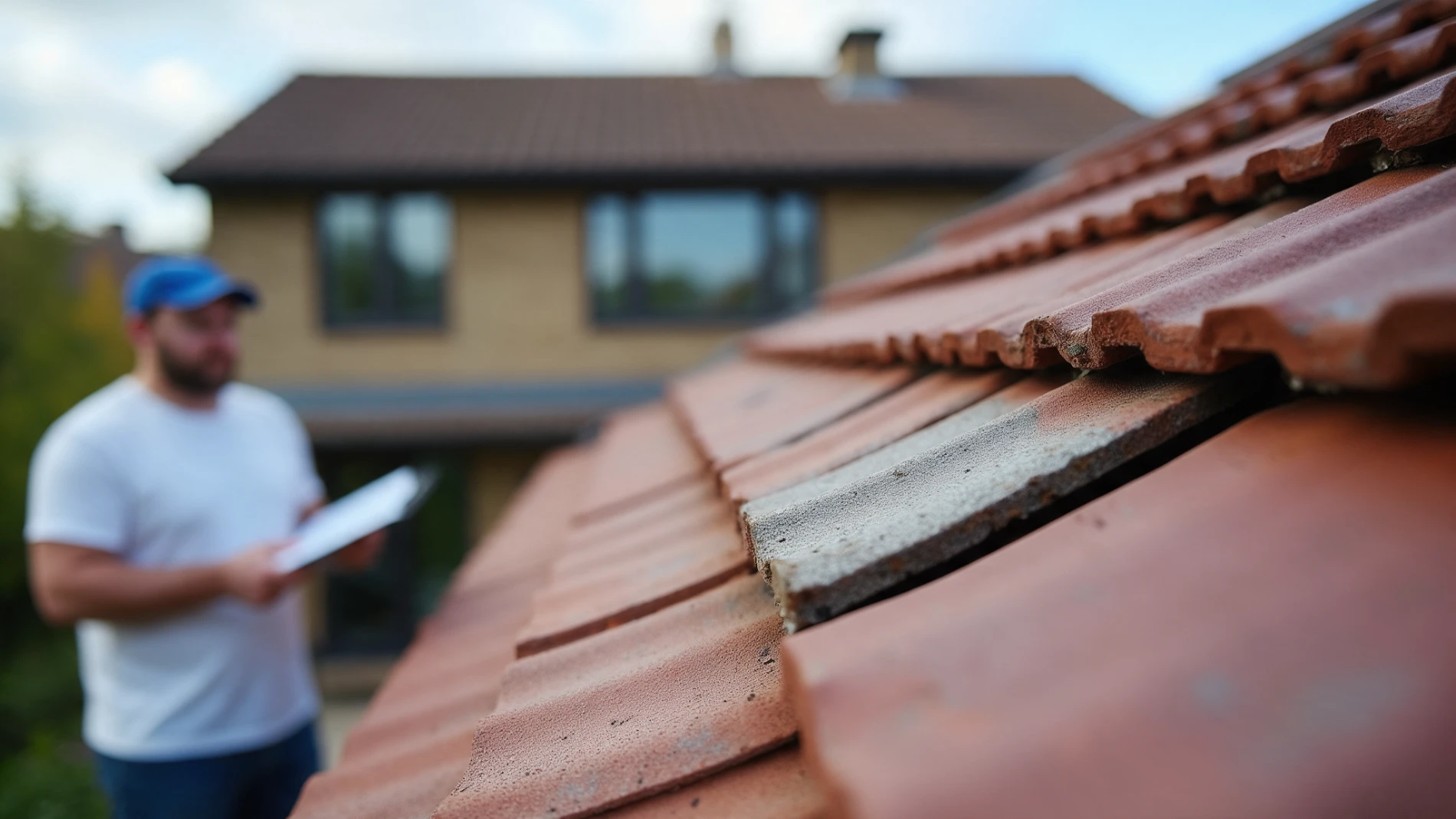
An inspection can establish whether the roof has suffered a genuine defect or whether what you have noticed is unrelated to the storm.
What should a flat roof inspection after a storm include?
A useful inspection should look at the roofing system as a whole rather than focusing solely on the most obvious mark.
The assessment may consider:
|
Area checked |
Why it matters |
|
Roof membrane or covering |
Identifies tears, punctures or displacement |
|
Flashing |
Checks vulnerable junctions and edges |
|
Roof perimeter |
Looks for wind uplift or loose detailing |
|
Drainage outlets |
Establishes whether water can drain correctly |
|
Surface condition |
Identifies blistering, cracking or pooling |
|
Roof penetrations |
Checks areas around vents and other fittings |
|
Internal areas |
Looks for evidence of water ingress |
|
Underlying structure where accessible |
Helps establish whether moisture has spread |
The exact inspection process will depend on the roof type, its condition and how accessible the affected areas are.
When is storm damage roof repair likely to be needed?
Repair is generally worth considering when a storm has created a defect that compromises the roof’s ability to keep water out.
Examples might include a torn membrane, displaced edge detail, damaged flashing or a puncture caused by debris.
However, the repair should be proportionate to the condition of the roof. If the covering is already significantly worn, repairing one storm-damaged section may not address wider weaknesses.
This is where professional judgement becomes important. The aim is not simply to repair whatever looks damaged, but to determine whether the repair is likely to provide a durable result.
Can previous roof wear make storm damage more serious?
Yes. A roof that has already experienced deterioration may have less resilience when exposed to strong winds and heavy rainfall.
For example, ageing materials may have become brittle, while existing weaknesses around edges and joints may provide opportunities for wind and water to enter.
This does not automatically mean an older flat roof needs replacing. It does mean that an inspection should consider the roof’s overall condition rather than treating the storm as an isolated event.
A targeted flat roof repair Worthing property owners can rely on should address the actual cause of the problem and take the condition of the surrounding roof into account.
What happens if storm damage is left untreated?
The consequences depend on the nature and extent of the damage, but ongoing water ingress can lead to progressively more complicated repairs.
Potential issues include:
- Persistent internal dampness
- Damaged insulation
- Deterioration of roof boards
- Staining to ceilings and walls
- Damage around electrical fittings if water reaches them
- Increased repair requirements over time
The financial impact can also increase if a small external defect becomes a wider moisture problem.
This is why arranging an assessment soon after significant damage can be a sensible precaution, even when the roof does not appear severely affected.
A typical Worthing example
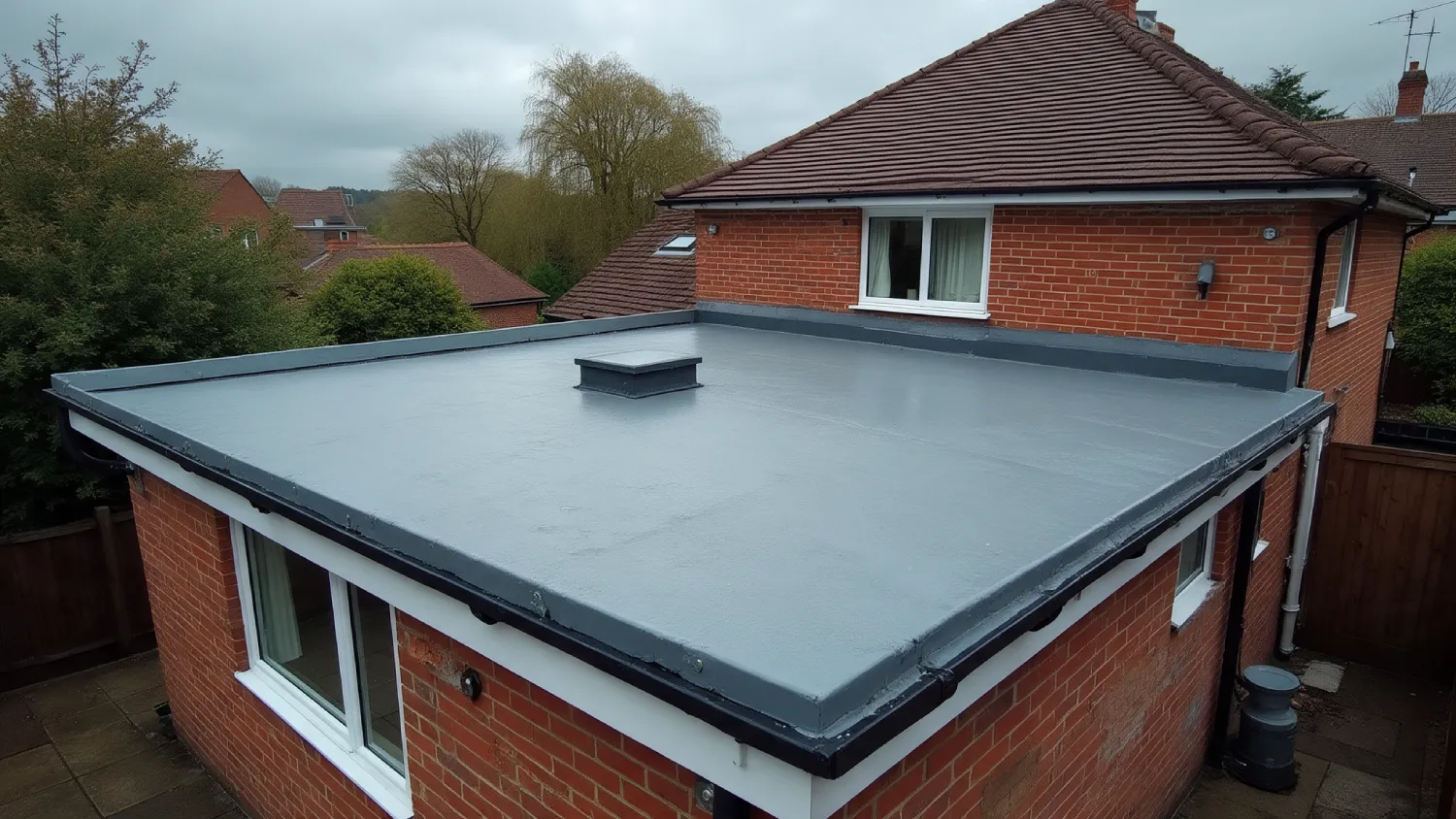
Consider a typical flat-roofed extension on a residential property. Following a period of strong winds, the owner notices leaves and debris around the roof edge but no obvious tear.
Several days later, a damp patch appears on the ceiling inside the extension. An inspection identifies a section of damaged edge detailing where wind has affected the roof covering. Water has been entering during subsequent rainfall and travelling beneath the surface before becoming visible indoors.
In this situation, repairing the damaged detail and checking the adjacent areas may prevent the problem from spreading further. The inspection can also establish whether the rest of the roof remains in suitable condition.
Is every storm-damaged flat roof an emergency?
No. The urgency depends on the severity of the damage and whether water is actively entering the building.
A small superficial defect may be dealt with through planned repairs, while active water ingress, major displacement or structural concerns may require more immediate attention.
If water is entering close to electrical installations, avoid handling affected fittings and seek appropriate professional assistance.
The key is to avoid assuming that every storm-related issue has the same level of urgency.
Conclusion
Storm damage is not always obvious, and a flat roof can continue to suffer from water ingress after the weather has cleared. Loose coverings, damaged flashing, blocked drainage and small punctures can all create pathways for moisture.
A timely inspection helps establish what has actually happened and whether a localised repair is enough. It can also identify wider weaknesses that may otherwise remain unnoticed until the next period of heavy rain.
If your property has suffered suspected storm damage, All Roofing Works can provide practical guidance based on the condition of the roof rather than assumptions. A professional assessment can help you understand the most sensible way forward.
Related articles

What Type of Roof Do You Have?
Please select the roof type of your property. This helps us determine the best installation method and equipment for your home.
Flat Roof
Pitched Roof
Commercial Roof
At a glance
This guide explains why damage can worsen once the weather clears, what Worthing homeowners should watch for, and when a professional check can stop a minor defect becoming costly.
Introduction
A flat roof can appear perfectly fine once strong winds and heavy rain have passed. There may be no obvious hole, no dramatic collapse and no immediate sign that water has entered the building. Yet storm damage does not always stop when the weather clears.
Wind can loosen coverings, lift edges, damage flashing or move debris across the roof. Rain can then find its way through weakened areas and gradually affect the layers underneath. In some cases, the first visible signs do not appear until hours or days later.
For property owners in Worthing, understanding what can happen after a storm is useful because early action may prevent a relatively contained defect from becoming a more extensive roofing problem.
Why can storm damage continue after the weather clears?
Storm damage can worsen because a roof may be left with weakened or displaced materials that continue allowing water into the structure.
A strong gust can create a small opening at an edge or junction. Once the wind has passed, rainwater may continue entering through that opening during subsequent showers. Moisture can then become trapped between roofing layers or spread across the underlying structure.
This is particularly important with flat roofs because water does not always drain as quickly as it would from a pitched roof. If outlets or drainage routes are also affected by debris, standing water can place additional pressure on damaged areas.
What types of damage can a storm cause to a flat roof?
Storms can affect several different parts of a flat roofing system.
Common problems include:
- Lifted or displaced roof coverings
- Torn membranes
- Damaged edges and trims
- Loose or damaged flashing
- Blocked drainage outlets
- Punctures caused by debris
- Cracked or disturbed surface materials
- Damage around roof penetrations
- Water pooling in areas that normally drain correctly
Not every problem will be obvious immediately. A membrane can be damaged without creating a large visible tear, while water may enter through a small opening around flashing or an edge detail.
The condition of the roof before the storm also matters. An older roof with existing wear may be more vulnerable to further deterioration.
How can standing water make storm damage worse?
Standing water is a concern because it adds weight and keeps the affected area exposed to moisture.
A damaged section of a flat roof may initially allow only a small amount of water through. If drainage is restricted, however, water can remain on the surface for longer. This increases the opportunity for moisture to penetrate through weak points.
Standing water can also reveal underlying drainage problems. If water repeatedly collects in the same location after rainfall, the issue may involve more than the recent storm.
A professional storm damage roof repair assessment should therefore consider drainage as well as the obvious signs of impact.
What signs should you look for after a storm?
A roof does not need to be visibly torn apart to require attention. Some warning signs are subtle.
After severe weather, look for:
- New damp patches on ceilings or walls
- Water marks around roof edges
- Unusual pooling on the roof surface
- Loose or displaced materials
- Damaged flashing
- Debris or branches on the roof
- Sagging sections
- Bubbling or blistering on some roof coverings
- Blocked outlets or gutters
- Water appearing inside after the storm has passed
It is not advisable to walk across a damaged flat roof simply to inspect it. Some coverings can be easily damaged by foot traffic, and weakened sections may not safely support someone’s weight.
Instead, note anything visible from a safe position and arrange a professional inspection if you suspect damage.
Why can a small roof defect lead to a bigger internal problem?
Water rarely stays exactly where it first enters.
Once moisture gets beneath the outer roof covering, it can travel along insulation, boards or structural materials. The eventual internal stain may therefore appear some distance away from the original defect.
This can make storm-related leaks particularly frustrating. A property owner may see a damp patch indoors and assume that the roof directly above it needs repairing, when the actual entry point could be at an edge, flashing detail or drainage point.
The longer moisture remains present, the greater the chance of secondary damage to internal finishes and roof components.
What Type of Roof Do You Have?
Please select the roof type of your property. This helps us determine the best installation method and equipment for your home.
Flat Roof
Pitched Roof
It just takes 60 Sec
And then you can book a free consultation
Should you wait to see if a storm-damaged roof dries out?
Waiting can be risky if there is evidence that the roof covering has been damaged.
A roof that appears dry from the outside may still contain trapped moisture. Similarly, a leak that stops during a dry spell has not necessarily been resolved. The underlying opening may simply not be receiving water at that particular moment.
An inspection can establish whether the roof has suffered a genuine defect or whether what you have noticed is unrelated to the storm.
What should a flat roof inspection after a storm include?
A useful inspection should look at the roofing system as a whole rather than focusing solely on the most obvious mark.
The assessment may consider:
|
Area checked |
Why it matters |
|
Roof membrane or covering |
Identifies tears, punctures or displacement |
|
Flashing |
Checks vulnerable junctions and edges |
|
Roof perimeter |
Looks for wind uplift or loose detailing |
|
Drainage outlets |
Establishes whether water can drain correctly |
|
Surface condition |
Identifies blistering, cracking or pooling |
|
Roof penetrations |
Checks areas around vents and other fittings |
|
Internal areas |
Looks for evidence of water ingress |
|
Underlying structure where accessible |
Helps establish whether moisture has spread |
The exact inspection process will depend on the roof type, its condition and how accessible the affected areas are.
When is storm damage roof repair likely to be needed?
Repair is generally worth considering when a storm has created a defect that compromises the roof’s ability to keep water out.
Examples might include a torn membrane, displaced edge detail, damaged flashing or a puncture caused by debris.
However, the repair should be proportionate to the condition of the roof. If the covering is already significantly worn, repairing one storm-damaged section may not address wider weaknesses.
This is where professional judgement becomes important. The aim is not simply to repair whatever looks damaged, but to determine whether the repair is likely to provide a durable result.
Can previous roof wear make storm damage more serious?
Yes. A roof that has already experienced deterioration may have less resilience when exposed to strong winds and heavy rainfall.
For example, ageing materials may have become brittle, while existing weaknesses around edges and joints may provide opportunities for wind and water to enter.
This does not automatically mean an older flat roof needs replacing. It does mean that an inspection should consider the roof’s overall condition rather than treating the storm as an isolated event.
A targeted flat roof repair Worthing property owners can rely on should address the actual cause of the problem and take the condition of the surrounding roof into account.
What happens if storm damage is left untreated?
The consequences depend on the nature and extent of the damage, but ongoing water ingress can lead to progressively more complicated repairs.
Potential issues include:
- Persistent internal dampness
- Damaged insulation
- Deterioration of roof boards
- Staining to ceilings and walls
- Damage around electrical fittings if water reaches them
- Increased repair requirements over time
The financial impact can also increase if a small external defect becomes a wider moisture problem.
This is why arranging an assessment soon after significant damage can be a sensible precaution, even when the roof does not appear severely affected.
A typical Worthing example
Consider a typical flat-roofed extension on a residential property. Following a period of strong winds, the owner notices leaves and debris around the roof edge but no obvious tear.
Several days later, a damp patch appears on the ceiling inside the extension. An inspection identifies a section of damaged edge detailing where wind has affected the roof covering. Water has been entering during subsequent rainfall and travelling beneath the surface before becoming visible indoors.
In this situation, repairing the damaged detail and checking the adjacent areas may prevent the problem from spreading further. The inspection can also establish whether the rest of the roof remains in suitable condition.
Is every storm-damaged flat roof an emergency?
No. The urgency depends on the severity of the damage and whether water is actively entering the building.
A small superficial defect may be dealt with through planned repairs, while active water ingress, major displacement or structural concerns may require more immediate attention.
If water is entering close to electrical installations, avoid handling affected fittings and seek appropriate professional assistance.
The key is to avoid assuming that every storm-related issue has the same level of urgency.
Conclusion
Storm damage is not always obvious, and a flat roof can continue to suffer from water ingress after the weather has cleared. Loose coverings, damaged flashing, blocked drainage and small punctures can all create pathways for moisture.
A timely inspection helps establish what has actually happened and whether a localised repair is enough. It can also identify wider weaknesses that may otherwise remain unnoticed until the next period of heavy rain.
If your property has suffered suspected storm damage, All Roofing Works can provide practical guidance based on the condition of the roof rather than assumptions. A professional assessment can help you understand the most sensible way forward.
Related articles
What Type of Roof Do You Have?
Please select the roof type of your property. This helps us determine the best installation method and equipment for your home.
Flat Roof
Pitched Roof
Commercial Roof