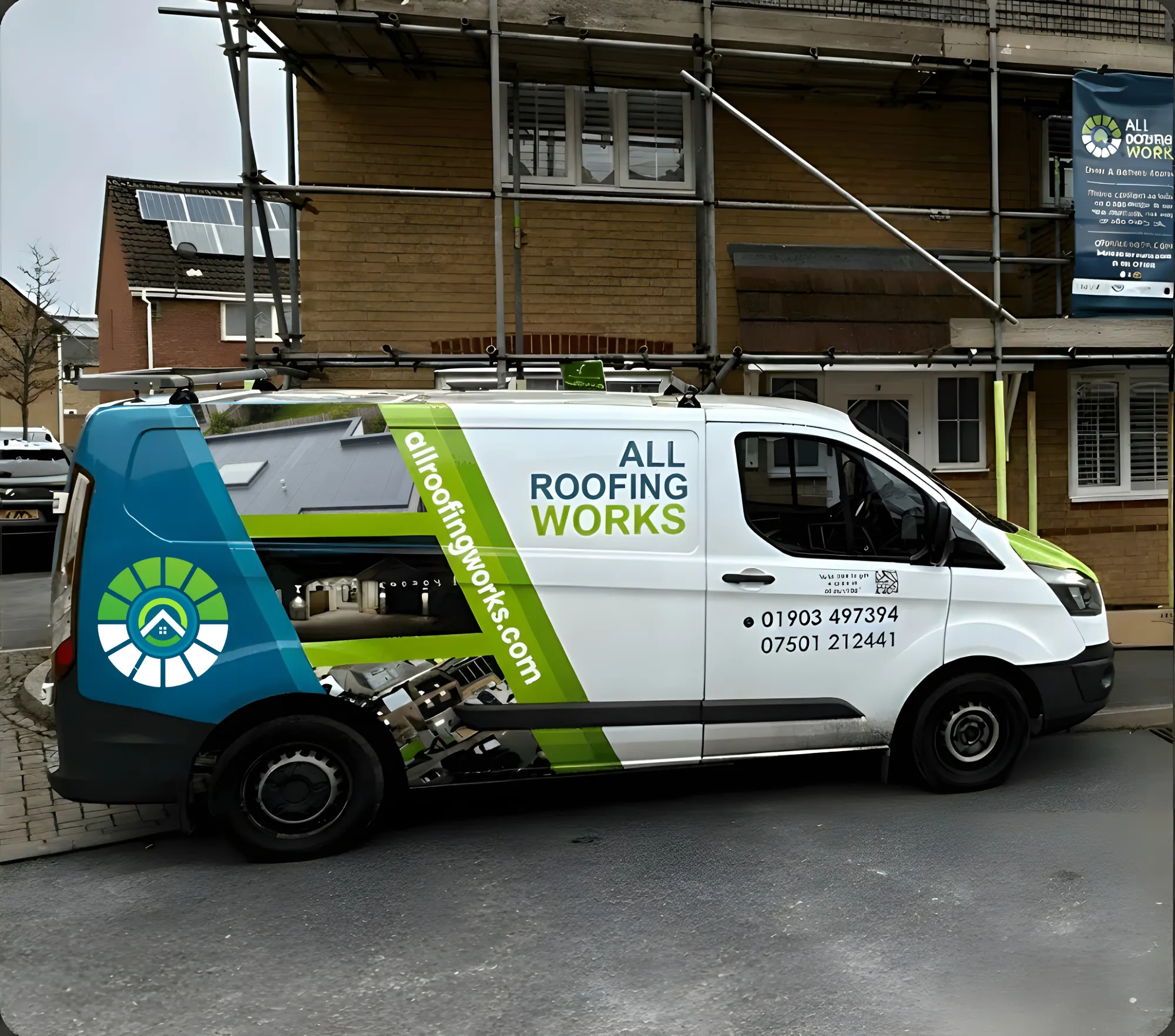
What to Look for in a Worthing Roofer When You Need Emergency Help
A leaking roof, missing tiles or storm damage can make choosing a roofing contractor feel far more urgent than it normally would.

Why you can trust our content
We understand that the roofing industry can be confusing, with plenty of outdated or misleading information. That’s why we rely only on trusted, proven sources to guide our advice and installations:






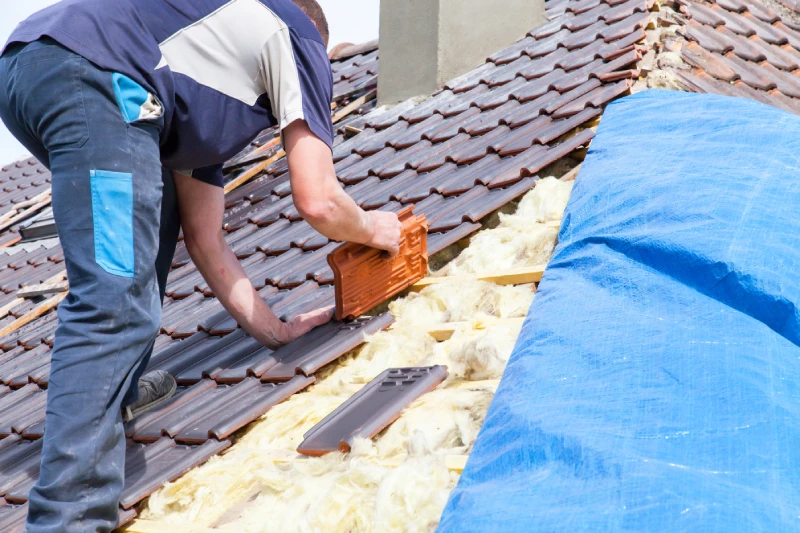
At a glance
When rain is entering the property, or part of the roof has suddenly become exposed, homeowners understandably want someone to attend as quickly as possible.
Speed matters, but it should not be the only consideration. The first available contractor is not automatically the right one, particularly if the problem needs more than a temporary patch. A reliable roofer should be able to assess the immediate risk, explain what has likely happened and distinguish between work needed now and repairs that can safely be planned afterwards.
For homeowners in Worthing, a few practical checks can help you find urgent roofing support without making a rushed decision that creates another problem later.
What actually counts as a roofing emergency?
Not every roof defect requires an emergency response.
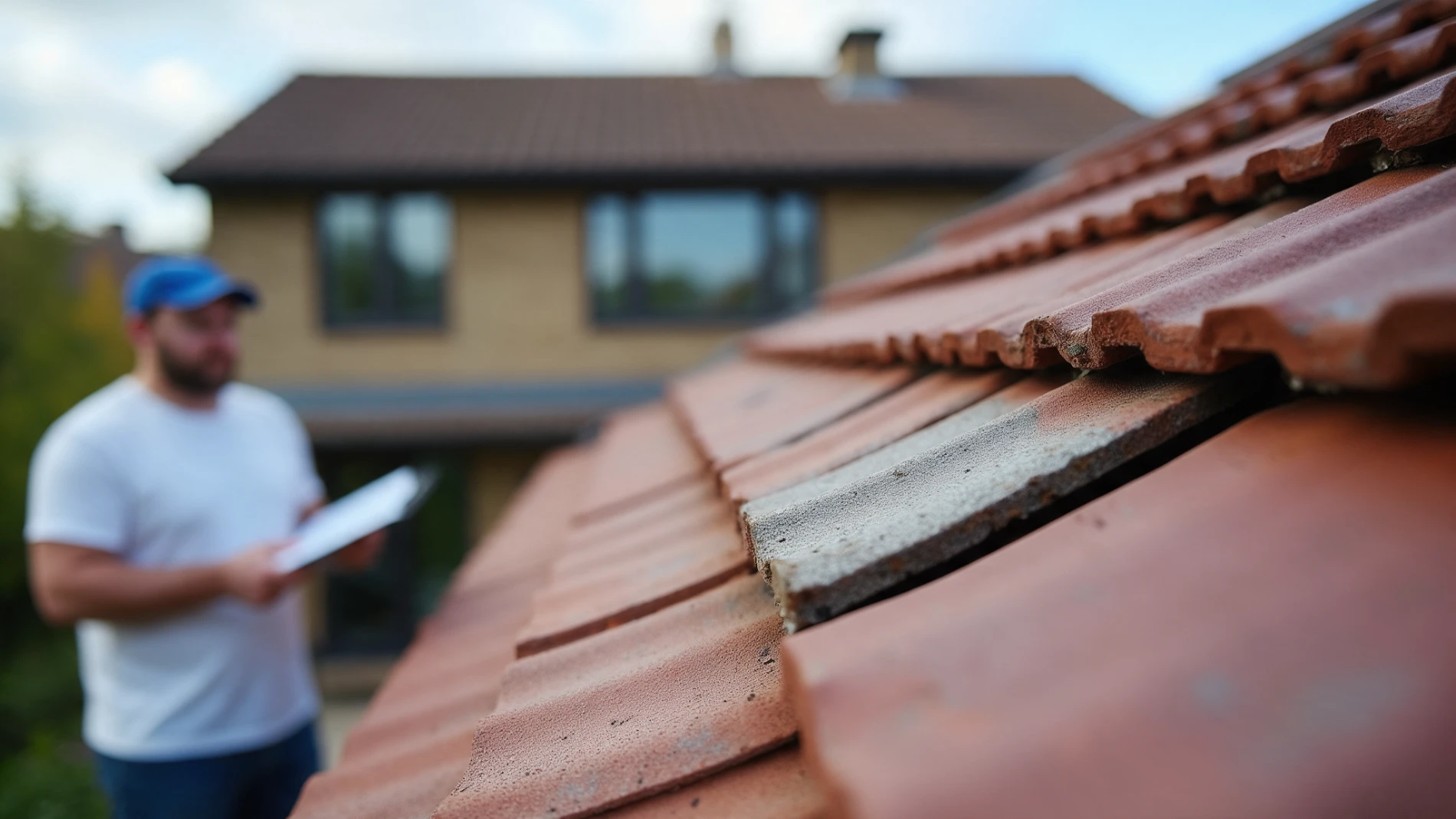
A cracked tile with no water ingress may need prompt attention, but it is different from a large section of roofing being displaced during a storm.
Situations that may require more urgent help include:
- Water actively entering living areas
- Several tiles or slates being torn away
- A large section of roofing material lifting
- Loose materials presenting a safety risk
- Significant storm damage
- Part of the roof structure becoming exposed
- Flashing becoming detached around an important junction
- A temporary roof repair failing during bad weather
- Water affecting electrics or heavily saturating ceilings
The immediate priority should be protecting people and reducing further damage where this can be done safely.
An emergency roofer may sometimes carry out a permanent repair during the first visit. In other circumstances, temporary weatherproofing may be the safest option until conditions allow the roof to be repaired properly.
How quickly should a roofing contractor respond?
There is a difference between responding quickly and promising something unrealistic.
Severe weather can create high demand across an area, and safe roof access may not be possible while strong winds or heavy rain are continuing.
A professional roofing company should still be able to give you useful information about:
- Whether the situation sounds urgent
- What you should do inside the property
- Whether the affected area should be avoided
- When an assessment may be possible
- Whether temporary protection may be required
- What information or photographs would be helpful
Be cautious about guarantees that somebody will immediately climb onto a roof regardless of the weather.
Working at height during unsafe conditions can put the contractor and people around the property at unnecessary risk.
A responsible response balances urgency with safe working practices.
What should you check before agreeing to emergency roofing work?
When you are dealing with water coming through the ceiling, asking questions may feel like the last thing you want to do.
However, even a short conversation can help clarify what you are agreeing to.
Try to establish:
- What the contractor intends to inspect
- Whether the proposed work will be temporary or permanent
- What the immediate charge covers
- Whether additional work may be required later
- How further costs will be agreed
- Whether the surrounding roof will also be checked
- What happens if permanent work cannot be completed that day
You may not receive an exact final repair price before the roof has been inspected, particularly when the extent of the damage is unknown.
What you should expect is transparency about the process.
Emergency roofing service: what should good practice look like?
|
What to check |
Why it matters |
What good practice looks like |
|
Urgency assessment |
Not every defect needs the same response |
Contractor asks about leaks, damage and safety |
|
Safe access |
Wet and storm-damaged roofs can be dangerous |
Conditions assessed before roof access |
|
Clear pricing |
Emergency work can involve several stages |
Charges and scope explained |
|
Diagnosis |
Visible damage may not be the whole problem |
Surrounding roof is considered |
|
Temporary work |
Sometimes permanent work must wait |
Temporary nature explained clearly |
|
Permanent repair plan |
Temporary protection should not be forgotten |
Follow-up work is discussed |
|
Communication |
Sudden damage is stressful |
Advice is clear and proportionate |
|
Evidence |
Homeowners may not see the roof themselves |
Photographs or explanation provided where useful |
A company does not need to turn an emergency visit into a lengthy technical presentation. You should, however, understand what has been found and what happens next.
Why is a proper diagnosis still important during an emergency?
Urgency can make the most obvious damage look like the entire problem.
Suppose several tiles have moved during strong winds and water is entering a bedroom. Replacing the visibly displaced tiles may solve the leak, but an inspection should also consider whether surrounding pieces have loosened or whether another junction has been affected.
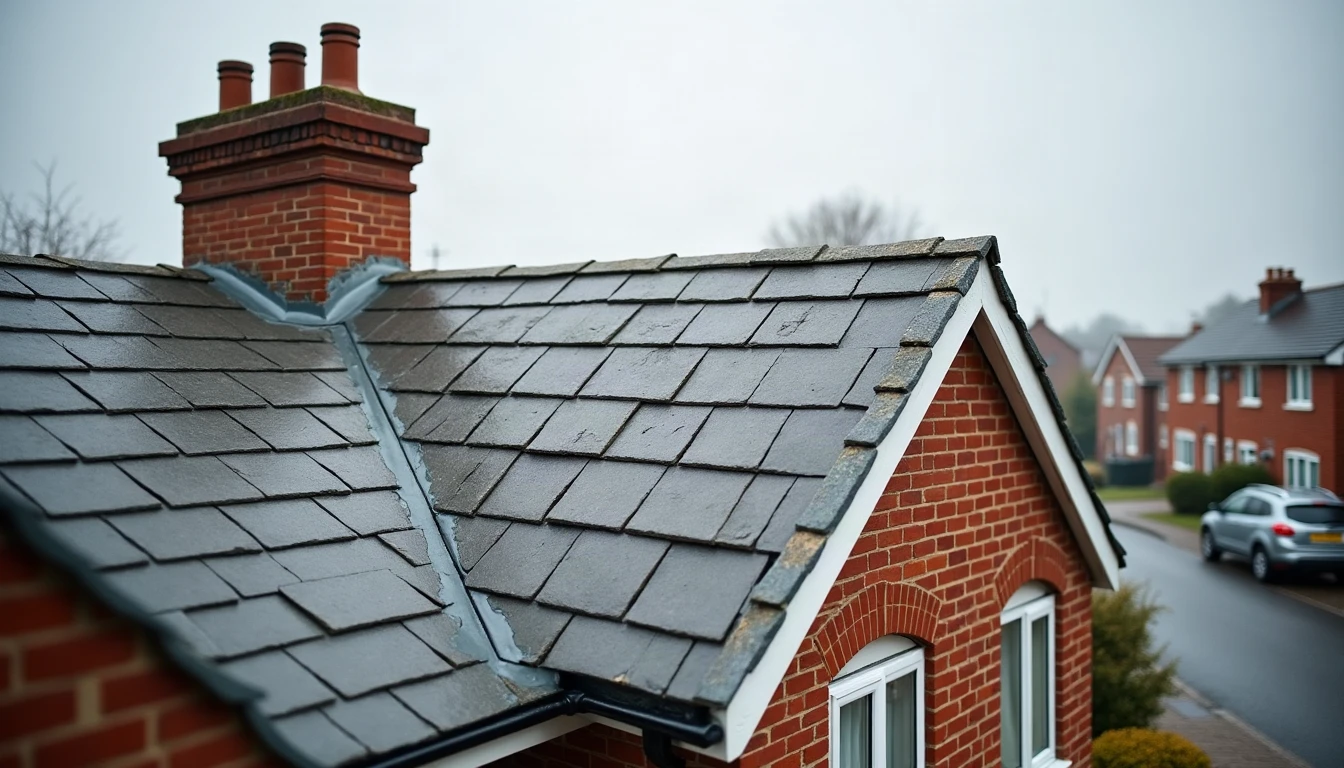
Likewise, water appearing near a chimney might be related to:
- Flashing
- Tiles or slates
- Mortar
- A roof valley
- Water travelling beneath the roof covering
This is why an emergency response should not automatically become “seal whatever looks wet”.
The immediate objective may be to make the property weather-resistant, but the longer-term objective should be to understand the defect and repair it properly.
A capable roofer should be able to separate those two stages when necessary.
What should emergency roof pricing include?
Emergency roofing prices can be difficult to compare because one call-out may involve an assessment only, while another includes temporary weatherproofing or a completed repair.
Before agreeing to work, ask what the price covers.
It may include:
- Call-out or attendance
- Initial inspection
- Labour
- Temporary weatherproofing
- Replacement materials
- Removal of loose materials
- Making the area safe
- A follow-up visit
- Permanent repair work
Do not assume all of these are included.
For example, a contractor might charge to attend during bad weather, secure the damaged area and then provide a separate quotation for permanent work.
That can be a perfectly reasonable approach as long as it is explained.
Similarly, a lower initial figure may relate only to an inspection and not the repair itself.
The more clearly the scope is defined, the easier it becomes to avoid misunderstandings.
How can you recognise unnecessary pressure?
Urgent roofing problems naturally create a sense of pressure. That makes transparency particularly important.
Be cautious if you experience:
- Pressure to agree to a full replacement immediately
- Large additional work being proposed without explanation
- A refusal to put substantial work in writing
- Unclear or changing prices
- No explanation of whether work is temporary
- Claims that the entire roof is dangerous without showing why
- Demands for unusually large payments without a clear scope
There are genuine situations where significant work is necessary.
The warning sign is not the size of the recommendation itself. It is whether the recommendation is supported by an inspection and explained clearly.
Even during an emergency, you should understand why a particular action is being suggested.
Should you choose the closest contractor?
Local availability is useful during urgent roofing problems, but proximity should not override everything else.
A contractor who genuinely works across Worthing may be able to respond efficiently and understand common local property types.
However, the closest company may not necessarily have suitable experience with your roof.
Consider whether the business regularly handles:
- Emergency leaks
- Storm damage
- Pitched roofs
- Flat roofs
- Tile and slate repairs
- Chimney and flashing problems
- Temporary weatherproofing
- Permanent roofing repairs
When choosing an emergency roofer, relevant experience and clear communication are more valuable than simply choosing whichever business appears geographically closest.
What should you do while waiting for help?
There are useful steps homeowners can take without going onto the roof.
Protect belongings
Move furniture, electronics and other possessions away from the affected area where it is safe to do so.
Collect dripping water
A bucket or suitable container may help limit damage from a manageable drip.
Watch the ceiling
If a ceiling becomes heavily saturated, starts bulging or appears unstable, keep people away from the area.
Be cautious around electricity
Water and electrical equipment are a dangerous combination. Avoid touching affected electrical items and seek appropriate professional advice if water is close to wiring, fittings or electrical equipment.
Take photographs
Photographs of internal water damage and visible external defects can help document what has happened.
Do not climb onto the roof
Wet or damaged roofs can be extremely dangerous. Temporary coverings should not be attempted by homeowners if doing so requires climbing onto the roof.
Your safety is more important than trying to carry out a quick DIY repair.
What happens after the immediate problem is secured?
If the first visit involved temporary work, ask what the permanent repair will require.
Temporary weatherproofing may be used because:
- Rain is too heavy
- Wind makes access unsafe
- The correct materials are not available immediately
- More of the roof needs inspecting
- The affected area needs to dry
- Scaffolding is required
Once conditions improve, the contractor should reassess the problem and agree the permanent work.
It is useful to ask:
- Has the source of the problem been confirmed?
- What permanent repair is recommended?
- Does temporary work need removing?
- Have adjacent roofing materials been checked?
- Is any internal drying or repair needed?
- When can permanent work be completed?
Do not allow a temporary patch to become permanent by accident simply because the immediate leak has stopped.
Why do reviews matter more during urgent work?
Reviews can provide useful evidence about how a company behaves when homeowners are under pressure.
Rather than looking only at the overall rating, read comments for references to:
- Speed of communication
- Reliability
- Emergency attendance
- Clear pricing
- Quality of repairs
- Whether work lasted
- Tidiness
- Follow-up
- How problems were resolved
A pattern of customers saying the company explained the problem clearly can be particularly reassuring during an emergency.
However, reviews should still be combined with your own assessment of how the company communicates with you.
A high rating does not remove the need for a clear explanation of the work being proposed.
What Type of Roof Do You Have?
Please select the roof type of your property. This helps us determine the best installation method and equipment for your home.

Flat Roof
Pitched Roof
It just takes 60 Sec
And then you can book a free consultation
What information should you give the roofing company?
The more relevant information you can provide, the easier it may be for the contractor to judge urgency.
Tell them:
- Your location
- What has happened
- When the problem started
- Whether water is actively entering
- Which room is affected
- Whether roofing materials are visibly missing
- Whether there are loose materials
- Whether the roof has been repaired previously
- Whether the problem followed severe weather
- Whether photographs are available
Do not worry if you cannot identify the roofing terminology.
Saying “water is coming through the bedroom ceiling near the chimney” is more useful than guessing that a particular flashing detail has failed.
The contractor’s job is to diagnose the roofing issue.
Choose calm, clear advice when the situation feels urgent
Roof emergencies naturally create pressure, but the best decisions still come from understanding what needs to happen and why.
A quick response is valuable when water is entering the property or roofing materials have become unsafe. It should be combined with sensible diagnosis, safe working practices, transparent pricing and a clear distinction between temporary protection and permanent repair.
For homeowners in Worthing and the surrounding West Sussex area, finding the right roofer means looking for more than availability alone. Experience, communication and a proportionate approach to the damage all matter.
All Roofing Works supports homeowners with urgent roofing problems, repairs and assessments across Worthing. Our team can assess the immediate issue, explain the appropriate next steps and help move from emergency protection to a suitable permanent repair where required.
Related articles

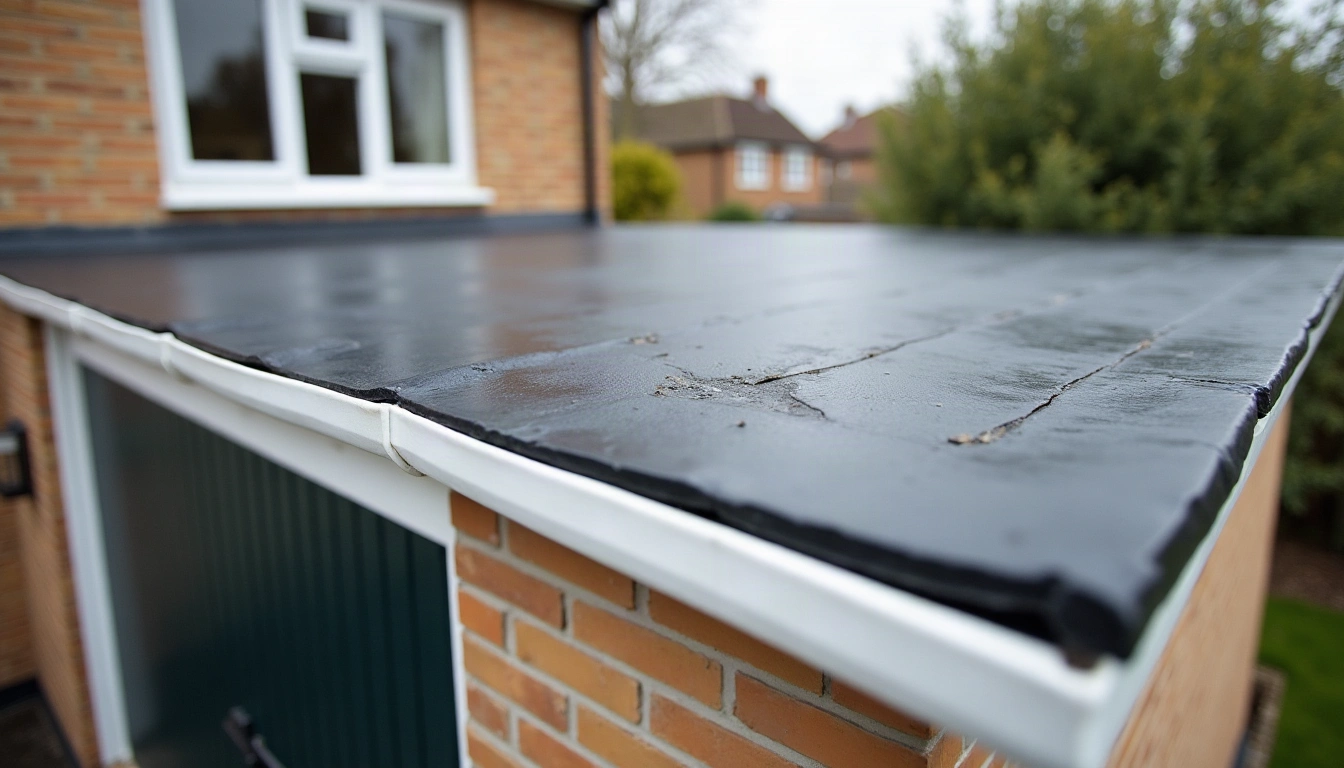
What Type of Roof Do You Have?
Please select the roof type of your property. This helps us determine the best installation method and equipment for your home.
Flat Roof
Pitched Roof
Commercial Roof
At a glance
When rain is entering the property, or part of the roof has suddenly become exposed, homeowners understandably want someone to attend as quickly as possible.
Speed matters, but it should not be the only consideration. The first available contractor is not automatically the right one, particularly if the problem needs more than a temporary patch. A reliable roofer should be able to assess the immediate risk, explain what has likely happened and distinguish between work needed now and repairs that can safely be planned afterwards.
For homeowners in Worthing, a few practical checks can help you find urgent roofing support without making a rushed decision that creates another problem later.
What actually counts as a roofing emergency?
Not every roof defect requires an emergency response.
A cracked tile with no water ingress may need prompt attention, but it is different from a large section of roofing being displaced during a storm.
Situations that may require more urgent help include:
- Water actively entering living areas
- Several tiles or slates being torn away
- A large section of roofing material lifting
- Loose materials presenting a safety risk
- Significant storm damage
- Part of the roof structure becoming exposed
- Flashing becoming detached around an important junction
- A temporary roof repair failing during bad weather
- Water affecting electrics or heavily saturating ceilings
The immediate priority should be protecting people and reducing further damage where this can be done safely.
An emergency roofer may sometimes carry out a permanent repair during the first visit. In other circumstances, temporary weatherproofing may be the safest option until conditions allow the roof to be repaired properly.
How quickly should a roofing contractor respond?
There is a difference between responding quickly and promising something unrealistic.
Severe weather can create high demand across an area, and safe roof access may not be possible while strong winds or heavy rain are continuing.
A professional roofing company should still be able to give you useful information about:
- Whether the situation sounds urgent
- What you should do inside the property
- Whether the affected area should be avoided
- When an assessment may be possible
- Whether temporary protection may be required
- What information or photographs would be helpful
Be cautious about guarantees that somebody will immediately climb onto a roof regardless of the weather.
Working at height during unsafe conditions can put the contractor and people around the property at unnecessary risk.
A responsible response balances urgency with safe working practices.
What should you check before agreeing to emergency roofing work?
When you are dealing with water coming through the ceiling, asking questions may feel like the last thing you want to do.
However, even a short conversation can help clarify what you are agreeing to.
Try to establish:
- What the contractor intends to inspect
- Whether the proposed work will be temporary or permanent
- What the immediate charge covers
- Whether additional work may be required later
- How further costs will be agreed
- Whether the surrounding roof will also be checked
- What happens if permanent work cannot be completed that day
You may not receive an exact final repair price before the roof has been inspected, particularly when the extent of the damage is unknown.
What you should expect is transparency about the process.
Emergency roofing service: what should good practice look like?
|
What to check |
Why it matters |
What good practice looks like |
|
Urgency assessment |
Not every defect needs the same response |
Contractor asks about leaks, damage and safety |
|
Safe access |
Wet and storm-damaged roofs can be dangerous |
Conditions assessed before roof access |
|
Clear pricing |
Emergency work can involve several stages |
Charges and scope explained |
|
Diagnosis |
Visible damage may not be the whole problem |
Surrounding roof is considered |
|
Temporary work |
Sometimes permanent work must wait |
Temporary nature explained clearly |
|
Permanent repair plan |
Temporary protection should not be forgotten |
Follow-up work is discussed |
|
Communication |
Sudden damage is stressful |
Advice is clear and proportionate |
|
Evidence |
Homeowners may not see the roof themselves |
Photographs or explanation provided where useful |
A company does not need to turn an emergency visit into a lengthy technical presentation. You should, however, understand what has been found and what happens next.
Why is a proper diagnosis still important during an emergency?
Urgency can make the most obvious damage look like the entire problem.
Suppose several tiles have moved during strong winds and water is entering a bedroom. Replacing the visibly displaced tiles may solve the leak, but an inspection should also consider whether surrounding pieces have loosened or whether another junction has been affected.
Likewise, water appearing near a chimney might be related to:
- Flashing
- Tiles or slates
- Mortar
- A roof valley
- Water travelling beneath the roof covering
This is why an emergency response should not automatically become “seal whatever looks wet”.
The immediate objective may be to make the property weather-resistant, but the longer-term objective should be to understand the defect and repair it properly.
A capable roofer should be able to separate those two stages when necessary.
What should emergency roof pricing include?
Emergency roofing prices can be difficult to compare because one call-out may involve an assessment only, while another includes temporary weatherproofing or a completed repair.
Before agreeing to work, ask what the price covers.
It may include:
- Call-out or attendance
- Initial inspection
- Labour
- Temporary weatherproofing
- Replacement materials
- Removal of loose materials
- Making the area safe
- A follow-up visit
- Permanent repair work
Do not assume all of these are included.
For example, a contractor might charge to attend during bad weather, secure the damaged area and then provide a separate quotation for permanent work.
That can be a perfectly reasonable approach as long as it is explained.
Similarly, a lower initial figure may relate only to an inspection and not the repair itself.
The more clearly the scope is defined, the easier it becomes to avoid misunderstandings.
How can you recognise unnecessary pressure?
Urgent roofing problems naturally create a sense of pressure. That makes transparency particularly important.
Be cautious if you experience:
- Pressure to agree to a full replacement immediately
- Large additional work being proposed without explanation
- A refusal to put substantial work in writing
- Unclear or changing prices
- No explanation of whether work is temporary
- Claims that the entire roof is dangerous without showing why
- Demands for unusually large payments without a clear scope
There are genuine situations where significant work is necessary.
The warning sign is not the size of the recommendation itself. It is whether the recommendation is supported by an inspection and explained clearly.
Even during an emergency, you should understand why a particular action is being suggested.
Should you choose the closest contractor?
Local availability is useful during urgent roofing problems, but proximity should not override everything else.
A contractor who genuinely works across Worthing may be able to respond efficiently and understand common local property types.
However, the closest company may not necessarily have suitable experience with your roof.
Consider whether the business regularly handles:
- Emergency leaks
- Storm damage
- Pitched roofs
- Flat roofs
- Tile and slate repairs
- Chimney and flashing problems
- Temporary weatherproofing
- Permanent roofing repairs
When choosing an emergency roofer, relevant experience and clear communication are more valuable than simply choosing whichever business appears geographically closest.
What should you do while waiting for help?
There are useful steps homeowners can take without going onto the roof.
Protect belongings
Move furniture, electronics and other possessions away from the affected area where it is safe to do so.
Collect dripping water
A bucket or suitable container may help limit damage from a manageable drip.
Watch the ceiling
If a ceiling becomes heavily saturated, starts bulging or appears unstable, keep people away from the area.
Be cautious around electricity
Water and electrical equipment are a dangerous combination. Avoid touching affected electrical items and seek appropriate professional advice if water is close to wiring, fittings or electrical equipment.
Take photographs
Photographs of internal water damage and visible external defects can help document what has happened.
Do not climb onto the roof
Wet or damaged roofs can be extremely dangerous. Temporary coverings should not be attempted by homeowners if doing so requires climbing onto the roof.
Your safety is more important than trying to carry out a quick DIY repair.
What happens after the immediate problem is secured?
If the first visit involved temporary work, ask what the permanent repair will require.
Temporary weatherproofing may be used because:
- Rain is too heavy
- Wind makes access unsafe
- The correct materials are not available immediately
- More of the roof needs inspecting
- The affected area needs to dry
- Scaffolding is required
Once conditions improve, the contractor should reassess the problem and agree the permanent work.
It is useful to ask:
- Has the source of the problem been confirmed?
- What permanent repair is recommended?
- Does temporary work need removing?
- Have adjacent roofing materials been checked?
- Is any internal drying or repair needed?
- When can permanent work be completed?
Do not allow a temporary patch to become permanent by accident simply because the immediate leak has stopped.
Why do reviews matter more during urgent work?
Reviews can provide useful evidence about how a company behaves when homeowners are under pressure.
Rather than looking only at the overall rating, read comments for references to:
- Speed of communication
- Reliability
- Emergency attendance
- Clear pricing
- Quality of repairs
- Whether work lasted
- Tidiness
- Follow-up
- How problems were resolved
A pattern of customers saying the company explained the problem clearly can be particularly reassuring during an emergency.
However, reviews should still be combined with your own assessment of how the company communicates with you.
A high rating does not remove the need for a clear explanation of the work being proposed.
What Type of Roof Do You Have?
Please select the roof type of your property. This helps us determine the best installation method and equipment for your home.
Flat Roof
Pitched Roof
It just takes 60 Sec
And then you can book a free consultation
What information should you give the roofing company?
The more relevant information you can provide, the easier it may be for the contractor to judge urgency.
Tell them:
- Your location
- What has happened
- When the problem started
- Whether water is actively entering
- Which room is affected
- Whether roofing materials are visibly missing
- Whether there are loose materials
- Whether the roof has been repaired previously
- Whether the problem followed severe weather
- Whether photographs are available
Do not worry if you cannot identify the roofing terminology.
Saying “water is coming through the bedroom ceiling near the chimney” is more useful than guessing that a particular flashing detail has failed.
The contractor’s job is to diagnose the roofing issue.
Choose calm, clear advice when the situation feels urgent
Roof emergencies naturally create pressure, but the best decisions still come from understanding what needs to happen and why.
A quick response is valuable when water is entering the property or roofing materials have become unsafe. It should be combined with sensible diagnosis, safe working practices, transparent pricing and a clear distinction between temporary protection and permanent repair.
For homeowners in Worthing and the surrounding West Sussex area, finding the right roofer means looking for more than availability alone. Experience, communication and a proportionate approach to the damage all matter.
All Roofing Works supports homeowners with urgent roofing problems, repairs and assessments across Worthing. Our team can assess the immediate issue, explain the appropriate next steps and help move from emergency protection to a suitable permanent repair where required.
Related articles
What Type of Roof Do You Have?
Please select the roof type of your property. This helps us determine the best installation method and equipment for your home.
Flat Roof
Pitched Roof
Commercial Roof