Emergency Repair or Roof Inspection? Choosing the Right First Step After Sudden Damage in Worthing
Sudden roofing damage rarely happens at a convenient time. You might notice water entering a bedroom during heavy rain, find tiles on the ground after strong winds or discover a damp patch that was not there the day before.

Why you can trust our content
We understand that the roofing industry can be confusing, with plenty of outdated or misleading information. That’s why we rely only on trusted, proven sources to guide our advice and installations:







At a glance
The immediate question is usually the same: does the roof need repairing straight away, or should it be inspected first?
The answer depends on the level of risk, whether water is actively entering the property and how clearly the source of the problem can be identified. Some situations justify an emergency roof repair to make the property temporarily or permanently weather-resistant. In others, carrying out work before understanding what has failed can lead to the wrong part of the roof being repaired.
For homeowners in Worthing, knowing what to do during those first few hours can help protect the property without rushing into unnecessary work.
What counts as sudden roof damage?
Sudden roof damage is any problem that develops quickly or becomes apparent without much warning.
It can follow obvious severe weather, but that is not always the case. Sometimes an older weakness reaches the point where it can no longer keep water out, making the problem appear sudden even though deterioration has been happening gradually.
Common examples include:
- Tiles or slates being displaced during strong winds
- A branch or debris damaging the roof covering
- Water suddenly entering through a ceiling
- Flashing becoming loose around a chimney or roof junction
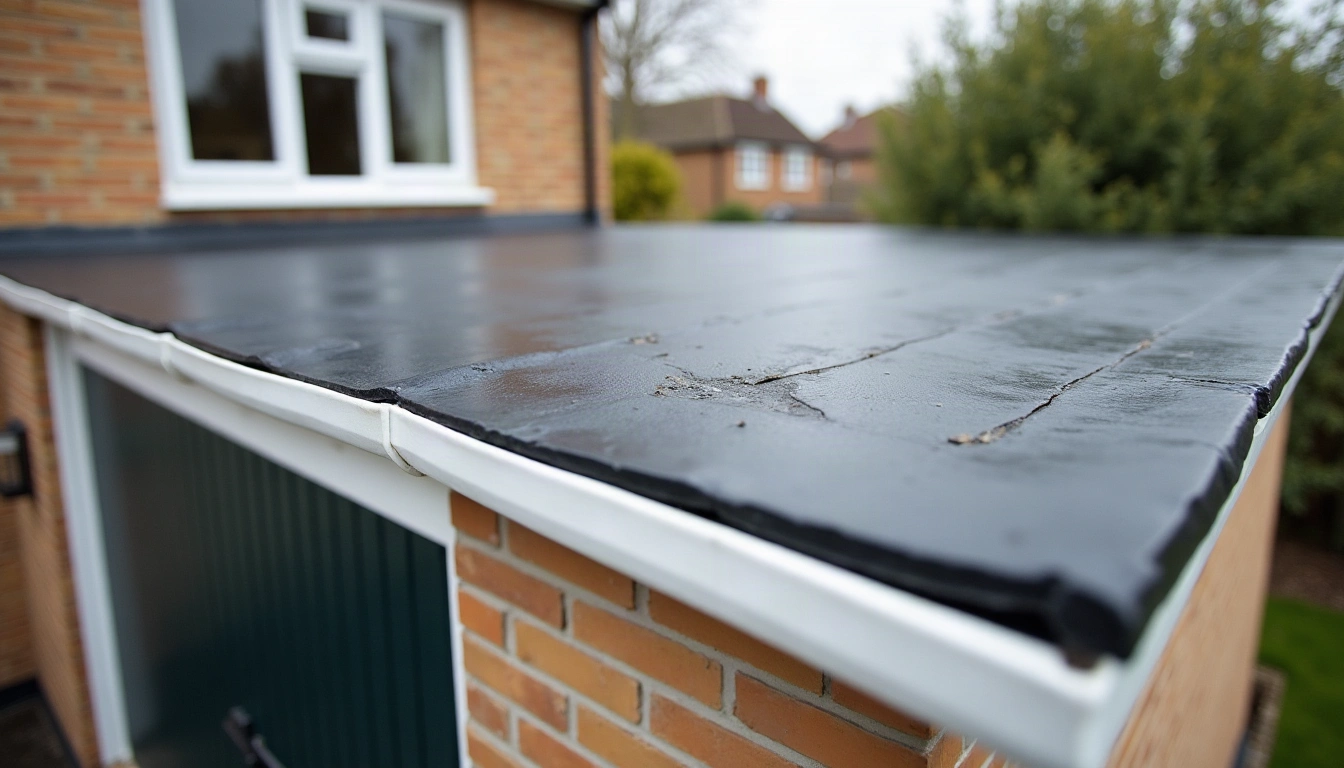
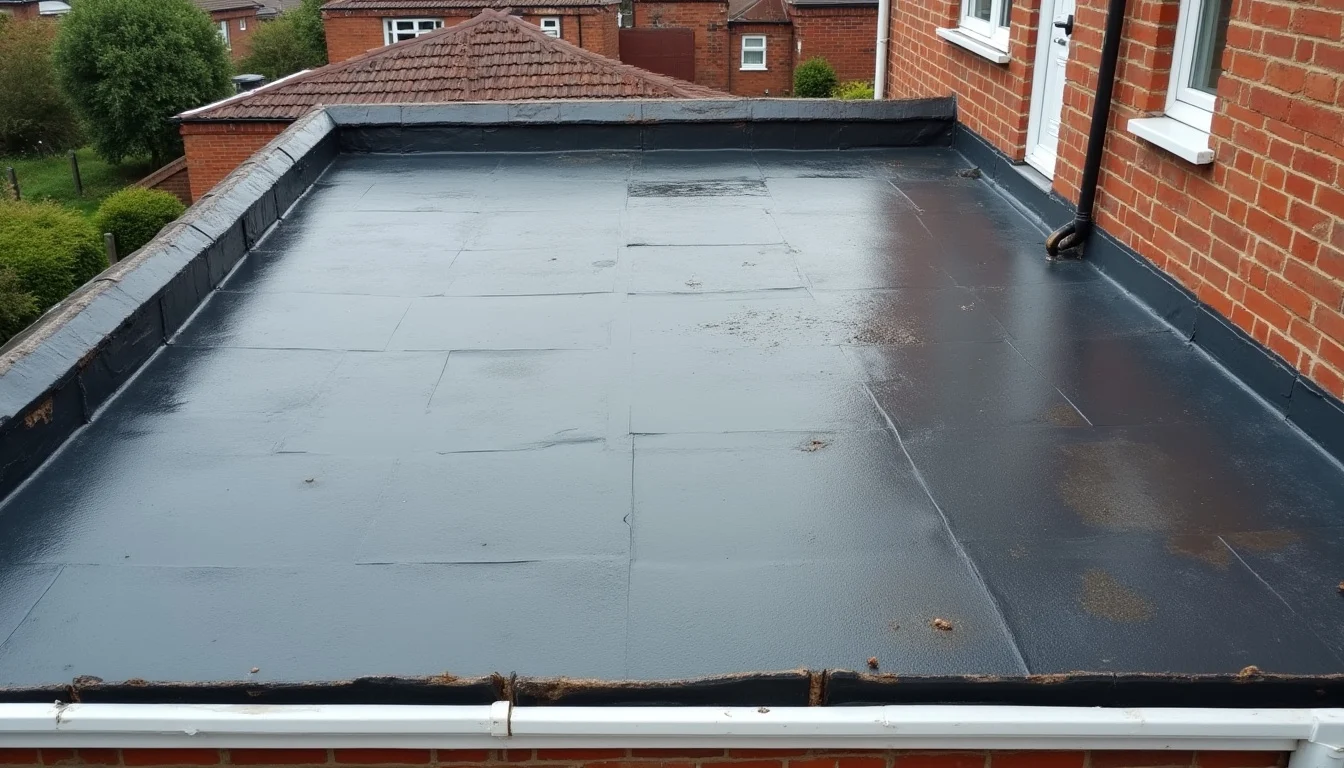
- Part of a flat roof covering lifting or splitting
- A gutter or roof drainage problem causing water to overflow
- A previous repair unexpectedly failing
- A section of roof becoming visibly unstable
The first priority is to understand whether there is an immediate risk to people or the building.
If the answer is yes, urgent action may be needed before a full diagnosis can take place.
When should an emergency repair come first?
An emergency response is generally appropriate when delaying action could allow significantly more damage to occur or create a safety concern.
For example, active water ingress during prolonged rainfall may need to be controlled as quickly as conditions safely allow. Large areas of missing roof covering can also leave the property exposed to further weather.
Situations that may justify urgent attention include:
- Water entering the property continuously
- Multiple tiles or slates becoming detached
- A large section of roofing material lifting
- Significant storm damage
- Loose materials creating a potential hazard
- Damage leaving the roof structure exposed
- A failed temporary repair during bad weather
- Internal ceilings becoming heavily saturated
Urgent work does not always mean completing the final permanent repair immediately.
Weather conditions, safe access and the extent of the damage can affect what is possible. In some cases, the first objective is to secure the area or reduce further water ingress before returning to complete a permanent repair when conditions improve.
This distinction is important. An emergency response should protect the property, but it should not encourage unsafe roof access during severe weather.
When is an inspection the better first step?
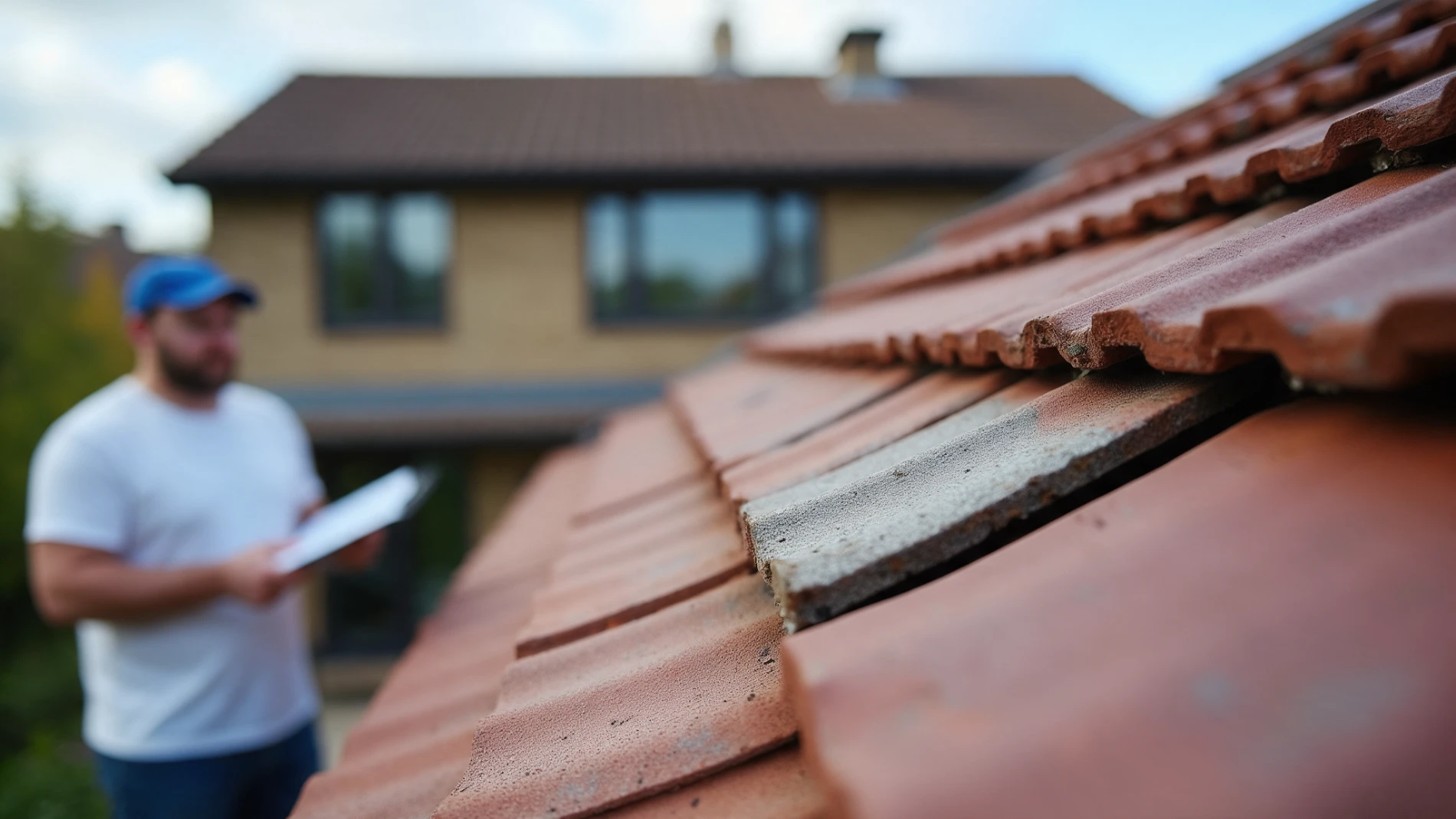
If there is no immediate safety issue and water ingress is limited or has stopped, a proper inspection may be more useful than rushing straight into repair work.
A roof inspection in Worthing can help establish:
- What has actually failed
- Whether the visible damage is the full extent of the problem
- Whether water has travelled from another part of the roof
- What surrounding materials have been affected
- Whether a local repair is likely to be sufficient
- Whether the problem existed before the recent weather event
This matters because the first visible defect is not always the source.
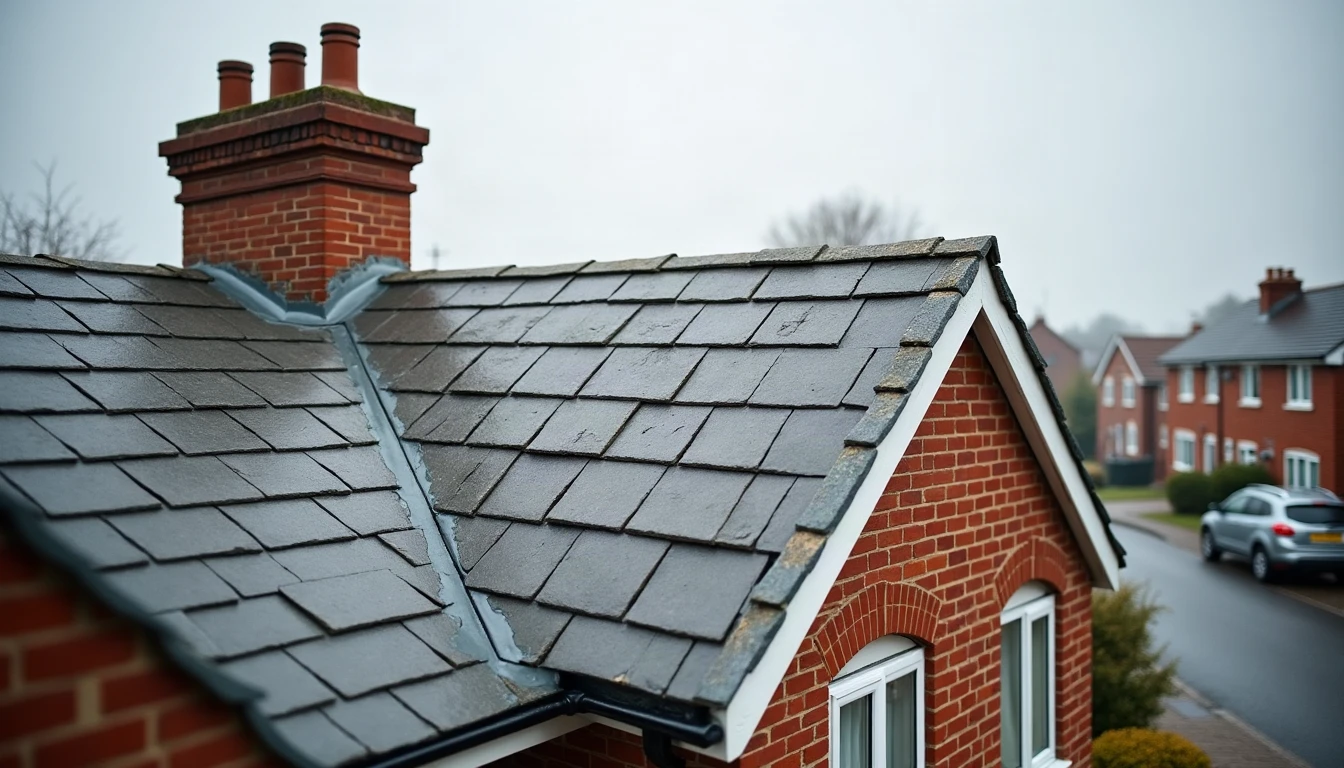
For example, a damp patch near a chimney might initially suggest one broken tile. Closer investigation could show that water is entering higher up through defective flashing. Repairing the tile alone would therefore leave the original problem unresolved.
Where circumstances allow, diagnosis before repair usually gives the homeowner a clearer understanding of what they are paying to have fixed.
What should you do immediately after discovering roof damage?
There are several sensible steps homeowners can take without going onto the roof.
Protect the inside of the property
If water is entering, move furniture, electrical items and belongings away from the affected area where it is safe to do so.
A container can sometimes help catch dripping water temporarily, but avoid standing beneath a ceiling that appears swollen, heavily saturated or unstable.
Record what has happened
Take photographs of visible internal damage and any external problems that can be seen safely from ground level.
Note:
- When the problem started
- What the weather was like
- Whether the leak is continuous or intermittent
- Which rooms are affected
- Whether the area has leaked before
- Whether previous roof repairs have been completed nearby
This information can be useful when a roofer arrives.
Avoid climbing onto the roof
Sudden damage can make a roof less secure than it looks.
Wet tiles, slates and flat roofing materials can also be slippery. Trying to reposition a tile or cover an opening without the correct equipment can create a much greater risk than the roofing defect itself.
Emergency action versus inspection at a glance
|
Situation |
Likely first step |
Why |
|
Active water entering rapidly |
Urgent roofing assessment |
Reduce further internal damage |
|
Several tiles missing after a storm |
Urgent assessment |
Roof may be exposed to more weather |
|
One cracked tile with no leak |
Inspection or planned repair |
Usually less immediate |
|
Small damp mark after rainfall |
Inspection |
Source needs identifying |
|
Loose material creating a hazard |
Urgent attention |
Potential safety risk |
|
Recurring leak after previous repairs |
Detailed inspection |
Underlying cause may remain |
|
Flat roof blister with no leak |
Planned assessment |
Condition can be evaluated |
|
Large section of covering lifted |
Urgent attention |
Property may be exposed |
|
Unknown source of intermittent leak |
Inspection |
Diagnosis should come before repair |
The distinction is not always absolute. A roofer may inspect the damage and complete a repair during the same visit if the fault is clear and conditions allow.
Why can rushing into a repair sometimes cause problems?
When water is entering the property, homeowners understandably want the opening sealed as quickly as possible.
The problem is that roofing leaks can be deceptive.
Water can travel beneath tiles, along underlay, around timbers or through roof junctions before it becomes visible indoors. The damp patch in a bedroom may therefore be some distance from the actual point of entry.
A quick patch placed directly above the stain might make sense visually but fail to address the true cause.
Another issue is that sudden weather can expose an older defect.
For example, a storm might cause water to enter around a junction that has already been deteriorating for several years. Treating the event purely as new storm damage could overlook worn surrounding materials that also need attention.
A careful assessment helps separate the immediate symptom from the underlying condition.
What should a professional roof inspection look for?
The inspection should be proportionate to the type of problem.
Depending on access and the roof construction, a roofer may examine:
- Missing, cracked or displaced tiles and slates
- Roof edges and verges
- Ridge details
- Chimney flashing
- Valleys
- Flat roof seams and joints
- Drainage outlets
- Previous repairs
- Areas of ponding
- Visible roof movement
- Underlay where accessible
- Internal signs of moisture
The aim is not simply to produce a long list of defects. It is to establish which issues are relevant to the current problem.
For homeowners arranging a roof inspection in Worthing, it is reasonable to ask the roofer to explain what has been found, which areas need attention and whether the proposed repair is urgent or can be planned.
What happens if the roof cannot be permanently repaired immediately?
Sometimes the safest or most practical first response is temporary protection.
Heavy rain, strong winds, darkness or difficult access can make permanent roofing work inappropriate at that moment.
Where suitable, temporary measures may be used to reduce further exposure until permanent repairs can be carried out safely.
A proper follow-up is important.
Temporary work should not simply disappear from the homeowner’s list once the rain stops. The underlying defect still needs to be assessed and repaired appropriately.
An emergency roof repair should therefore be viewed as either:
- A permanent repair completed safely at the first visit, or
- An immediate measure followed by planned permanent work
Knowing which one has been carried out helps avoid confusion later.
How should you compare roofing companies after sudden damage?
Urgency can make it tempting to accept the first proposed solution without asking many questions.
You do not need to become a roofing expert, but a few straightforward questions can help.
Ask:
- What do you believe caused the problem?
- Is the proposed work temporary or permanent?
- Have you checked the surrounding area?
- Is there evidence of older deterioration?
- What happens if more damage is found?
- Is the roof safe until the work is completed?
- What work is genuinely urgent?
- Can any less urgent work be planned separately?
Clear answers can make it easier to distinguish essential emergency work from repairs that can be considered calmly once the property is secure.
A reputable roofer should be able to explain the reasoning behind the recommendation without making the situation sound more alarming than it is.
What Type of Roof Do You Have?
Please select the roof type of your property. This helps us determine the best installation method and equipment for your home.
Flat Roof
Pitched Roof
It just takes 60 Sec
And then you can book a free consultation
Should every storm-damaged roof be treated as an emergency?
No.
Strong weather can cause problems that need attention without necessarily creating an immediate emergency.
One displaced tile on an otherwise sound roof may warrant prompt repair but not the same response as extensive damage with water pouring into the property.
Factors that affect urgency include:
- Amount of water ingress
- Size of the damaged area
- Weather forecast
- Location of the defect
- Whether materials are loose
- Internal damage
- Safety risks
- Condition of the surrounding roof
The response should match the problem.
That protects homeowners from both underreacting to serious damage and overreacting to relatively minor defects.
Choose urgency based on the damage, not the panic
Sudden roof damage can feel alarming, particularly when bad weather is still ongoing. The right response, however, depends on what has actually happened.
Active leaks, exposed roofing and loose materials may justify urgent attention. Less immediate problems often benefit from a careful inspection before work begins so the repair addresses the real source of the defect.
For homeowners in Worthing, the most useful first step is to make the property safe, avoid unnecessary roof access and get clear professional advice on whether the situation needs immediate work or planned repair.
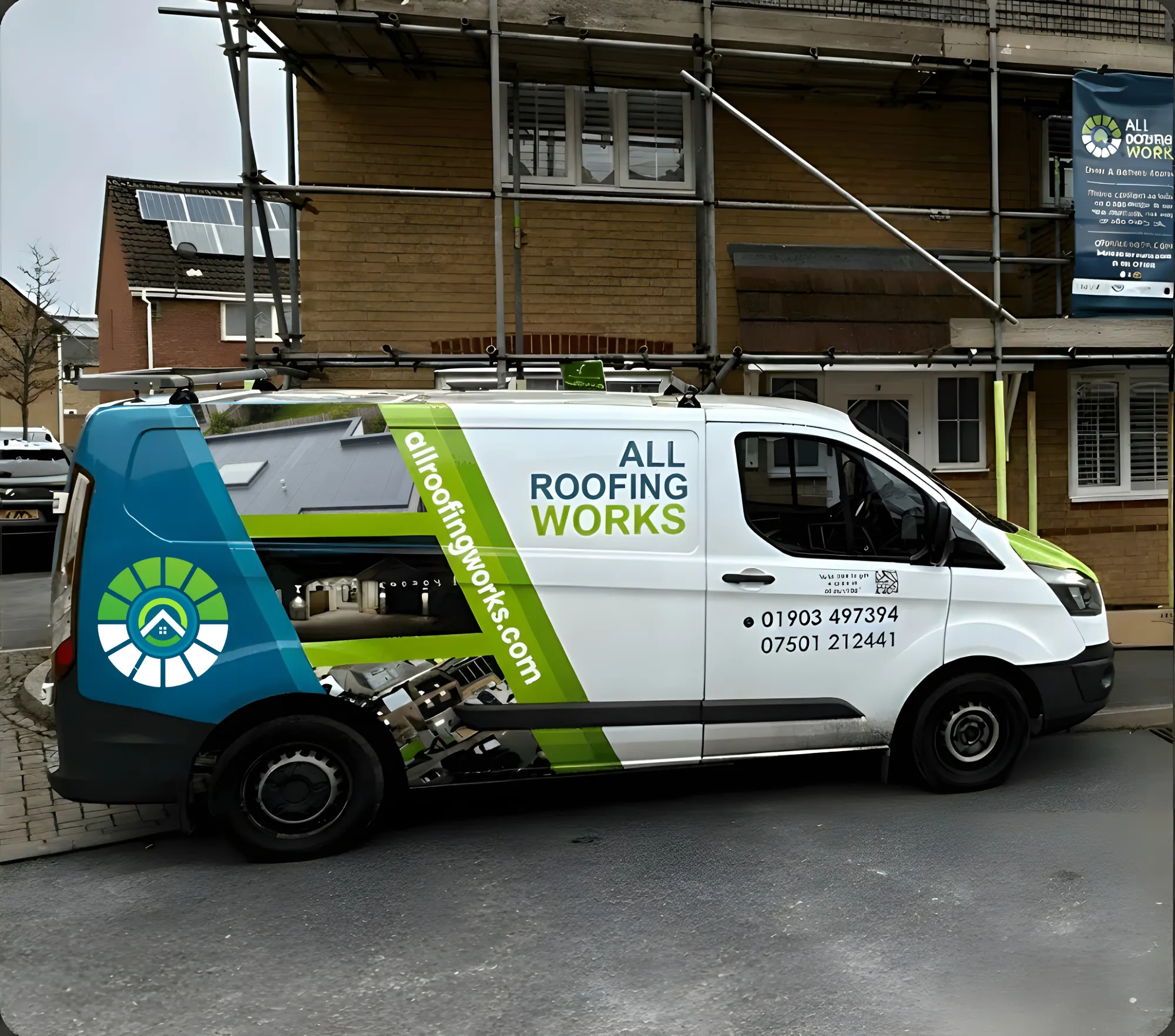
All Roofing Works supports homeowners across Worthing and the wider West Sussex area with roof assessments and repairs. Our team can help determine the severity of sudden damage and recommend a proportionate next step.
Related articles
What Type of Roof Do You Have?
Please select the roof type of your property. This helps us determine the best installation method and equipment for your home.
Flat Roof
Pitched Roof
Commercial Roof
At a glance
The immediate question is usually the same: does the roof need repairing straight away, or should it be inspected first?
The answer depends on the level of risk, whether water is actively entering the property and how clearly the source of the problem can be identified. Some situations justify an emergency roof repair to make the property temporarily or permanently weather-resistant. In others, carrying out work before understanding what has failed can lead to the wrong part of the roof being repaired.
For homeowners in Worthing, knowing what to do during those first few hours can help protect the property without rushing into unnecessary work.
What counts as sudden roof damage?
Sudden roof damage is any problem that develops quickly or becomes apparent without much warning.
It can follow obvious severe weather, but that is not always the case. Sometimes an older weakness reaches the point where it can no longer keep water out, making the problem appear sudden even though deterioration has been happening gradually.
Common examples include:
- Tiles or slates being displaced during strong winds
- A branch or debris damaging the roof covering
- Water suddenly entering through a ceiling
- Flashing becoming loose around a chimney or roof junction
- Part of a flat roof covering lifting or splitting
- A gutter or roof drainage problem causing water to overflow
- A previous repair unexpectedly failing
- A section of roof becoming visibly unstable
The first priority is to understand whether there is an immediate risk to people or the building.
If the answer is yes, urgent action may be needed before a full diagnosis can take place.
When should an emergency repair come first?
An emergency response is generally appropriate when delaying action could allow significantly more damage to occur or create a safety concern.
For example, active water ingress during prolonged rainfall may need to be controlled as quickly as conditions safely allow. Large areas of missing roof covering can also leave the property exposed to further weather.
Situations that may justify urgent attention include:
- Water entering the property continuously
- Multiple tiles or slates becoming detached
- A large section of roofing material lifting
- Significant storm damage
- Loose materials creating a potential hazard
- Damage leaving the roof structure exposed
- A failed temporary repair during bad weather
- Internal ceilings becoming heavily saturated
Urgent work does not always mean completing the final permanent repair immediately.
Weather conditions, safe access and the extent of the damage can affect what is possible. In some cases, the first objective is to secure the area or reduce further water ingress before returning to complete a permanent repair when conditions improve.
This distinction is important. An emergency response should protect the property, but it should not encourage unsafe roof access during severe weather.
When is an inspection the better first step?
If there is no immediate safety issue and water ingress is limited or has stopped, a proper inspection may be more useful than rushing straight into repair work.
A roof inspection in Worthing can help establish:
- What has actually failed
- Whether the visible damage is the full extent of the problem
- Whether water has travelled from another part of the roof
- What surrounding materials have been affected
- Whether a local repair is likely to be sufficient
- Whether the problem existed before the recent weather event
This matters because the first visible defect is not always the source.
For example, a damp patch near a chimney might initially suggest one broken tile. Closer investigation could show that water is entering higher up through defective flashing. Repairing the tile alone would therefore leave the original problem unresolved.
Where circumstances allow, diagnosis before repair usually gives the homeowner a clearer understanding of what they are paying to have fixed.
What should you do immediately after discovering roof damage?
There are several sensible steps homeowners can take without going onto the roof.
Protect the inside of the property
If water is entering, move furniture, electrical items and belongings away from the affected area where it is safe to do so.
A container can sometimes help catch dripping water temporarily, but avoid standing beneath a ceiling that appears swollen, heavily saturated or unstable.
Record what has happened
Take photographs of visible internal damage and any external problems that can be seen safely from ground level.
Note:
- When the problem started
- What the weather was like
- Whether the leak is continuous or intermittent
- Which rooms are affected
- Whether the area has leaked before
- Whether previous roof repairs have been completed nearby
This information can be useful when a roofer arrives.
Avoid climbing onto the roof
Sudden damage can make a roof less secure than it looks.
Wet tiles, slates and flat roofing materials can also be slippery. Trying to reposition a tile or cover an opening without the correct equipment can create a much greater risk than the roofing defect itself.
Emergency action versus inspection at a glance
|
Situation |
Likely first step |
Why |
|
Active water entering rapidly |
Urgent roofing assessment |
Reduce further internal damage |
|
Several tiles missing after a storm |
Urgent assessment |
Roof may be exposed to more weather |
|
One cracked tile with no leak |
Inspection or planned repair |
Usually less immediate |
|
Small damp mark after rainfall |
Inspection |
Source needs identifying |
|
Loose material creating a hazard |
Urgent attention |
Potential safety risk |
|
Recurring leak after previous repairs |
Detailed inspection |
Underlying cause may remain |
|
Flat roof blister with no leak |
Planned assessment |
Condition can be evaluated |
|
Large section of covering lifted |
Urgent attention |
Property may be exposed |
|
Unknown source of intermittent leak |
Inspection |
Diagnosis should come before repair |
The distinction is not always absolute. A roofer may inspect the damage and complete a repair during the same visit if the fault is clear and conditions allow.
Why can rushing into a repair sometimes cause problems?
When water is entering the property, homeowners understandably want the opening sealed as quickly as possible.
The problem is that roofing leaks can be deceptive.
Water can travel beneath tiles, along underlay, around timbers or through roof junctions before it becomes visible indoors. The damp patch in a bedroom may therefore be some distance from the actual point of entry.
A quick patch placed directly above the stain might make sense visually but fail to address the true cause.
Another issue is that sudden weather can expose an older defect.
For example, a storm might cause water to enter around a junction that has already been deteriorating for several years. Treating the event purely as new storm damage could overlook worn surrounding materials that also need attention.
A careful assessment helps separate the immediate symptom from the underlying condition.
What should a professional roof inspection look for?
The inspection should be proportionate to the type of problem.
Depending on access and the roof construction, a roofer may examine:
- Missing, cracked or displaced tiles and slates
- Roof edges and verges
- Ridge details
- Chimney flashing
- Valleys
- Flat roof seams and joints
- Drainage outlets
- Previous repairs
- Areas of ponding
- Visible roof movement
- Underlay where accessible
- Internal signs of moisture
The aim is not simply to produce a long list of defects. It is to establish which issues are relevant to the current problem.
For homeowners arranging a roof inspection in Worthing, it is reasonable to ask the roofer to explain what has been found, which areas need attention and whether the proposed repair is urgent or can be planned.
What happens if the roof cannot be permanently repaired immediately?
Sometimes the safest or most practical first response is temporary protection.
Heavy rain, strong winds, darkness or difficult access can make permanent roofing work inappropriate at that moment.
Where suitable, temporary measures may be used to reduce further exposure until permanent repairs can be carried out safely.
A proper follow-up is important.
Temporary work should not simply disappear from the homeowner’s list once the rain stops. The underlying defect still needs to be assessed and repaired appropriately.
An emergency roof repair should therefore be viewed as either:
- A permanent repair completed safely at the first visit, or
- An immediate measure followed by planned permanent work
Knowing which one has been carried out helps avoid confusion later.
How should you compare roofing companies after sudden damage?
Urgency can make it tempting to accept the first proposed solution without asking many questions.
You do not need to become a roofing expert, but a few straightforward questions can help.
Ask:
- What do you believe caused the problem?
- Is the proposed work temporary or permanent?
- Have you checked the surrounding area?
- Is there evidence of older deterioration?
- What happens if more damage is found?
- Is the roof safe until the work is completed?
- What work is genuinely urgent?
- Can any less urgent work be planned separately?
Clear answers can make it easier to distinguish essential emergency work from repairs that can be considered calmly once the property is secure.
A reputable roofer should be able to explain the reasoning behind the recommendation without making the situation sound more alarming than it is.
What Type of Roof Do You Have?
Please select the roof type of your property. This helps us determine the best installation method and equipment for your home.
Flat Roof
Pitched Roof
It just takes 60 Sec
And then you can book a free consultation
Should every storm-damaged roof be treated as an emergency?
No.
Strong weather can cause problems that need attention without necessarily creating an immediate emergency.
One displaced tile on an otherwise sound roof may warrant prompt repair but not the same response as extensive damage with water pouring into the property.
Factors that affect urgency include:
- Amount of water ingress
- Size of the damaged area
- Weather forecast
- Location of the defect
- Whether materials are loose
- Internal damage
- Safety risks
- Condition of the surrounding roof
The response should match the problem.
That protects homeowners from both underreacting to serious damage and overreacting to relatively minor defects.
Choose urgency based on the damage, not the panic
Sudden roof damage can feel alarming, particularly when bad weather is still ongoing. The right response, however, depends on what has actually happened.
Active leaks, exposed roofing and loose materials may justify urgent attention. Less immediate problems often benefit from a careful inspection before work begins so the repair addresses the real source of the defect.
For homeowners in Worthing, the most useful first step is to make the property safe, avoid unnecessary roof access and get clear professional advice on whether the situation needs immediate work or planned repair.
All Roofing Works supports homeowners across Worthing and the wider West Sussex area with roof assessments and repairs. Our team can help determine the severity of sudden damage and recommend a proportionate next step.
Related articles
What Type of Roof Do You Have?
Please select the roof type of your property. This helps us determine the best installation method and equipment for your home.
Flat Roof
Pitched Roof
Commercial Roof